
Affordable Rwanda Safari Adventures Rwanda is one of Africa’s most rewarding destinations for travelers who…
Gorilla Trekking Photography Rules in Rwanda Explained
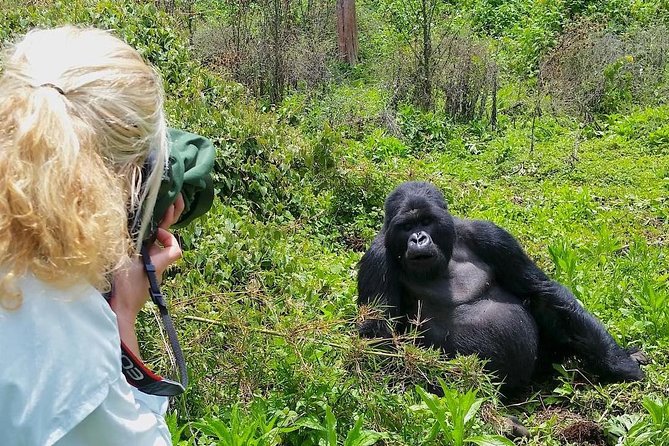
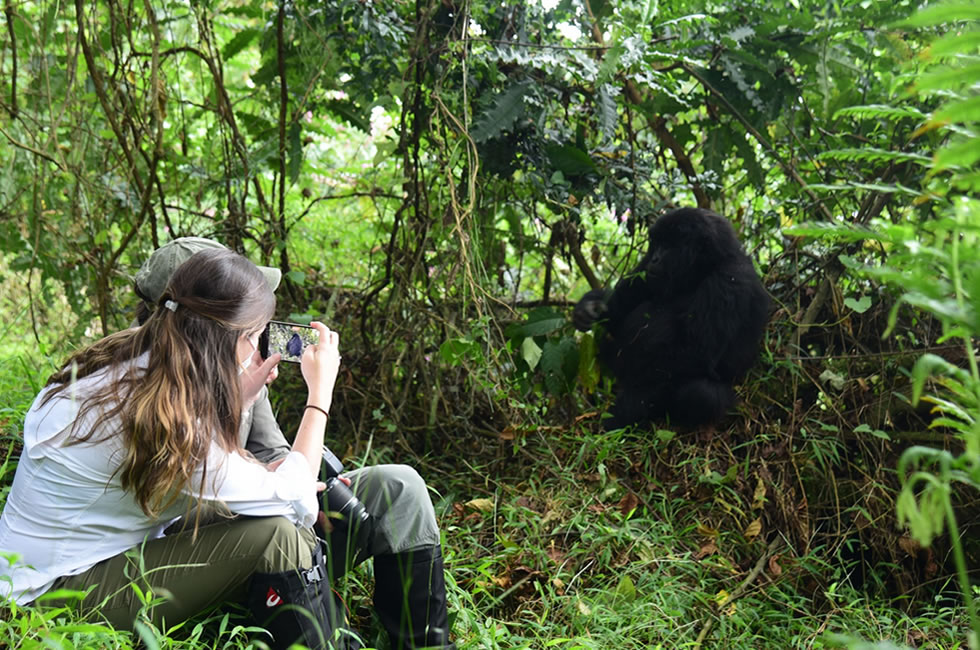
Gorilla trekking in Rwanda is one of the most powerful wildlife experiences in the world, especially in Volcanoes National Park, where visitors can encounter endangered mountain gorillas in their natural habitat. Photography is a huge part of this experience, but it comes with strict rules designed to protect both the gorillas and the visitors. Understanding these guidelines before your trek is essential if you want to capture meaningful images without causing harm or disruption.
One of the most important rules is maintaining a minimum distance of 7 meters (about 23 feet) from the gorillas. This guideline is enforced to reduce the risk of transmitting diseases between humans and gorillas, who share a large percentage of our DNA. Even when taking photos, you must resist the urge to get closer for a better shot. Rangers are very strict about this rule, and violating it can end the trekking experience early.
Flash photography is strictly prohibited during gorilla trekking. The sudden burst of light can startle or stress the gorillas, especially infants. Even if your camera has automatic flash settings, you must ensure it is turned off before approaching the gorilla group. Many modern cameras perform well in low-light forest environments, so it is recommended to prepare your gear accordingly.
Another key rule is keeping noise levels to a minimum. Gorillas are sensitive to loud sounds, and excessive noise can disturb their natural behavior. When taking photos, avoid using cameras with loud shutter sounds if possible, or switch to silent shooting modes. Whispering is encouraged, and guides often remind visitors to remain calm and quiet throughout the encounter.
Visitors are only allowed to spend one hour with the gorillas once they are located. This limited time means photographers must work efficiently and respectfully. It is not a professional photoshoot environment where you can control conditions—everything happens naturally, and patience is crucial to capturing authentic moments.
Touching the gorillas is strictly forbidden, even if they come close to you. Sometimes curious gorillas, especially juveniles, may approach visitors. In such cases, you must remain still and avoid physical contact. Attempting to touch them for a photo can lead to immediate removal from the trek and potential penalties.
The use of tripods and monopods is generally discouraged or restricted, depending on the guide and terrain. The dense forest environment and the need to remain mobile make bulky equipment impractical. Instead, photographers are encouraged to use lightweight gear and rely on image stabilization features.
Wearing appropriate clothing is indirectly part of the photography rules. Neutral-colored clothing is recommended to blend into the environment and avoid attracting attention. Bright colors can distract gorillas and may affect the authenticity of your photos. Additionally, proper hiking gear ensures you can safely position yourself for stable shots.
It is also important to follow the instructions of park rangers at all times. These professionals understand gorilla behavior and will guide you on where to stand, when to move, and when to take photos. Ignoring their instructions not only risks your safety but can also disturb the gorillas.
Photography should never interfere with conservation priorities. The primary goal of gorilla trekking in Rwanda is to protect and preserve the species. The revenue generated from permits supports conservation efforts, and visitors are expected to contribute positively by respecting all guidelines.
Using drones is strictly prohibited in gorilla trekking areas. Drones can cause significant stress to wildlife and disrupt the natural environment. Even if you are an experienced drone operator, you will not be allowed to use one in or around gorilla habitats.
Group size during trekking is limited, typically to eight people per gorilla family. This helps minimize human impact and ensures a more intimate experience. For photographers, this means fewer obstructions and better opportunities—but also a shared responsibility to be considerate of others.
Early morning treks are often recommended for better photography conditions. The light is softer, and gorillas are usually more active during this time. However, the forest canopy can make lighting unpredictable, so understanding your camera settings is essential.
Health precautions are also part of the rules. Visitors who are sick, especially with respiratory illnesses, are not allowed to participate. This is crucial because gorillas are highly susceptible to human diseases. Even wearing a mask may be required in certain situations.
Respecting the environment goes beyond the gorillas themselves. Littering is strictly prohibited, and all waste must be carried out of the park. Photographers should also avoid damaging vegetation while trying to get the perfect angle.
Hiring a porter is highly recommended, especially for photographers carrying extra equipment. Porters not only help carry gear but also assist in navigating the challenging terrain. This allows you to focus more on photography while staying safe.
Camera settings play a big role in successful gorilla photography. Because of low light conditions, a high ISO, wide aperture, and fast shutter speed are typically needed. Practicing these settings before your trek can make a big difference in the quality of your images.
Respecting gorilla behavior is essential for ethical photography. Avoid blocking their movement or positioning yourself in a way that forces them to change direction. The goal is to observe and document, not interfere.
Children under a certain age (usually 15) are not allowed to participate in gorilla trekking. This rule ensures safety and reduces unpredictable behavior that could disturb the gorillas. It also contributes to a more controlled environment for photography.
Finally, remember that gorilla trekking is about more than just photography. While capturing images is important, being present in the moment and appreciating the experience is equally valuable. The connection you feel in the presence of these incredible animals often goes beyond what any camera can capture. With Unique Africa Ventures, You Explore Like Never Before!
For more Info, CONTACT US TODAY AND TALK WITH TOUR CONSULTANT:
Call or WhatsApp: +250 794 128 369
Related Posts