
Rwanda Safari Routes Starting from Kigali Airport Rwanda is one of Africa’s most rewarding destinations…
Nyungwe Forest Safari Packing List
Nyungwe Forest Safari Packing List: The Complete Guide for a Comfortable Rwanda Adventure
Planning a safari to Nyungwe Forest National Park is one of the most exciting steps toward discovering Rwanda’s incredible natural beauty. Whether you are visiting for chimpanzee trekking, canopy walk adventures, bird watching, hiking, or cultural experiences, packing the right items will make your journey more enjoyable and stress-free. Nyungwe Forest is one of Africa’s oldest tropical rainforests, with changing weather conditions throughout the day. Mornings are often cool and misty, afternoons can become warm, and unexpected rainfall is common in every season. A well-prepared traveler enjoys every activity without worrying about discomfort. At Unique Africa Ventures, we recommend planning your luggage carefully so you can fully experience one of Rwanda’s most spectacular wildlife destinations.
Why Packing Properly for Nyungwe Forest Matters
A successful Nyungwe Forest safari begins long before you arrive at the park entrance. The rainforest environment differs greatly from traditional African savannah safaris. Dense vegetation, muddy hiking trails, high humidity, and varying elevations require visitors to carry practical clothing and essential travel accessories. Packing correctly not only improves your comfort but also enhances your safety while trekking through the forest in search of chimpanzees, monkeys, and hundreds of bird species. Travelers who come prepared spend less time worrying about the weather and more time enjoying unforgettable wildlife encounters and breathtaking scenery.
Lightweight Waterproof Clothing is Essential
One of the most important things to pack for Nyungwe Forest National Park is lightweight waterproof clothing. Rain showers can occur unexpectedly even during the dry season. A quality waterproof jacket keeps you dry while allowing your body to breathe during long forest hikes. Quick-drying trousers are far better than jeans because they remain comfortable even after getting wet. Long sleeves and long trousers also provide protection against insects, thorny vegetation, and sun exposure while walking through the rainforest. Neutral colors such as green, brown, khaki, or grey blend well with the forest environment and are ideal for wildlife viewing.
Comfortable Hiking Boots Make Every Trek Easier
Your hiking boots may become the most valuable item in your suitcase. Nyungwe Forest‘s trails can be steep, rocky, slippery, and muddy depending on the season. Good-quality waterproof hiking boots with excellent ankle support reduce the risk of slipping and make long walks much more comfortable. It is advisable to wear boots that have already been broken in before your trip instead of using brand-new footwear. Comfortable boots prevent blisters and allow you to enjoy activities such as chimpanzee trekking, waterfall hikes, and nature walks with confidence.
Don’t Forget Quality Hiking Socks
Many travelers underestimate the importance of proper hiking socks. Thick moisture-wicking socks help keep your feet dry throughout long walks in humid rainforest conditions. Carrying several pairs allows you to change into dry socks after trekking, improving comfort for the rest of the day. High-quality hiking socks also reduce friction inside your boots and minimize the chances of developing painful blisters during multi-day safaris.
Pack a Reliable Rain Jacket
Rain is part of the rainforest experience, making a lightweight waterproof rain jacket one of your top packing priorities. A compact jacket easily fits into your daypack and can be quickly worn whenever showers begin. Modern rain jackets are breathable and comfortable even during active hiking. Being prepared for changing weather ensures your safari continues smoothly regardless of the conditions.
Bring a Comfortable Daypack
A small daypack is extremely useful during all Nyungwe Forest activities. Your backpack should comfortably carry water, snacks, a camera, binoculars, sunscreen, insect repellent, a rain jacket, and personal belongings without becoming too heavy. Choose a lightweight backpack with padded shoulder straps and waterproof protection. Many experienced safari travelers prefer backpacks with multiple compartments to keep equipment organized throughout the day.
Water Bottles and Hydration are Important
Forest hikes often last several hours, making hydration essential. Carry a reusable water bottle or hydration pack to stay refreshed during trekking adventures. Drinking enough water helps prevent fatigue, especially during physically demanding activities such as chimpanzee tracking and long hiking trails. Many safari lodges encourage reusable bottles as part of sustainable tourism efforts that help reduce plastic waste in Rwanda’s protected national parks.
Energy Snacks Keep You Going
Although most safari lodges provide meals, carrying light snacks during forest excursions is highly recommended. Energy bars, nuts, dried fruits, and biscuits provide quick nutrition during extended hikes. Chimpanzee trekking times vary depending on where the animals are located, meaning you may spend several hours in the forest before returning to your lodge. Healthy snacks help maintain your energy levels throughout your adventure.
Binoculars Enhance Wildlife Viewing
Nyungwe Forest is internationally recognized as one of Africa’s finest destinations for bird watching and primate viewing. More than 300 bird species and 13 primate species inhabit the forest. A quality pair of binoculars allows you to observe colorful birds, monkeys, and forest wildlife without disturbing their natural behavior. Bird enthusiasts especially appreciate binoculars when searching for Albertine Rift endemic species hidden high within the forest canopy.
Camera Equipment for Incredible Safari Memories
Nyungwe Forest offers countless photography opportunities, from mist-covered mountains and lush rainforest landscapes to playful chimpanzees and colorful butterflies. Pack a good camera together with spare batteries, memory cards, lens cleaning cloths, and protective waterproof covers. Since the rainforest environment can be humid, keeping camera equipment dry is essential. Smartphones also capture beautiful memories, but dedicated cameras generally perform better under low forest lighting conditions.
Insect Repellent is Highly Recommended
Rainforests naturally contain insects, making insect repellent one of the most useful travel essentials. Apply insect repellent before every forest activity to minimize mosquito and insect bites. Products containing DEET or other recommended ingredients provide effective protection. Wearing long sleeves and long trousers alongside insect repellent offers additional comfort throughout your safari experience.
Sun Protection Should Not Be Overlooked
Although Nyungwe Forest is famous for its thick tree canopy, sunlight can still be strong, particularly during open viewpoints, canopy walks, and lodge activities. Pack sunscreen with high SPF protection together with sunglasses and a wide-brimmed hat. These simple items protect your skin from ultraviolet rays while helping you remain comfortable during outdoor adventures.
Personal Medications and First Aid Supplies
Travelers should always carry their personal medications together with a small first aid kit. Include pain relievers, antiseptic wipes, blister treatment, adhesive bandages, allergy medication, and any prescribed medicines. While safari guides and lodges are prepared for emergencies, having basic medical supplies readily available provides additional peace of mind throughout your journey.
Travel Documents Should Be Easily Accessible
Before leaving for Nyungwe Forest, organize all important travel documents in a waterproof folder or travel wallet. Keep your passport, travel insurance, safari confirmation, accommodation vouchers, permits, vaccination records if required, and emergency contact information together. Digital copies stored securely online or on your phone provide useful backups during international travel.
Power Banks and Charging Equipment
Electricity is available at most safari lodges, but carrying a fully charged power bank is highly recommended for long excursions. Your smartphone, camera, GPS, or other electronic devices may require charging during extended forest activities. Bring universal travel adapters if visiting Rwanda from another region to ensure all your devices remain powered throughout your safari.
Walking Poles Can Improve Stability
Many Nyungwe hiking trails include steep climbs, uneven terrain, and slippery sections. Lightweight trekking poles provide additional balance and reduce pressure on knees during both uphill and downhill walks. Older travelers and anyone planning longer hiking adventures often find walking poles particularly beneficial when exploring the forest.
What Not to Pack for Nyungwe Forest
Packing wisely also means avoiding unnecessary items. Heavy suitcases, expensive jewelry, bright-colored clothing, oversized umbrellas, high-heeled shoes, and bulky winter coats usually add unnecessary weight without improving your safari experience. Instead, focus on versatile clothing layers that are lightweight, practical, and easy to dry after rainfall.
Seasonal Packing Tips for Nyungwe Forest
Nyungwe Forest can be visited throughout the year, but seasonal conditions influence what you should bring. During the rainy months, waterproof gear becomes even more important, while dry seasons still require rain protection due to occasional showers. Layered clothing remains the best approach because temperatures vary between cool early mornings, comfortable afternoons, and chilly evenings. Flexible packing allows visitors to enjoy every activity regardless of weather changes.
Packing for Chimpanzee Trekking
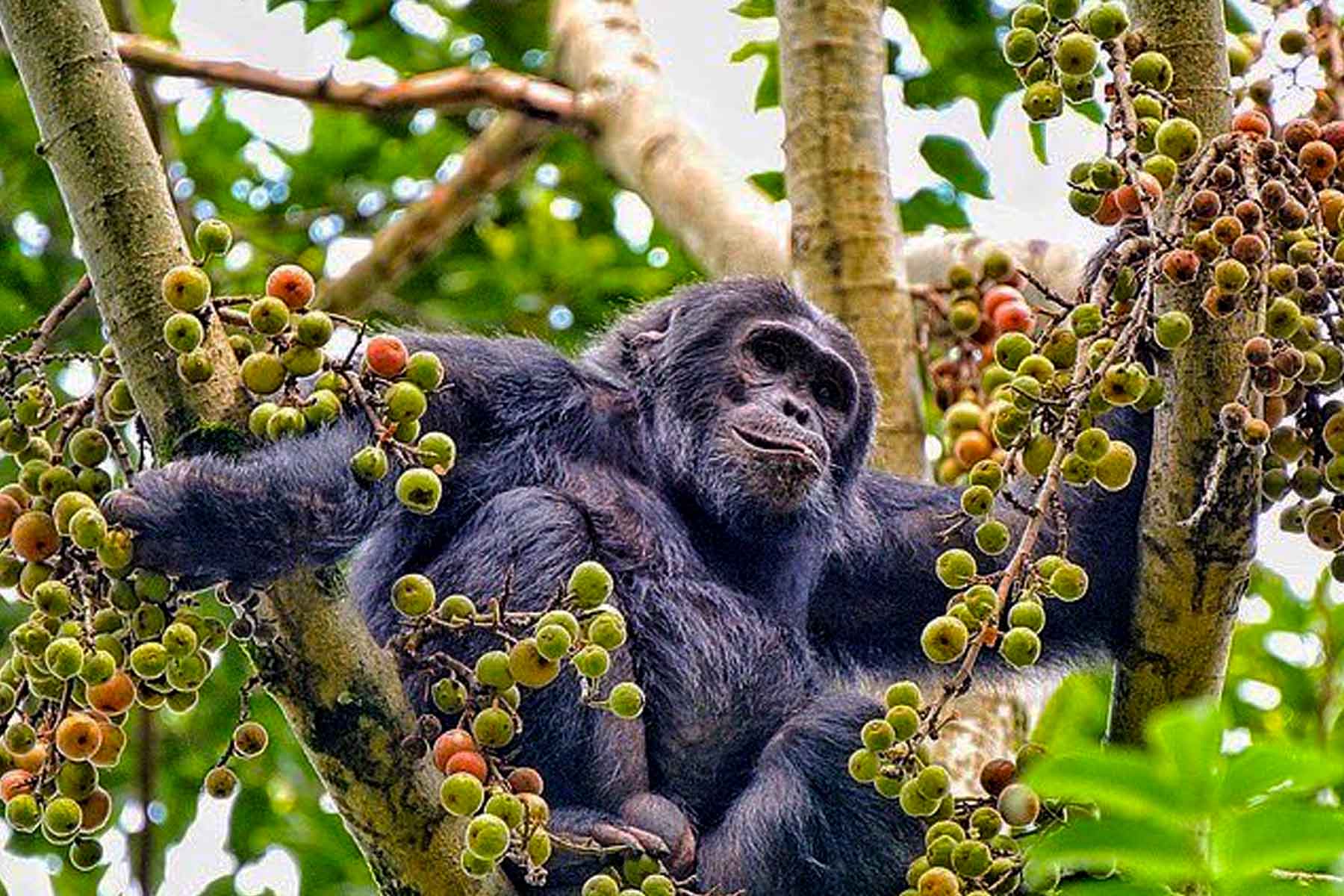
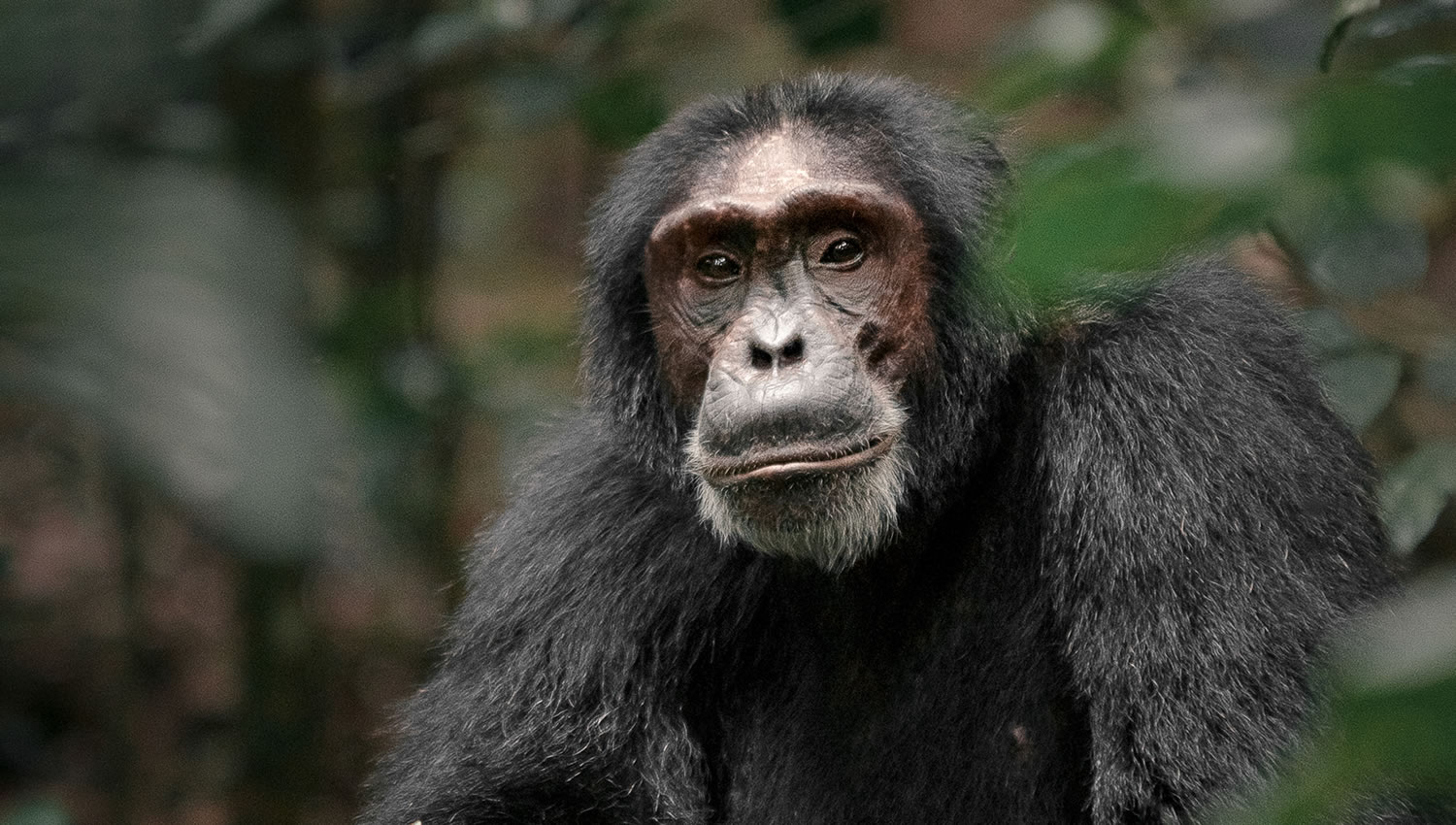
Chimpanzee trekking is among the most popular experiences in Nyungwe Forest, and proper preparation makes the adventure even more rewarding. Wear long trousers, sturdy hiking boots, moisture-wicking clothing, and a waterproof jacket. Carry drinking water, snacks, binoculars, a camera, gloves for holding vegetation, and a lightweight backpack. Following your guide’s instructions and packing appropriately allows you to fully enjoy the excitement of encountering wild chimpanzees in their natural habitat.
Family Packing Tips for Nyungwe Forest Holidays
Families traveling with children should include additional essentials such as reusable water bottles, healthy snacks, lightweight rain gear, comfortable walking shoes, sunscreen, hats, and entertainment for longer road transfers. Parents should also carry any necessary medications and extra clothing for younger travelers. A well-organized family packing list helps everyone stay comfortable throughout the safari.
Book Your Nyungwe Forest Safari with Local Experts
Packing properly is only one part of creating an unforgettable rainforest adventure. Choosing an experienced local tour operator ensures seamless transportation, comfortable accommodation, knowledgeable guides, and expertly planned safari itineraries. Whether you are interested in chimpanzee trekking, canopy walk experiences, bird watching safaris, hiking expeditions, cultural tours, or combined Rwanda wildlife holidays, our dedicated travel specialists are ready to help you plan every detail. With Unique Africa Ventures, You Explore Like Never Before!
For more Info, CONTACT US TODAY AND TALK WITH TOUR CONSULTANT:
Call or WhatsApp: +250 794 128 369
Related Posts