
Affordable Rwanda Safari Adventures Rwanda is one of Africa’s most rewarding destinations for travelers who…
Rwanda Gorilla Safaris with Cultural Experiences Included
Rwanda gorilla safaris with cultural experiences offer far more than a simple wildlife encounter; they are immersive journeys into one of Africa’s most remarkable ecosystems and vibrant societies. Nestled in the heart of East Africa, Rwanda has transformed itself into a premier destination for eco-tourism, where conservation and community development go hand in hand. Travelers who come for gorilla trekking often leave with a deeper appreciation not only for nature but also for the resilience and richness of Rwandan culture.
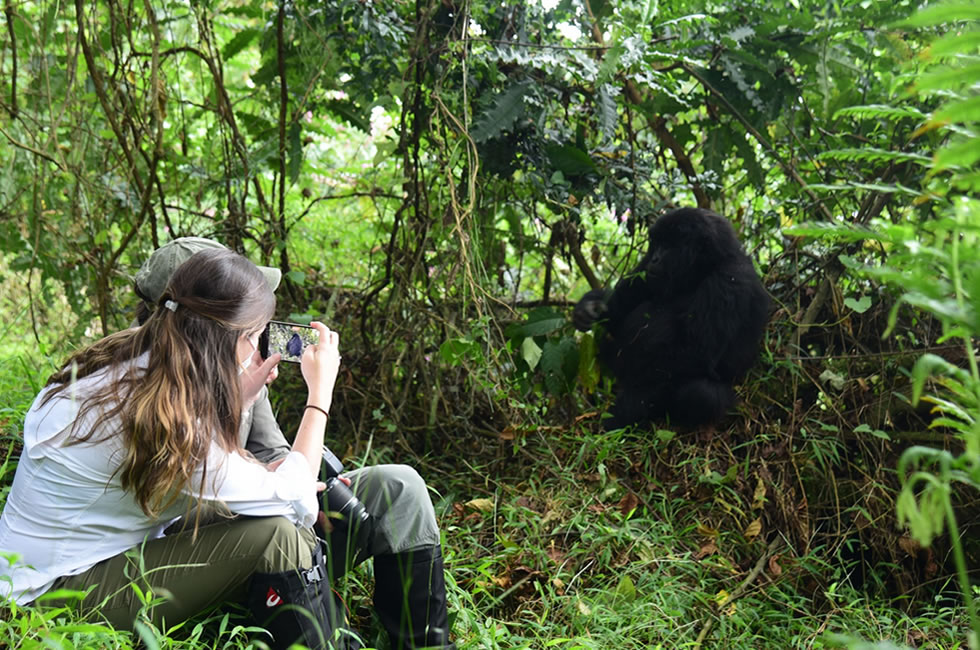
At the center of this experience lies Volcanoes National Park, a misty, mountainous rainforest that forms part of the larger Virunga Conservation Area. This park is home to endangered mountain gorillas, and trekking through its dense bamboo forests is both physically demanding and profoundly rewarding. The anticipation builds as visitors hike uphill, guided by expert trackers who read subtle signs in the forest to locate gorilla families.
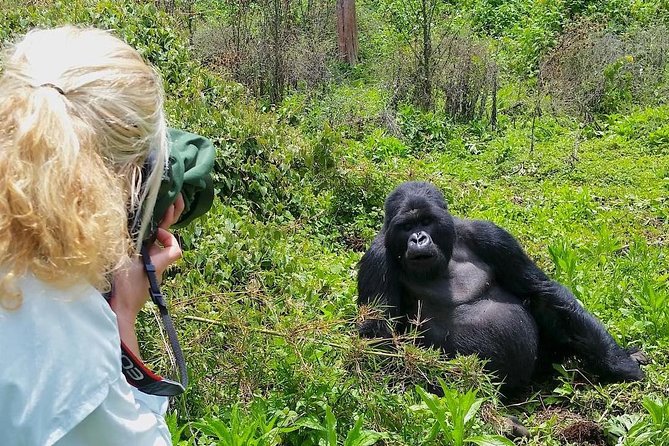
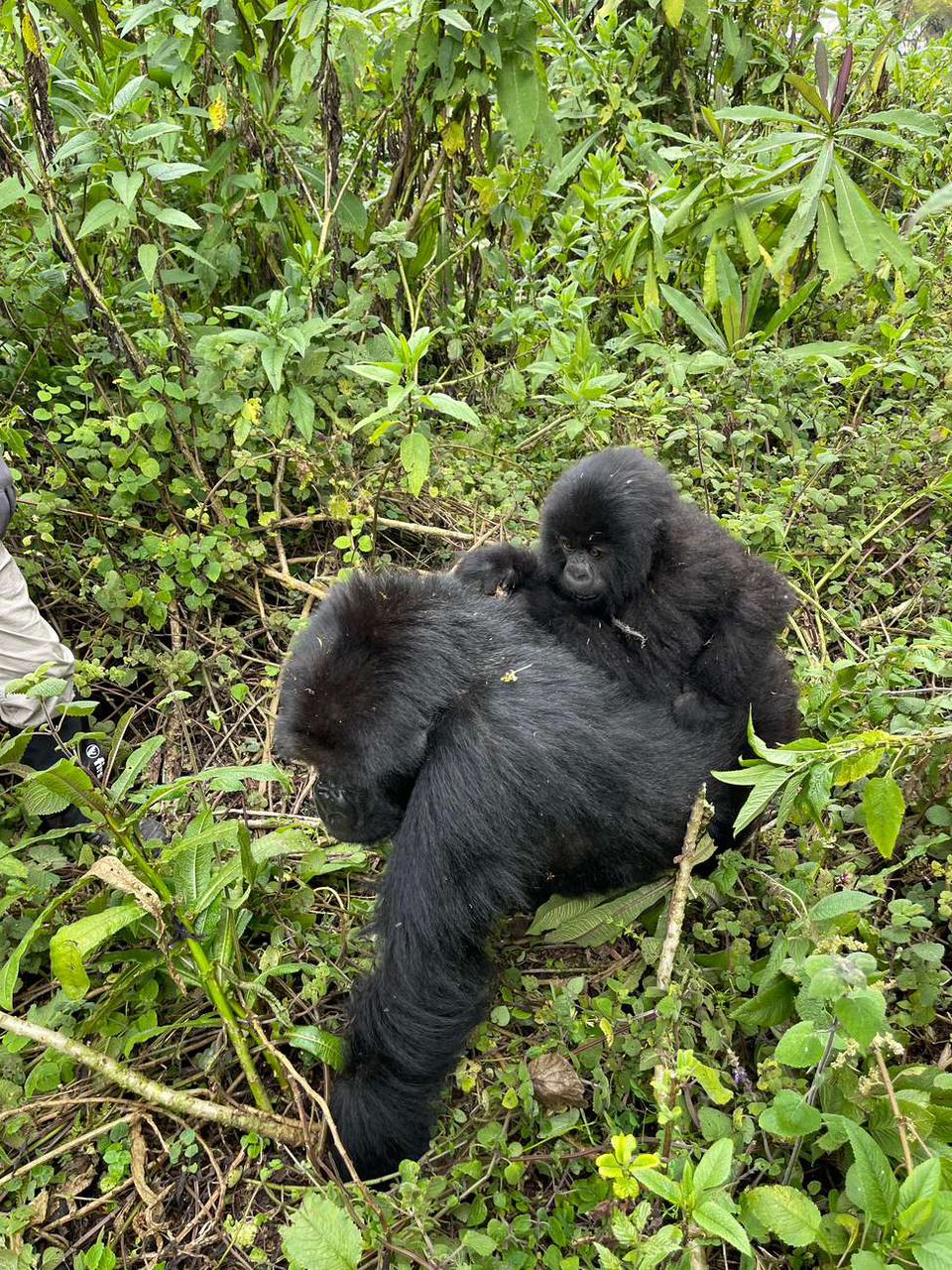
When travelers finally encounter a gorilla group, the experience is deeply moving. Observing these gentle giants—watching a mother cradle her infant or a silverback calmly survey his domain—creates a rare connection between humans and wildlife. This moment often becomes the highlight of the entire safari, offering not just excitement but a sense of responsibility toward conservation.
However, what truly elevates Rwanda’s safaris is the integration of cultural experiences. Visitors are encouraged to explore nearby communities, where they can engage directly with local traditions. One of the most popular cultural stops is the Iby’Iwacu Cultural Village, where former poachers have transitioned into cultural ambassadors. Here, guests learn about traditional hunting techniques, dance performances, and Rwandan customs.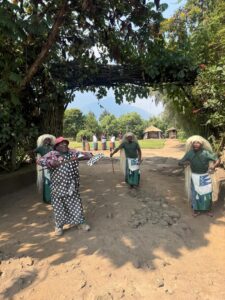
These interactions provide meaningful context to the conservation story. By participating in cultural tourism, visitors contribute to local livelihoods, reducing dependence on activities that once threatened wildlife. This model has become a global example of how tourism can support both people and nature.
Rwandan dance and music are central to these cultural experiences. The rhythmic drumming, energetic Intore dance, and colorful traditional attire create a lively atmosphere that reflects the country’s heritage. Visitors are often invited to participate, making the experience interactive and memorable rather than purely observational.
Food also plays an important role in cultural immersion. Travelers have the opportunity to taste traditional Rwandan dishes such as isombe, brochettes, and ugali. Sharing meals with local families or at community-run lodges fosters genuine connections and offers insight into everyday life in rural Rwanda.
In addition to cultural villages, many itineraries include visits to local markets and craft cooperatives. These visits allow travelers to see how handmade baskets, pottery, and textiles are created. Purchasing these items directly supports artisans and preserves traditional skills passed down through generations.
Another enriching experience is learning about Rwanda’s history and resilience. While gorilla safaris focus on nature, cultural extensions often include visits to memorial sites or storytelling sessions with local guides. These narratives highlight the country’s journey toward unity and reconciliation, adding depth to the travel experience.
Nature lovers can also complement gorilla trekking with other activities such as golden monkey tracking or guided nature walks. These excursions provide additional opportunities to explore the biodiversity of the region while still remaining connected to the broader conservation effort.
Accommodation during these safaris ranges from eco-lodges to luxury retreats, many of which are designed with sustainability in mind. These lodges often employ local staff, source food locally, and support community initiatives, further reinforcing the link between tourism and development.
What makes Rwanda unique is its accessibility and organization. Unlike some other safari destinations, gorilla trekking here is relatively efficient, with well-managed permits and experienced guides ensuring safety and minimal environmental impact. This structure allows visitors to focus fully on the experience.
The small size of Rwanda also means that travelers can combine multiple experiences within a short period. In just a few days, one can trek gorillas, engage in cultural activities, and explore scenic landscapes such as lakes and rolling hills.
Photography enthusiasts find Rwanda especially rewarding. The mist-covered mountains, lush greenery, and expressive cultural performances provide endless opportunities for capturing powerful images. Yet, many visitors find that the emotional impact of the journey goes beyond what can be captured on camera.
Sustainability remains at the core of Rwanda’s tourism strategy. A portion of gorilla trekking fees is reinvested into conservation and community projects. This ensures that future generations will continue to benefit from both the natural and cultural heritage of the region.
Ultimately, Rwanda gorilla safaris with cultural experiences offer a holistic journey. They combine adventure, education, and human connection in a way that few destinations can match. Travelers leave not only with memories of incredible wildlife encounters but also with a deeper understanding of the people who call this remarkable country home. With Unique Africa Ventures, You Explore Like Never Before!
For more Info, CONTACT US TODAY AND TALK WITH TOUR CONSULTANT:
Call or WhatsApp: +250 794 128 369
Related Posts