
Affordable Rwanda Safari Adventures Rwanda is one of Africa’s most rewarding destinations for travelers who…
Big Five Safaris in Rwanda: What Animals Can You Really See?
When people talk about African safaris, the phrase “Big Five” almost always comes up. Originally coined by hunters to describe the five most difficult animals to hunt on foot—lion, leopard, elephant, buffalo, and rhinoceros—the term has since evolved into a bucket-list checklist for wildlife lovers. In Rwanda, a country more famously associated with mountain gorillas, many travelers are surprised to learn that you can see the Big Five. But the experience here is a little different—more intimate, more subtle, and deeply tied to conservation success stories.
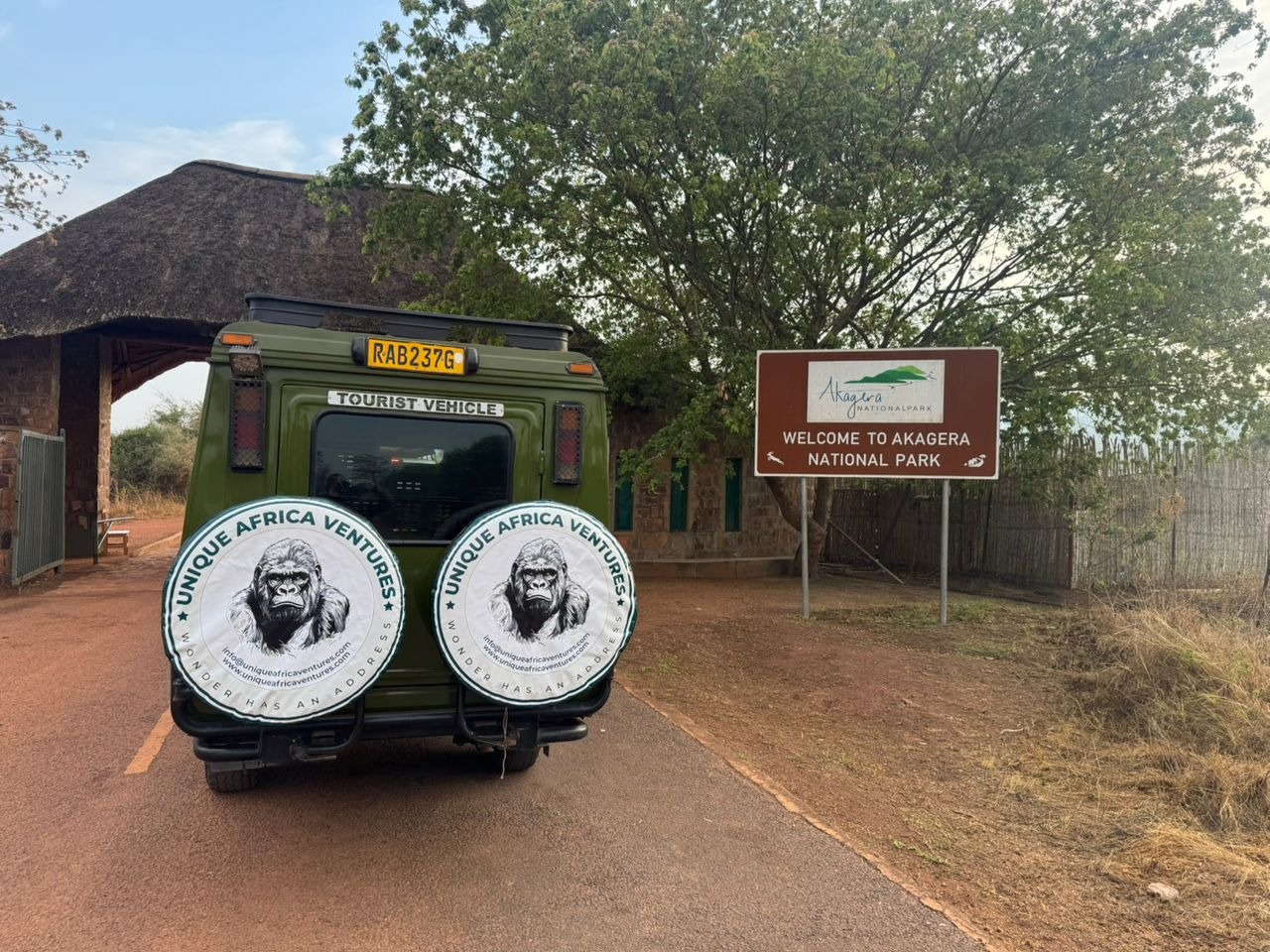
The heart of Big Five safaris in Rwanda lies in Akagera National Park, a protected savannah ecosystem in the eastern part of the country. Unlike the misty mountains of Volcanoes National Park, Akagera offers classic safari landscapes—open plains, acacia woodlands, wetlands, and lakes. This diversity of habitats is what makes it possible for such a wide range of animals, including the Big Five, to thrive.
Let’s start with lions. Lions were once extinct in Rwanda due to poaching and human-wildlife conflict, but in 2015, they were successfully reintroduced into Akagera. Today, sightings of lions are increasingly common, especially during early morning or late afternoon game drives. While you won’t see huge prides like in the Serengeti, the lions here are thriving and breeding, making each sighting feel meaningful rather than routine.
Leopards are arguably the most elusive of the Big Five in Rwanda. These solitary, nocturnal predators are present in Akagera, but spotting one requires patience, luck, and often a skilled guide. They tend to stay hidden in dense vegetation or high up in trees during the day. For many visitors, just knowing they are there adds a sense of mystery and excitement to every drive.
Elephants, on the other hand, are one of the more reliably seen Big Five animals in Rwanda. Herds of African savannah elephants roam freely across Akagera, often spotted near water sources or crossing open plains. Their presence is hard to miss—large, social, and constantly moving, they offer some of the most memorable encounters for safari-goers.
Buffalo are perhaps the easiest of the Big Five to find in Rwanda. Large herds of African buffalo graze across the park, sometimes numbering in the hundreds. Their sheer size and unpredictable nature make them one of the more dangerous animals in the wild, but from the safety of a safari vehicle, they’re fascinating to observe.
Rhinos are the most recent addition to Rwanda’s Big Five success story. Both black and white rhinos have been reintroduced into Akagera after years of absence. Seeing a rhino here is a powerful reminder of conservation efforts paying off. They are closely monitored and protected, so sightings are possible but not guaranteed—again adding to the sense of privilege when you do encounter one.
Beyond the Big Five, Rwanda’s safari experience is rich with other wildlife. You’ll likely see giraffes, zebras, antelope species like impalas and topis, and even hippos lounging in the lakes. Birdwatchers are especially rewarded, with over 500 bird species recorded in Akagera. This broader ecosystem makes the safari feel complete, rather than just a checklist of five animals.
One of the defining features of safaris in Rwanda is how uncrowded they are. Compared to more famous safari destinations like Kenya or Tanzania, Akagera receives fewer visitors. That means you can often spend extended time observing animals without a line of vehicles around you. It’s a quieter, more personal experience that many travelers find more rewarding.
Another aspect that sets Rwanda apart is its strong conservation model. Akagera National Park is managed in partnership with African Parks, which has played a crucial role in restoring wildlife populations and protecting the park. Anti-poaching measures, community engagement, and sustainable tourism have all contributed to the park’s revival.
Accessibility is also a major advantage. From Kigali, it takes only about 2–3 hours by road to reach Akagera. This makes it possible to combine a Big Five safari with other experiences in Rwanda, such as gorilla trekking or cultural tours, within a relatively short trip.
That said, expectations should be managed. Rwanda is not the place for massive herds stretching across the horizon or constant predator action. Instead, it offers a more subtle and evolving safari environment. The thrill comes from the unpredictability—each sighting feels earned rather than guaranteed.
Seasonality also plays a role in what you might see. During the dry season, animals tend to gather around water sources, making them easier to spot. In the wet season, the landscape becomes lush and green, but animals may be more dispersed. Each season has its own appeal, depending on what kind of experience you’re looking for.
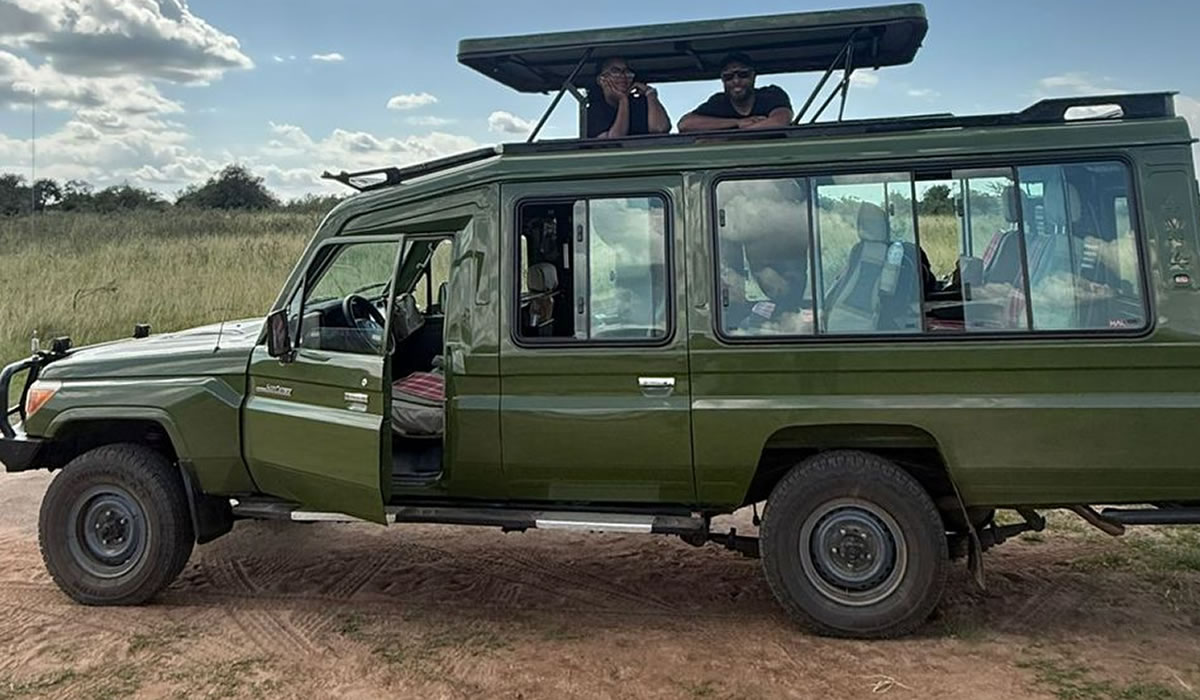
Guided game drives are the main way to explore Akagera, and having a knowledgeable guide significantly increases your chances of seeing the Big Five. Many guides are deeply familiar with animal movements and behavior, and they often communicate with each other to track sightings across the park.
Boat safaris on Lake Ihema add another dimension to the experience. While not directly related to the Big Five, they offer close encounters with hippos, crocodiles, and water birds. It’s a relaxing contrast to the intensity of game drives and highlights the park’s ecological diversity.
For travelers who prioritize exclusivity and conservation over sheer volume of wildlife, Rwanda delivers something special. The story of bringing back lions and rhinos, in particular, adds emotional depth to the experience—you’re not just observing wildlife, you’re witnessing recovery and resilience.
In the end, yes—you really can see the Big Five in Rwanda. But more importantly, you’ll experience them in a setting that feels authentic, uncrowded, and deeply connected to conservation success. It’s not about ticking off animals as quickly as possible; it’s about understanding the landscape, the efforts behind it, and the quiet magic of encountering wildlife on its own terms. With Unique Africa Ventures, You Explore Like Never Before!
For more Info, CONTACT US TODAY AND TALK WITH TOUR CONSULTANT:
Call or WhatsApp: +250 794 128 369
Related Posts