
Chimpanzee Trekking Permits in Rwanda: Complete Booking Guide 1. Chimpanzee Trekking in Rwanda: An Unforgettable…
Best Time for Chimpanzee Trekking in Nyungwe Forest
Best Time for Chimpanzee Trekking in Nyungwe Forest: The Complete Guide for an Unforgettable Adventure
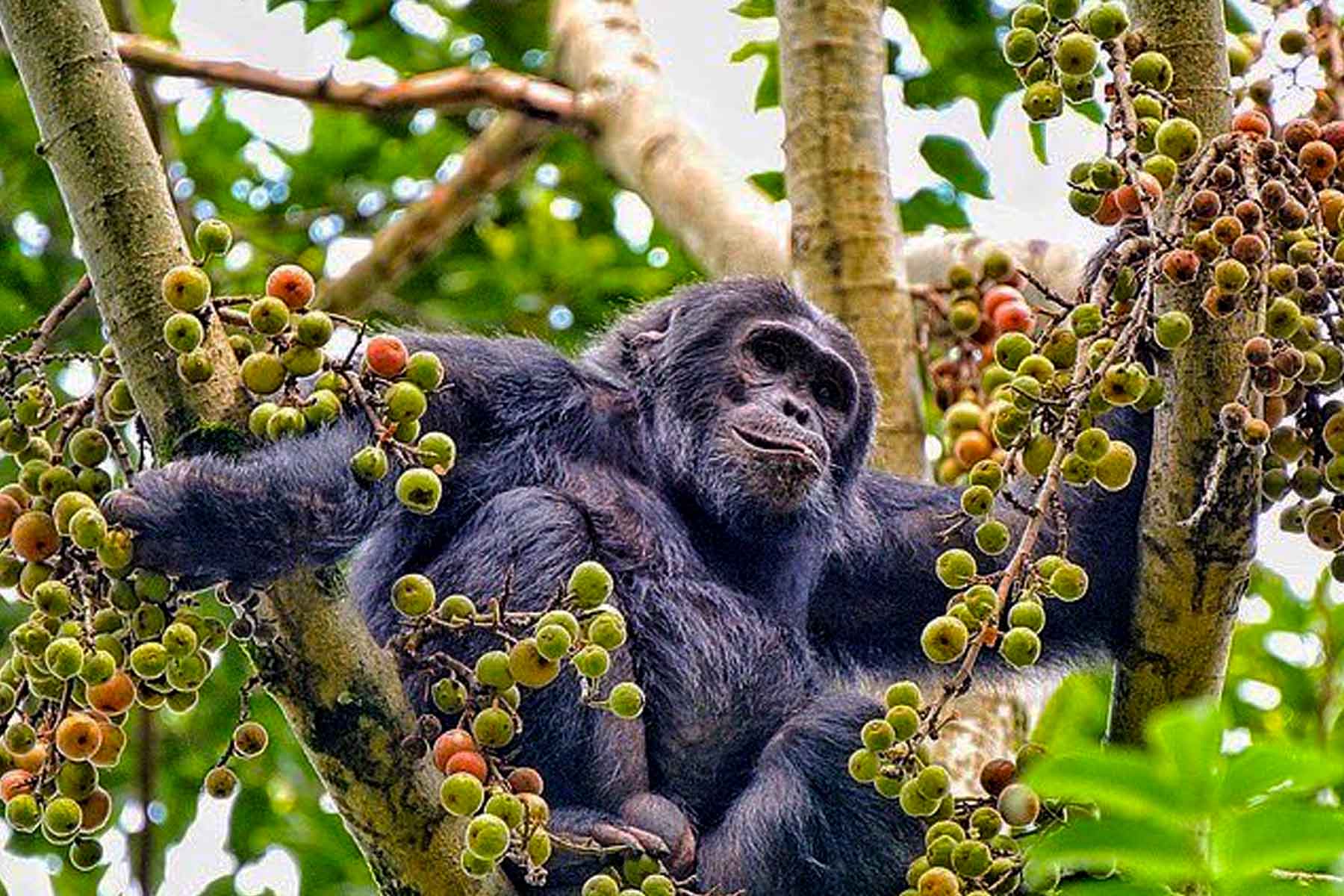
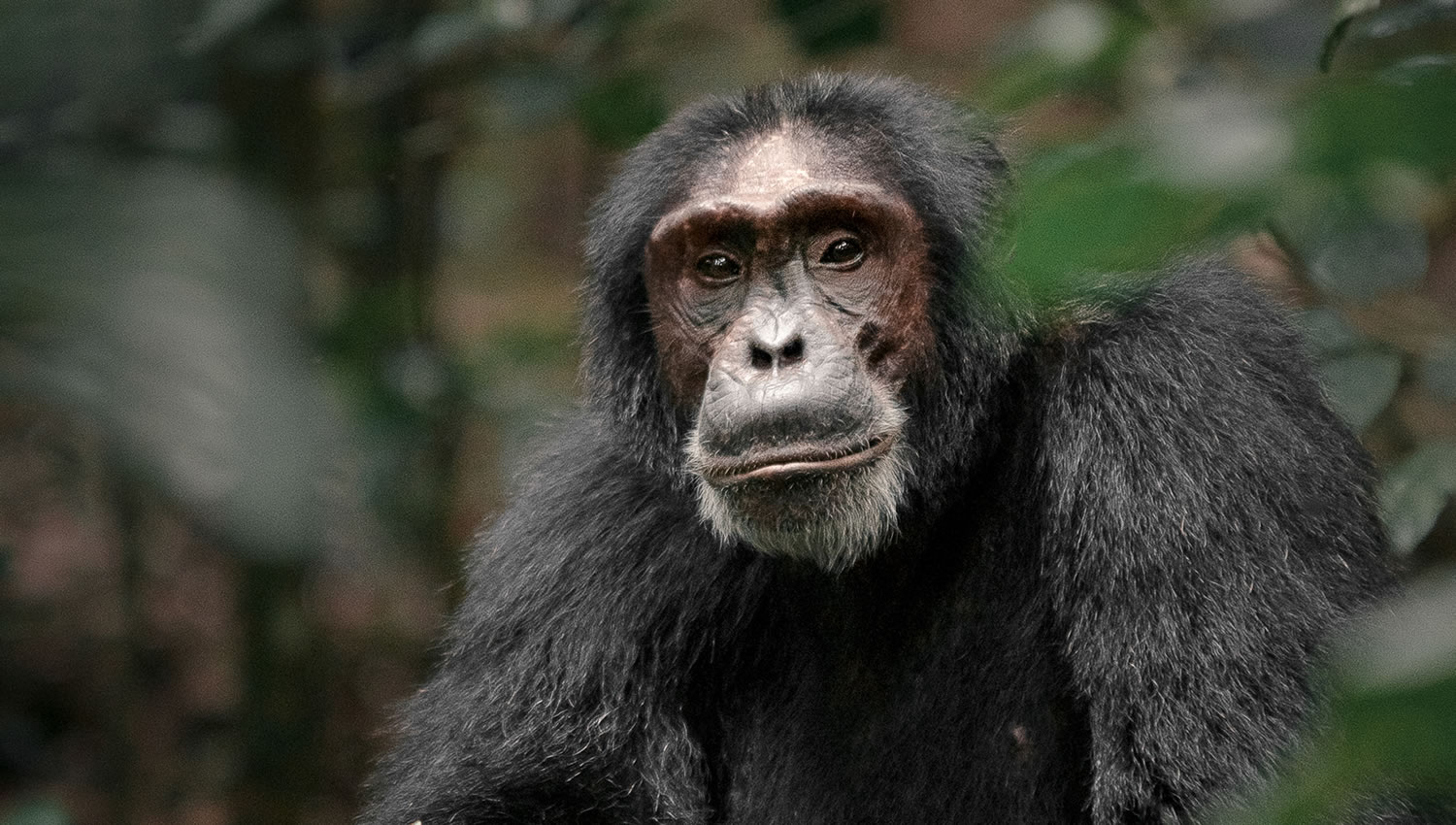
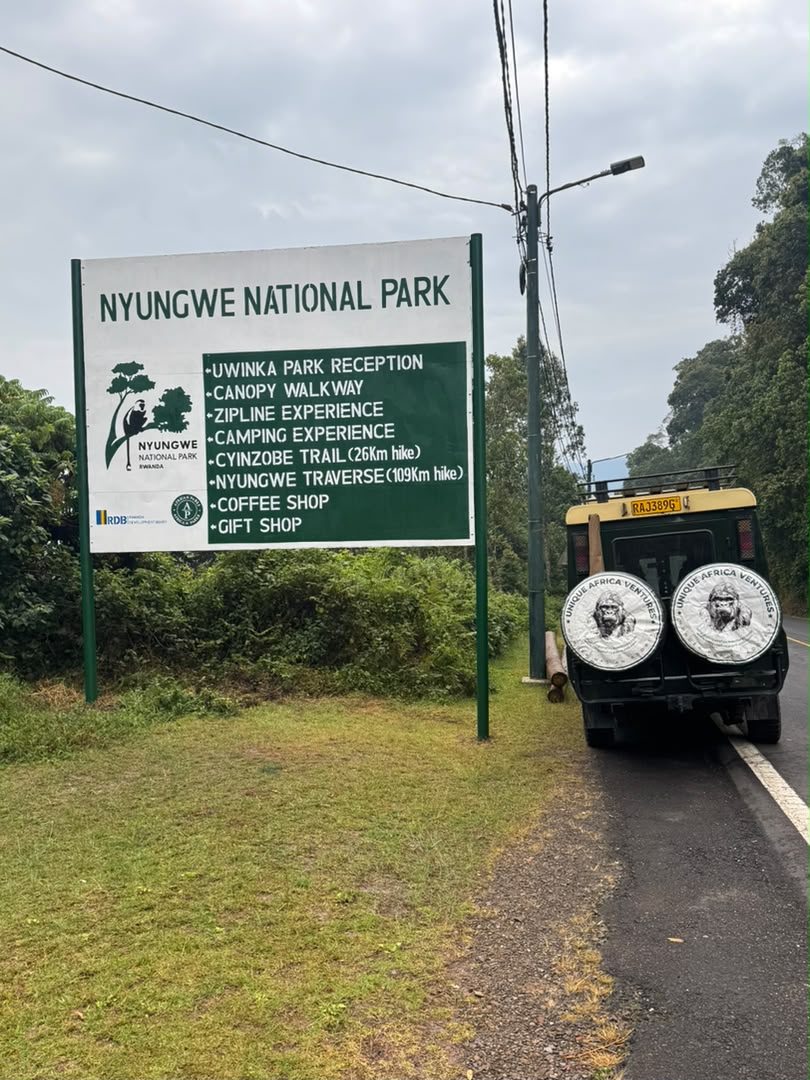
Chimpanzee trekking in Nyungwe Forest National Park is one of the most exciting wildlife experiences in Rwanda. Hidden within one of Africa’s oldest tropical rainforests, Nyungwe Forest is home to a thriving population of wild chimpanzees, along with 12 other primate species, hundreds of bird species, beautiful waterfalls, and breathtaking hiking trails. Every year, thousands of travelers visit this remarkable rainforest hoping to witness chimpanzees swinging through the trees, communicating with loud calls, and interacting naturally in their forest habitat.
Choosing the best time for chimpanzee trekking in Nyungwe Forest can significantly improve your experience. Weather conditions, forest accessibility, fruit availability, and chimpanzee movements all vary throughout the year. While chimpanzee trekking is available year-round, some months provide easier hiking conditions and higher chances of finding the chimpanzees quickly.
This comprehensive guide explains everything you need to know about the best seasons, weather patterns, trekking conditions, wildlife experiences, photography opportunities, travel tips, and what to expect during your unforgettable adventure in Nyungwe Forest National Park.
Why Visit Nyungwe Forest for Chimpanzee Trekking?
Nyungwe Forest National Park is considered one of the most biodiverse rainforests in East Africa. Covering over 1,000 square kilometers of lush montane rainforest, it protects one of Africa’s oldest ecosystems that has survived for millions of years.
The park offers visitors an authentic wildlife experience unlike traditional safari destinations. Instead of searching for animals across open plains, visitors venture deep into dense rainforest where chimpanzees live naturally among towering trees, vines, bamboo forests, and colorful vegetation. Chimpanzee trekking here provides close encounters with our closest living relatives. Their intelligence, social behavior, playful interactions, and expressive communication make every trek memorable.
Understanding Rwanda’s Climate
To determine the best time for chimpanzee trekking, it’s important to understand Rwanda’s climate. Rwanda enjoys a mild tropical highland climate due to its elevated altitude. Nyungwe Forest sits between 1,600 and 2,950 meters above sea level, creating cooler temperatures than many African destinations.
The park experiences two dry seasons and two rainy seasons each year. The major dry season runs from June through September. The short dry season occurs between December and February. The long rainy season lasts from March until May.The short rainy season occurs from October through November. Each season creates unique trekking experiences.
Best Time for Chimpanzee Trekking: Dry Season
The dry season is widely regarded as the best time for chimpanzee trekking in Nyungwe Forest. During these months, rainfall decreases significantly, making hiking trails less slippery and easier to navigate.
Because the forest floor becomes drier, visitors can walk comfortably without struggling through muddy terrain. Chimpanzee tracking teams also move faster, allowing guides to locate chimpanzee families more efficiently.
Dry weather increases visibility inside the rainforest, making photography much easier.Most international visitors choose the dry season because it combines pleasant temperatures with excellent trekking conditions.
June to September: Peak Chimpanzee Trekking Season
The months from June to September are considered the absolute peak season for chimpanzee trekking in Rwanda. During this period, daytime temperatures remain comfortable while rainfall is relatively low. Forest trails remain accessible, allowing visitors to hike with greater ease.
Although chimpanzees continue moving throughout the forest in search of food, experienced trackers usually locate them quickly using fresh nests, feeding signs, and vocalizations. Accommodation around Nyungwe often fills up months in advance during this period, so early booking is highly recommended.
December to February: Another Excellent Time to Visit
The shorter dry season between December and February also offers excellent conditions for chimpanzee trekking. The weather remains pleasant with occasional light showers that rarely disrupt trekking activities.
The forest appears lush and vibrant, creating stunning scenery for photographers and nature lovers. Many visitors combine chimpanzee trekking with gorilla trekking in Volcanoes National Park during this season because both destinations enjoy favorable weather. Holiday travelers should reserve permits and accommodations well ahead of time due to increased demand.
Can You Trek During the Rainy Season?
Absolutely. Chimpanzee trekking in Nyungwe Forest takes place throughout the year, including the rainy seasons. Rainfall often occurs during the afternoon, while most chimpanzee treks begin early in the morning before heavy rain develops.
Some visitors actually prefer the rainy season because fewer tourists visit the park, resulting in a quieter and more intimate experience. The rainforest becomes incredibly green, waterfalls flow at full strength, and birdlife becomes especially active. Although trails may become muddy and slippery, experienced guides ensure visitor safety throughout the trek.
Advantages of Visiting During the Rainy Season
Travelers who visit Nyungwe during the rainy season enjoy several unique benefits. Accommodation prices are often lower than during peak season. Chimpanzee trekking permits remain readily available. The rainforest reaches its most beautiful stage, with dense vegetation and vibrant plant life.
Photographers appreciate the rich colors created by fresh rainfall.Birdwatchers also benefit because many migratory bird species are present during these months. If you don’t mind occasional rain and muddy hiking trails, the rainy season can offer a rewarding adventure.
How Weather Affects Chimpanzee Behavior
Weather directly influences chimpanzee movements inside Nyungwe Forest. During periods of abundant fruit availability, chimpanzees may travel longer distances while foraging across different sections of the forest.
On cooler mornings, they often remain active for extended periods before resting later in the day. Heavy rainfall may temporarily reduce movement, causing chimpanzees to shelter beneath dense forest canopies.
Fortunately, professional trackers begin searching before sunrise, greatly increasing the likelihood of locating the chimpanzee communities regardless of weather conditions.
Best Time for Wildlife Photography
Wildlife photographers generally prefer the dry seasons. Reduced rainfall means cameras and equipment remain protected. Sunlight filters beautifully through the forest canopy, producing dramatic lighting conditions.
Chimpanzees are easier to photograph when visibility improves and fewer leaves obstruct camera views. Morning light is especially attractive for capturing detailed images of chimpanzees interacting naturally. Visitors should carry waterproof camera protection since rainforest weather can change rapidly.
Bird Watching Alongside Chimpanzee Trekking
Nyungwe Forest is not only famous for chimpanzees but also for exceptional birdwatching. The park protects more than 320 bird species, including many Albertine Rift endemics found nowhere else.
The rainy season often provides the best birdwatching opportunities because breeding activity increases while vegetation supports abundant insect life. Many visitors combine chimpanzee trekking with guided birding walks for a complete rainforest experience. Nature enthusiasts frequently describe Nyungwe as one of Africa’s finest birdwatching destinations.
Trail Conditions Throughout the Year
Trail conditions vary considerably depending on rainfall. During dry months, forest paths remain relatively firm, making hiking less physically demanding. Rainy months create muddy trails that require sturdy waterproof hiking boots and walking poles.
Some sections become slippery due to wet roots and fallen leaves. Despite these challenges, park guides adjust trekking routes according to current conditions to maximize both safety and visitor success. Being physically prepared enhances the overall trekking experience regardless of season.
What to Pack for Chimpanzee Trekking
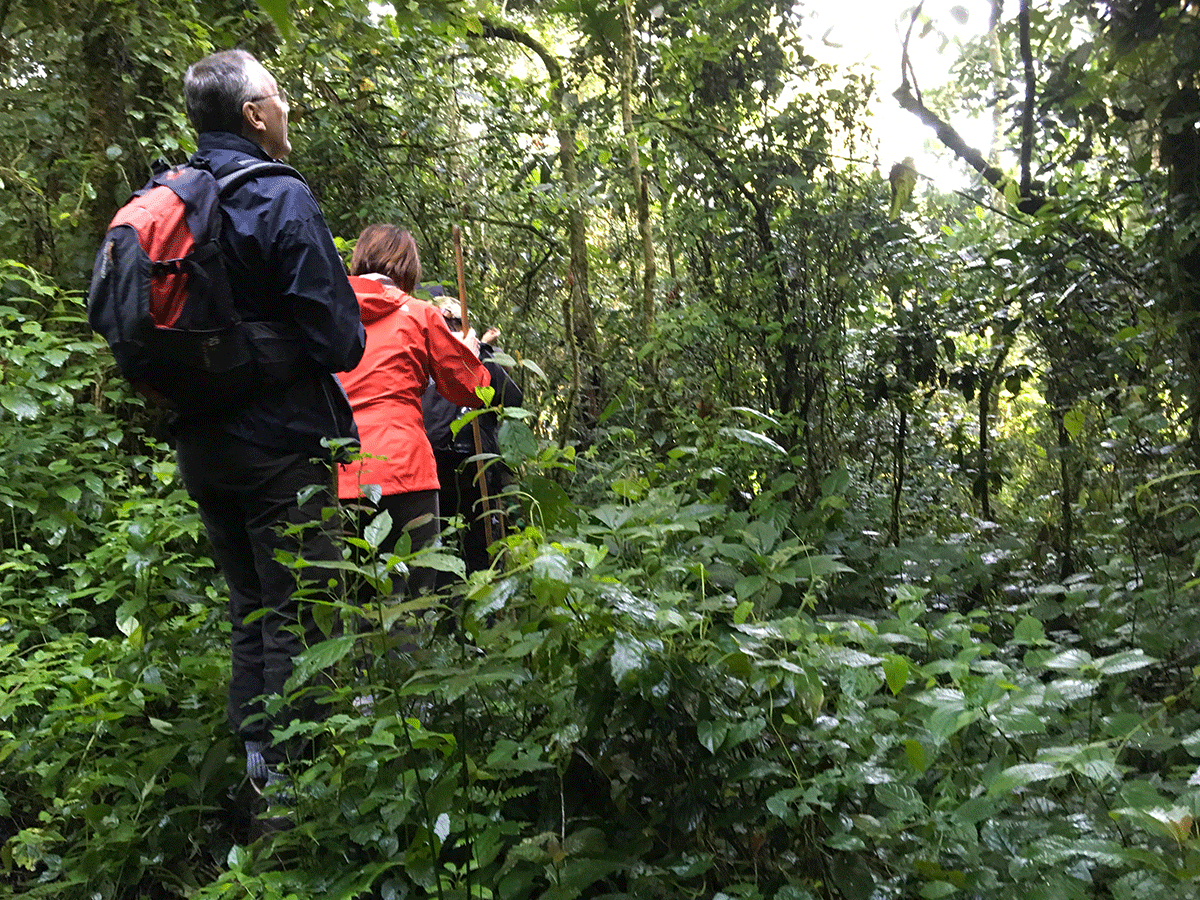
Packing appropriately is essential for a comfortable rainforest adventure. Visitors should wear waterproof hiking boots with strong grip, long trousers, lightweight long-sleeved shirts, and a waterproof rain jacket. Gardening gloves or trekking gloves help when holding branches during steep climbs.
A small backpack should contain drinking water, energy snacks, insect repellent, sunscreen, a hat, binoculars, and waterproof covers for cameras or electronics. Even during the dry season, rain can occur unexpectedly, making waterproof gear essential.
How Difficult Is Chimpanzee Trekking?
Chimpanzee trekking in Nyungwe is considered moderately challenging. Unlike gorilla trekking, chimpanzees move quickly through the forest, meaning visitors often hike at a faster pace. Treks may last anywhere from one to five hours depending on the chimpanzees’ location.
Steep hills, uneven terrain, and dense vegetation require a reasonable level of fitness. Experienced guides maintain manageable hiking speeds and assist visitors throughout the journey. The excitement of finally encountering wild chimpanzees makes every step worthwhile.
Tips for Planning the Perfect Chimpanzee Trek
Successful chimpanzee trekking begins with proper planning. Reserve permits several months in advance if traveling during peak season. Choose accommodations close to the park headquarters to minimize early morning travel.
Arrive the day before your trek to allow time for rest and orientation. Listen carefully to your guide’s safety briefing and always follow park regulations while observing chimpanzees. Maintaining a respectful distance helps protect both visitors and wildlife while ensuring sustainable tourism.
When Is the Best Time for Chimpanzee Trekking in Nyungwe Forest?
The best time for chimpanzee trekking in Nyungwe Forest depends largely on your travel preferences. If you want easier hiking conditions, clearer photography opportunities, and more predictable weather, plan your visit during the dry seasons from June to September or December to February. These months provide excellent trekking conditions and are especially popular with international travelers.
If you prefer fewer crowds, lush rainforest scenery, vibrant birdlife, and potentially lower travel costs, the rainy seasons from March to May and October to November can also offer an exceptional experience. Although trails may be muddier, chimpanzee trekking continues throughout the year, and skilled trackers work daily to locate the habituated chimpanzee groups.
No matter when you visit, Nyungwe Forest National Park offers one of Africa’s most remarkable wildlife adventures. Standing quietly beneath the towering rainforest canopy while watching wild chimpanzees communicate, forage, and play in their natural environment is an experience that leaves a lasting impression. With thoughtful planning, the right gear, and a sense of adventure, your chimpanzee trekking journey in Nyungwe Forest is sure to become one of the highlights of your visit to Rwanda. With Unique Africa Ventures, You Explore Like Never Before!
For more Info, CONTACT US TODAY AND TALK WITH TOUR CONSULTANT:
Call or WhatsApp: +250 794 128 369
Related Posts