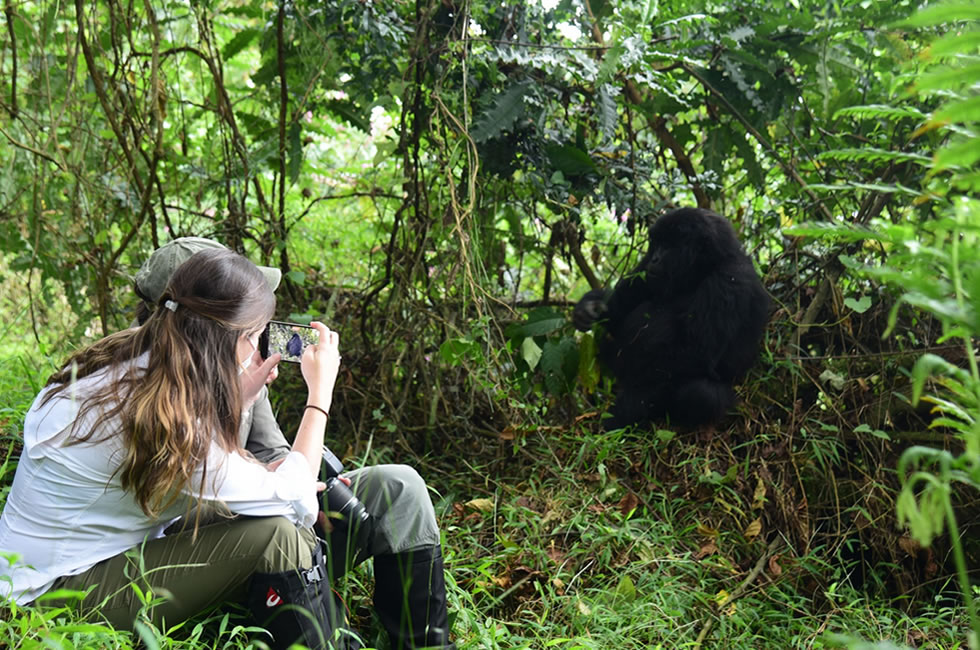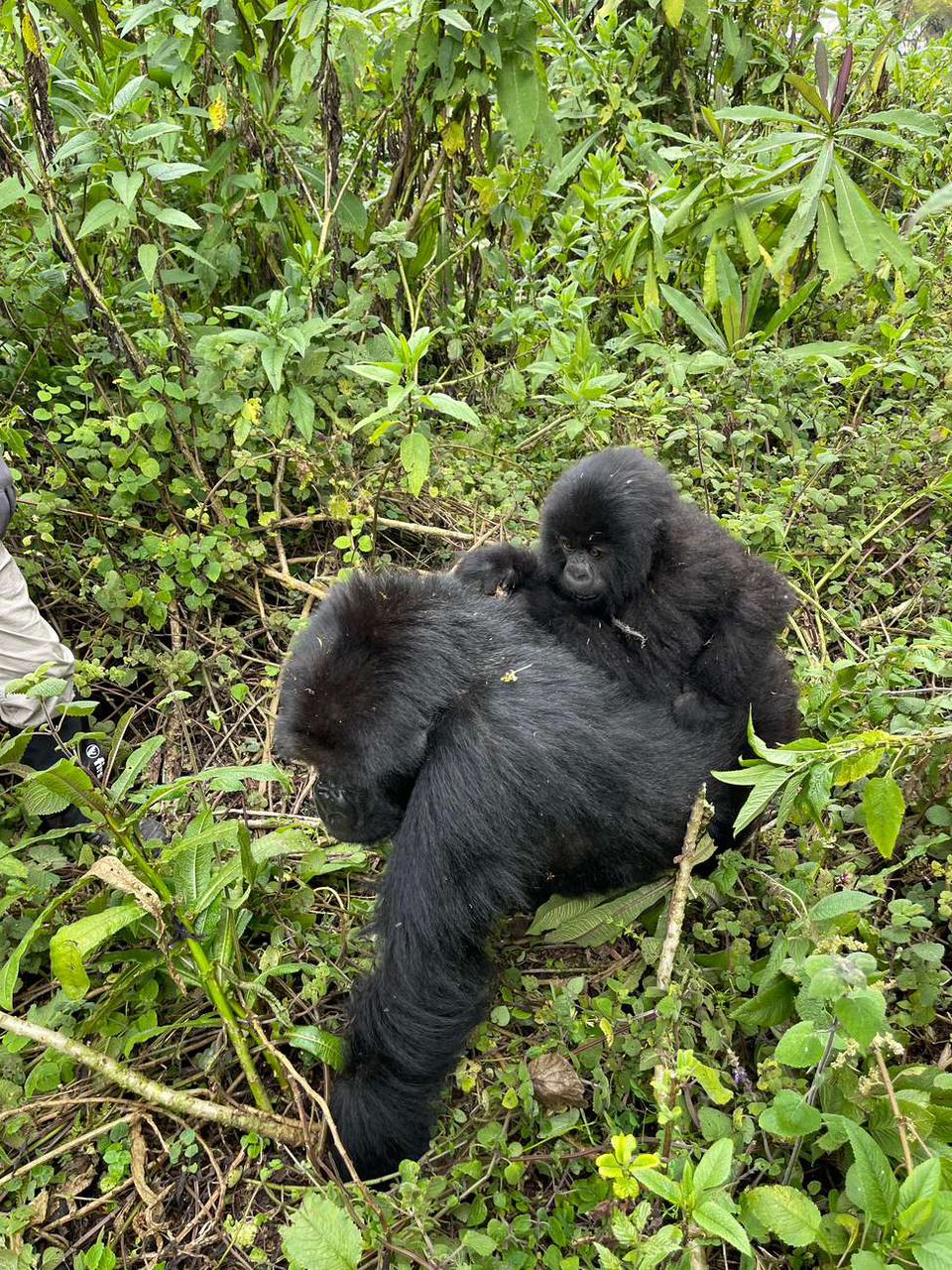

Gorilla trekking in Rwanda is one of the most powerful wildlife experiences in the world,…
Why Gorilla Trekking Permits Are Expensive – Real Conservation Impact
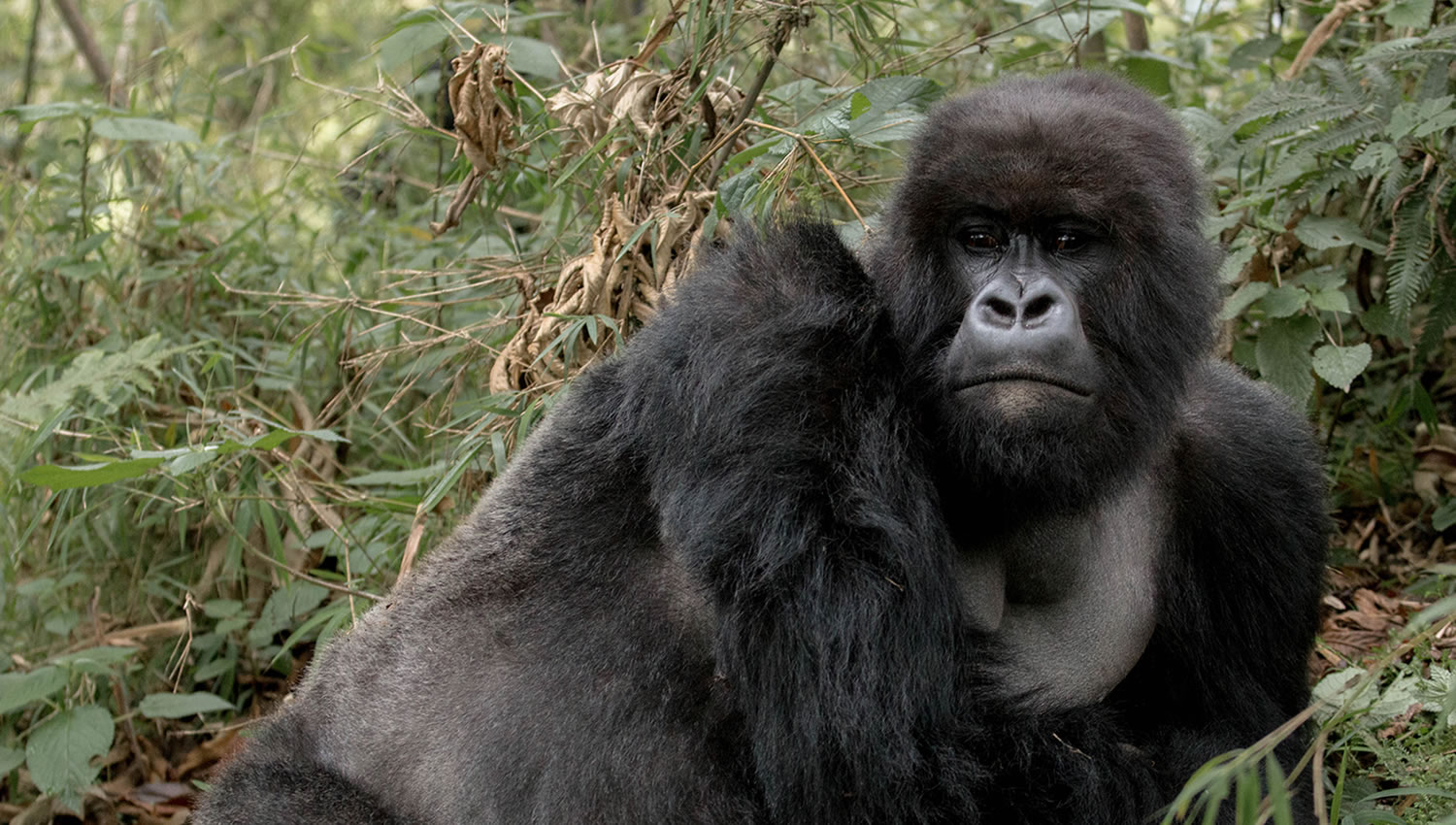
Gorilla trekking permits are expensive for a reason that goes far beyond tourism pricing. In countries where mountain gorillas still survive—mainly Rwanda, Uganda, and the Democratic Republic of Congo—the permit fee is directly tied to one of the most successful wildlife conservation programs in Africa. The high cost is not arbitrary; it is a carefully designed mechanism that funds protection, supports local communities, and ensures that tourism does not endanger the very animals visitors come to see.
One of the main reasons permits are costly is that mountain gorillas are critically endangered and exist in very limited habitats. Populations are small, slowly recovering, and highly sensitive to human disturbance. Parks such as Volcanoes National Park, Bwindi Impenetrable National Park, and Virunga National Park require intensive conservation efforts. Rangers must patrol daily to prevent poaching, remove snares, monitor gorilla health, and track illegal activity. These operations are expensive, labor-intensive, and often dangerous. The permit fee is one of the primary ways these costs are covered.
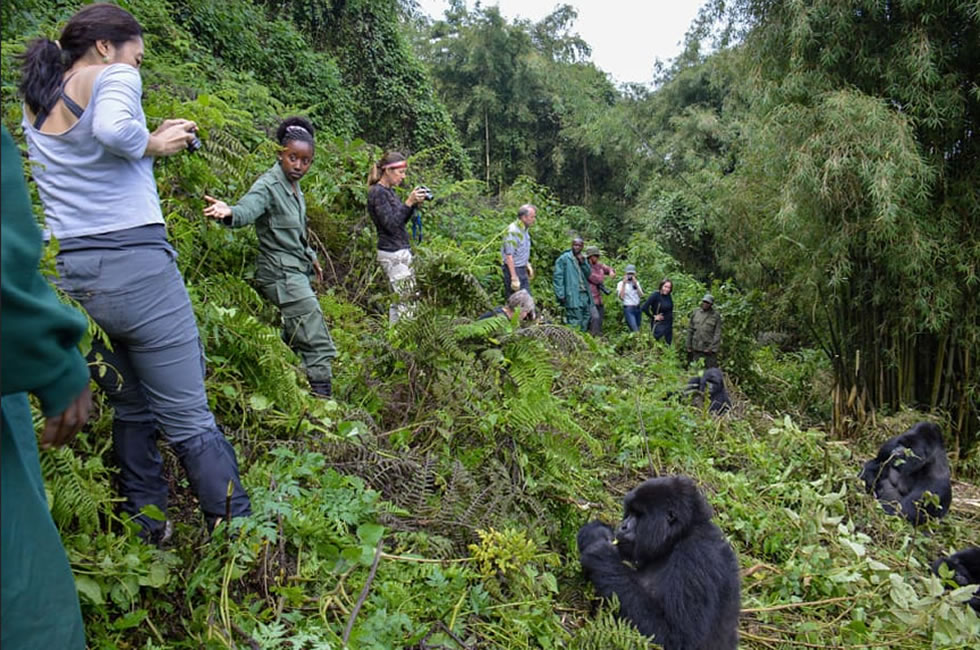
Another major factor is that gorilla trekking is intentionally kept low-volume. Only a limited number of permits are issued per gorilla family per day, and only a small number of tourists are allowed to visit each group. This strict regulation reduces stress on the gorillas and minimizes disease transmission from humans, which is a serious threat because gorillas share a high percentage of DNA with humans and are vulnerable to human illnesses. The high price naturally limits visitor numbers, helping maintain a controlled, low-impact tourism model.
A significant portion of permit revenue goes directly to conservation programs. This includes funding anti-poaching patrols, veterinary interventions, habitat restoration, and scientific research. In many cases, conservation teams can only operate effectively because tourism revenue exists. Without it, national parks would struggle to pay rangers or maintain protected areas, making gorillas far more vulnerable to poaching and habitat destruction.
Local communities also benefit directly from permit income, which is a key reason the system works. A share of the revenue is often allocated to nearby villages for schools, healthcare facilities, roads, and clean water projects. This reduces human-wildlife conflict and increases community support for conservation. When local people see tangible benefits from gorilla tourism, they are more likely to protect forests rather than encroach on them or support illegal hunting.
The cost also reflects the logistical difficulty of gorilla trekking. Treks can last several hours through dense rainforest, steep terrain, and unpredictable weather. Infrastructure such as ranger stations, trails, safety systems, and emergency response teams must be maintained continuously. Guides, trackers, and armed rangers accompany each group, ensuring both visitor safety and gorilla protection. All of this operational support is built into the permit price.
Another often overlooked reason is that gorilla tourism is a premium, specialized experience with extremely high demand. Mountain gorillas are found in only a few places in the world, and encountering them in the wild is considered one of the rarest wildlife experiences on Earth. Because supply is limited and demand is global, prices naturally remain high. However, unlike purely commercial pricing, the revenue is reinvested into conservation rather than private profit maximization.
Importantly, the system has shown measurable success. Mountain gorilla populations, once critically close to extinction, have been slowly increasing in recent years due to sustained conservation funding. This is one of the few examples globally where high-value tourism has directly contributed to the recovery of an endangered species. Without expensive permits, it is unlikely that such intensive protection efforts could be sustained over decades.
In summary, gorilla trekking permits are expensive because they are not just travel tickets—they are conservation tools. They fund protection teams, support local communities, regulate tourism pressure, and help ensure the survival of one of the world’s most endangered great apes. The high cost is essentially what makes it possible for future generations to still experience wild gorillas in their natural habitat.
CONTACT US TODAY AND TALK WITH TOUR CONSULTANT:
Call or WhatsApp: +250 794 128 369
Related Posts