
Unforgettable Rwanda and Uganda Safari Holidays Discover the incredible landscapes, wildlife, cultures, and unforgettable adventures…
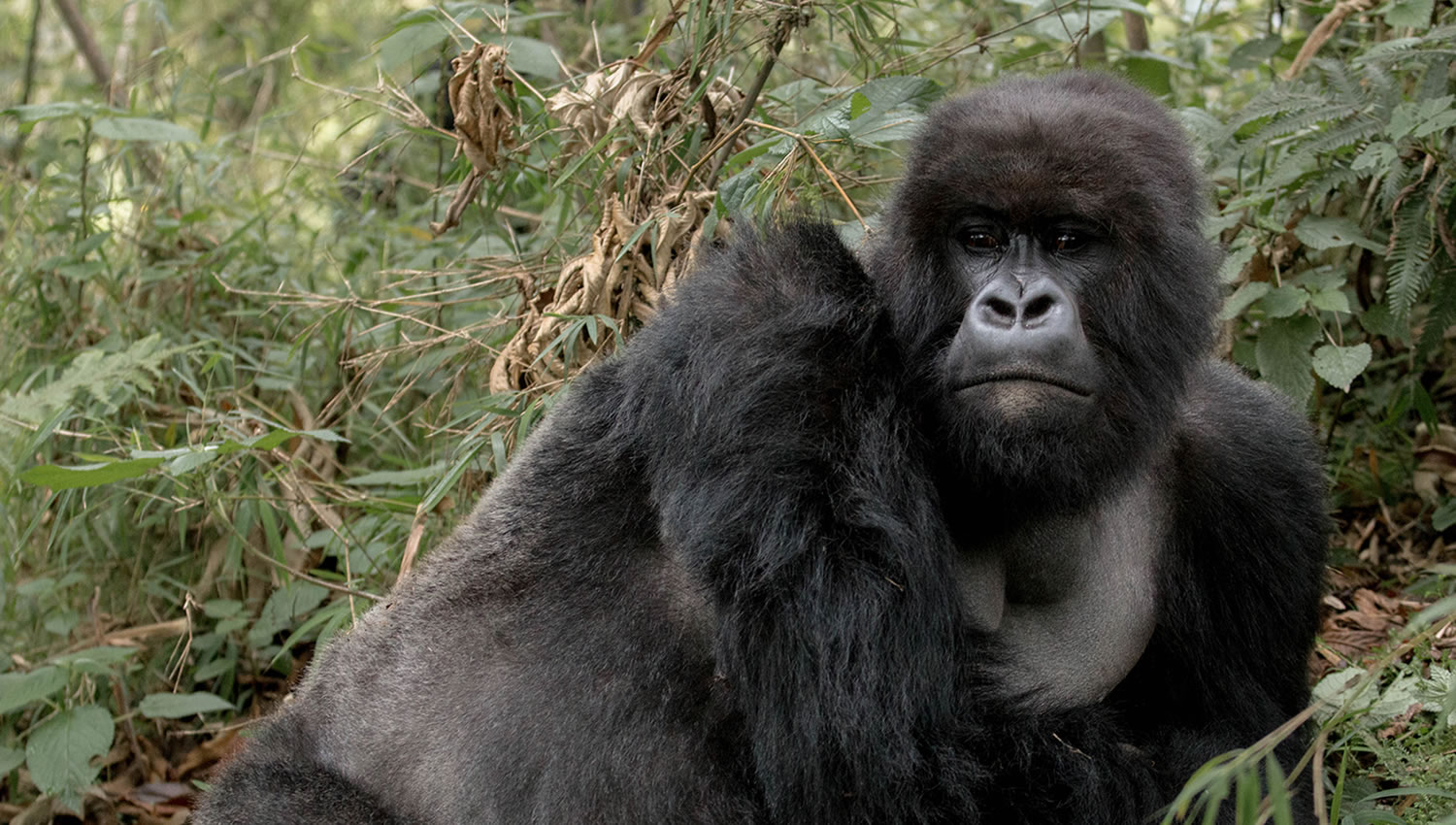
How Many Gorilla Families Are in Volcanoes National Park?
Volcanoes National Park is one of the most famous conservation areas in Africa, primarily known for its population of endangered mountain gorillas. Located in the Virunga Mountains in northwestern Rwanda, this park forms part of a larger transboundary ecosystem that extends into Uganda and the Democratic Republic of Congo. It plays a crucial role in the survival of mountain gorillas, a species once on the brink of extinction.
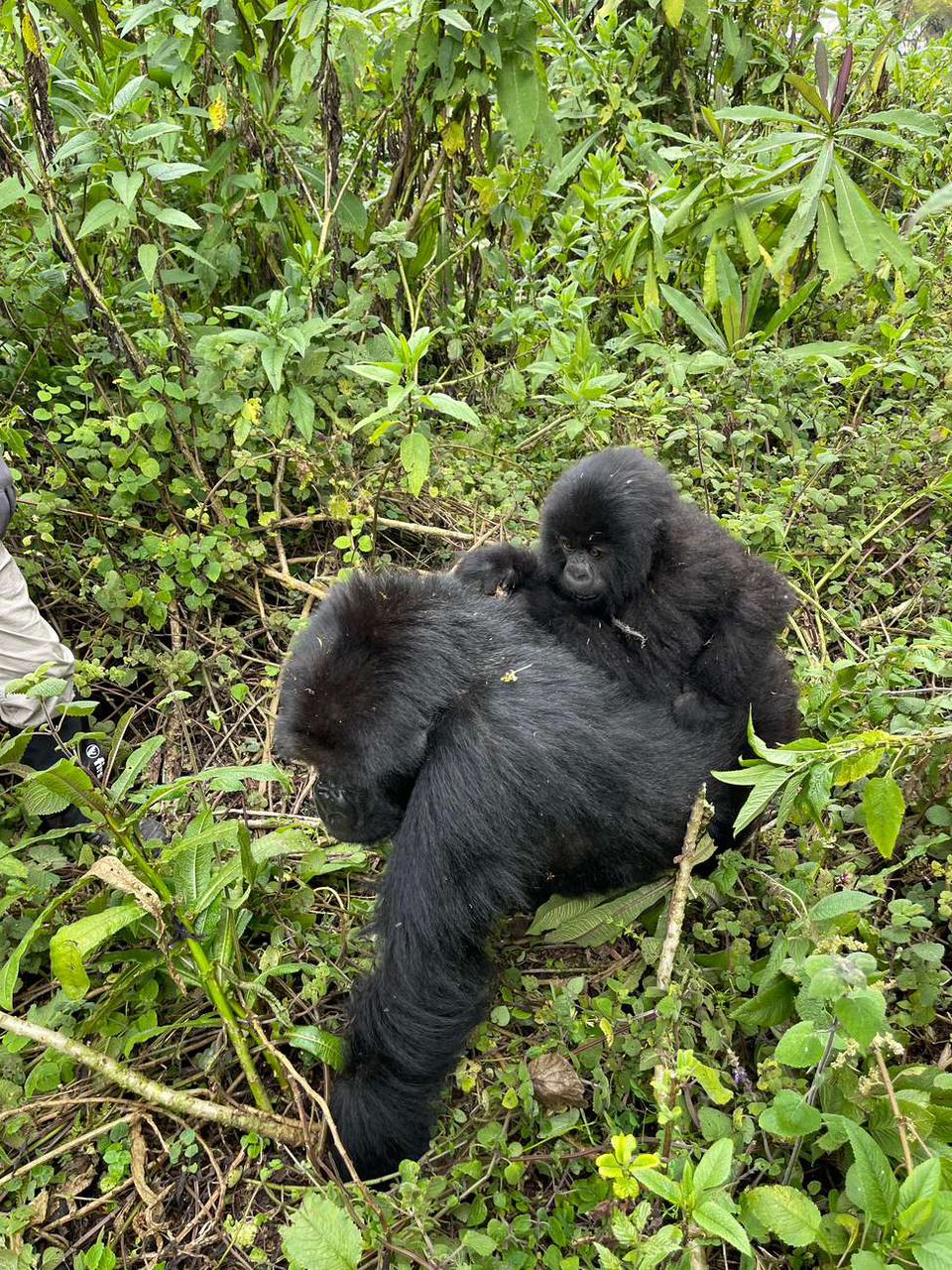
The number of gorilla families (also known as habituated groups) in Volcanoes National Park can change over time due to births, deaths, group splits, and ongoing conservation efforts. However, in recent years, there have generally been around 12 to 15 habituated gorilla families available for tourism and research in the park. These are the groups that have undergone a careful process of habituation, allowing humans to observe them safely without causing stress or behavioral changes.
Habituation is a slow and sensitive process that can take several years. During this time, trackers and researchers gradually introduce their presence to a wild gorilla group until the animals become accustomed to humans. This ensures that tourism does not negatively impact the gorillas, while also allowing visitors a rare opportunity to observe them in their natural habitat.
Some well-known gorilla families in Volcanoes National Park include Susa, Amahoro, Sabyinyo, and Kwitonda. Each group has its own unique social structure, led by a dominant silverback male who is responsible for protecting and guiding the family. The size of these families can vary widely, ranging from a few individuals to over 30 members.
The Susa group, for example, is one of the largest and most studied families. It was once researched by Dian Fossey, whose groundbreaking work helped bring global attention to the plight of mountain gorillas. Her research station, Karisoke, was located between Mount Karisimbi and Mount Bisoke within the park.
Tourism plays a vital role in supporting conservation efforts in Volcanoes National Park. Gorilla trekking permits are limited and highly regulated, with only a small number of visitors allowed to visit each habituated family per day. This helps minimize disturbance while generating significant revenue for conservation and local communities.
In addition to the habituated families, there are also several unhabituated gorilla groups living within the park. These groups are not accessible to tourists and are closely monitored by conservationists to ensure their protection. The total number of gorillas in the Virunga region has been steadily increasing thanks to these efforts mostly Rwanda government.
The management of gorilla families involves constant monitoring by park rangers and researchers. They track group movements, health, and social dynamics daily. This information is essential for preventing threats such as poaching, disease transmission, and habitat loss.
Another important aspect of gorilla conservation in Volcanoes National Park is veterinary care. Organizations like the Gorilla Doctors provide medical intervention when necessary, helping injured or sick gorillas recover and survive in the wild.
The park is also part of a broader conservation initiative involving neighboring protected areas such as Virunga National Park and Mgahinga Gorilla National Park. Together, these parks protect the entire mountain gorilla population, which numbers just over 1,000 individuals globally.
Despite the progress, challenges remain. Habitat pressure from human populations, climate change, and the risk of disease transmission (especially respiratory illnesses) continue to threaten gorillas. Strict guidelines are enforced for tourists, including maintaining distance and wearing masks when necessary.
Overall, while the exact number fluctuates, Volcanoes National Park typically has around a dozen or slightly more habituated gorilla families. These families are central to Rwanda’s conservation success story and serve as a powerful example of how sustainable tourism and scientific research can work together to protect endangered species.
CONTACT US TODAY AND TALK WITH TOUR CONSULTANT:
Call or WhatsApp: +250 794 128 369
Related Posts
Discover the Ultimate Rwanda Uganda Safari Adventure A Rwanda Uganda safari is an unforgettable journey…
This 10-day Rwanda and Uganda Gorilla Safari is an unforgettable journey through some of East…