
Affordable Rwanda Safari Adventures Rwanda is one of Africa’s most rewarding destinations for travelers who…
Gorilla Trekking Age Limits and Requirements in Rwanda
Gorilla trekking in Rwanda is one of the most remarkable wildlife experiences in Africa, offering visitors the rare opportunity to observe endangered mountain gorillas in their natural habitat. The activity takes place in Volcanoes National Park, home to several habituated gorilla families that can be visited by tourists under carefully regulated conditions. Because mountain gorillas are highly protected and sensitive to human presence, Rwanda has established strict age limits and participation requirements to ensure the safety of both visitors and the animals. Understanding these rules before planning a trek helps travelers prepare adequately and avoid disappointment upon arrival.
The minimum age requirement for gorilla trekking in Rwanda is 15 years old. This rule is enforced by the Rwanda Development Board, which manages tourism activities within the country’s national parks. Children younger than 15 are not permitted to participate in gorilla trekking regardless of their physical fitness, maturity level, or previous hiking experience. Rangers and park officials verify ages before visitors are assigned to trekking groups, making compliance with the regulation mandatory for all participants.
One of the main reasons for the age restriction is the unpredictable nature of encounters with wild gorillas. Although mountain gorillas are generally peaceful, they remain powerful wild animals capable of displaying defensive behaviors when they feel threatened. Older teenagers are considered more capable of following ranger instructions, remaining calm during close encounters, and responding appropriately if a gorilla approaches unexpectedly. Younger children may react impulsively, potentially creating risks for themselves, other trekkers, and the gorillas.
Another important factor behind the age limit is disease prevention. Mountain gorillas share approximately 98 percent of their DNA with humans, making them highly susceptible to human illnesses. Even common colds, flu, or respiratory infections can pose serious threats to gorilla populations. Younger children often have a higher likelihood of carrying contagious illnesses and may find it difficult to consistently follow health protocols such as covering coughs and sneezes. Restricting participation to individuals aged 15 and above helps reduce these risks.
Physical fitness is another essential requirement for gorilla trekking in Rwanda. While there is no official maximum age limit, all participants must be reasonably fit and capable of hiking through mountainous terrain. Treks can range from one hour to several hours depending on the location of the gorilla family being visited. The terrain often includes steep slopes, muddy trails, dense vegetation, and high-altitude conditions. Visitors should be prepared for a physically demanding experience that may require endurance and determination.
Older travelers frequently participate in gorilla trekking successfully. Rwanda welcomes visitors in their sixties, seventies, and even eighties, provided they are healthy enough for the hike. Park authorities often assign less strenuous trekking routes to elderly visitors when possible. In addition, sedan chairs carried by trained porters can be hired to assist travelers with mobility challenges. These services allow more people to experience gorilla encounters regardless of age-related physical limitations.
All trekkers are required to possess a valid gorilla trekking permit before entering the park. Permits are limited in number to minimize disturbance to gorilla families and support conservation efforts. Visitors are advised to secure permits well in advance, particularly during peak travel seasons when demand is highest. Each permit grants access to a specific gorilla family and includes guidance from professional park rangers throughout the trekking experience.
Health requirements play a critical role in gorilla conservation. Visitors who are sick, especially with contagious illnesses such as flu, coughs, fever, or respiratory infections, may be denied participation even if they hold valid permits. Rangers may ask visitors about their health condition before departure. This precaution is designed to protect gorillas from diseases that humans can easily transmit. Travelers who feel unwell are encouraged to postpone their trek rather than risk infecting these endangered animals.
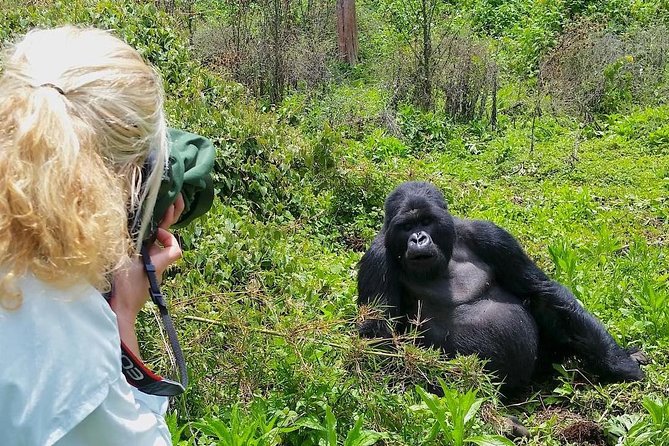
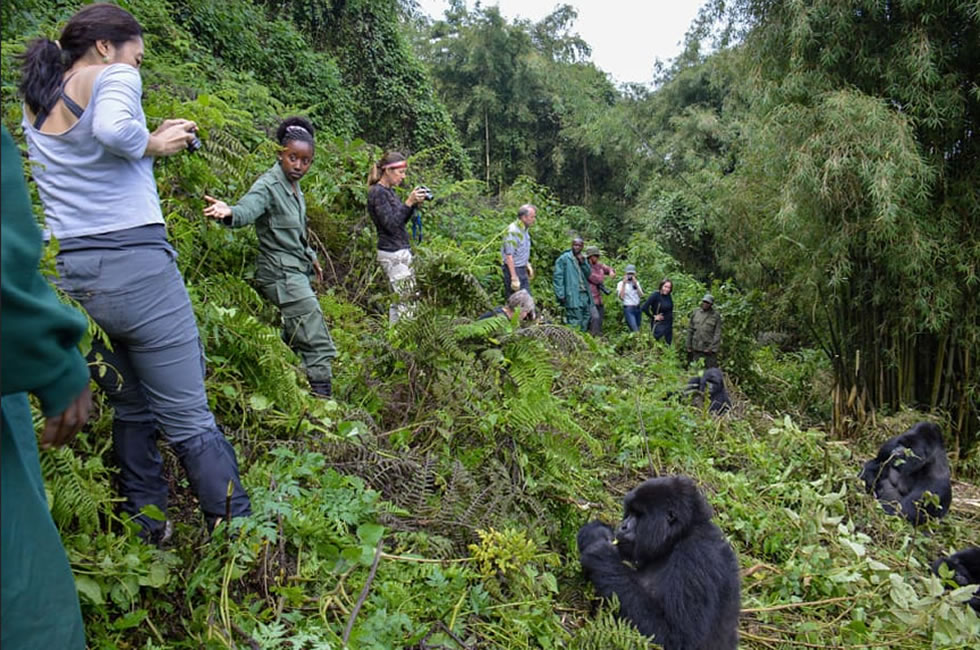
Participants must also follow strict behavioral guidelines during gorilla encounters. Trekkers are required to maintain a safe distance from the gorillas, typically around seven meters whenever possible. Sudden movements, loud noises, and attempts to touch the gorillas are prohibited. Rangers provide detailed briefings before each trek to ensure visitors understand the expected conduct. Following these instructions helps maintain a safe and respectful interaction between humans and wildlife.
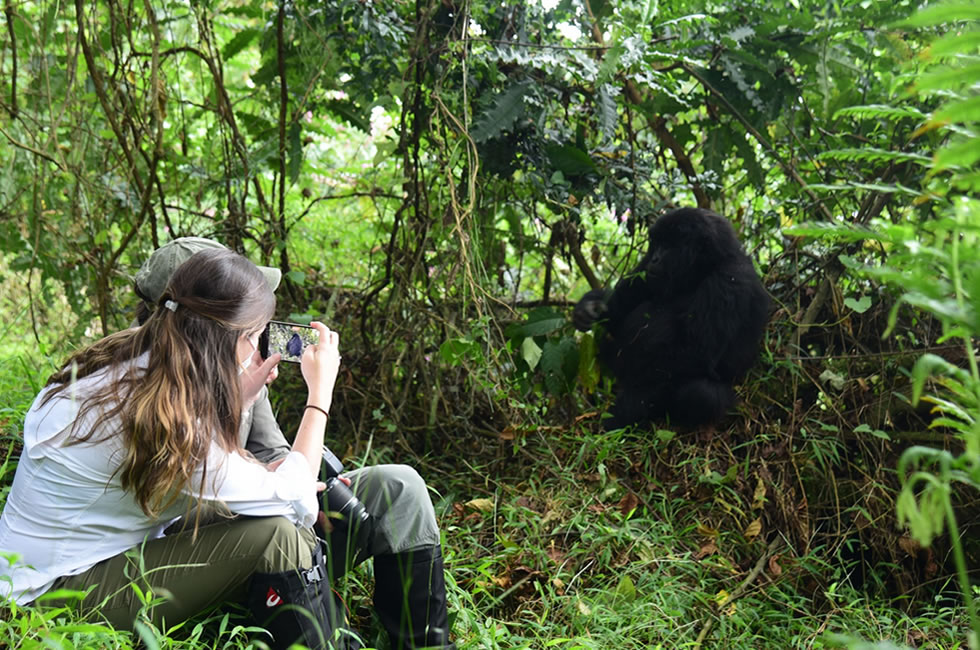
Photography is permitted during gorilla trekking, but visitors must adhere to specific rules. Flash photography is generally prohibited because it may disturb or startle the animals. Trekkers are encouraged to use cameras with good low-light performance since forest conditions can be relatively dark. Responsible photography allows visitors to capture unforgettable memories while minimizing disruption to the gorillas’ natural behavior.
Appropriate clothing is an important requirement for a successful trek. Visitors are advised to wear long-sleeved shirts, long trousers, sturdy hiking boots, and waterproof jackets. Dense vegetation can contain stinging plants, thorny bushes, and insects, making protective clothing essential. Gloves are also recommended when navigating steep slopes and gripping vegetation during climbs. Proper gear significantly improves comfort and safety throughout the trek.
Hiring a porter is highly recommended, even for physically fit travelers. Porters assist with carrying backpacks, provide support on difficult sections of the trail, and contribute to local community livelihoods. Many porters are former poachers who now earn sustainable incomes through conservation tourism. By hiring a porter, visitors not only make their trek easier but also directly support community-based conservation initiatives.
Environmental responsibility is another requirement emphasized during gorilla trekking. Visitors must avoid littering and are expected to leave no trace within the forest ecosystem. Any waste generated during the trek must be carried out of the park. These practices help preserve the pristine environment that supports mountain gorillas and numerous other wildlife species found in Rwanda’s protected areas.
Time spent with the gorillas is strictly limited. Once a trekking group locates a gorilla family, visitors are generally allowed only one hour in their presence. This rule minimizes stress on the animals while still providing ample opportunity for observation and photography. The one-hour limit is carefully monitored by park rangers and applies equally to all visitors regardless of permit cost or group size.
Group sizes are intentionally kept small to reduce environmental impact and maintain a quality visitor experience. Typically, a maximum of eight tourists may visit a habituated gorilla family per day. Small groups help limit noise, reduce disease transmission risks, and ensure that gorillas are not overwhelmed by excessive human presence. This management approach has become a model for sustainable wildlife tourism worldwide.
Weather conditions can influence trekking difficulty and visitor preparedness. Rwanda’s mountainous regions often experience sudden rainfall, slippery trails, and cool temperatures. Trekkers should be prepared for changing conditions regardless of the season. Carrying waterproof gear, sufficient drinking water, and personal essentials helps ensure a comfortable and enjoyable experience in the forest environment.
The age limit and trekking requirements in Rwanda are designed not only for visitor safety but also for the long-term protection of endangered mountain gorillas. By restricting participation to individuals aged 15 and above, enforcing health protocols, and maintaining strict conservation guidelines, Rwanda has successfully balanced tourism with wildlife protection. These measures contribute significantly to the survival of mountain gorillas while allowing travelers to enjoy one of the world’s most extraordinary wildlife encounters.
For anyone planning a gorilla trekking adventure in Rwanda, understanding these age limits and requirements is essential. Proper preparation, respect for park regulations, and awareness of conservation responsibilities ensure a rewarding experience for visitors and a sustainable future for the gorillas. The combination of responsible tourism management, community involvement, and rigorous conservation practices has made Rwanda one of the premier destinations for mountain gorilla trekking anywhere in the world. With Unique Africa Ventures, You Explore Like Never Before!
For more Info, CONTACT US TODAY AND TALK WITH TOUR CONSULTANT:
Call or WhatsApp: +250 794 128 369
Related Posts