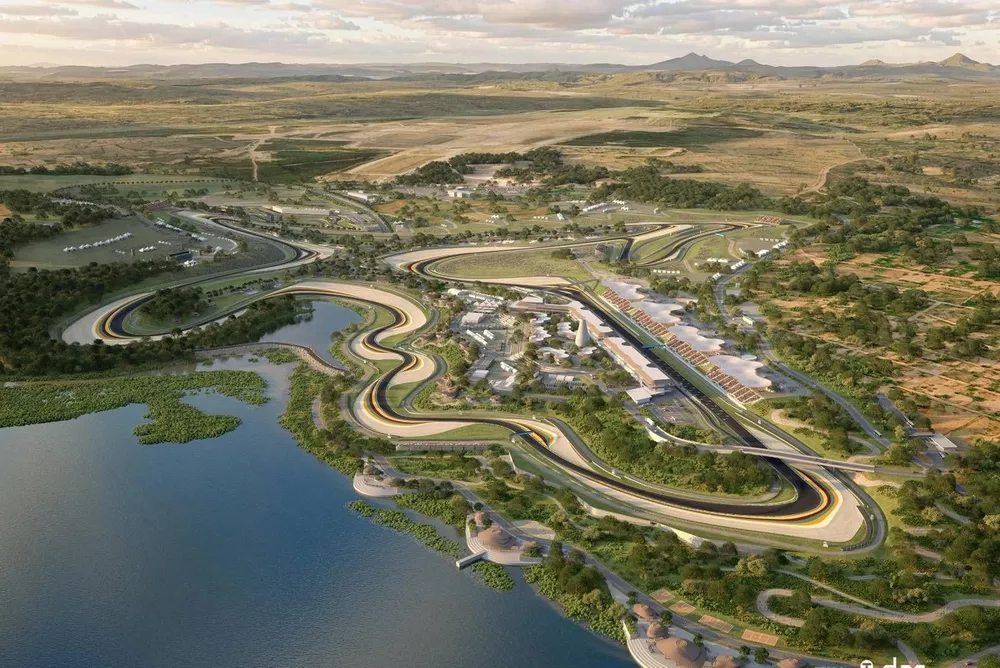

1. Formula 1 Rwanda 2030 – Discover the Future of African Motorsport and Luxury Tourism…
Gorilla Trekking in Rwanda for Travelers with Limited Fitness
Gorilla trekking in Rwanda is often described as a once-in-a-lifetime experience, but many travelers worry that it demands peak physical fitness. The truth is more encouraging: while the trek can be challenging, it is absolutely possible for people with limited fitness to participate and enjoy the journey. With proper planning, realistic expectations, and support from experienced guides, gorilla trekking becomes accessible to a much wider range of visitors than most people assume.
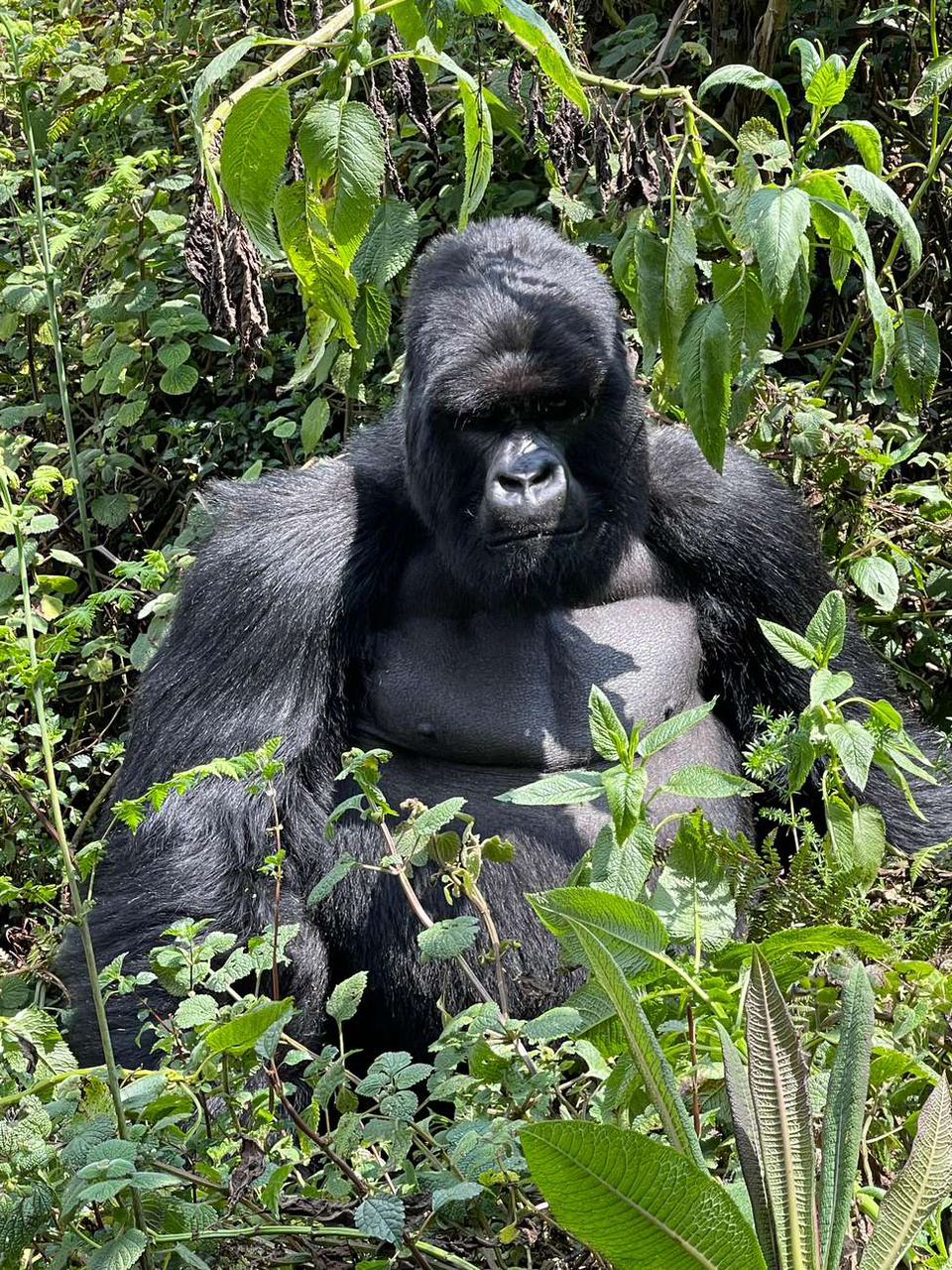
The primary destination for gorilla trekking in Rwanda is Volcanoes National Park, a stunning protected area known for its lush rainforest, volcanic slopes, and rich biodiversity. This park is home to several habituated groups of endangered mountain gorillas, making it one of the best places in the world to see these majestic animals up close. The terrain varies from relatively gentle forest trails to steep and muddy inclines, but not all treks are equally demanding.
One of the most important things to understand is that gorilla families are located at different altitudes and distances. When you arrive at the park headquarters, park rangers assign groups based on factors such as age, fitness level, and preferences. Travelers with limited fitness can request shorter, less strenuous hikes, and guides will do their best to accommodate these needs. Communication is key—being honest about your capabilities ensures a safer and more enjoyable experience.
Hiring a porter is one of the best decisions a less-fit traveler can make. Porters are available at the park entrance and assist by carrying backpacks, offering a steady hand on slippery paths, and providing encouragement throughout the trek. This not only reduces physical strain but also supports the local community, as porter services are a valuable source of income for residents around the park.
Another option that makes gorilla trekking more accessible is the use of a sedan chair, sometimes referred to as an “African helicopter.” This is a stretcher-like seat carried by a team of porters, allowing individuals with significant mobility challenges to be transported through the forest. While it comes at an additional cost, it opens the door for people who might otherwise be unable to experience gorilla trekking.
Preparation plays a crucial role in making the trek manageable. You don’t need to be an athlete, but a bit of light conditioning—such as regular walking, gentle hiking, or climbing stairs—can significantly improve your comfort level. Even a few weeks of preparation before your trip can make a noticeable difference in stamina and confidence.
Choosing the right time of year also impacts the difficulty of the trek. Rwanda’s dry seasons—typically from June to September and December to February—offer more stable trails and less mud, making hiking easier. During the rainy seasons, trails can become slippery and more physically demanding, which might not be ideal for travelers with limited fitness.
Proper gear can greatly reduce the physical burden of the trek. Sturdy hiking boots with good grip are essential for navigating uneven terrain. Lightweight clothing, a waterproof jacket, gloves for gripping vegetation, and a walking stick (often provided at the park) all contribute to a smoother experience. Being well-equipped can mean the difference between struggling and enjoying the journey.
Pacing yourself during the trek is vital. Gorilla trekking is not a race, and guides are accustomed to adjusting the pace to suit the group. Frequent breaks are allowed, and there is no pressure to rush. Listening to your body and communicating with your guide ensures that you maintain a comfortable rhythm throughout the hike.
Altitude is another factor to consider. Volcanoes National Park sits at elevations ranging from about 2,400 to 4,500 meters above sea level. Even moderate exertion can feel more intense at higher altitudes, so taking time to acclimatize—perhaps by spending a day or two in nearby Musanze—can be beneficial.
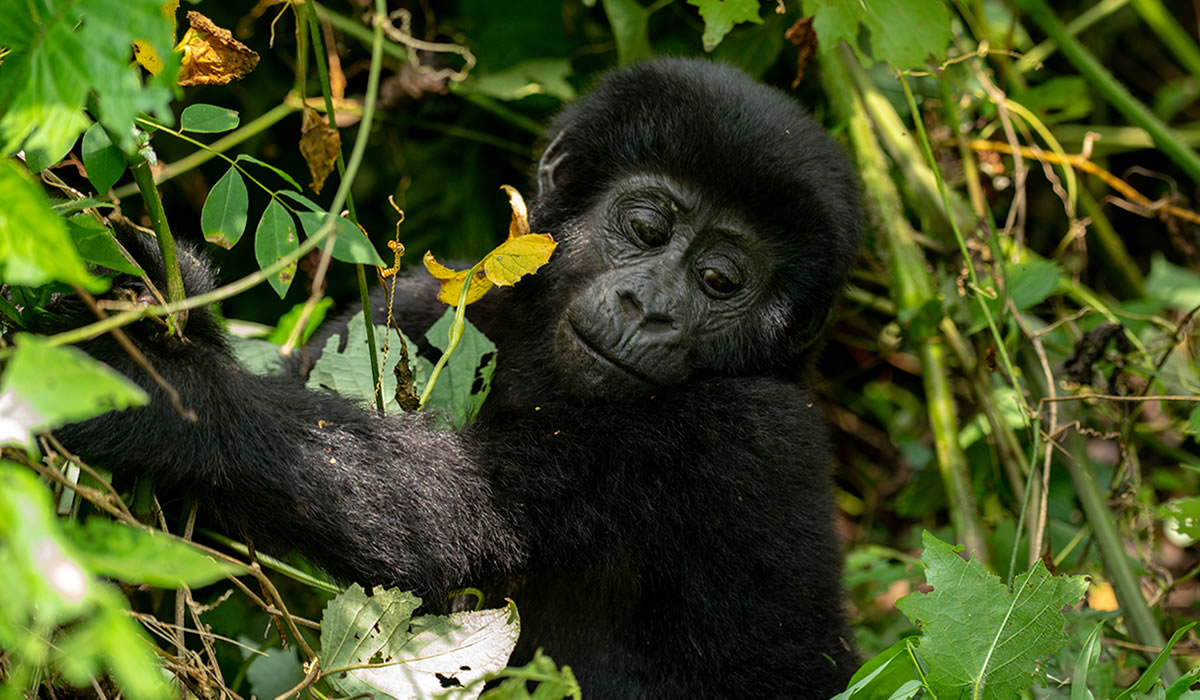
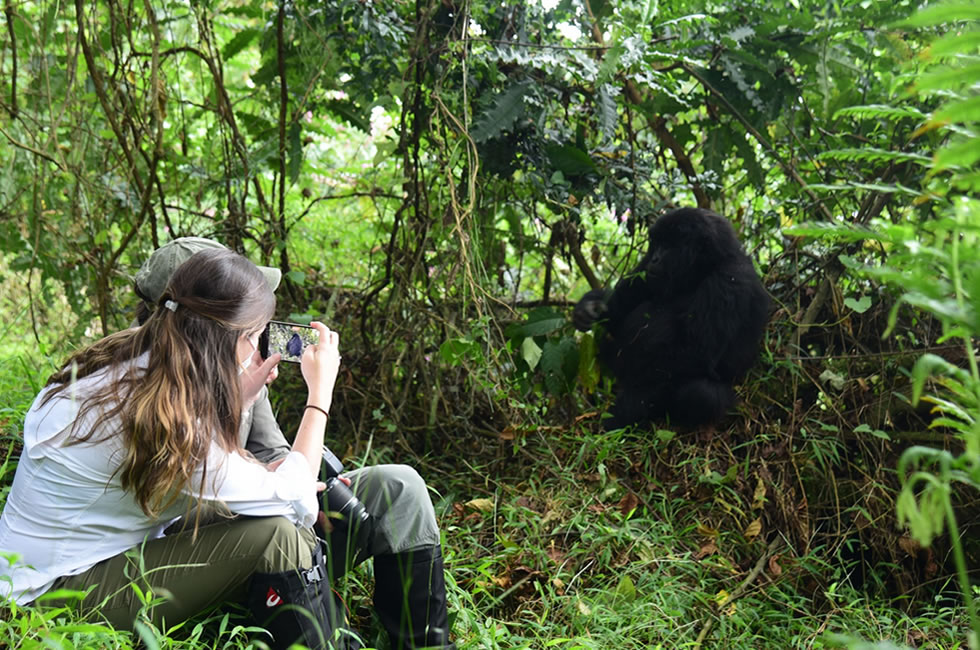
The reward at the end of the trek is truly extraordinary. Spending an hour observing a gorilla family in their natural habitat is a deeply moving experience. Watching their social interactions, gentle behaviors, and striking resemblance to humans often leaves travelers with a profound sense of connection and awe. For many, the effort of the trek fades instantly in the presence of these incredible animals.
Safety is a top priority during gorilla trekking. Rangers provide a thorough briefing before the trek, explaining how to behave around gorillas and what to expect. Even if you are not physically strong, the structured nature of the activity, combined with professional guidance, ensures that risks are minimized.
It’s also worth noting that gorilla trekking permits in Rwanda are limited and relatively expensive, which helps control visitor numbers and protect the animals. While the cost may seem high, it includes expert guidance, conservation efforts, and community support. For travelers investing in this experience, making it physically manageable becomes even more important.
Travelers with limited fitness should also consider travel insurance that covers trekking activities and potential medical needs. While incidents are rare, having coverage provides peace of mind and ensures you are prepared for unexpected situations.
Mental preparation is just as important as physical readiness. Approaching the trek with patience, flexibility, and a positive attitude can greatly enhance the experience. There may be moments of fatigue or challenge, but focusing on the goal and embracing the journey makes it far more rewarding.
In addition to gorilla trekking, Rwanda offers other less physically demanding activities that complement your trip. Cultural visits, scenic drives, and wildlife viewing in places like Akagera National Park allow travelers to experience the country’s beauty without strenuous effort.
Ultimately, gorilla trekking in Rwanda is far more inclusive than many people expect. With supportive guides, adaptable routes, and options like porters and sedan chairs, even those with limited fitness can take part. The key is thoughtful preparation, open communication, and a willingness to go at your own pace.
For anyone dreaming of seeing mountain gorillas in the wild, physical limitations should not be an automatic barrier. Rwanda has made significant efforts to ensure that this remarkable experience is accessible to as many people as possible. With the right approach, you can stand just meters away from a gorilla family and carry that memory with you for the rest of your life. With Unique Africa Ventures, You Explore Like Never Before!
For more Info, CONTACT US TODAY AND TALK WITH TOUR CONSULTANT:
Call or WhatsApp: +250 794 128 369
Related Posts