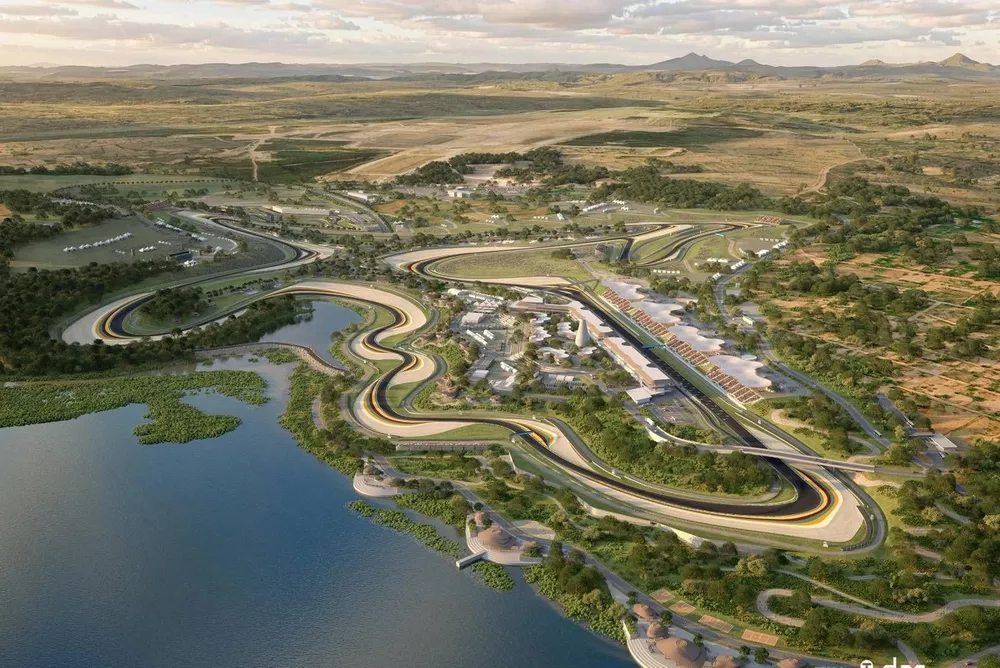

1. Formula 1 Rwanda 2030 – Discover the Future of African Motorsport and Luxury Tourism…
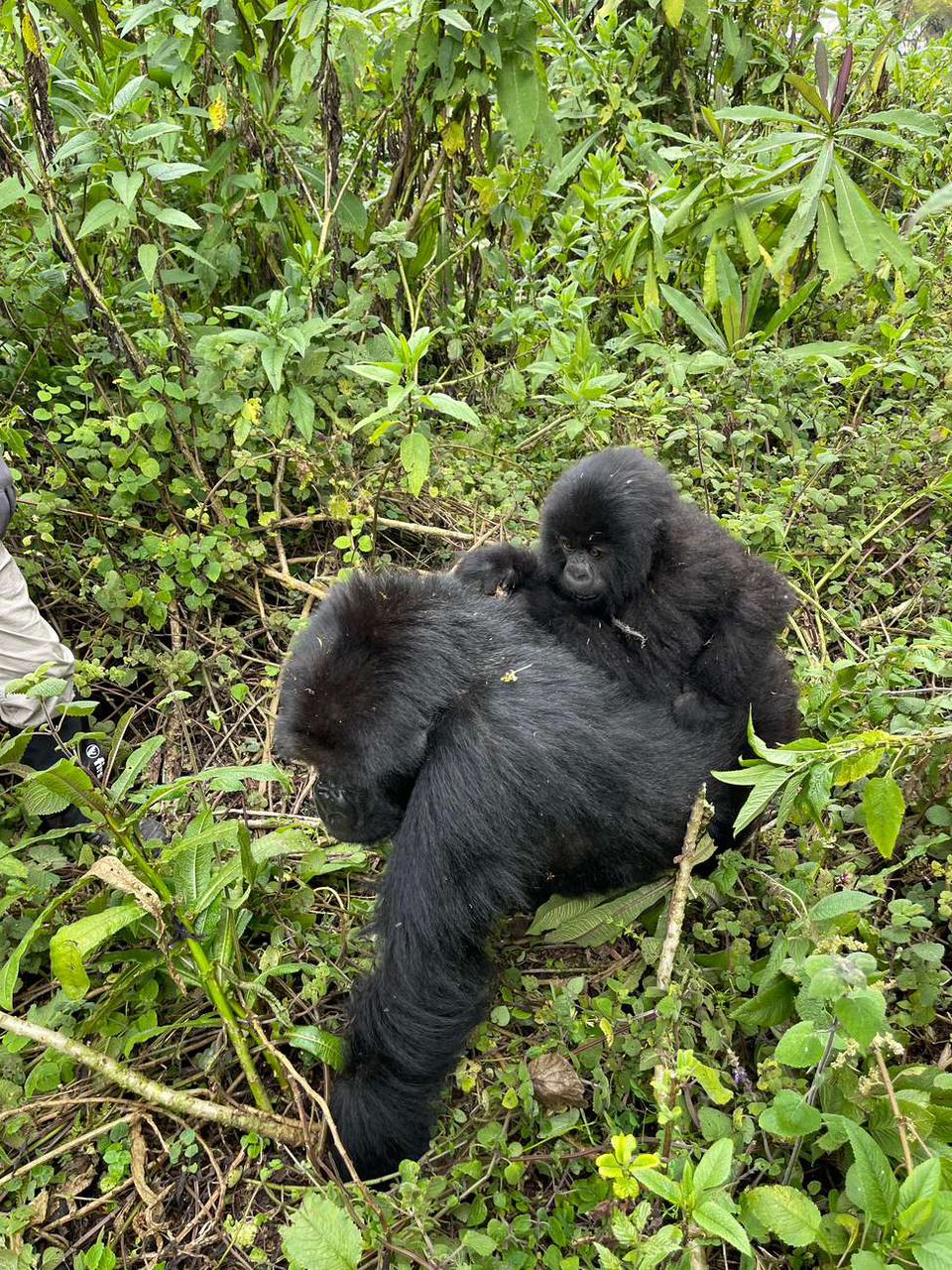
Rwanda Gorilla Safari vs Uganda Fly-In Safaris
When comparing gorilla safari experiences in Rwanda and Uganda, travelers are often deciding between two very different styles of adventure. Rwanda’s gorilla safaris are known for their accessibility, luxury, and efficiency, while Uganda’s fly-in safaris offer a more expansive, remote, and immersive wilderness experience. Both ultimately revolve around encountering endangered mountain gorillas, but the journey, logistics, cost, and overall atmosphere vary significantly.
In Rwanda, most gorilla trekking takes place in Volcanoes National Park, a compact but stunning park located just a couple of hours’ drive from the capital, Kigali. This proximity makes Rwanda incredibly appealing for travelers who want a short, well-organized trip. You can land in Kigali in the morning and be at your lodge near the park by early afternoon, ready for a trek the next day.
Uganda, by contrast, offers gorilla trekking primarily in Bwindi Impenetrable National Park and Mgahinga Gorilla National Park. These parks are more remote, and while road travel is possible, many travelers opt for fly-in safaris using small aircraft to access airstrips near the parks. This adds a sense of adventure and saves time, especially for those with tighter schedules.
One of the biggest differences lies in the trekking experience itself. Rwanda’s terrain in Volcanoes National Park is often described as less dense and slightly easier to navigate compared to Uganda’s thick rainforest. The hikes in Rwanda can still be physically demanding, but trails are generally clearer, and the experience is somewhat more controlled.
Uganda’s Bwindi Impenetrable Forest lives up to its name. The jungle is dense, humid, and rugged, making treks more challenging but also more authentic for those seeking a raw, untouched wilderness. The sense of discovery is heightened, and many travelers feel that Uganda offers a deeper connection to nature because of this.
Cost is another major factor. Rwanda is widely regarded as the more expensive option, largely due to its high gorilla permit fees and luxury-focused tourism model. The country positions itself as a premium destination, and many lodges reflect this with high-end amenities and personalized service.
Uganda, on the other hand, is generally more budget-friendly. Gorilla permits are cheaper, and there is a wider range of accommodation options, from budget lodges to mid-range and luxury. Even with the added cost of a fly-in safari, Uganda can still be more economical overall.
The fly-in safari experience in Uganda is a highlight in itself. Flying over the lush landscapes, rolling hills, and patchwork farmland gives travelers a unique perspective of the country. It also reduces long, sometimes tiring road journeys, making the trip more comfortable and efficient.
Rwanda’s safaris, while not typically involving domestic flights for gorilla trekking, compensate with seamless logistics and excellent infrastructure. Roads are well maintained, and transfers are smooth, contributing to a stress-free experience from arrival to departure.
Accommodation styles differ as well. Rwanda is known for ultra-luxury lodges such as Bisate Lodge, which offer spectacular views, eco-conscious design, and high-end service. These lodges cater to travelers seeking exclusivity and comfort.
Uganda also has luxury options like Sanctuary Gorilla Forest Camp, but it shines in its diversity. Travelers can choose between intimate eco-lodges, rustic camps, or upscale retreats, depending on their preferences and budget.
Another distinction is the overall safari combination. Rwanda is often paired with cultural experiences in Kigali, such as visiting the Kigali Genocide Memorial, or short wildlife add-ons like Akagera National Park. However, it is less known for classic “Big Five” safaris.
Uganda offers a broader safari circuit. In addition to gorilla trekking, travelers can explore parks like Queen Elizabeth National Park for game drives, boat safaris, and tree-climbing lions, or Murchison Falls National Park for dramatic waterfalls and abundant wildlife. This makes Uganda ideal for those wanting a more comprehensive African safari.
Time efficiency is where Rwanda clearly excels. Because everything is close to Kigali, even a three- or four-day trip can include gorilla trekking without feeling rushed. This makes Rwanda especially attractive for business travelers or those combining multiple destinations.
Uganda’s fly-in safaris are efficient in their own way, but they still require more planning and often a longer itinerary to fully appreciate the country’s diversity. A typical Uganda safari might span a week or more to include multiple parks and experiences.
From a conservation perspective, both countries are leaders in gorilla protection. Rwanda has built a strong reputation for sustainable tourism and community involvement, while Uganda has successfully balanced conservation with accessibility, allowing more travelers to experience gorilla trekking.
The overall atmosphere differs subtly but meaningfully. Rwanda feels polished, curated, and refined, with a strong emphasis on comfort and service. Uganda feels adventurous, expansive, and a bit wilder, appealing to those who enjoy exploration and variety.
Photography opportunities are excellent in both destinations, but Uganda’s varied landscapes—from savannahs to forests to wetlands—offer more diversity in a single trip. Rwanda’s focus is more concentrated, with the gorilla experience as the undeniable centerpiece.
Travelers who prioritize luxury, convenience, and a shorter trip often lean toward Rwanda. Those who value adventure, variety, and a more budget-conscious approach tend to prefer Uganda, especially with the added thrill of a fly-in safari.
Ultimately, the choice comes down to what kind of experience you want. Rwanda delivers a streamlined, high-end gorilla encounter with minimal travel time, while Uganda offers a richer, more varied safari journey that extends beyond gorillas into a broader exploration of East Africa’s natural beauty.
If you’re deciding between the two, it helps to consider your budget, time, fitness level, and appetite for adventure. Both destinations provide unforgettable encounters with mountain gorillas—arguably one of the most powerful wildlife experiences on Earth—but they frame that experience in very different ways. With Unique Africa Ventures, You Explore Like Never Before!
For more Info, CONTACT US TODAY AND TALK WITH TOUR CONSULTANT:
Call or WhatsApp: +250 794 128 369
Related Posts