
Affordable Rwanda Safari Adventures Rwanda is one of Africa’s most rewarding destinations for travelers who…
Best Time of Day for Game Drives in Akagera
Akagera National Park is one of Africa’s most rewarding safari destinations, offering visitors the chance to experience diverse wildlife, breathtaking landscapes, and unforgettable game drives. Located in eastern Rwanda along the border with Tanzania, the park is home to the famous Big Five—lion, leopard, elephant, buffalo, and rhinoceros—along with giraffes, zebras, antelopes, hippos, crocodiles, and over 500 bird species. While wildlife exists throughout the park all day, the time of day significantly influences what visitors are likely to see. Animals follow natural daily routines that are shaped by temperature, feeding habits, and predator-prey relationships, making some hours much more productive than others. Understanding these patterns allows travelers to maximize their safari experience and increase the chances of witnessing memorable wildlife encounters.
The early morning is widely regarded as the best time for a game drive in Akagera National Park. As dawn breaks over the savannah, temperatures remain cool after the night, encouraging many animals to remain active before the heat of the day arrives. Most game drives begin around sunrise, when golden light stretches across the grasslands and creates stunning photographic opportunities. This peaceful period is often filled with the sounds of birds calling, antelopes grazing, and predators returning from nighttime hunts. Visitors frequently encounter elephants moving toward water sources, giraffes feeding on acacia leaves, zebras crossing open plains, and buffalo grazing in large herds. The calm atmosphere combined with increased animal activity makes sunrise one of the most magical experiences in Akagera.
Morning game drives also provide the highest probability of spotting predators. Lions, leopards, and hyenas are naturally more active during the cooler hours because hunting requires considerable energy. As the sun rises, lions may still be finishing a hunt or relaxing after feeding, allowing visitors to witness fascinating social interactions within prides. Leopards, known for their elusive behavior, are more likely to be seen before they retreat into dense vegetation or tree cover for the day. Hyenas often remain active during the early morning as they travel across the park searching for food or returning to their dens. These unique predator sightings are much less common during the hotter hours of the afternoon.
Another advantage of early morning game drives is the exceptional lighting conditions for wildlife photography. Soft golden sunlight enhances the natural colors of the landscape, creating dramatic images with gentle shadows and vibrant skies. Animals illuminated by the rising sun appear more vivid against the green wetlands and golden grasslands of Akagera. Photographers appreciate the reduced glare and balanced contrast that morning light provides, allowing for clearer images of both wildlife and scenery. Mist rising from lakes and valleys often adds a mystical atmosphere that makes photographs even more memorable.
Birdwatchers especially benefit from early morning excursions because birds become highly active shortly after sunrise. Akagera National Park hosts hundreds of resident and migratory bird species that begin feeding, singing, and flying as daylight increases. Kingfishers dive into the lakes, fish eagles perch prominently near the shoreline, herons stalk fish in shallow waters, and colorful bee-eaters dart through the air catching insects. Morning is also when many birds display courtship behaviors or vocalize most frequently, making identification easier for experienced bird enthusiasts and beginners alike. The peaceful surroundings allow visitors to appreciate the remarkable diversity of birdlife found throughout the park.
As the morning progresses into late morning, wildlife activity gradually begins to decline. Rising temperatures encourage many animals to seek shade beneath trees or rest in thicker vegetation to conserve energy. Elephants may continue feeding but at a slower pace, while antelopes gather in shaded areas to avoid direct sunlight. Predators become less visible because they often spend the hottest hours sleeping after their night time activities. Although visitors can still observe a variety of species during this period, sightings generally become less dynamic than those experienced at sunrise.
Midday is usually considered the least productive time for game drives in Akagera National Park. During the hottest part of the day, temperatures can rise significantly, particularly during the dry season. Many mammals reduce their movements to avoid overheating, making wildlife more difficult to locate. Lions often lie beneath trees, leopards rest in dense bushes, and herbivores remain stationary in shaded areas. Visitors may spend more time driving between sightings, although occasional encounters with elephants near waterholes or hippos resting in lakes still provide rewarding experiences.
Despite the reduced wildlife activity, midday safaris have their own unique attractions. Water sources become gathering points where numerous species congregate to drink or cool themselves. Hippos remain partially submerged in lakes, crocodiles bask along riverbanks, and elephants spray themselves with water and mud to regulate body temperature. Watching these natural behaviors offers insight into how animals adapt to changing environmental conditions. Visitors who enjoy observing animal interactions rather than simply counting species often find these moments fascinating and educational.
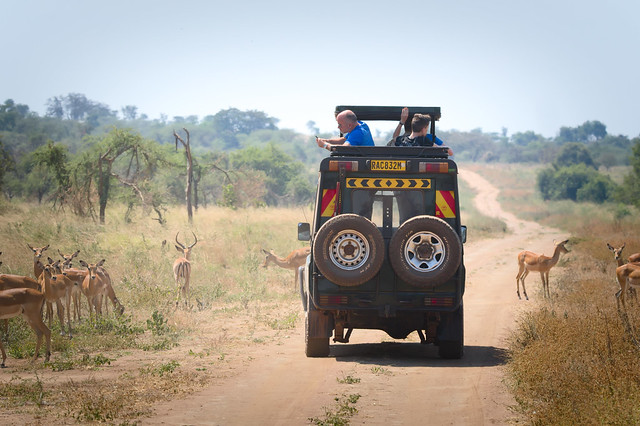
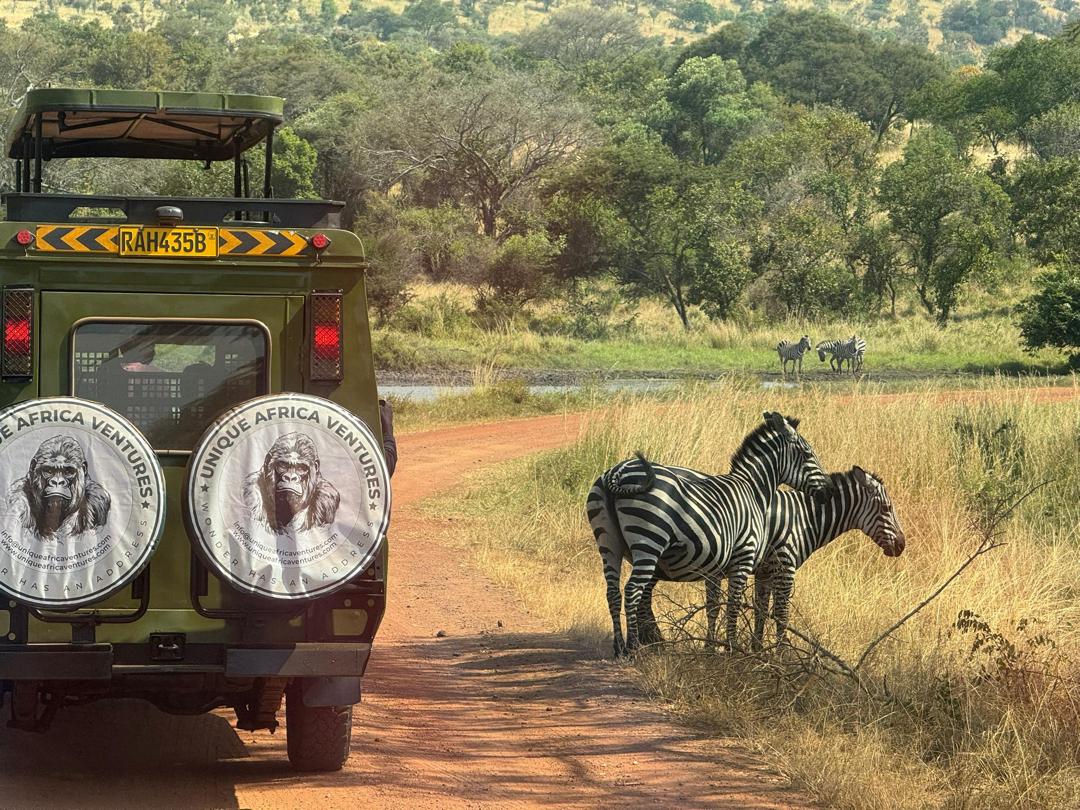
The afternoon brings gradual changes in animal behavior as temperatures slowly begin to decrease. Herbivores become increasingly active, emerging from shaded areas to resume grazing. Zebras, impalas, topis, and waterbucks spread across the open plains searching for fresh vegetation. Giraffes browse on tree leaves while elephants continue feeding on shrubs and grasses. Wildlife becomes easier to locate because animals begin moving across more open landscapes, preparing for another active evening. Afternoon game drives provide excellent opportunities to observe these transitions in daily behavior.
Late afternoon is considered the second-best time of day for a safari in Akagera National Park. The cooler weather encourages predators to awaken and prepare for hunting, while prey animals increase their movements before darkness. Lions often become more visible as they stretch, interact with pride members, and patrol their territories. Leopards may emerge from hiding to explore woodland edges, while hyenas begin traveling in search of food. Visitors are more likely to witness exciting predator-prey interactions during these hours compared to midday. The anticipation created by increasing wildlife activity makes afternoon safaris both thrilling and rewarding.
Sunset transforms Akagera into one of the most beautiful safari landscapes in East Africa. The setting sun paints the sky with brilliant shades of orange, pink, and purple while casting long shadows across the savannah. Wildlife silhouettes against the colorful horizon create unforgettable photographic opportunities. Elephants walking across open plains, giraffes browsing beneath glowing skies, and birds flying toward their evening roosts contribute to a spectacular natural scene. Many visitors describe sunset game drives as among the most memorable experiences of their entire journey through Rwanda.
Evening game drives also reveal fascinating behavioral changes among nocturnal animals. As daylight fades, species that remain hidden during the day begin preparing for nighttime activity. Bush babies, genets, civets, porcupines, and other nocturnal mammals may become visible depending on the specific safari schedule and park regulations. Predators often become increasingly alert, scanning the landscape for potential prey. Listening to the distant roar of lions or the calls of hyenas as darkness approaches creates a unique atmosphere that daytime drives cannot replicate.
Seasonal weather influences the ideal timing of game drives throughout the year. During the dry seasons, animals concentrate around permanent water sources because rivers and smaller ponds begin drying up. This concentration makes wildlife easier to locate regardless of the time of day, although early morning and late afternoon still provide the highest activity levels. In contrast, during the rainy seasons, abundant vegetation and scattered water sources allow animals to spread throughout the park. Guides rely on experience and recent wildlife movements to locate game under these changing conditions.
The dry season generally offers superior visibility because shorter grass and thinner vegetation expose more wildlife. Visitors can often observe large herds grazing across open plains and predators resting in more visible locations. Roads also remain in better condition, allowing safari vehicles easier access to different sections of the park. Dust may become more noticeable during extended dry periods, but the improved wildlife viewing opportunities usually outweigh this minor inconvenience.
The wet season presents a completely different yet equally beautiful safari experience. Rainfall transforms Akagera into a lush green landscape filled with blooming vegetation, flowing streams, and vibrant wetlands. Birdlife reaches its peak as migratory species arrive and many resident birds begin breeding. Although dense vegetation can make mammals slightly more difficult to spot, the scenery becomes exceptionally photogenic. Morning and evening drives remain the most productive because cooler temperatures continue to encourage wildlife movement.
Experienced safari guides play a crucial role in maximizing success regardless of the chosen time of day. Guides possess extensive knowledge of animal behavior, seasonal movements, recent sightings, and preferred habitats. They communicate with other guides to share wildlife locations while interpreting tracks, sounds, and environmental clues that visitors may overlook. Their expertise significantly increases the likelihood of encountering elusive species such as leopards, rhinos, and lions, especially during the peak activity periods of early morning and late afternoon.
Visitors planning multiple game drives should ideally combine morning and afternoon safaris to experience the greatest diversity of wildlife behaviors. Morning drives highlight feeding activities, predator movements, and exceptional birdlife, while afternoon excursions reveal grazing animals, territorial behavior, and preparations for nighttime hunting. Experiencing both periods allows travelers to appreciate how the park changes throughout the day and greatly increases the variety of wildlife encounters.
Ultimately, the best time of day for a game drive in Akagera National Park is early morning, closely followed by late afternoon and sunset. These cooler periods coincide with the highest levels of animal activity, offering visitors the greatest chances of seeing the Big Five, observing fascinating wildlife behavior, and capturing spectacular photographs. While midday drives can still provide enjoyable sightings around lakes and waterholes, they generally feature less movement because animals seek shelter from the heat. By planning safaris around sunrise and the late afternoon, travelers can fully experience the beauty, diversity, and excitement that make Akagera National Park one of Africa’s most remarkable wildlife destinations. With Unique Africa Ventures, You Explore Like Never Before!
For more Info, CONTACT US TODAY AND TALK WITH TOUR CONSULTANT:
Call or WhatsApp: +250 794 128 369
Related Posts