
Affordable Rwanda Safari Adventures Rwanda is one of Africa’s most rewarding destinations for travelers who…
One-Day Big Five Safari in Rwanda’s Akagera Nationa Park – Is It Enough?
Rwanda has become one of Africa’s most exciting safari destinations, offering travelers a chance to experience incredible wildlife alongside breathtaking landscapes. While many people know the country for its famous mountain gorillas, eastern Rwanda is home to another remarkable wildlife destination—Akagera National Park. Covering approximately 1,120 square kilometers, Akagera is Rwanda’s only savannah national park and the only place in the country where visitors can search for the legendary Big Five: lions, leopards, elephants, buffaloes, and rhinos. As more travelers include Rwanda in shorter itineraries, one common question arises: Is a one-day Big Five safari in Akagera National Park enough? The answer depends on your expectations, travel style, and what you hope to experience during your visit.
For travelers with limited time, a one-day safari offers an excellent introduction to Rwanda’s wildlife. Unlike multi-day safaris that allow visitors to explore different sections of the park at a slower pace, a day trip focuses on maximizing wildlife viewing during the best hours of the day. Many visitors staying in Kigali leave before sunrise and drive approximately two and a half to three hours to reach Akagera’s southern entrance. By arriving early, safari-goers increase their chances of spotting animals while temperatures remain cool and wildlife is most active. Although the schedule is tight, careful planning allows visitors to experience much of what makes Akagera special within a single day.
One of the biggest advantages of a one-day safari is accessibility. Rwanda’s excellent road network makes Akagera one of the few African safari parks that can comfortably be visited as a day excursion from the capital city. Visitors do not necessarily need to book additional accommodation inside or near the park, making the trip more affordable for travelers on a budget. Early departures and late returns make it possible to enjoy a full safari experience without sacrificing several days of a Rwanda itinerary. This convenience has made one-day safaris increasingly popular among business travelers, conference delegates, and tourists combining wildlife adventures with gorilla trekking.
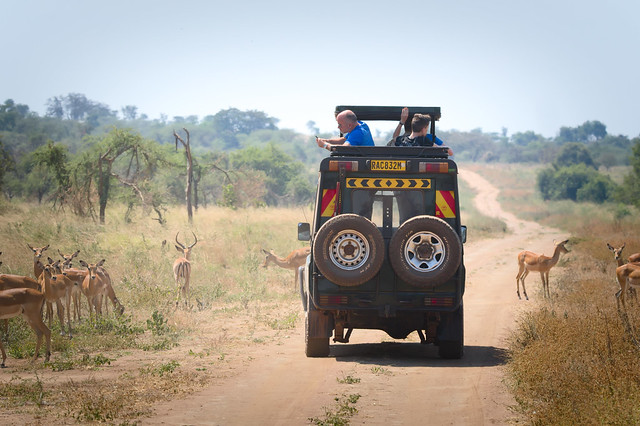
The success of a one-day safari largely depends on the timing of your visit. Early morning game drives provide the highest probability of seeing predators before they retreat from the rising heat. Lions often remain active shortly after sunrise, elephants begin moving toward feeding areas, and buffaloes graze across open plains. Various antelope species, including impalas, topis, waterbucks, and elands, are commonly seen throughout the park. Birdlife is equally impressive, with hundreds of recorded species inhabiting Akagera’s wetlands, lakes, forests, and savannahs. Starting early allows visitors to enjoy these wildlife encounters before temperatures become too warm.
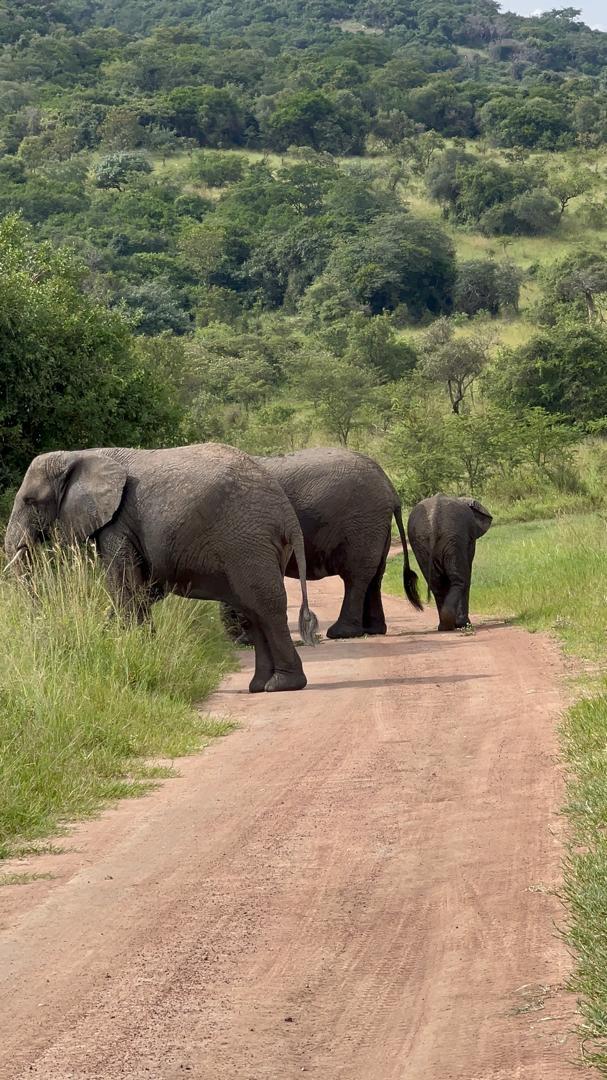
Many people specifically visit Akagera in hopes of seeing the Big Five. Thanks to successful conservation efforts over the past decade, the park now supports healthy populations of all five iconic species. Lions were successfully reintroduced after decades of absence, followed later by eastern black rhinos and southern white rhinos. Elephant populations continue to thrive, while buffaloes are frequently encountered across the grasslands. Leopards remain the most elusive of the Big Five due to their secretive and mostly nocturnal behavior. Even during multi-day safaris, leopard sightings are never guaranteed, making every encounter particularly memorable.
The park’s diverse habitats significantly enhance the safari experience. Unlike parks dominated solely by open grasslands, Akagera combines rolling hills, papyrus swamps, dense woodlands, lakes, river systems, and classic African savannah. These contrasting ecosystems support an extraordinary diversity of wildlife. Hippos spend much of their day submerged in lakes and rivers, while massive Nile crocodiles bask along the shoreline. Giraffes gracefully browse acacia trees, zebras roam open plains, and warthogs dash across the roads with their tails raised high. This ecological diversity means visitors are constantly treated to changing scenery throughout the day.
A one-day safari also offers opportunities for outstanding photography. The golden light of early morning creates ideal conditions for capturing wildlife against dramatic landscapes. Akagera’s gently rolling hills, expansive plains, shimmering lakes, and scattered acacia trees provide beautiful natural backdrops. Photographers can capture elephants crossing dusty tracks, giraffes silhouetted against sunrise skies, or buffalo herds grazing beneath distant hills. Even amateur photographers often return with impressive images due to the park’s varied scenery and abundant wildlife.
One factor that greatly influences your safari experience is the quality of your guide. Experienced guides understand animal behavior, know recent wildlife movements, communicate with fellow rangers, and recognize subtle signs indicating nearby predators. Their local knowledge dramatically increases the chances of successful wildlife sightings during a limited one-day visit. Guides also share fascinating information about animal behavior, conservation efforts, vegetation, bird species, and the park’s remarkable ecological recovery, enriching the overall experience far beyond simple game viewing.
The conservation story behind Akagera is one of Africa’s greatest wildlife success stories. Years ago, wildlife populations declined dramatically due to poaching, human encroachment, and instability following Rwanda’s tragic history. Through strong partnerships, improved park management, anti-poaching initiatives, and community engagement, Akagera has experienced an extraordinary transformation. Wildlife numbers have steadily increased, tourism has grown, and local communities now benefit economically from conservation. Every safari contributes directly to sustaining these achievements, making each visit meaningful beyond personal enjoyment.
Although a one-day safari is rewarding, it does have limitations. The park is extensive, and visitors can only cover a portion of its roads within a single day. Some remote northern areas may remain unexplored, reducing opportunities to encounter certain species. Wildlife is unpredictable, and some animals may simply not appear during your visit. Nature operates on its own schedule, meaning every safari differs. Travelers hoping for extended wildlife observation or repeated predator sightings may find a single day somewhat restrictive.
A longer stay provides several additional advantages. Spending two or three days inside or near the park allows visitors to explore different habitats during multiple game drives conducted at varying times of day. Early mornings, late afternoons, and evenings each reveal unique wildlife activity. Multi-day visitors also enjoy greater flexibility to revisit productive areas, increasing the likelihood of observing elusive species such as leopards, hyenas, servals, and various nocturnal animals. Overnight stays create a more relaxed pace, allowing travelers to appreciate both wildlife and scenery without feeling rushed.
Beyond traditional game drives, Akagera offers additional activities that cannot easily fit into a one-day schedule. Boat safaris on Lake Ihema introduce visitors to a completely different ecosystem where hippos, crocodiles, fish eagles, kingfishers, herons, and countless waterbirds thrive. The calm waters provide exceptional photographic opportunities and close-up wildlife encounters rarely experienced from a vehicle. Night game drives reveal nocturnal creatures including bush babies, civets, genets, porcupines, and occasionally hunting predators. These unique experiences are best enjoyed during overnight visits.
Bird enthusiasts may find even a single day incredibly rewarding. Akagera is home to more than 500 recorded bird species, making it one of East Africa’s premier birdwatching destinations. Birders may encounter African fish eagles soaring above lakes, colorful lilac-breasted rollers perched on branches, giant kingfishers hunting near waterways, and the spectacular shoebill in select wetland areas, although sightings are relatively rare. The park’s combination of woodland, wetland, savannah, and forest habitats creates exceptional avian diversity throughout the year.
Seasonality also affects safari experiences in Akagera. During the dry seasons, animals often gather around permanent water sources, making wildlife easier to locate. Roads generally remain in better condition, allowing smoother travel throughout the park. During the rainy seasons, landscapes become lush and vibrant, migratory birds arrive, and photography benefits from rich green scenery. However, dense vegetation can sometimes make wildlife more difficult to spot. Regardless of season, each visit offers distinct attractions and memorable encounters.
Travelers should also prepare realistically for the duration of a one-day safari. A typical itinerary begins around 4:30 or 5:00 a.m. with departure from Kigali, followed by several hours of game viewing after entering the park. Lunch is usually enjoyed at a designated picnic site or lodge before continuing the afternoon safari. Visitors often return to Kigali in the evening after a full day of exploration. Although the day is long, the experience is highly rewarding for those willing to embrace an early start and a packed schedule.
Comfort is another important consideration. Wearing neutral-colored clothing, comfortable walking shoes, sunglasses, sunscreen, and a hat helps visitors remain comfortable throughout the safari. Carrying binoculars significantly enhances wildlife viewing, especially for distant animals and birds. A camera with a zoom lens allows photographers to capture memorable wildlife moments without disturbing animals. Staying hydrated is equally important, particularly during warmer months when temperatures rise throughout the afternoon.
For first-time visitors to Rwanda, a one-day safari serves as an outstanding complement to other experiences. Many travelers combine Akagera with gorilla trekking in Volcanoes National Park or chimpanzee tracking in Nyungwe National Park, creating a diverse wildlife itinerary within a relatively compact country. Rwanda’s short travel distances make it possible to experience rainforests, volcanoes, lakes, and savannah ecosystems during the same vacation, offering exceptional diversity compared to many other African destinations.
So, is one day enough for a Big Five safari in Akagera National Park? For many travelers, the answer is yes. A well-organized one-day safari provides an exciting opportunity to witness Rwanda’s remarkable conservation achievements, observe abundant wildlife, and potentially encounter all members of the Big Five. While it cannot offer the depth, flexibility, and slower pace of a multi-day adventure, it delivers an unforgettable introduction to one of East Africa’s fastest-growing safari destinations. Visitors who leave with a desire to explore more often regard that feeling not as a shortcoming of the experience, but as proof of Akagera’s extraordinary beauty and the lasting impression it leaves on everyone fortunate enough to visit. With Unique Africa Ventures, You Explore Like Never Before!
For more Info, CONTACT US TODAY AND TALK WITH TOUR CONSULTANT:
Call or WhatsApp: +250 794 128 369
Related Posts