
Affordable Rwanda Safari Adventures Rwanda is one of Africa’s most rewarding destinations for travelers who…
Akagera National Park Safari Rules Every Visitor Must Know
Akagera National Park is one of Africa’s remarkable conservation success stories, offering visitors the chance to experience Rwanda’s only savannah national park and observe the famous Big Five alongside hundreds of bird species and breathtaking landscapes. Whether you are embarking on a game drive, a boat safari on Lake Ihema, a guided nature walk, or a photography expedition, understanding and following the park’s safari rules is essential. These regulations are not merely guidelines; they are designed to protect wildlife, preserve fragile ecosystems, and ensure every visitor enjoys a safe and unforgettable safari experience. Every traveler entering Akagera National Park shares the responsibility of respecting nature and contributing to the park’s long-term conservation efforts.
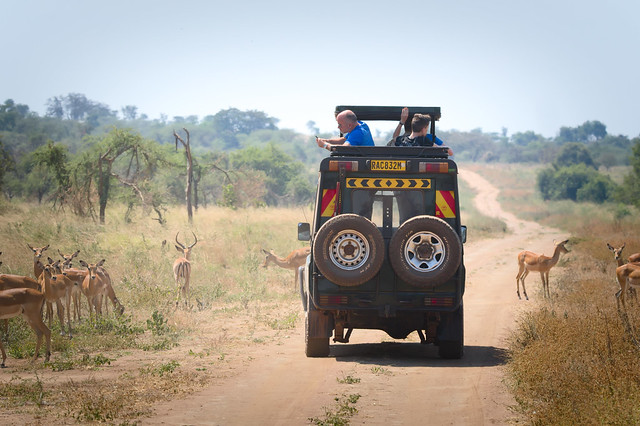
One of the most important rules in Akagera National Park is to always remain inside your safari vehicle unless your guide specifically instructs you otherwise. The park is home to dangerous wild animals including lions, leopards, elephants, buffaloes, and hippos that can appear calm but are highly unpredictable. Even herbivores like buffaloes and elephants may charge if they feel threatened. Staying inside the vehicle provides a safe barrier between visitors and wildlife while minimizing disturbance to the animals. Professional guides understand animal behavior and know when it is safe to stop, drive, or change direction. Ignoring this rule puts both visitors and wildlife at unnecessary risk.
Maintaining a respectful distance from wildlife is another critical safari rule every visitor must observe. Approaching animals too closely can alter their natural behavior, create stress, or provoke defensive reactions. Drivers should never attempt to surround animals or block their movement for better photographs. Instead, vehicles should remain at a comfortable distance that allows wildlife to move freely through their habitat. Respecting this space creates more authentic wildlife encounters and helps ensure animals continue behaving naturally without becoming accustomed to human interference.
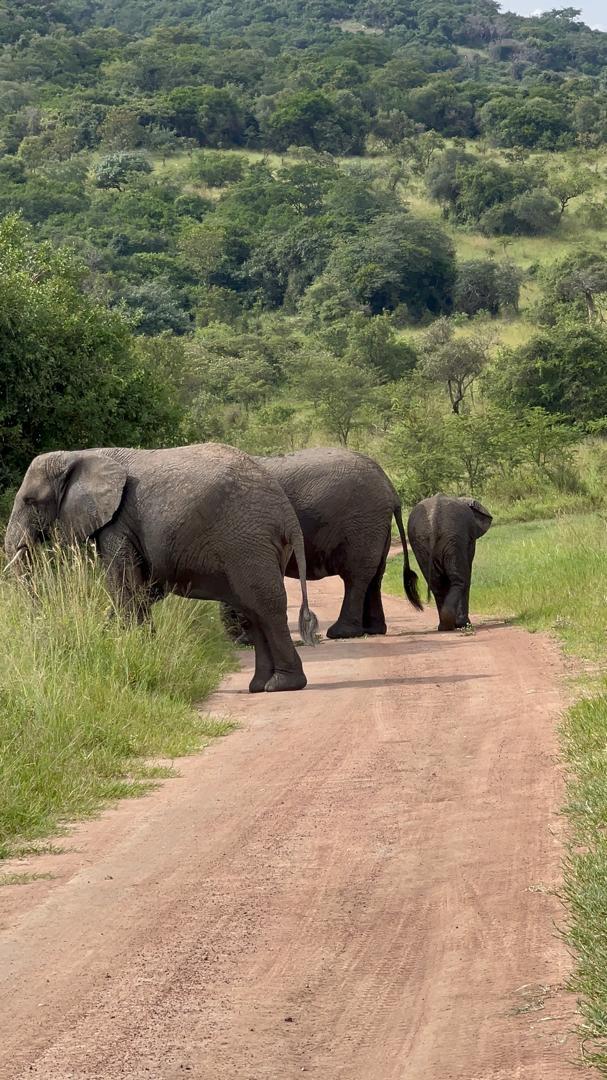
Driving only on designated roads and approved tracks is essential for protecting Akagera‘s delicate ecosystem. Off-road driving damages vegetation, destroys nesting sites, contributes to soil erosion, and disturbs countless smaller animals that often go unnoticed. The park’s road network has been carefully designed to provide excellent wildlife viewing opportunities while minimizing environmental impact. Visitors should resist the temptation to leave marked routes, even when trying to get closer to animals. Responsible driving helps preserve the landscape for future generations while supporting ongoing conservation efforts throughout the park.
Observing the park’s speed limits is another rule that contributes significantly to visitor safety and wildlife protection. Excessive speed increases the risk of vehicle accidents and makes it difficult to spot animals crossing roads unexpectedly. Many species, including antelopes, warthogs, reptiles, and birds, frequently move across park roads without warning. Driving slowly also enhances the safari experience by allowing visitors to notice smaller wildlife, unique plants, and scenic viewpoints that might otherwise be missed. A slower pace encourages a more immersive appreciation of Akagera‘s incredible biodiversity.
Keeping noise levels to a minimum allows both wildlife and fellow visitors to enjoy the natural environment. Loud conversations, shouting, music, or unnecessary vehicle noise can frighten animals and interrupt their normal feeding, hunting, or resting behavior. Quiet observation often leads to better wildlife sightings because animals feel less disturbed and continue their natural activities. Silence also enhances the overall safari experience by allowing visitors to hear birds singing, lions roaring in the distance, elephants communicating, and countless other sounds that define the African wilderness.
Feeding wild animals is strictly prohibited throughout Akagera National Park. Human food can seriously harm wildlife by causing nutritional imbalances, digestive problems, and unhealthy dependence on people. Animals that become accustomed to receiving food from visitors may lose their natural fear of humans, increasing the likelihood of dangerous encounters. Feeding wildlife can also encourage aggressive behavior toward vehicles and other tourists. Every animal within the park has evolved to survive naturally within its ecosystem, and maintaining these natural behaviors is essential for conservation success.
Littering is forbidden because every piece of waste introduced into the environment poses a threat to wildlife and the landscape. Plastic bags, bottles, food wrappers, cigarette butts, and other rubbish can injure or kill animals that accidentally ingest or become entangled in them. Visitors should carry reusable water bottles where possible and ensure all waste leaves the park with them or is disposed of in designated bins. Keeping Akagera clean preserves its natural beauty while protecting the animals that call the park home.
Smoking within the park should only occur in authorized areas where it is permitted. Carelessly discarded cigarette butts can easily ignite dry grass, particularly during the dry season when vegetation becomes highly flammable. A single spark may trigger devastating wildfires that destroy habitats, threaten wildlife, and require enormous conservation resources to control. Visitors who smoke should always extinguish cigarettes completely and dispose of them responsibly. Fire prevention remains one of the most important environmental responsibilities for everyone visiting protected areas.
Photography is one of the highlights of any safari, but visitors should always practice ethical wildlife photography. Flash photography should be avoided when photographing animals at close range because sudden bright lights may startle or stress them, particularly nocturnal species encountered during night drives. Photographers should prioritize animal welfare over obtaining the perfect image and avoid pressuring guides to pursue or corner wildlife. Patience often results in more authentic and rewarding photographs while ensuring the animals remain undisturbed.
Visitors should always follow the instructions provided by park rangers and licensed safari guides. These professionals possess extensive knowledge of wildlife behavior, weather conditions, road safety, and emergency procedures. Their decisions are based on years of field experience and are intended to maximize visitor safety while protecting wildlife. Even if certain instructions seem overly cautious, they are usually based on previous incidents or established conservation protocols. Respecting the expertise of guides contributes to a smoother and more enjoyable safari for everyone involved.
Respecting park operating hours is another important rule that visitors should never overlook. Entering or leaving the park outside designated times without authorization may interfere with wildlife management activities and increase safety risks. Animals become particularly active during dawn, dusk, and nighttime, making visibility more challenging for drivers. Adhering to official schedules allows park staff to monitor visitor movements effectively while ensuring emergency assistance can be provided if necessary. Planning your safari around established operating hours helps maintain efficient park management, day game drive is from 6h00 AM to 6h00 PM.
Bringing pets into Akagera National Park is generally prohibited because domestic animals can introduce diseases, disturb wildlife, and become targets for predators. Even well-trained pets may react unpredictably when confronted with wild animals or unfamiliar environments. Additionally, diseases carried by domestic animals can spread to vulnerable wildlife populations with potentially devastating consequences. Preventing contact between domestic and wild animals forms an essential component of responsible conservation management throughout the park.
Alcohol consumption should be approached responsibly while on safari. Intoxication impairs judgment, reduces awareness, and increases the likelihood of unsafe behavior around wildlife. Visitors should remain alert and capable of responding appropriately to guide instructions or unexpected wildlife encounters. A safari requires attention, patience, and respect for natural surroundings. Responsible behavior ensures that everyone in the vehicle enjoys a safe experience while minimizing unnecessary risks in an environment shared with powerful wild animals.
Visitors participating in boat safaris on Lake Ihema must wear life jackets whenever instructed by park staff. The lake is home to large populations of hippos and crocodiles, making safety precautions especially important. Standing unnecessarily, leaning over the side of the boat, or attempting to touch the water should be avoided. Boat captains understand safe navigation routes and animal behavior within the lake. Following their instructions ensures visitors can enjoy close encounters with aquatic wildlife while maintaining appropriate safety standards throughout the excursion.
Respect for fellow visitors is an often-overlooked aspect of safari etiquette. Crowding wildlife sightings with multiple vehicles, blocking roads, or monopolizing viewing opportunities diminishes the experience for everyone. Safari guides typically cooperate with one another by sharing information about wildlife locations while allowing each group sufficient time for observation. Practicing patience, courtesy, and consideration creates a more enjoyable atmosphere and reflects the spirit of responsible ecotourism that Akagera National Park promotes.
Conservation ultimately depends on the behavior of every individual who visits the park. Each safari rule exists because it supports the protection of wildlife, the preservation of natural habitats, and the safety of both visitors and park staff. By respecting these regulations, travelers become active participants in Akagera National Park‘s conservation success story. Every responsible action—from staying inside the vehicle and avoiding litter to respecting wildlife and following guide instructions—helps ensure that future generations will continue to experience the extraordinary beauty, biodiversity, and unforgettable wildlife encounters that make Akagera National Park one of Rwanda’s greatest natural treasures. With Unique Africa Ventures, You Explore Like Never Before!
For more Info, CONTACT US TODAY AND TALK WITH TOUR CONSULTANT:
Call or WhatsApp: +250 794 128 369
Related Posts