
Affordable Rwanda Safari Adventures Rwanda is one of Africa’s most rewarding destinations for travelers who…
Rwanda Big Five Safari Photography Tips
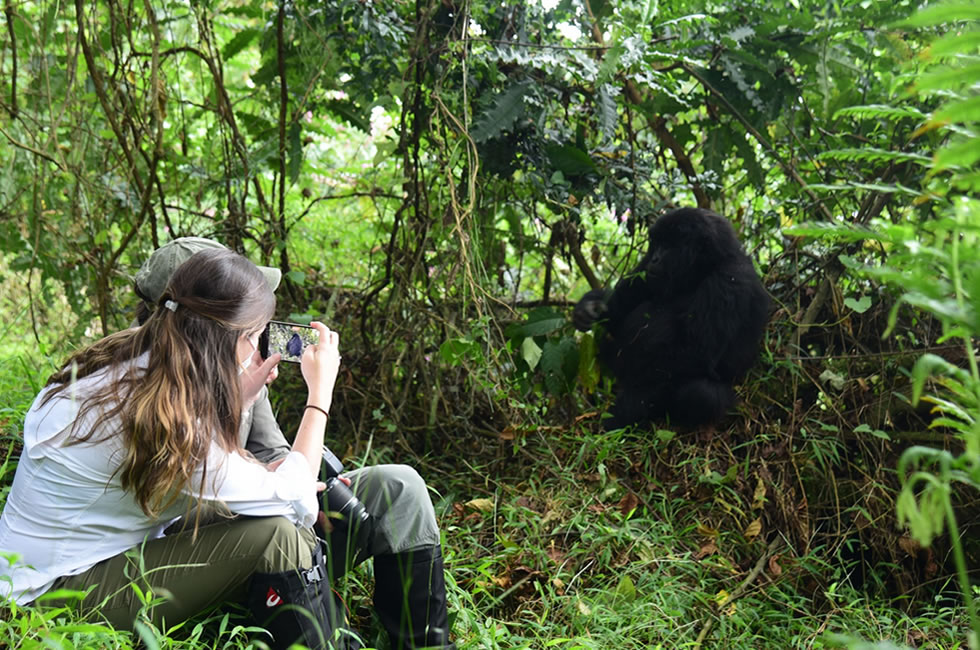
Photographing the Big Five in Rwanda is one of the most rewarding wildlife experiences in Africa. Although Rwanda is best known for its mountain gorillas, the country’s restored savannah ecosystem in Akagera National Park is now home to lions, elephants, rhinos, leopards, and buffalo. Capturing these magnificent animals requires more than just a good camera—it demands patience, preparation, an understanding of animal behavior, and respect for nature. Whether you are a beginner using a smartphone or an experienced wildlife photographer carrying professional equipment, thoughtful planning can dramatically improve your safari photographs while helping protect wildlife and their habitats.
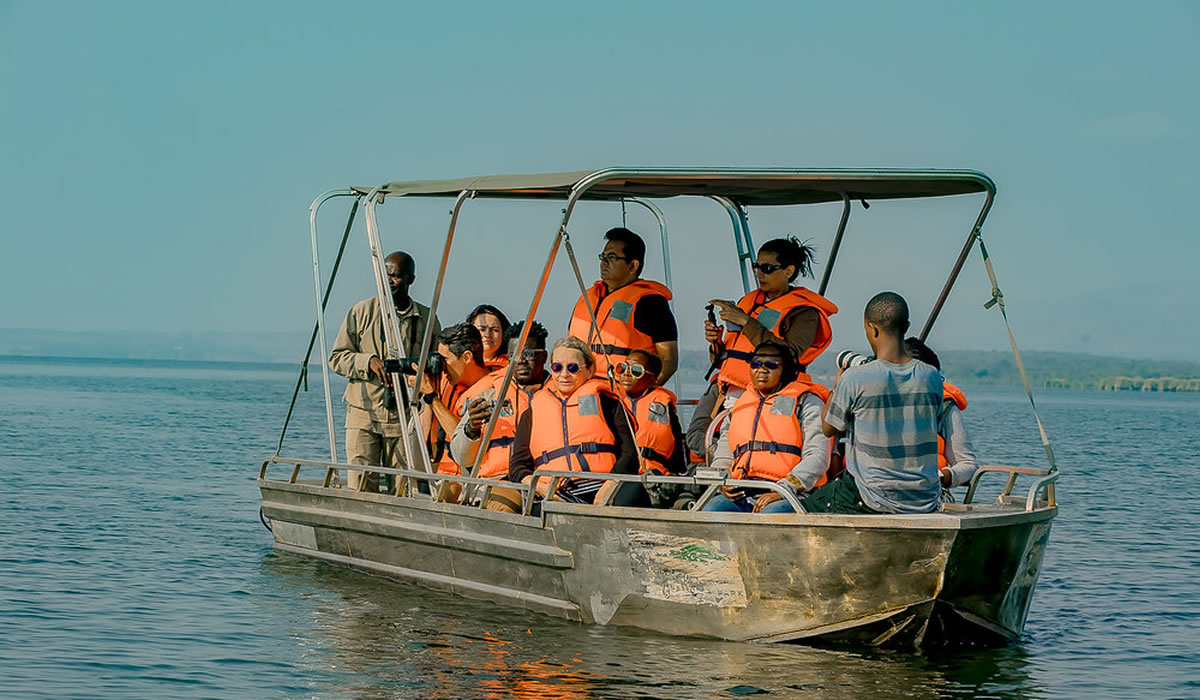
The first step toward successful safari photography is understanding your destination before you arrive. Rwanda’s Akagera National Park features lakes, rolling hills, open grasslands, woodlands, and wetlands, each offering unique photographic opportunities. Learning about the habitats of the Big Five helps photographers anticipate where animals may be found and how they behave at different times of the day. Reading about the park, reviewing maps, and talking with guides before your game drive can increase your chances of seeing wildlife and capturing memorable images.
Choosing the right camera equipment can make a noticeable difference in wildlife photography. A DSLR or mirrorless camera with fast autofocus and good low-light performance is ideal, but excellent photographs can also be taken with bridge cameras or modern smartphones equipped with telephoto lenses. A versatile telephoto lens between 100mm and 400mm allows photographers to capture animals from a safe distance without disturbing them. Carrying extra batteries and memory cards is equally important because long game drives often provide many unexpected photographic opportunities.
Lens selection should match the type of photographs you hope to create. Long telephoto lenses help isolate distant animals, allowing detailed portraits of lions, leopards, and rhinos. A medium zoom lens works well when elephants or buffalo approach the safari vehicle. Wide-angle lenses are often overlooked, yet they are valuable for showing wildlife within Rwanda’s beautiful landscapes, giving viewers a sense of scale and environment rather than focusing only on close-up animal portraits.
Lighting is one of the most important elements in wildlife photography. Early morning and late afternoon, often called the golden hours, produce soft, warm light that enhances colors, reduces harsh shadows, and creates beautiful reflections in the eyes of animals. Midday sunlight is usually stronger and can create high contrast, but photographers can still produce excellent images by adjusting exposure, using shade creatively, or focusing on black-and-white compositions where contrast becomes an artistic advantage.
Understanding animal behavior significantly improves photography results. Instead of constantly chasing animals, experienced photographers spend time observing their movements and anticipating moments before they happen. Lions may yawn before resting, elephants often raise their trunks before drinking or smelling the air, and buffalo move in coordinated herds. Recognizing these natural behaviors allows photographers to prepare their camera settings in advance and capture action rather than reacting after the moment has passed.
Patience is one of the greatest skills a wildlife photographer can develop. Animals rarely perform on command, and some of the best photographs are taken after waiting quietly for extended periods. A leopard hidden in a tree may eventually stretch or change position, while elephants crossing a road may create dramatic family scenes if given enough time. Remaining calm and avoiding unnecessary movement helps both photographers and wildlife feel more comfortable during encounters.
Camera settings play a major role in producing sharp wildlife photographs. Fast shutter speeds help freeze movement when animals are running or birds suddenly take flight. Wider apertures create beautiful background blur that isolates the subject, while narrower apertures work well when photographing multiple animals together. Many photographers prefer continuous autofocus and burst shooting mode because they increase the chances of capturing sharp images during fast-moving wildlife encounters.
Composition transforms an ordinary wildlife photograph into a memorable story. Rather than always placing animals in the center of the frame, photographers can apply the rule of thirds to create more balanced and engaging images. Including surrounding trees, lakes, mountains, or dramatic skies provides environmental context that highlights Rwanda’s natural beauty. Leaving space in front of a moving animal also creates a stronger sense of direction and movement within the photograph.
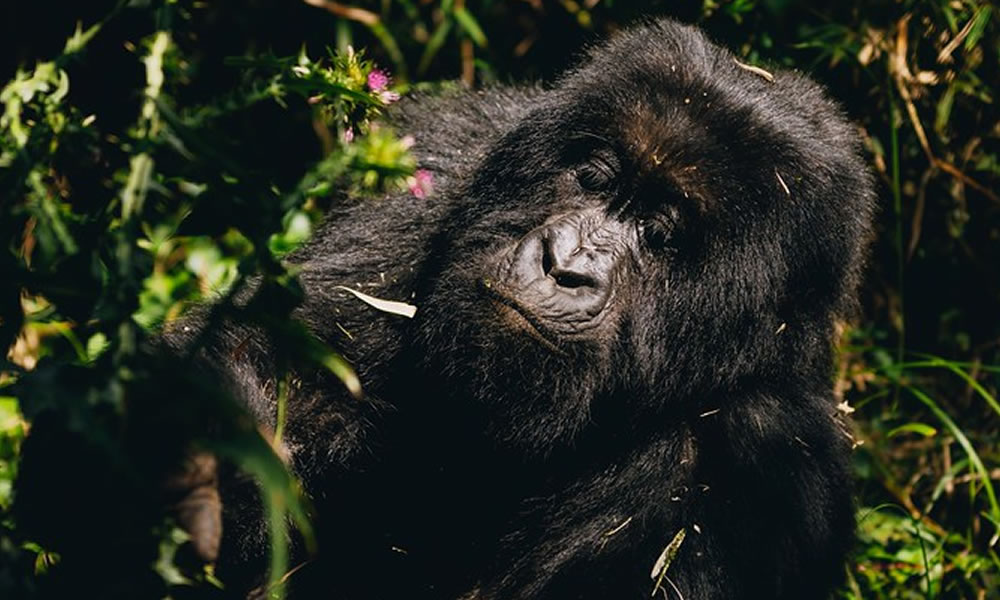
Eye contact often creates the strongest emotional connection between wildlife and viewers. Whenever possible, photographers should focus carefully on the animal’s eyes, ensuring they remain sharp even if other parts of the body appear slightly softer. Clear eye contact helps communicate personality, curiosity, strength, or vulnerability, making photographs more compelling and memorable for audiences who may never visit Rwanda themselves.
Weather conditions should not discourage photographers from going on safari. Misty mornings, light rain, dramatic storm clouds, and changing skies can produce unique photographs that differ from traditional sunny safari images. Rain often enhances animal colors, creates reflections, and adds atmosphere to landscapes. Clouds also soften harsh sunlight, allowing photographers to capture more balanced exposures throughout the day while adding mood and drama to the final image.
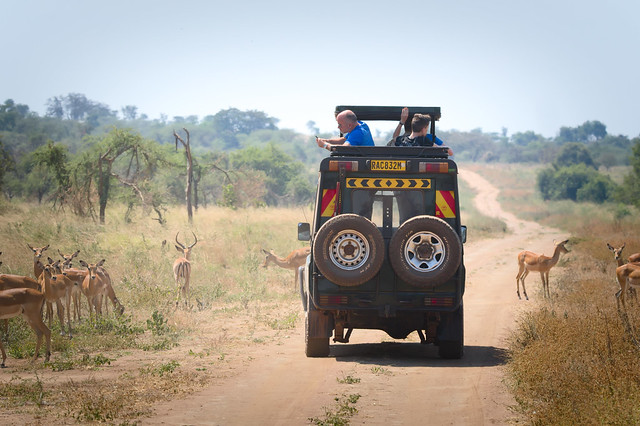
Ethical wildlife photography is essential for protecting Rwanda’s conservation success. Photographers should always follow park regulations, remain inside designated safari vehicles unless instructed otherwise by guides, avoid making loud noises to attract animal attention, and never attempt to feed or approach wildlife. Respecting safe distances not only protects visitors but also ensures that animals continue behaving naturally, resulting in more authentic photographs and supporting long-term conservation efforts.
Working closely with experienced safari guides greatly increases photographic opportunities. Local guides understand animal movements, seasonal behavior, and the best viewing locations within the park. Communicating your photography goals before the game drive allows guides to position the vehicle more effectively for lighting and composition while maintaining appropriate distances from wildlife. Their knowledge can also help photographers anticipate sightings that might otherwise be missed.
Photographers should remember that the landscape itself is part of the safari story. Rwanda’s rolling hills, shimmering lakes, papyrus swamps, and acacia woodlands provide stunning backgrounds that distinguish Akagera from many other African parks. Including these natural features alongside wildlife creates images that celebrate both biodiversity and the environment that supports it. Landscape photographs taken before sunrise or after sunset also complement wildlife portfolios by showing the broader character of the destination.
Post-processing is an important stage in modern wildlife photography but should enhance rather than completely alter reality. Adjusting exposure, contrast, color balance, sharpness, and cropping can improve image quality while preserving the authenticity of the wildlife encounter. Over-editing colors or removing natural elements may reduce the credibility of documentary wildlife photography. Maintaining realistic edits ensures that photographs remain truthful representations of Rwanda’s wildlife and landscapes.
Finally, the most meaningful safari photographs are those that tell stories rather than simply documenting animal sightings. A mother elephant protecting her calf, buffalo gathering around a waterhole, a lion watching the sunrise, or a rhino walking through golden grass all communicate powerful narratives about survival, family, adaptation, and conservation. By combining technical skill with patience, ethical practices, and creative observation, photographers can return from Rwanda with images that inspire appreciation for the country’s remarkable wildlife and encourage continued support for conservation efforts. These photographs become lasting reminders that successful wildlife photography is not only about capturing beautiful pictures but also about preserving memories, raising awareness, and sharing the extraordinary natural heritage of Rwanda with people around the world. With Unique Africa Ventures, You Explore Like Never Before!
For more Info, CONTACT US TODAY AND TALK WITH TOUR CONSULTANT:
Call or WhatsApp: +250 794 128 369
Related Posts