
Affordable Rwanda Safari Adventures Rwanda is one of Africa’s most rewarding destinations for travelers who…
Boat Safaris on Lake Ihema: Wildlife Viewing Explained
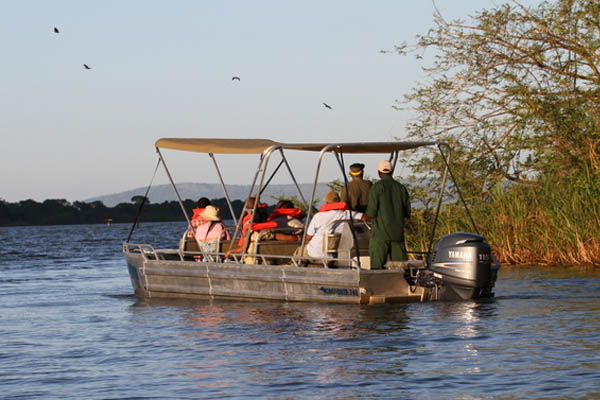
A boat safari on Lake Ihema is one of the most rewarding wildlife experiences in Rwanda, offering visitors a unique opportunity to observe animals from the calm waters rather than from a vehicle. Located within Akagera National Park, Lake Ihema is the country’s second-largest lake and forms part of an extensive network of lakes, wetlands, papyrus swamps, and river channels. Unlike traditional game drives that follow designated roads, a boat safari allows guests to quietly glide across the lake while getting remarkably close to aquatic wildlife without causing unnecessary disturbance. The peaceful environment, the sounds of birds echoing across the water, and the sight of animals gathering along the shoreline create an unforgettable adventure that highlights Rwanda’s remarkable biodiversity.
Lake Ihema plays a crucial role in the ecological health of Akagera National Park. Fed by seasonal rivers and connected to neighboring lakes through wetlands, the lake supports a wide variety of aquatic plants, fish, reptiles, mammals, and birds. Its permanent water supply makes it especially valuable during the dry season when many animals travel considerable distances to drink. The lake’s surrounding vegetation, including dense papyrus reeds and lush grasslands, provides ideal habitats for countless species. Because of these rich ecosystems, wildlife sightings on boat safaris are often abundant throughout the year, making Lake Ihema one of the park’s premier attractions for nature enthusiasts and photographers alike.
One of the biggest highlights of any Lake Ihema boat safari is the opportunity to observe large populations of hippopotamuses. These enormous mammals spend most of the day partially submerged in the cool water to regulate their body temperature before emerging at night to graze on nearby grasslands. During a boat excursion, visitors can often see groups of hippos resting together with only their eyes, ears, and nostrils visible above the surface. Occasionally, individuals open their massive mouths in dramatic displays of dominance or communication, creating memorable photographic moments. Professional guides maintain safe distances while explaining hippo behavior, territorial interactions, and their essential role in maintaining aquatic ecosystems.
Another fascinating resident of Lake Ihema is the Nile crocodile, one of Africa’s largest reptiles. These powerful predators frequently bask along muddy banks or remain nearly invisible beneath the water’s surface while waiting patiently for prey. Boat safaris provide excellent opportunities to observe crocodiles in their natural environment from a respectful distance. Guides explain how crocodiles use camouflage, stealth, and explosive bursts of speed when hunting fish, birds, and occasionally larger animals. Despite their fearsome reputation, crocodiles are a vital part of the ecosystem because they help regulate fish populations and remove weak or diseased animals, contributing to the natural balance of the lake.
Lake Ihema is internationally recognized as one of Rwanda’s finest birdwatching destinations. More than one hundred bird species inhabit or regularly visit the lake, making every boat safari an exciting experience for bird lovers. The famous African fish eagle is frequently seen perched atop tall trees overlooking the water before swooping down with remarkable precision to capture fish. Its distinctive call has become one of Africa’s most iconic wilderness sounds. Visitors may also observe pied kingfishers hovering above the water, cormorants drying their wings after diving, colorful bee-eaters darting through the air, and various species of herons and egrets stalking fish along the shoreline.
Among the most sought-after birds on Lake Ihema is the prehistoric-looking shoebill stork, one of Africa’s rarest and most extraordinary birds. Although sightings cannot be guaranteed due to its elusive nature, experienced guides know the marshy areas where the shoebill occasionally feeds. Birdwatchers from around the world travel to Rwanda hoping to see this magnificent species with its enormous shoe-shaped bill and slow, deliberate movements. Spotting a shoebill during a Lake Ihema boat safari is considered a remarkable achievement and often becomes the highlight of an entire African safari adventure.
The shoreline surrounding Lake Ihema supports a rich diversity of large mammals that frequently visit the water to drink or cool themselves. During early morning and late afternoon cruises, visitors commonly encounter elephants slowly walking through the vegetation before reaching the lake’s edge. Watching these majestic animals drink, spray water across their bodies, or carefully guide their young calves provides intimate wildlife moments rarely experienced from conventional game drives. Buffalo herds also gather near the shoreline, while antelope species such as impalas, waterbucks, topis, and bushbucks can often be seen grazing nearby.
One of the greatest advantages of a boat safari is the unique perspective it offers for wildlife observation. Animals often behave more naturally when viewed from the water than when approached by vehicles on land. Since boats move quietly and follow established routes, many species continue feeding, drinking, or interacting without displaying signs of stress. This allows visitors to witness authentic behaviors such as hippos communicating through vocalizations, crocodiles basking undisturbed, birds building nests, or elephants socializing along the shoreline. Such intimate encounters create a deeper understanding of the interconnected relationships that sustain the lake’s ecosystem.
Photography enthusiasts particularly appreciate boat safaris because of the exceptional photographic opportunities available. The soft morning and evening light reflects beautifully across the calm waters, creating stunning compositions that include wildlife, colorful skies, and mirror-like reflections. Telephoto lenses capture detailed portraits of birds and crocodiles, while wider lenses are ideal for photographing elephants, hippo pods, and sweeping landscapes. Guides frequently position the boat carefully to maximize viewing angles while minimizing disturbance to wildlife. Patience often rewards photographers with dramatic action shots of fish eagles diving, kingfishers catching fish, or hippos surfacing nearby.
Boat safaris on Lake Ihema are carefully managed to prioritize both visitor safety and wildlife conservation. Experienced guides receive specialized training in animal behavior, water safety, navigation, and environmental education. They maintain appropriate distances from potentially dangerous animals while ensuring guests enjoy outstanding views. Visitors are typically required to remain seated, avoid loud noises, and follow all instructions throughout the excursion. These guidelines help minimize stress on wildlife while allowing everyone aboard to safely appreciate the natural environment.
The changing seasons influence wildlife activity on Lake Ihema, making each visit unique. During the dry season, shrinking water sources elsewhere in Akagera National Park encourage more animals to congregate around the lake, increasing opportunities for mammal sightings. Birdlife also remains abundant throughout this period as many species depend on the permanent water supply. During the rainy seasons, the surrounding vegetation becomes lush and vibrant, attracting breeding birds and enhancing the scenic beauty of the landscape. Although weather conditions vary, Lake Ihema consistently provides rewarding wildlife viewing throughout the year.
Conservation efforts have significantly enhanced the ecological health of Lake Ihema and the wider Akagera ecosystem. Over the past decade, collaborative management initiatives have strengthened anti-poaching patrols, restored habitats, and reintroduced key wildlife species to the park. These conservation successes have allowed animal populations to recover while promoting sustainable tourism that benefits local communities. Revenue generated through boat safaris and other park activities supports wildlife protection, environmental education, community development, and ongoing ecological monitoring, ensuring that future generations can continue to enjoy this remarkable natural heritage.
Beyond the wildlife itself, the scenery surrounding Lake Ihema contributes greatly to the overall experience. Rolling hills, acacia woodlands, papyrus swamps, and expansive wetlands create constantly changing landscapes throughout the journey. Early morning mist rising from the water, colorful sunsets reflecting across the lake, and the gentle sounds of birds and insects combine to produce a peaceful atmosphere rarely found elsewhere. Many visitors describe the tranquility of drifting across the lake while immersed in nature as one of the most memorable aspects of their visit to Rwanda.
Educational interpretation is another valuable component of Lake Ihema boat safaris. Knowledgeable guides explain the ecological importance of wetlands, food chains, predator-prey relationships, seasonal migrations, bird identification, and conservation challenges facing freshwater ecosystems. Visitors learn how hippos enrich aquatic habitats through nutrient cycling, how crocodiles regulate fish populations, and why papyrus wetlands serve as critical breeding grounds for numerous bird species. These informative discussions transform a simple sightseeing excursion into an engaging learning experience that fosters greater appreciation for wildlife conservation.
Families, photographers, birdwatchers, researchers, and first-time safari travelers all find Lake Ihema boat safaris highly rewarding because the experience appeals to a wide range of interests. Children often enjoy watching playful hippos and colorful birds, while experienced naturalists appreciate opportunities to observe complex ecological interactions. Photographers benefit from exceptional lighting and unobstructed views, and bird enthusiasts frequently add numerous new species to their life lists during a single excursion. The relatively relaxed pace of a boat safari also makes it an excellent complement to more active game drives within Akagera National Park.
Combining a Lake Ihema boat safari with a traditional game drive provides one of the most comprehensive wildlife experiences available in Rwanda. While game drives focus primarily on terrestrial mammals such as lions, giraffes, zebras, rhinos, leopards, and antelopes, the boat safari reveals an entirely different side of the park centered on aquatic ecosystems and water-dependent species. Together, these experiences offer visitors a complete understanding of Akagera’s remarkable biodiversity and demonstrate how lakes, wetlands, forests, and savannahs function as interconnected habitats supporting an extraordinary variety of wildlife.
Ultimately, a boat safari on Lake Ihema represents far more than a scenic cruise. It is an immersive journey into one of East Africa’s richest freshwater ecosystems, where every bend in the shoreline may reveal new wildlife encounters and every moment offers opportunities for discovery. Whether watching hippos emerge from the water, observing crocodiles basking in the sun, listening to the haunting call of the African fish eagle, or admiring the colorful reflections of sunset across the lake, visitors leave with lasting memories and a deeper appreciation for Rwanda’s commitment to protecting its natural treasures. For anyone seeking an authentic wildlife experience that combines relaxation, education, conservation, and breathtaking scenery, a boat safari on Lake Ihema stands as one of the finest adventures that Akagera National Park has to offer. With Unique Africa Ventures, You Explore Like Never Before!
For more Info, CONTACT US TODAY AND TALK WITH TOUR CONSULTANT:
Call or WhatsApp: +250 794 128 369
Related Posts