
Affordable Rwanda Safari Adventures Rwanda is one of Africa’s most rewarding destinations for travelers who…
Why You Should Visit Rwanda in 2026–2027
Rwanda has become one of Africa’s most remarkable success stories, and 2026–2027 is an especially exciting time to visit. Often called the “Land of a Thousand Hills,” Rwanda combines breathtaking scenery, wildlife conservation, modern infrastructure, cultural pride, and safety in a way that surprises many first-time travelers. Visitors who arrive expecting a small developing nation frequently leave amazed by the country’s cleanliness, organization, hospitality, and ambition. From the vibrant streets of Kigali to the mist-covered mountains where endangered gorillas roam, Rwanda offers experiences that are difficult to find anywhere else in the world.
One of the biggest reasons to visit Rwanda in 2026–2027 is the country’s exceptional reputation for safety and stability. Travelers consistently rank Rwanda among the safest destinations in Africa. Streets are clean, public order is respected, and tourism infrastructure continues to improve every year. Solo travelers, families, business visitors, and adventure tourists often feel comfortable exploring Rwanda thanks to the country’s organized systems and welcoming atmosphere. This sense of security allows visitors to fully enjoy their trip without the stress commonly associated with unfamiliar destinations.
The capital city, Kigali, is itself a major attraction. Kigali is modern, green, and impressively clean, with tree-lined roads, art galleries, cafés, and expanding business districts. Unlike many overcrowded capitals, Kigali feels calm and manageable while still offering vibrant urban life. Visitors can enjoy rooftop restaurants, contemporary African art, coffee shops serving world-class local beans, and lively nightlife. The city also demonstrates Rwanda’s growing role as a regional hub for innovation, technology, and international conferences. In 2026–2027, Kigali continues to expand its reputation as one of Africa’s most forward-looking cities.
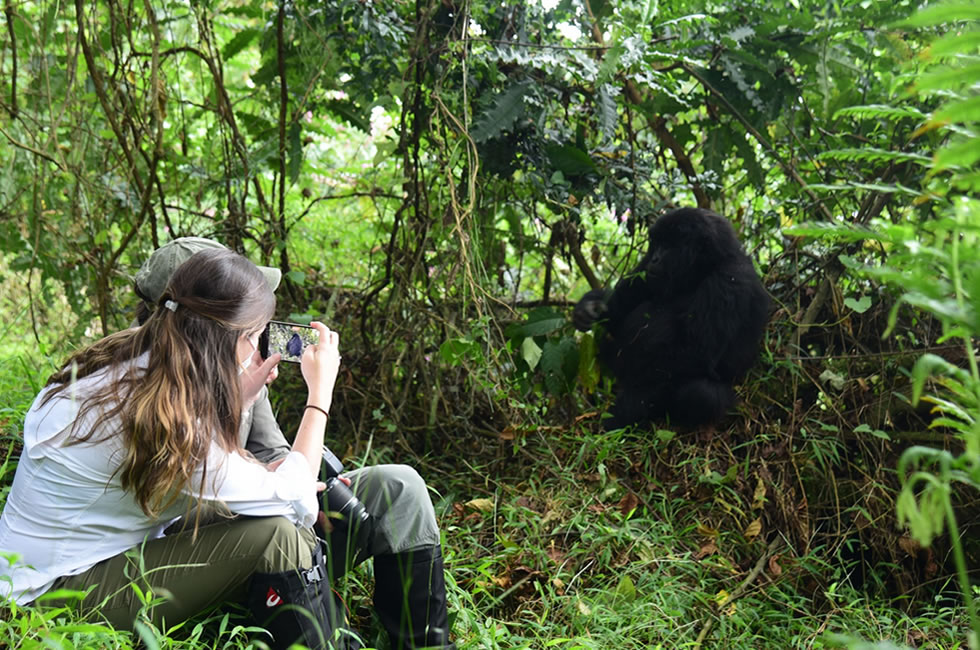
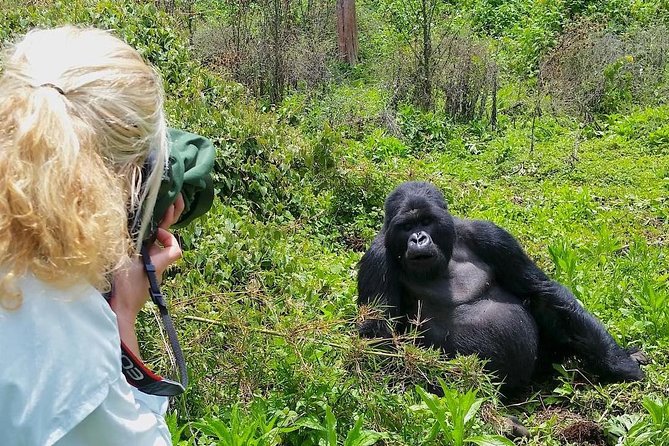
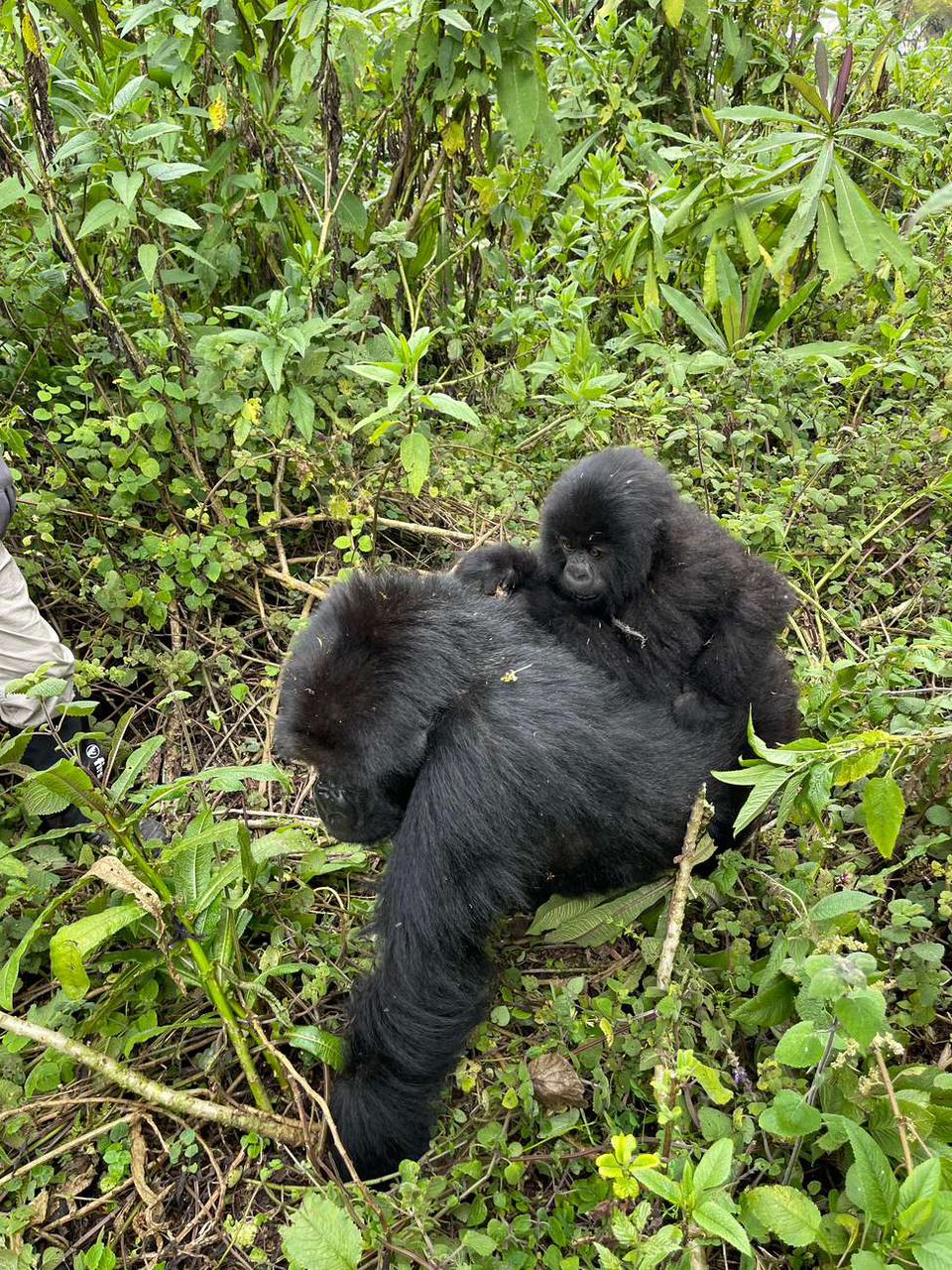
Rwanda is world-famous for mountain gorilla trekking, one of the most extraordinary wildlife experiences on Earth. In Volcanoes National Park, travelers hike through misty forests to spend a precious hour observing endangered mountain gorillas in their natural habitat. Seeing these powerful yet gentle animals up close is emotional, unforgettable, and deeply moving. Rwanda’s conservation efforts have helped protect gorilla populations while supporting local communities through sustainable tourism. Gorilla trekking is expensive, but many visitors describe it as a once-in-a-lifetime experience worth every dollar.
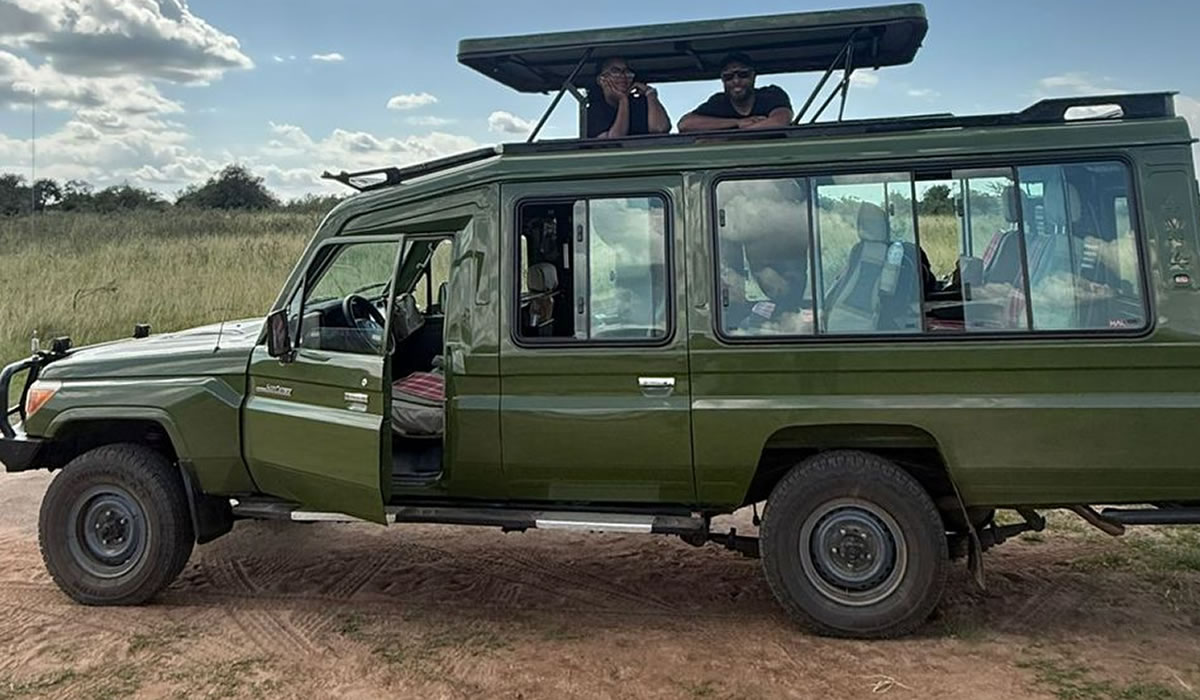
Beyond gorillas, Rwanda offers impressive biodiversity and wildlife conservation. Akagera National Park has transformed into one of Africa’s inspiring conservation success stories. Once heavily damaged by conflict and poaching, the park now hosts the Big Five: lions, elephants, rhinos, leopards, and buffalo. Visitors can enjoy game drives, boat safaris, birdwatching, and luxury lodges overlooking savannah landscapes. Akagera offers a quieter safari experience compared to crowded parks elsewhere in Africa, making it ideal for travelers seeking intimacy with nature.
Another unforgettable destination is Nyungwe Forest National Park, one of Africa’s oldest rainforests. This vast forest is home to chimpanzees, monkeys, rare birds, waterfalls, and hiking trails surrounded by lush greenery. The famous canopy walkway suspended high above the forest floor gives visitors stunning views across the treetops. Nyungwe appeals to adventure travelers, nature lovers, photographers, and anyone interested in eco-tourism. In 2026–2027, Rwanda’s focus on preserving these natural ecosystems remains central to its tourism identity.
Rwanda’s natural beauty extends far beyond national parks. Rolling green hills dominate the landscape, creating breathtaking scenery almost everywhere you travel. Driving through Rwanda feels cinematic, with winding roads passing terraced farms, villages, lakes, and mountain vistas. The country’s relatively small size means visitors can experience diverse landscapes within short travel times. In just a few days, travelers can explore urban Kigali, mountain forests, savannah wildlife areas, and lakeside retreats without exhausting long-distance travel.
Lake Kivu is another major reason to visit Rwanda during 2026–2027. One of Africa’s Great Lakes, Lake Kivu offers relaxing beaches, boat rides, fishing villages, and scenic lakeside towns such as Gisenyi, Kibuye, and Cyangugu. Visitors can kayak along peaceful waters, enjoy sunset cruises, or simply relax after adventurous gorilla treks. The lake region combines tranquility with dramatic scenery, creating a perfect balance between adventure tourism and relaxation.
Rwanda’s coffee and tea industries also make the country especially attractive for food and beverage enthusiasts. Rwanda produces some of the finest specialty coffee in the world thanks to its volcanic soil and ideal climate. Coffee tours allow visitors to see the process from bean to cup while supporting local farmers. Tea plantations stretching across green hills create stunning landscapes and offer opportunities for guided experiences. In Kigali and beyond, cafés increasingly showcase locally sourced products and modern Rwandan culinary creativity.
The country’s cultural richness is another major attraction. Traditional dance, music, storytelling, and craftsmanship remain important parts of Rwandan identity. Visitors can experience performances featuring energetic drumming and elegant Intore dancing, which reflects centuries of cultural heritage. Local markets sell handmade baskets, fabrics, wood carvings, and jewelry crafted by skilled artisans. Rwanda’s cultural tourism experiences often emphasize community involvement, helping travelers engage authentically with local traditions rather than simply observing them from a distance.
Rwanda’s history also gives visitors an opportunity for meaningful reflection and education. The Kigali Genocide Memorial stands as one of the country’s most important sites. It honors the victims of the 1994 genocide against the Tutsi while educating visitors about the consequences of hatred and division. Although emotionally difficult, many travelers describe the memorial as transformative and deeply important. Rwanda’s journey from tragedy to recovery demonstrates resilience, reconciliation, and national rebuilding on an extraordinary scale.
Another reason Rwanda is appealing in 2026–2027 is its growing role in global business and international events. Kigali regularly hosts major conferences, technology summits, sporting events, and diplomatic meetings. Modern convention centers, reliable internet infrastructure, and efficient services attract organizations from around the world. Business travelers increasingly combine conferences with tourism activities such as safaris or gorilla trekking, creating a unique blend of professional and leisure experiences.
Sustainability is deeply connected to Rwanda’s national vision, making it especially attractive for environmentally conscious travelers. Rwanda banned plastic bags years ago and continues to promote eco-friendly tourism practices. Conservation projects support wildlife protection while creating economic opportunities for local communities. Many lodges and tourism operators focus on responsible travel principles, helping preserve the natural beauty that makes Rwanda special. Travelers who care about sustainable tourism often appreciate Rwanda’s commitment to balancing development with environmental protection.
Transportation and accessibility continue to improve significantly in Rwanda. Roads connecting major destinations are generally well maintained, making overland travel relatively smooth compared to many neighboring countries. RwandAir continues expanding regional and international routes, making Kigali increasingly accessible from Europe, the Middle East, Asia, and other African countries. Efficient transport infrastructure allows visitors to maximize their time exploring instead of spending long hours navigating difficult logistics.
Rwanda is also emerging as a destination for luxury travel. High-end eco-lodges, boutique hotels, and premium safari experiences provide world-class comfort in extraordinary settings. Luxury travelers can enjoy private gorilla treks, exclusive lodges overlooking volcanoes, spa retreats by Lake Kivu, and gourmet dining experiences featuring local ingredients. Yet Rwanda also accommodates backpackers and mid-range travelers, offering flexible options across different budgets.
Adventure travelers will find plenty of activities beyond wildlife safaris. Hiking trails around the Virunga Mountains provide incredible views and challenging terrain. Cycling routes attract international mountain biking enthusiasts, while kayaking and paddleboarding on Lake Kivu continue growing in popularity. Rwanda’s famous Congo Nile Trail offers multi-day hiking and cycling adventures through villages, forests, and lakeside landscapes. These outdoor experiences make Rwanda appealing not only for luxury tourists but also for active travelers seeking exploration.
Photography enthusiasts are especially drawn to Rwanda because nearly every part of the country feels visually stunning. Misty mountains, rainforest canopies, volcanic landscapes, vibrant markets, and smiling communities create endless photographic opportunities. Sunrise over the hills of Rwanda can feel almost surreal, with layers of green mountains disappearing into the distance. Wildlife photography opportunities, particularly gorilla trekking, are among the best available anywhere in Africa.
Rwanda’s people are perhaps the country’s greatest strength. Visitors frequently mention the warmth, politeness, and dignity of Rwandans as one of the most memorable aspects of their journey. Hospitality is deeply rooted in the culture, and many travelers form meaningful connections during community visits, guided tours, or simple everyday interactions. The optimism and determination visible across Rwanda contribute strongly to the positive atmosphere visitors experience throughout the country.
For African travelers, Rwanda also represents an inspiring example of regional progress and self-determination. The country’s focus on innovation, gender equality, technology, education, and urban planning has attracted global attention. Rwanda demonstrates how strategic leadership and national unity can drive rapid transformation. Visiting Rwanda in 2026–2027 is not only about tourism—it is also an opportunity to witness a nation actively shaping its future.
Food lovers visiting Rwanda will discover a growing culinary scene blending traditional flavors with international influences. Local dishes such as brochettes, grilled tilapia, plantains, beans, sweet potatoes, and ugali remain staples, while modern restaurants reinterpret Rwandan cuisine in creative ways. Kigali’s restaurant scene continues expanding with African fusion dining, coffee culture, and rooftop venues offering panoramic city views. Travelers increasingly recognize Rwanda as an underrated food destination in East Africa.
One of the most valuable aspects of visiting Rwanda is the emotional impact the country leaves on travelers. Rwanda combines beauty, history, resilience, and ambition in a way that feels deeply human. Whether standing silently before mountain gorillas, reflecting at memorial sites, sharing conversations with local residents, or watching sunsets over Lake Kivu, visitors often experience moments of genuine connection and perspective. Rwanda is not simply a destination to check off a travel list—it is a place that stays in people’s memories long after they leave.
By 2026–2027, Rwanda continues positioning itself as one of Africa’s premier tourism destinations. It offers a rare combination of safety, wildlife, culture, sustainability, luxury, adventure, and meaningful travel experiences within a compact and accessible country. For travelers seeking something beyond ordinary vacations, Rwanda delivers experiences that are both exciting and transformative. Whether you come for gorillas, landscapes, culture, or inspiration, Rwanda has a remarkable ability to exceed expectations and leave visitors wanting to return again. With Unique Africa Ventures, You Explore Like Never Before!
For more Info, CONTACT US TODAY AND TALK WITH TOUR CONSULTANT:
Call or WhatsApp: +250 794 128 369
Related Posts