
Unforgettable Rwanda and Uganda Safari Holidays Discover the incredible landscapes, wildlife, cultures, and unforgettable adventures…
Kigali City Tour – Best Sites, Museums, Markets & History
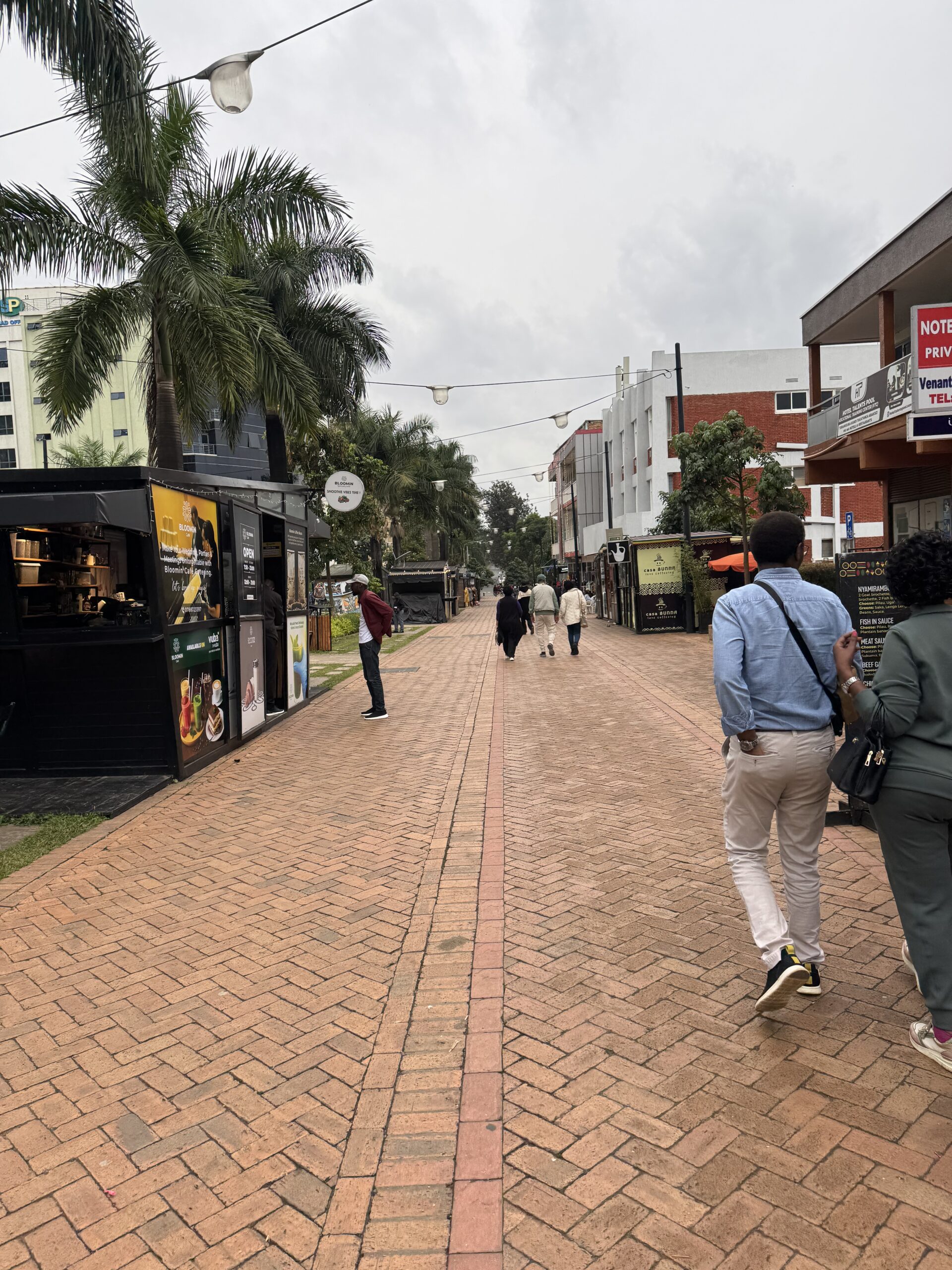
Kigali is often described as one of Africa’s cleanest, safest, and most organized capitals. Spread across rolling green hills, the city combines modern development with deep historical significance and vibrant local culture. Founded in 1907 during German colonial rule, Kigali became the capital after Rwanda gained independence in 1962. Today, it serves as the country’s political, economic, and cultural heart. Visitors are usually surprised by how calm and orderly the city feels, with smooth roads, strict environmental policies, and a strong sense of community pride. A city tour in Kigali is not only about sightseeing; it is also an exploration of resilience, innovation, memory, and cultural identity.
One of the most important places to visit is the Kigali Genocide Memorial. This memorial is both a museum and burial site for more than 250,000 victims of the 1994 Genocide against the Tutsi. The center provides detailed historical exhibitions explaining Rwanda’s colonial history, ethnic tensions, and the tragic events that unfolded over 100 days in 1994. Visitors walk through emotional displays featuring photographs, survivor testimonies, personal belongings, and educational videos. Despite the painful history presented there, the memorial also emphasizes reconciliation, peacebuilding, and national recovery. Many travelers describe it as one of the most powerful and moving memorial sites in the world.
Another remarkable historical attraction is the Campaign Against Genocide Museum located inside the Rwandan Parliament building. This museum tells the story of the Rwanda Patriotic Front’s efforts to stop the genocide. Through military artifacts, maps, multimedia displays, and preserved rooms used during the conflict, visitors gain insight into the country’s liberation struggle. The museum highlights leadership, strategy, and the determination of those who fought to protect civilians during one of Africa’s darkest periods. It also explains how Rwanda rebuilt itself after the tragedy and transformed into one of the continent’s fastest-growing economies.
For travelers interested in art and culture, the Inema Arts Center is one of Kigali’s most creative spaces. Founded by local artists, the center showcases contemporary African art through colorful paintings, sculptures, dance performances, and workshops. Visitors can meet artists in their studios and learn about Rwanda’s growing creative industry. The center also supports social projects for children and young people through art education programs. Music evenings and cultural performances are regularly organized, making the venue a lively meeting place for locals and tourists alike.
A visit to Kandt House Museum offers a fascinating look into Rwanda’s pre-colonial and colonial history. Named after German explorer Richard Kandt, who established the first colonial administrative center in Kigali, the museum explains Rwanda’s natural environment, kingdoms, and colonial encounters. Exhibits include photographs, traditional artifacts, and displays about wildlife found in Rwanda’s national parks. The museum’s gardens and old colonial architecture create a peaceful atmosphere while helping visitors understand how Kigali developed from a small colonial outpost into a modern capital city.
One of the liveliest experiences in Kigali is exploring Kimironko Market, the city’s largest and busiest market. Here, visitors can find nearly everything imaginable: colorful fabrics, fresh fruits, vegetables, spices, shoes, household goods, and handcrafted souvenirs. The market is a perfect place to observe everyday life and interact with local vendors. Brightly patterned kitenge fabrics attract fashion lovers, while food stalls display tropical produce such as passion fruits, avocados, and bananas. Bargaining is common, and many tourists enjoy practicing a few Kinyarwanda phrases while shopping.
The neighborhood of Nyamirambo is another essential stop during a Kigali city tour. Known for its cultural diversity and energetic atmosphere, Nyamirambo offers visitors a more local and authentic side of the city. Walking tours organized by community groups introduce travelers to hair salons, tailor shops, mosques, local homes, and traditional restaurants. Nyamirambo is especially famous for its street food, including grilled meat, sambusas, chapati, and spicy brochettes. The area’s lively nightlife and friendly residents make it one of Kigali’s most memorable districts.
Food tourism is becoming increasingly popular in Kigali. The city’s restaurants blend traditional Rwandan cuisine with international influences from East Africa, Europe, Asia, and the Middle East. Dishes such as isombe, grilled tilapia, goat brochettes, and ugali are widely enjoyed. Restaurants like Heaven Restaurant and Repub Lounge are popular among visitors seeking both local flavors and modern dining experiences. Coffee lovers also appreciate Rwanda’s high-quality arabica coffee, often considered among the best in Africa due to the country’s volcanic soil and high-altitude farms.
Nature and panoramic viewpoints are another highlight of Kigali. The city is built across numerous hills, offering beautiful scenic overlooks. Mount Kigali provides hiking opportunities, horseback riding, and breathtaking views of the skyline and surrounding countryside. During sunrise or sunset, visitors can see the city glowing across green valleys and red-roofed neighborhoods. Kigali’s landscape gives it a peaceful atmosphere quite different from many crowded metropolitan capitals around the world.
For travellers interested in modern urban development, Kigali presents a unique success story. The city is known for its environmental cleanliness, strict anti-littering laws, and monthly community service program called Umuganda, where citizens work together to clean neighborhoods and improve public spaces. Plastic bags are banned nationwide, and many roads are lined with flowers and trees. This commitment to sustainability has helped Kigali earn international recognition as one of Africa’s greenest cities.
The Nyandungu Eco-Park demonstrates Kigali’s commitment to environmental conservation. Once a degraded wetland, the area has been transformed into an eco-tourism park featuring walking trails, birdwatching zones, medicinal gardens, and educational exhibits about biodiversity. Visitors can enjoy peaceful nature walks while learning about Rwanda’s climate initiatives and urban conservation efforts. The park also serves as an example of how cities can restore ecosystems while creating recreational spaces for residents and tourists.
Sports and recreation are also part of Kigali’s urban culture. The BK Arena hosts basketball games, concerts, conferences, and international events. Rwanda has invested heavily in sports tourism and has become increasingly visible in global athletics and cycling competitions. Kigali’s clean roads and scenic hills make it a favorite destination for cycling enthusiasts. International sporting events hosted in the city have further strengthened Rwanda’s reputation as a modern and ambitious destination.
The city’s nightlife offers another dimension of Kigali’s charm. Rooftop lounges, live music venues, and modern cafes attract both locals and expatriates. Areas such as Kimihurura and Kacyiru feature stylish bars and entertainment spaces where visitors can enjoy Afrobeat music, Rwandan dance performances, and contemporary African fashion culture. Kigali’s nightlife is generally relaxed and safe, contributing to the city’s welcoming atmosphere for international tourists.
Religious and cultural diversity also shape Kigali’s identity. Churches, mosques, and temples stand across different neighborhoods, reflecting Rwanda’s multicultural society. The Kigali Convention Centre, with its illuminated dome inspired by traditional Rwandan architecture, has become one of the city’s most recognizable landmarks. It symbolizes Rwanda’s ambition to become a major regional hub for diplomacy, technology, and international conferences.
Shopping in Kigali ranges from luxury malls to artisan cooperatives. Visitors looking for handmade crafts often visit the Caplaki craft village, where local artisans sell woven baskets, wood carvings, beadwork, paintings, and jewelry. These crafts reflect Rwanda’s artistic traditions and provide economic opportunities for local communities. Traditional Agaseke peace baskets are especially popular souvenirs because they symbolize unity and reconciliation in post-genocide Rwanda.
Education and innovation are transforming Kigali into a growing technology center. Innovation hubs, startup incubators, and international partnerships are helping develop Rwanda’s digital economy. Institutions such as Carnegie Mellon University Africa have contributed to the city’s emergence as a regional technology and research destination. Kigali’s focus on digital infrastructure, smart-city planning, and entrepreneurship continues to attract investors and young professionals from across Africa.
Transportation within Kigali is efficient compared to many African capitals. Clean public buses, motorcycle taxis, and ride-hailing services make it easy for visitors to move around the city. Motorcycle taxi drivers are required to provide helmets for passengers, reflecting Rwanda’s strong safety regulations. The roads are well maintained, and traffic discipline is generally respected. Many tourists appreciate how organized and calm transportation feels throughout the city.
Music and dance remain central to Rwandan cultural life. Traditional Intore dance performances feature energetic drumming, singing, and choreographed warrior-style movements. Cultural centers and hotels often organize performances for visitors interested in experiencing Rwanda’s heritage. Modern Rwandan musicians also blend traditional rhythms with hip-hop, gospel, and Afro-fusion styles, creating a dynamic contemporary music scene within Kigali.
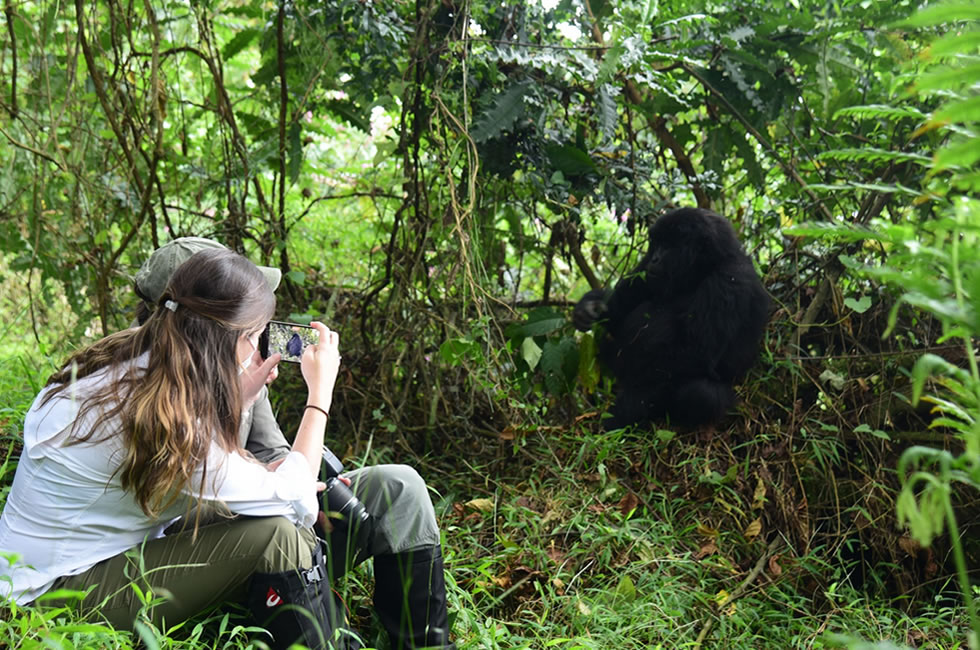
Kigali is also an excellent base for exploring the rest of Rwanda. From the capital, travelers can easily organize trips to Volcanoes National Park for gorilla trekking, Akagera National Park for safari experiences, and Lake Kivu for relaxation along beautiful lakeshores. Many tourists begin their Rwandan journey in Kigali before continuing to these natural attractions.
What makes Kigali truly special is its story of transformation. Only a few decades ago, the city was associated globally with conflict and tragedy. Today, it represents recovery, discipline, ambition, and hope. Visitors frequently comment on the kindness of residents, the city’s cleanliness, and the atmosphere of stability that defines daily life. Kigali successfully balances remembrance of the past with optimism for the future, making it one of the most meaningful and inspiring destinations in Africa.
A complete Kigali city tour therefore combines history, culture, art, food, markets, architecture, and human resilience. Whether walking through memorial museums, tasting local cuisine, exploring colorful markets, or admiring panoramic hilltop views, travelers gain a deeper understanding of Rwanda’s remarkable journey. Kigali is not simply a stopover city; it is a destination that leaves lasting emotional and cultural impressions on everyone who visits. With Unique Africa Ventures, You Explore Like Never Before!
For more Info,CONTACT US TODAY AND TALK WITH TOUR CONSULTANT:
Call or WhatsApp: +250 794 128 369
Related Posts