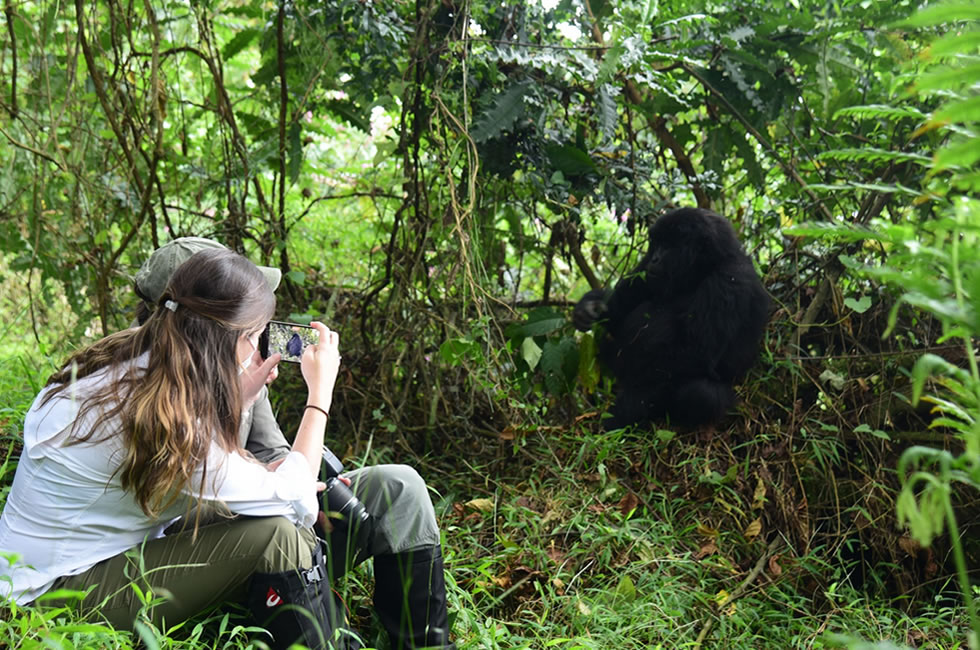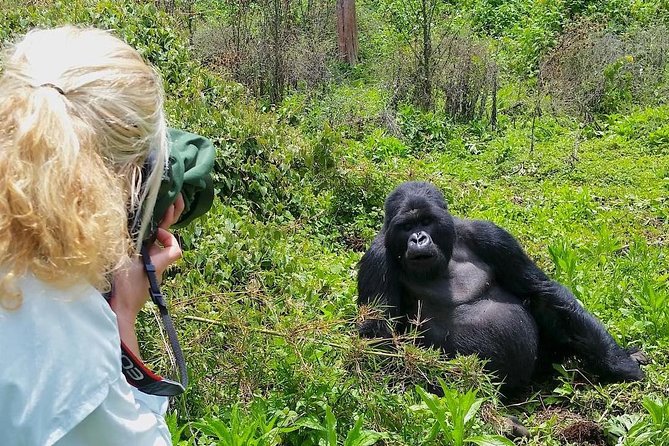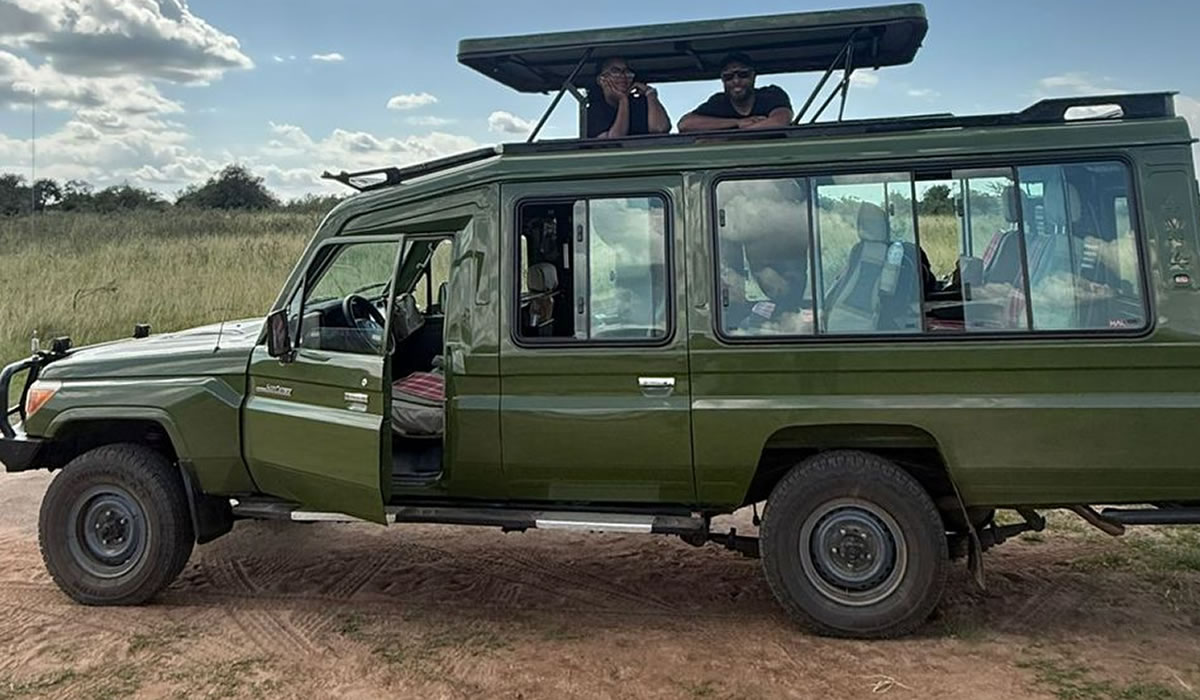

Affordable Rwanda Safari Adventures Rwanda is one of Africa’s most rewarding destinations for travelers who…
Cultural Experiences to Combine with Gorilla Trekking in Rwanda
Rwanda is widely known for its extraordinary gorilla trekking experiences in Volcanoes National Park, but what truly elevates a visit is the opportunity to connect with the country’s rich cultural heritage. Combining wildlife adventure with meaningful cultural encounters gives travellers a deeper understanding of Rwanda’s identity, resilience, and traditions.
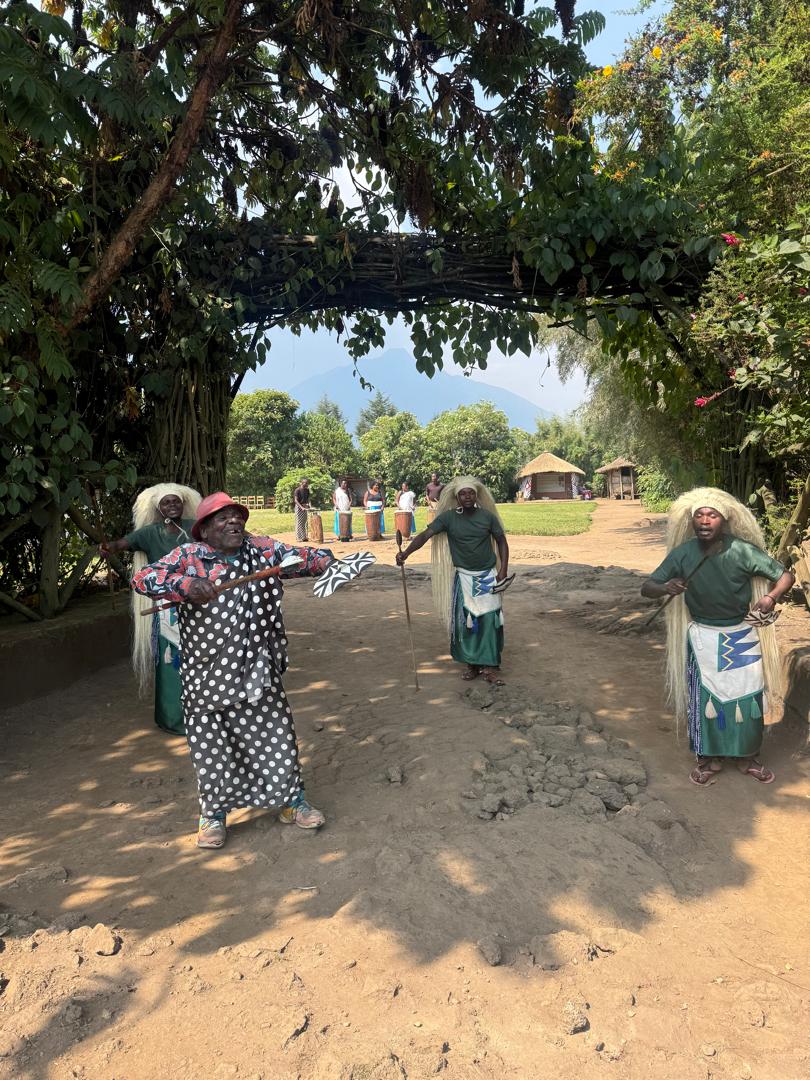
One of the most accessible cultural experiences near gorilla trekking areas is a visit to the Iby’Iwacu Cultural Village. This community-based initiative allows visitors to engage with local traditions through dance, music, storytelling, and demonstrations of pre-colonial lifestyles. Former poachers are now cultural ambassadors, making the experience both educational and impactful.
Traditional dance performances are a highlight of Rwandan culture. The Intore dancers, known for their rhythmic drumming and graceful movements, perform with striking energy and symbolism. Watching these performances near Volcanoes National Park provides insight into Rwanda’s royal heritage and long-standing artistic traditions.
A visit to Dian Fossey Tomb adds historical and conservation context to your trek. Dian Fossey dedicated her life to protecting mountain gorillas, and her legacy remains a vital part of Rwanda’s conservation story.
Exploring local markets in Musanze town offers a glimpse into everyday life. Here, travelers can observe vibrant exchanges of fresh produce, handmade crafts, and traditional fabrics. Markets are ideal for interacting with locals and understanding Rwanda’s economic and social rhythms.
Coffee culture is another essential part of Rwanda’s identity. Visiting a coffee cooperative allows travellers to see the entire production process, from beans to cup. Rwanda’s high-altitude coffee is internationally acclaimed, and tasting it in its place of origin adds a sensory layer to the journey.
Art lovers should not miss the opportunity to visit galleries such as Inema and Niyo Art Centers . Though located in Kigali, it can be included before or after trekking. The center showcases contemporary African art and supports local artists, offering a modern cultural contrast to traditional experiences.
The capital city, Kigali, is also home to the deeply moving Kigali Genocide Memorial. A visit here provides important historical context about the Genocide Against Tutsis in 1994 and the country’s journey toward reconciliation and unity.
Culinary experiences are another way to immerse yourself in Rwandan culture. Traditional dishes like ugali, isombe, and brochettes are widely available. Sharing meals with locals or participating in cooking demonstrations can make this experience even more engaging.
For those interested in rural life, village walks around Musanze offer authentic interactions with farming communities. Visitors can learn about agricultural practices, banana beer production, and daily routines in the countryside.
A visit to Lake Kivu provides a relaxing cultural extension to your trek. Lakeside towns like Gisenyi offer opportunities to meet local fishermen, enjoy boat rides, and experience a slower pace of life.
Music plays a central role in Rwandan culture. Beyond traditional performances, visitors may encounter local musicians blending modern and traditional sounds. Live music venues in Kigali showcase this evolving cultural scene.
Handicrafts are an important cultural expression in Rwanda. Basket weaving, particularly the iconic agaseke baskets, reflects both artistry and symbolism. Visiting cooperatives allows travellers to see artisans at work and support local livelihoods.
Language is another cultural dimension worth exploring. While Kinyarwanda is the national language, many Rwandans also speak English and French. Learning a few basic phrases can enhance interactions and show respect for local culture.
Community-based tourism initiatives are growing across Rwanda. These programs ensure that tourism benefits local populations directly, making your cultural experiences more sustainable and meaningful.
Religious life is also an integral part of Rwandan society. Visiting local churches or attending a service can provide insight into community values and spiritual practices.
For a more immersive experience, consider staying in locally owned lodges or homestays. These accommodations often incorporate cultural elements into their design and hospitality, offering a deeper connection to the destination.
Combining gorilla trekking with cultural experiences in Rwanda transforms a wildlife adventure into a holistic journey. It allows travelers to appreciate not only the country’s natural beauty but also its vibrant traditions, history, and people.
Ultimately, Rwanda offers a rare balance of conservation and culture. By engaging with both, visitors leave with a richer, more nuanced understanding of this remarkable country.
CONTACT US TODAY AND TALK WITH TOUR CONSULTANT:
Call or WhatsApp: +250 794 128 369
Related Posts