
Rwanda Big Five Safari Planning Checklist: The Complete Guide for an Unforgettable Wildlife Adventure Why…
Rwanda Big Five Safari Itineraries for Short Stays
Rwanda has earned a global reputation as one of Africa’s most remarkable safari destinations, offering visitors the opportunity to experience breathtaking landscapes, incredible wildlife, and warm hospitality within a relatively compact country. Unlike many African safari destinations that require long travel days between parks, Rwanda’s well-maintained road network allows travelers to explore diverse ecosystems in just a few days. This makes the country an excellent choice for visitors with limited vacation time who still dream of encountering the famous Big Five—lion, leopard, elephant, buffalo, and rhinoceros. While Rwanda is often celebrated for its mountain gorilla trekking experiences, its growing wildlife conservation efforts have transformed it into an exceptional Big Five destination. Whether you have two days, three days, or a week, carefully planned itineraries can deliver unforgettable encounters with Africa’s iconic wildlife while also showcasing Rwanda’s scenic hills, cultural heritage, and conservation success stories.
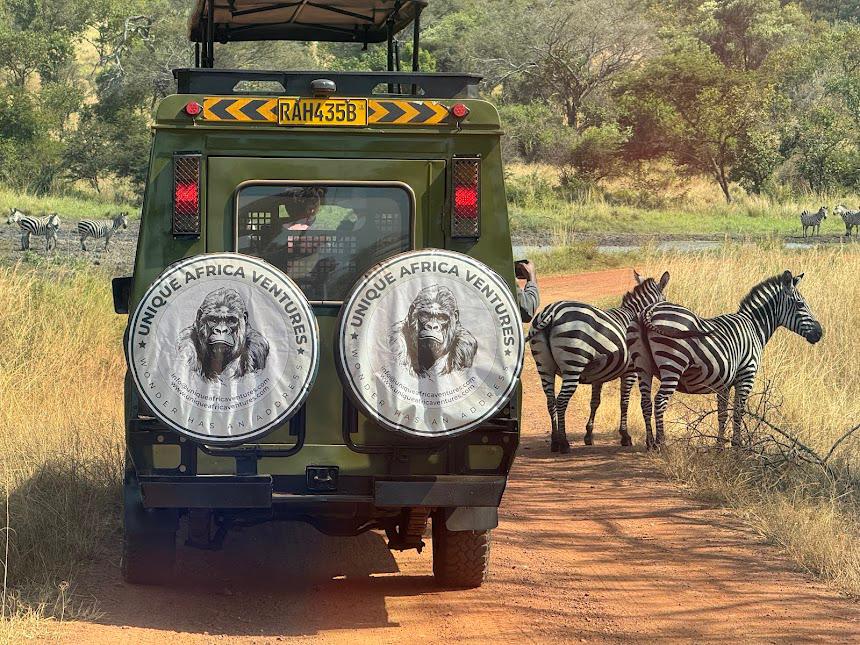
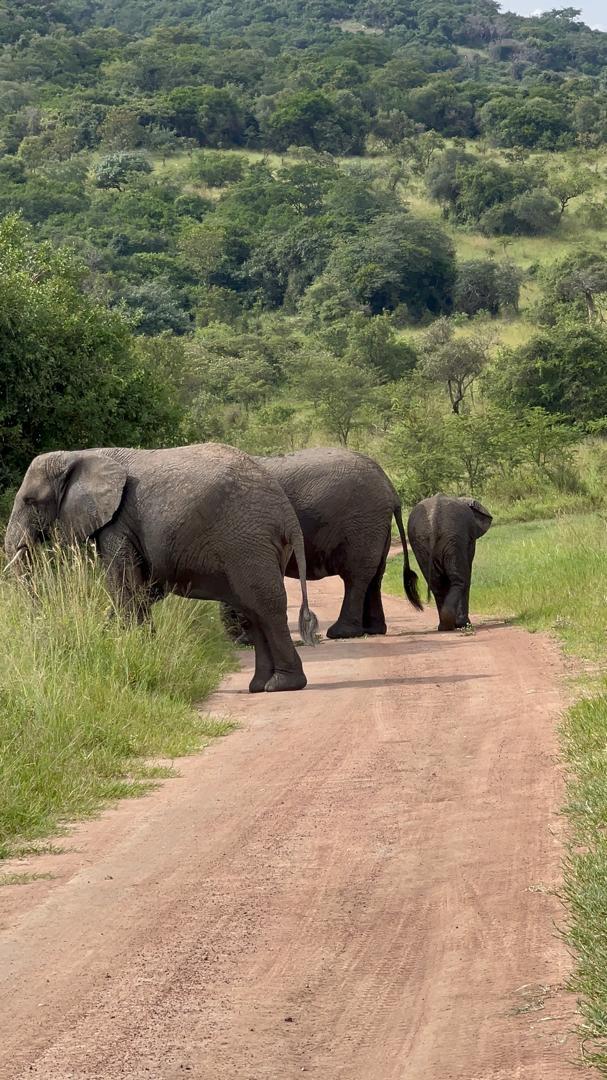
A two-day Big Five safari is ideal for travelers who are visiting Rwanda on business or combining wildlife adventures with gorilla trekking. The journey typically begins with an early departure from Kigali toward Akagera National Park, located in the country’s eastern region. The drive itself is enjoyable, passing through rolling hills, traditional villages, cultivated farmland, and picturesque valleys that illustrate why Rwanda is often referred to as the “Land of a Thousand Hills.” Upon arrival at the park, visitors can immediately begin a game drive across diverse habitats that include open savannah, wetlands, lakes, and woodlands. During this first safari excursion, guests often encounter large herds of buffalo, elephants crossing the plains, giraffes feeding on acacia trees, zebras grazing peacefully, and numerous antelope species. As the sun sets, overnight accommodation inside or near the park allows guests to enjoy the sounds of the African wilderness before setting out again at dawn in search of predators.
The second day of a short safari focuses on maximizing wildlife sightings during the early morning hours when animals are most active. Experienced guides navigate through different sectors of Akagera National Park, tracking lions resting after nighttime hunts and searching for elusive leopards that often remain hidden among rocky outcrops or dense vegetation. Visitors may also have the chance to observe black rhinoceroses and southern white rhinoceroses, both successfully reintroduced through ambitious conservation initiatives that have restored Rwanda’s Big Five status. After the morning game drive, many itineraries include a relaxing boat safari on Lake Ihema, where hippos, crocodiles, and hundreds of bird species thrive along the shoreline. The combination of terrestrial wildlife viewing and aquatic exploration provides an enriching safari experience before travelers return comfortably to Kigali in the afternoon.
For visitors with three days available, the safari experience becomes more immersive and less rushed. The first day usually involves traveling from Kigali to Akagera National Park with a leisurely game drive en route to the lodge. This flexible schedule allows guests to appreciate the changing landscapes while making frequent stops for wildlife photography. Evening game drives often reveal nocturnal species beginning their activities, including hyenas, civets, bush babies, and occasionally leopards preparing for nighttime hunting. Watching the African sunset paint the savannah in shades of orange and gold creates unforgettable memories while providing excellent opportunities for landscape photography.
The second day of a three-day itinerary is typically dedicated to extensive wildlife exploration across multiple sectors of the park. Morning and afternoon game drives increase the likelihood of observing all members of the Big Five while also introducing visitors to a remarkable diversity of other mammals and birds. Akagera National Park supports numerous species, including topi, impala, waterbuck, warthog, olive baboons, vervet monkeys, and giraffes. The park’s wetlands attract fish eagles, African jacanas, kingfishers, herons, and the prehistoric-looking shoebill stork, one of Africa’s most sought-after bird species. Throughout the day, knowledgeable guides share fascinating information about animal behavior, conservation challenges, ecosystem dynamics, and Rwanda’s successful efforts to restore wildlife populations following decades of environmental decline.
The third day often combines a final sunrise game drive with a scenic boat excursion before returning to Kigali. Early mornings remain the most productive period for observing predators, particularly lions patrolling their territories or elephants gathering near water sources. The boat safari on Lake Ihema introduces visitors to a completely different ecosystem where enormous crocodiles bask along muddy banks while pods of hippos emerge from the water to graze nearby grasslands. Bird enthusiasts are rewarded with spectacular sightings as colorful species soar above the lake or nest within papyrus vegetation. After lunch, travelers enjoy a comfortable drive back to Kigali, often arriving with memory cards full of extraordinary wildlife photographs and lasting impressions of Rwanda’s natural beauty.
Four-day itineraries provide opportunities to combine traditional game viewing with meaningful conservation experiences and cultural interactions. After exploring Akagera National Park during the first two days, visitors may spend the third day participating in community tourism activities around the park’s buffer zones. Local communities share traditional dances, music, crafts, and agricultural practices while explaining how wildlife conservation has created sustainable economic opportunities through tourism. These authentic cultural exchanges allow travelers to appreciate the vital relationship between conservation and community development, demonstrating how successful wildlife protection benefits both people and nature.
Another advantage of extending a safari to four days is the increased flexibility for specialized activities. Birdwatching excursions, guided nature walks, night drives, and photography-focused safaris become easier to include without feeling rushed. Professional guides tailor these experiences according to visitor interests, ensuring photographers receive optimal lighting conditions while bird enthusiasts explore habitats supporting hundreds of recorded species. Nature walks introduce guests to smaller aspects of the ecosystem, including medicinal plants, insects, animal tracks, and ecological relationships often overlooked during vehicle-based game drives. These educational experiences deepen visitors’ understanding of Rwanda’s biodiversity beyond the famous Big Five.
Five-day itineraries allow travelers to combine Akagera National Park with other remarkable destinations within Rwanda. Many visitors choose to complement their Big Five safari with mountain gorilla trekking or golden monkey tracking in the country’s volcanic forests. This combination creates one of Africa’s most diverse wildlife adventures, allowing guests to encounter both iconic savannah mammals and endangered primates within a single vacation. The seamless transition between ecosystems highlights Rwanda’s extraordinary ecological diversity despite its relatively small geographic size. Visitors experience open grasslands, freshwater lakes, rolling hills, bamboo forests, and volcanic mountains while observing an impressive range of wildlife.
Travelers interested in conservation frequently appreciate itineraries that emphasize Rwanda’s remarkable environmental recovery story. Akagera National Park has undergone one of Africa’s most inspiring conservation transformations through collaborative management, improved security, community engagement, and wildlife reintroductions. Lions returned to the park after years of absence, followed by black rhinoceroses and later southern white rhinoceroses. These carefully managed reintroductions restored ecological balance while reestablishing Rwanda as a genuine Big Five safari destination. Guides often explain how anti-poaching initiatives, habitat restoration, scientific monitoring, and local partnerships continue protecting wildlife populations for future generations.
Accommodation options within and around Akagera National Park cater to a wide range of budgets and travel preferences. Luxury lodges provide elegant suites overlooking lakes or savannah landscapes, complete with gourmet dining, swimming pools, spa services, and personalized safari experiences. Mid-range lodges offer comfortable rooms, excellent hospitality, and convenient park access while maintaining affordability for families and small groups. Budget campsites and tented accommodations enable adventurous travelers to experience the sights and sounds of the African wilderness more closely without sacrificing safety or essential amenities. Regardless of accommodation level, waking to birdsong and distant animal calls creates an authentic safari atmosphere.
The best time for short Big Five safaris in Rwanda generally falls during the country’s dry seasons when wildlife congregates around permanent water sources and vegetation becomes less dense, improving visibility during game drives. Clear skies and pleasant temperatures create excellent conditions for photography while reducing the likelihood of weather-related travel disruptions. Nevertheless, Rwanda’s parks remain rewarding throughout the year because the country’s climate supports abundant wildlife regardless of season. During wetter months, landscapes become lush and green, migratory birds arrive in greater numbers, and newborn animals frequently appear, providing equally rewarding experiences for many visitors.
Photography enthusiasts benefit greatly from carefully planned short itineraries because Rwanda offers exceptional lighting conditions during early morning and late afternoon game drives. Golden sunlight illuminates the savannah, creating dramatic contrasts and vivid colors that enhance wildlife photography. Guides understand animal movement patterns and position safari vehicles strategically to maximize photographic opportunities while maintaining respectful distances from wildlife. Whether capturing elephants silhouetted against sunrise, lions resting beneath acacia trees, or fish eagles soaring above Lake Ihema, photographers consistently discover memorable subjects throughout their journey.
Families traveling with children often find Rwanda particularly appealing because of its accessibility, safety, and manageable travel distances. Short safari itineraries reduce long hours spent driving while still delivering exciting wildlife encounters. Many lodges provide family-friendly accommodations and educational activities designed to engage younger visitors with conservation, animal behavior, and environmental awareness. Children gain valuable firsthand experiences observing wildlife in natural habitats while developing greater appreciation for biodiversity and responsible tourism practices. These educational adventures often become lifelong memories that inspire future interest in nature and conservation.
Business travelers attending conferences in Kigali increasingly extend their visits by adding two- or three-day Big Five safaris before returning home. Rwanda’s efficient infrastructure makes it possible to leave the capital early in the morning, enjoy productive game drives, and return within a relatively short timeframe. This convenience distinguishes Rwanda from many safari destinations requiring domestic flights or lengthy transfers. Even visitors with demanding schedules can experience authentic African wildlife without committing to extended vacations, making Rwanda an attractive destination for corporate travelers seeking meaningful leisure experiences.
Ultimately, Rwanda’s Big Five safari itineraries for short stays demonstrate that unforgettable wildlife adventures do not always require weeks of travel. Through careful planning, experienced guides, efficient transportation, and well-managed conservation areas, visitors can enjoy remarkable encounters with lions, leopards, elephants, buffaloes, and rhinoceroses within just a few days. Beyond the Big Five, travelers also experience magnificent birdlife, beautiful landscapes, vibrant local communities, and inspiring conservation achievements that distinguish Rwanda as one of Africa’s most rewarding safari destinations. Whether spending two, three, four, or five days exploring Akagera National Park, every itinerary offers opportunities to connect deeply with nature while supporting ongoing efforts to preserve one of East Africa’s most remarkable wildlife success stories. With Unique Africa Ventures, You Explore Like Never Before!
For more Info, CONTACT US TODAY AND TALK WITH TOUR CONSULTANT:
Call or WhatsApp: +250 794 128 369
Related Posts