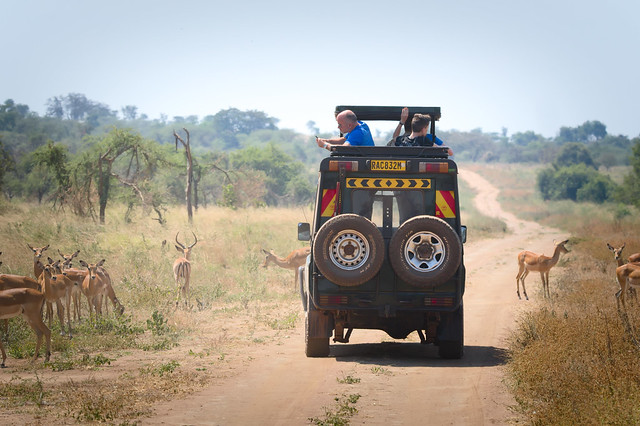

Rwanda Safari Routes Starting from Kigali Airport Rwanda is one of Africa’s most rewarding destinations…
Nyungwe Forest Safari with Tea Plantation Tours
Nyungwe Forest Safari with Tea Plantation Tours: An Unforgettable Rwanda Adventure
Discover the Magic of Nyungwe Forest and Rwanda’s Tea Country
A Nyungwe Forest safari with tea plantation tours is one of the most rewarding ways to experience the natural beauty, wildlife, culture, and landscapes of Rwanda. Located in the southwestern part of the country, Nyungwe National Park is famous for its ancient montane rainforest, chimpanzee trekking, remarkable birdlife, colorful butterflies, rare primates, and spectacular hiking trails. Just beyond the forest, neatly arranged tea fields cover the rolling hills, creating a dramatic contrast between the deep green rainforest and bright green plantations. This combination makes a Nyungwe safari different from a traditional African wildlife safari because the experience is centered on rainforest exploration, primate encounters, scenic drives, hiking, and local tea culture. Rwanda’s tea industry began in 1952, and today tea remains one of the country’s important exports, with plantations around Nyungwe among the most interesting places for visitors to explore.
Why Choose a Nyungwe Forest Safari?
A Nyungwe Forest safari offers travelers the opportunity to explore one of Rwanda’s most biodiverse environments. Unlike the open savannah landscapes associated with classic game drives, Nyungwe is a dense rainforest filled with towering trees, winding trails, streams, orchids, birds, and primates. The forest is particularly famous for chimpanzee trekking in Rwanda, allowing visitors to enter the natural habitat of chimpanzees with experienced guides. Nyungwe is also home to numerous other primate species, making it an excellent destination for travelers interested in wildlife photography and nature experiences. The forest’s unique atmosphere is part of its appeal: instead of searching across wide plains, visitors walk beneath an enormous green canopy and listen for calls and movements hidden among the trees. Official Rwanda tourism information describes Nyungwe as an ancient rainforest with exceptional biodiversity, including chimpanzees, primates, birds, orchids, and butterflies.
Chimpanzee Trekking in Nyungwe National Park
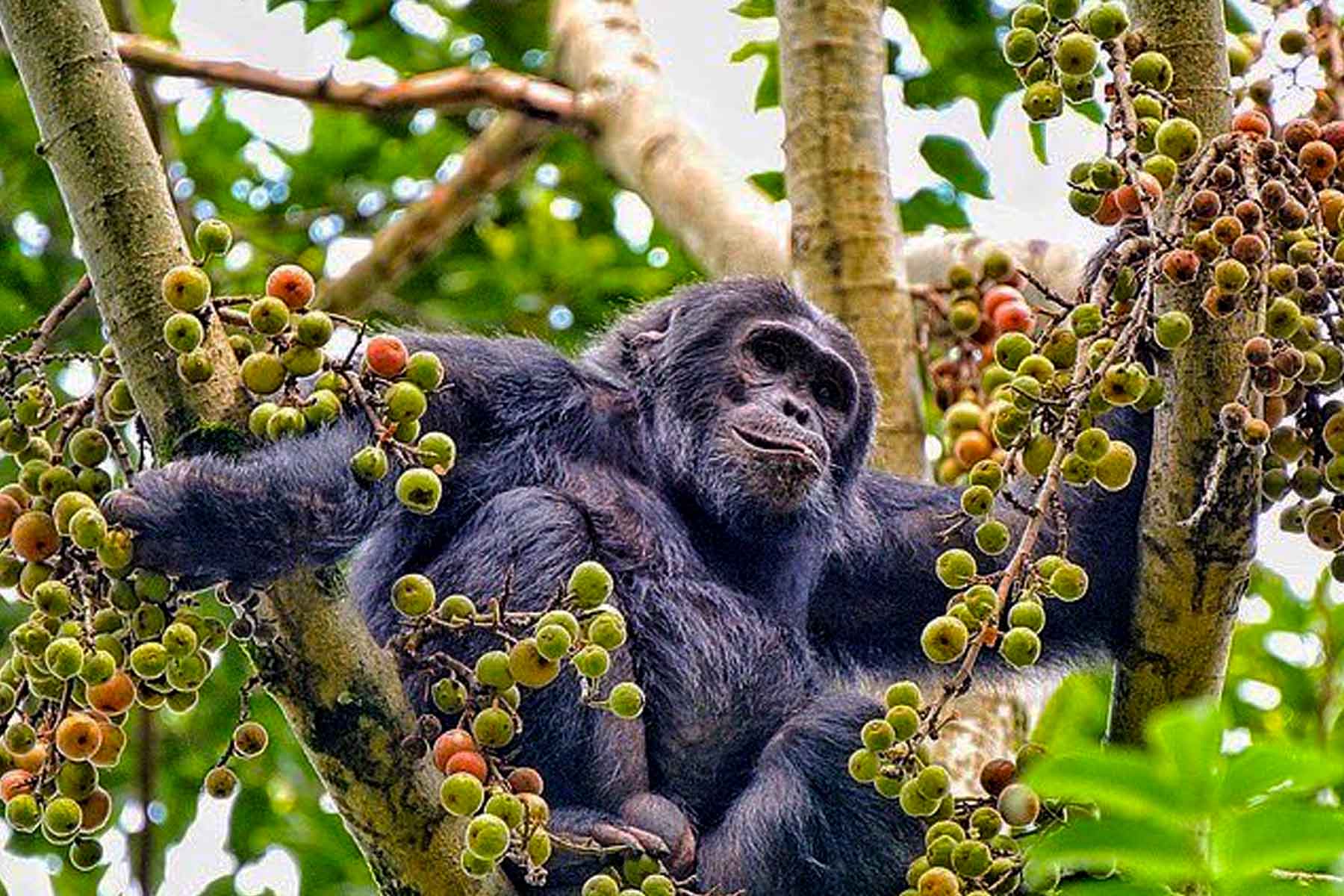
One of the main highlights of a Rwanda chimpanzee trekking safari is the opportunity to observe chimpanzees in their natural forest environment. Chimpanzee trekking usually begins early in the morning, when the forest is active and wildlife is easier to locate. Visitors meet their guides, receive a briefing, and then follow forest trails while trackers search for chimpanzee groups. The experience can involve walking over uneven and sometimes muddy terrain, but the effort is rewarded when travelers finally hear chimpanzee calls or see them moving through the trees. The experience is not simply about taking photographs; it is about understanding the behavior of one of humanity’s closest living relatives and appreciating the complex ecosystem that supports them. For travelers searching for chimpanzee trekking in Rwanda, Nyungwe is an outstanding destination to include in a broader Rwanda safari itinerary.
The Famous Nyungwe Canopy Walkway
The Nyungwe Canopy Walkway is another unforgettable attraction and a perfect addition to a rainforest safari. Suspended high above the forest floor, the walkway provides a completely different perspective of Nyungwe’s vegetation and wildlife. According to Visit Rwanda, the current canopy walkway is approximately 160 meters long and 70 meters high and forms part of guided hiking experiences through the forest. From the elevated bridge, visitors can look across the treetops, deep valleys, and surrounding rainforest while watching birds and occasionally spotting primates. The combination of hiking and the suspended bridge makes this experience particularly attractive to photographers, adventure travelers, families, and anyone looking for a memorable Nyungwe Forest adventure.
Walking Through an Ancient Rainforest
Walking through Nyungwe National Park feels completely different from traveling through Rwanda’s open countryside. The forest surrounds you with towering vegetation, fresh mountain air, birdsong, insects, moss-covered trees, and narrow paths disappearing into the greenery. Several hiking routes allow visitors to experience different sections of the ecosystem, and guided walks provide opportunities to learn about medicinal plants, forest ecology, bird species, and local conservation efforts. Rain can arrive unexpectedly, so good walking shoes and lightweight rain protection are important. The forest trails can become slippery after rainfall, adding an adventurous element to the experience. For nature lovers, this slower style of safari creates opportunities to notice details that are easily missed from a vehicle.
Tea Plantation Tours Near Nyungwe Forest
A tea plantation tour in Rwanda is the perfect complement to a Nyungwe wildlife experience. As you leave or approach the rainforest, the scenery changes dramatically, with carefully maintained tea bushes stretching across the hills. The contrast between the cultivated tea estates and the wild forest creates some of the most beautiful landscapes in southwestern Rwanda. Visitors can learn how tea is grown, harvested, processed, and prepared for tasting. Rwanda’s tea-growing regions benefit from fertile soils, high elevations, and a favorable climate, which help produce distinctive teas. Several tea plantations and factories welcome visitors, particularly around the Nyungwe area.
Exploring Gisakura Tea Plantation
Gisakura Tea Estate is one of the best-known tea-growing areas near Nyungwe Forest. Located close to the western edge of the forest, the plantation offers travelers an opportunity to see the relationship between Rwanda’s tea industry and its natural environment. Visitors can walk through the tea fields, observe tea cultivation, learn about harvesting, and enjoy tea tasting. The plantation is especially attractive for photographers because the rows of tea bushes follow the contours of the hills, creating beautiful patterns against the darker vegetation of Nyungwe. Visit Rwanda notes that Gisakura is among the most famous and scenic tea plantations around Nyungwe, with tours and tastings available.
Gisovu Tea Estate and Forest Landscapes
Another excellent option is Gisovu Tea Estate, situated near the northern edge of Nyungwe National Park. The estate is particularly impressive because the tea fields sit close to the rainforest, creating an extraordinary landscape where cultivated green hills meet ancient forest. A Gisovu tea plantation tour can include exploration of the estate, information about tea production, and tea tasting. The area also offers opportunities to relax, enjoy the surrounding scenery, and appreciate the peaceful atmosphere of Rwanda’s tea country. For travelers combining a Nyungwe safari and tea tour, Gisovu provides an excellent opportunity to experience both agriculture and wilderness in a single destination.
What Happens During a Rwanda Tea Plantation Tour?
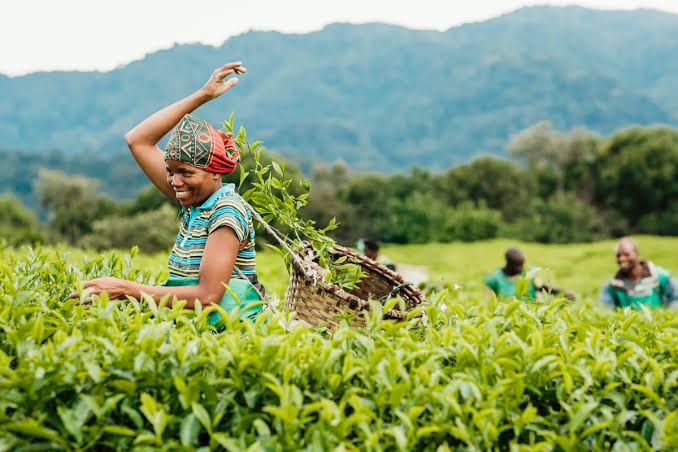
A typical Rwanda tea plantation experience is much more than simply looking at tea bushes. Visitors can learn how young tea plants are cultivated and how experienced tea pickers collect the tender leaves. Depending on the plantation and tour arrangement, travelers may also see aspects of tea processing before participating in a tasting session. The tasting experience provides an opportunity to appreciate the flavor, aroma, color, and character of locally produced tea. Because tea remains an important part of Rwanda’s agricultural economy, the experience also provides insight into the everyday work and communities connected to the industry. For visitors interested in sustainable tourism, food culture, agriculture, and authentic local experiences, a tea plantation tour can become one of the most memorable parts of the journey.
Combining Wildlife and Tea in One Journey
The greatest advantage of a Nyungwe Forest safari and tea plantation tour is the variety of experiences available within a relatively compact region. One morning can begin with chimpanzee trekking deep inside the rainforest, followed by lunch overlooking the hills and an afternoon tea plantation visit. Another itinerary might combine the canopy walkway with a scenic drive through tea country. This variety makes Nyungwe especially attractive to couples, families, photographers, honeymooners, solo travelers, and small private groups. Instead of spending an entire trip focused on one type of wildlife, travelers can combine Rwanda rainforest tours, cultural encounters, hiking, tea tasting, and scenic road journeys.
Scenic Drives Through Rwanda’s Tea Country
The journey to Nyungwe is itself an important part of the adventure. Rwanda is often called the Land of a Thousand Hills, and the roads leading toward Nyungwe offer changing views of mountains, farms, villages, valleys, and tea plantations. The scenery becomes particularly striking when the bright green tea fields appear beside the darker forest. A scenic drive through this region allows travelers to appreciate how people, agriculture, and protected landscapes exist side by side. Visit Rwanda highlights the ease of exploring the country by road and the spectacular scenery encountered along routes connecting its major destinations.
Birdwatching in Nyungwe Forest
For bird lovers, a Nyungwe birdwatching safari can be an extraordinary experience. The forest provides habitat for a remarkable range of bird species, including birds that are difficult to find elsewhere. The dense vegetation means that birdwatching requires patience, concentration, and an experienced guide. Instead of expecting constant sightings, visitors learn to recognize calls, movement, colors, and silhouettes among the forest canopy. Binoculars and a camera with a suitable telephoto lens can significantly improve the experience. Nyungwe is regarded as one of Rwanda’s major birdwatching destinations, making the forest an excellent choice for specialist birders as well as travelers who simply enjoy discovering new species.
Primates, Butterflies, and Forest Wildlife
Chimpanzees may be the most famous residents of Nyungwe, but they are far from the only attraction. The forest supports numerous primate species as well as butterflies, orchids, reptiles, and other forest wildlife. The possibility of seeing animals unexpectedly along a trail adds excitement to every walk. You might hear movement above you, notice a colorful bird crossing the trail, or discover a troop of monkeys moving through the vegetation. The official Rwanda tourism platform highlights Nyungwe’s exceptional diversity of primates, birds, orchids, and butterflies. For wildlife enthusiasts, this biodiversity makes every guided walk feel like an exploration rather than a predictable sightseeing activity.
Tea, Culture, and Local Communities
A Nyungwe tea plantation tour can also help travelers understand the communities living around the forest. Tea cultivation is an important economic activity in Rwanda, and plantation visits provide a window into agricultural life and the work involved in producing a globally traded product. Travelers can meet people involved in tea cultivation, learn about traditional and modern agricultural practices, and appreciate the skill required to harvest high-quality leaves. Responsible tourism in this region is particularly valuable because the future of the forest is closely connected to the well-being of neighboring communities. A meaningful safari therefore does not have to focus only on wildlife; it can also include human stories, livelihoods, agriculture, and conservation.
A Sustainable Tourism Experience
Combining Nyungwe National Park tours with tea plantation visits is also a good way to support a broader model of responsible travel. Protected forests provide habitat for wildlife and help preserve important ecosystems, while agriculture provides livelihoods for nearby communities. Travelers can contribute positively by following park regulations, avoiding litter, respecting wildlife distances, staying on designated trails, and purchasing appropriate local products and services. Rwanda has increasingly emphasized conservation and responsible tourism as important parts of its tourism industry. A respectful visitor experience helps ensure that Nyungwe remains a destination where both nature and communities can benefit from tourism.
Best Time for a Nyungwe Forest Safari
Nyungwe can be visited throughout the year, but weather conditions can influence hiking and trekking experiences. Because this is a rainforest environment, rain is always possible, and trails may become muddy after heavy showers. Travelers should therefore prepare for changing conditions regardless of the season. Lightweight waterproof clothing, sturdy hiking shoes, breathable clothing, insect protection, and a waterproof bag for cameras and electronics are useful additions to any Nyungwe safari packing list. The canopy walkway is also open year-round, although afternoon rain can occur. Instead of worrying about finding a completely dry day, visitors should embrace the rainforest climate as part of the experience.
Where to Stay During a Nyungwe Safari
Accommodation around Nyungwe ranges from comfortable lodges to more intimate forest-side properties. One particularly distinctive option is a lodge experience associated with a working tea plantation, allowing guests to combine rainforest scenery with tea-country landscapes. Visit Rwanda highlights One&Only Nyungwe House as a property situated on a working tea plantation on the edge of Nyungwe National Park. Staying close to the forest can make early morning chimpanzee trekking and other activities more convenient while also giving travelers additional time to enjoy the landscape. When selecting accommodation, travelers should consider location, access to trekking points, meals, guiding services, and whether tea-related activities can be arranged.
Suggested 3-Day Nyungwe Forest and Tea Tour
A 3-day Nyungwe Forest safari itinerary can provide a comfortable balance between wildlife and cultural experiences. On the first day, travelers can drive from Kigali toward Nyungwe, enjoying the changing landscapes and stopping at viewpoints or tea-growing areas along the route. After checking into a lodge, the afternoon can be dedicated to relaxing or visiting a nearby tea plantation. Day two can begin early with chimpanzee trekking, followed by lunch and an afternoon canopy walkway experience. Day three can include another forest hike, birdwatching, or a more relaxed tea plantation visit before beginning the journey onward. The exact schedule should be adjusted according to park arrangements, trekking availability, accommodation location, and the traveler’s interests.
A Luxury Nyungwe Safari and Tea Experience
Travelers looking for a luxury Rwanda safari can combine private transportation, high-end accommodation, guided forest activities, tea tasting, and carefully planned scenic experiences. A luxury itinerary does not necessarily mean doing more activities; instead, it allows travelers to enjoy each experience at a comfortable pace. A private guide can tailor the day around photography, wildlife, hiking ability, or cultural interests. Visit Rwanda has previously promoted itineraries combining the canopy walkway, accommodation at a luxury forest-side property, chimpanzee trekking, and tea plantation experiences, demonstrating how these activities can be integrated into one premium journey.
Nyungwe Safari for Couples and Honeymooners
For couples, a Nyungwe honeymoon safari provides a quieter alternative to busier wildlife destinations. The rainforest creates an intimate atmosphere, while the surrounding tea plantations offer peaceful scenery and opportunities for relaxed walks and tea tasting. Couples can spend mornings searching for chimpanzees and afternoons enjoying the landscape from a lodge or tea estate. The combination of adventure and relaxation makes Nyungwe suitable for travelers who want more than a traditional beach or city honeymoon. Adding Lake Kivu to the itinerary can create an even more diverse Rwanda honeymoon, combining rainforest, tea plantations, mountains, and lakeside relaxation. Visit Rwanda also promotes itineraries that combine Nyungwe activities with Lake Kivu experiences.
Photography Opportunities in Nyungwe and the Tea Plantations
Photographers will find endless subjects during a Nyungwe Forest photography safari. The forest provides opportunities for wildlife portraits, bird photography, macro photography, landscape images, and atmospheric rainforest scenes. The tea plantations offer a completely different photographic environment, with geometric rows of tea bushes flowing across rolling hills. Early morning and late afternoon light can add depth and warmth to the landscape, while mist and clouds can create a dramatic rainforest atmosphere. Travelers should carry weather-resistant camera protection because rain can appear quickly. A lightweight telephoto lens is useful for wildlife, while a wide-angle lens is ideal for forest landscapes and tea-covered hills.
What to Pack for a Nyungwe and Tea Plantation Tour
Packing correctly can make a Nyungwe Forest safari tour much more enjoyable. Comfortable hiking shoes with good grip are essential because trails may be steep or muddy. Travelers should also bring lightweight long trousers, breathable shirts, a waterproof jacket, a small backpack, sunscreen, insect repellent, binoculars, a reusable water bottle, and protective equipment for cameras. Neutral clothing colors are generally practical for wildlife walks. A walking stick can also be helpful on steeper trails, and park facilities may offer walking sticks, boots, or raincoats for visitors who need them.
Why Nyungwe and Tea Tours Are Perfect for Slow Travel
A Nyungwe Forest and tea plantation holiday encourages travelers to slow down and appreciate Rwanda beyond its famous headline attractions. Instead of rushing from one activity to another, visitors have time to observe the landscape, listen to forest sounds, speak with local people, taste tea, walk through plantations, and learn about conservation. This slower approach often creates stronger memories because the journey becomes about atmosphere as much as sightseeing. The experience is especially valuable for travelers who enjoy nature, photography, wellness, culture, hiking, and meaningful encounters rather than simply collecting destinations.
Planning Your Nyungwe Forest Safari
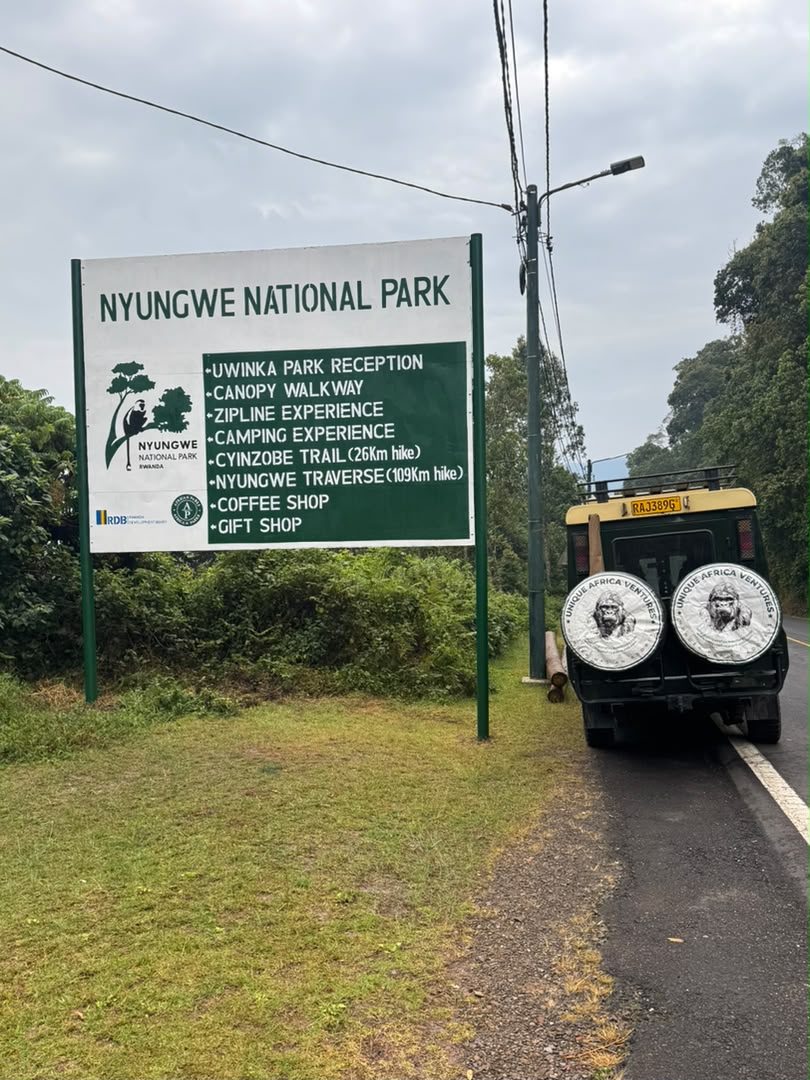
When planning a Nyungwe National Park safari, it is advisable to arrange key activities in advance, particularly chimpanzee trekking and guided experiences. Tea plantation visits may also require advance arrangements because plantations may not handle individual tourist bookings directly. We advise that plantation visits should be arranged through a tour operator as Unique Africa Ventures rather than assuming that visitors can simply arrive without prior arrangements. A reputable local tour operator can coordinate transportation, park activities, accommodation, guides, and tea experiences, allowing travelers to focus on enjoying the journey.
The Perfect Rwanda Nature and Tea Adventure
A Nyungwe Forest safari with tea plantation tours brings together some of Rwanda’s most distinctive experiences: ancient rainforest exploration, chimpanzee trekking, canopy walks, birdwatching, scenic mountain landscapes, tea tasting, and cultural discovery. The journey offers something for different types of travelers, from adventurous wildlife enthusiasts and photographers to honeymooners and families looking for an immersive nature holiday. Nyungwe’s rainforest provides the wild heart of the experience, while the tea plantations reveal another side of Rwanda’s landscape and economy. Together, they create a balanced travel experience that is adventurous, scenic, educational, and deeply connected to the character of southwestern Rwanda. With Unique Africa Ventures, You Explore Like Never Before!
For more Info, CONTACT US TODAY AND TALK WITH TOUR CONSULTANT:
Call or WhatsApp: +250 794 128 369
Related Posts