

Kigali Coffee and Tea Tours Experience-Guide and Details
Kigali is widely known as one of Africa’s cleanest and most organized cities, but beyond its modern skyline and rolling hills lies a rich agricultural tradition deeply connected to coffee and tea. Rwanda’s volcanic soils, cool mountain climate, and high-altitude farms create ideal conditions for producing premium Arabica coffee and fragrant tea. Travelers visiting Kigali often discover that coffee and tea experiences are more than simple tastings; they are cultural journeys that connect visitors with local farmers, women-led cooperatives, traditional roasting methods, and breathtaking rural landscapes. Coffee and tea tourism has become an important part of Rwanda’s hospitality industry because it allows travelers to understand the history, resilience, and entrepreneurial spirit of the country through its most famous exports.
One of the most fascinating parts of the Kigali coffee experience is learning how Rwanda transformed its coffee industry after the devastating events of the 1990s. In the years that followed, the government and local cooperatives invested heavily in quality improvement, farmer education, and international trade partnerships. Today, Rwanda produces some of the most respected specialty coffees in the world, particularly Arabica beans known for fruity and floral notes. Coffee tourism allows visitors to see this transformation firsthand while supporting local communities and sustainable farming practices. Many tours begin in Kigali before heading toward nearby plantations and washing stations located in the countryside.
Tea tours around Kigali are equally captivating because Rwanda’s lush green hills provide ideal conditions for growing high-quality tea. Visitors often travel from Kigali to tea estates near Lake Kivu or Nyungwe regions where endless rows of bright green tea plants stretch across mountain slopes. During these tours, guides explain the tea cultivation process, from planting and pruning to hand-picking leaves and factory processing. Travelers are usually invited to participate in harvesting fresh tea leaves while interacting with local workers who share stories about daily life and farming traditions. The peaceful atmosphere of tea plantations gives visitors a deeper appreciation for Rwanda’s agricultural beauty.
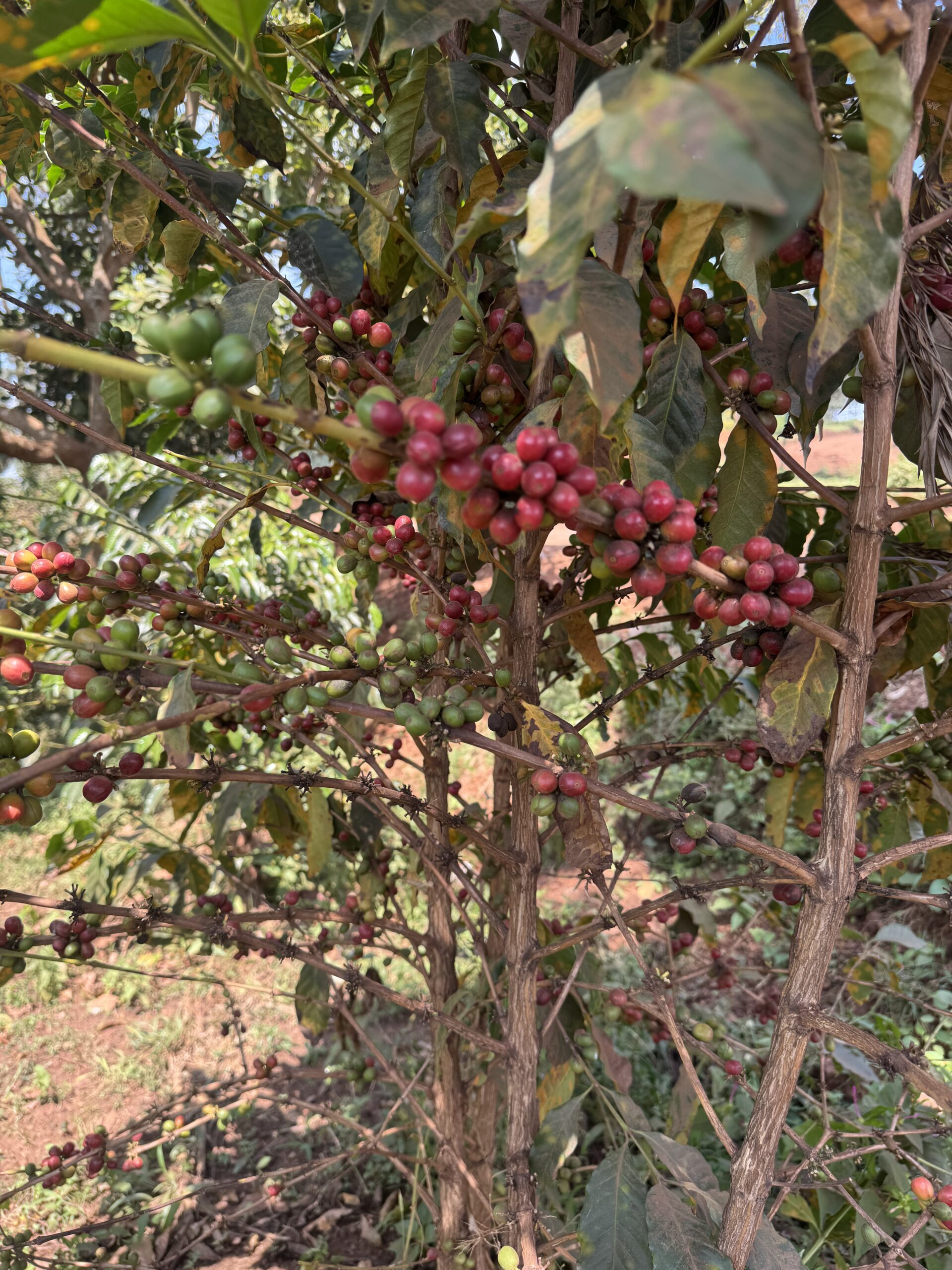
Many coffee tours departing from Kigali include a “crop-to-cup” experience where tourists actively participate in every stage of coffee production. Guests begin by walking through coffee farms and learning how ripe cherries are carefully selected by hand. Guides explain the importance of altitude, rainfall, and soil composition in producing exceptional beans. Visitors then observe washing stations where cherries are sorted, fermented, cleaned, and dried under the sun. Some tours even allow participants to roast beans traditionally over charcoal fires before grinding them manually with wooden tools. The experience ends with tasting sessions that highlight Rwanda’s unique coffee flavors.
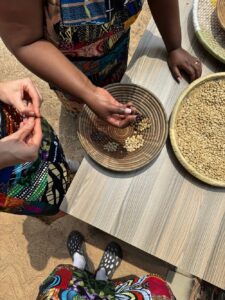
One of the most popular experiences connected to Kigali coffee tourism is visiting women-led cooperatives. Rwanda has become internationally recognized for empowering women in agriculture, particularly within the coffee industry. Several tours emphasize social impact by introducing travelers to female farmers and entrepreneurs who oversee production and export operations. Visitors hear inspiring stories about economic independence, community development, and education initiatives funded through coffee sales. These experiences create a meaningful connection between travelers and local communities while promoting ethical tourism and sustainable development.
Travelers seeking authentic coffee experiences often visit washing stations near Lake Kivu, especially around Kinunu and Rubavu. These areas are famous for producing premium specialty coffee beans exported worldwide. Guided tours explain how washing stations maintain quality control standards and how beans are graded before export. The scenic environment surrounding Lake Kivu adds an unforgettable visual element to the experience, with blue waters contrasting against green plantations and mist-covered hills. Some tours also include boat rides on the lake, creating a relaxing and immersive rural adventure away from Kigali’s urban environment.
In Kigali itself, several cafés and specialty coffee houses offer educational tasting experiences and coffee masterclasses. One well-known destination is Unique Africa Coffee, where visitors can participate in workshops about coffee roasting, cupping, and blending. These urban experiences are ideal for travelers who may not have time for a full countryside excursion but still want to understand Rwanda’s coffee culture. Professional baristas guide guests through aroma identification, brewing techniques, and flavor analysis while serving freshly roasted local beans. Some masterclasses even allow participants to create personalized blends to take home as souvenirs.
Tea plantation tours often involve scenic drives from Kigali through Rwanda’s famous “Land of a Thousand Hills.” Along the journey, travelers pass terraced farms, rural villages, eucalyptus forests, and panoramic viewpoints. Guides frequently stop at local markets and roadside cafés where visitors can sample fresh produce and interact with local communities. These drives become part of the experience itself because Rwanda’s landscapes are among the most beautiful in East Africa. The peaceful environment surrounding tea estates creates a calm atmosphere ideal for photography, relaxation, and cultural immersion.
Another exciting aspect of Kigali coffee and tea tourism is the integration of cultural activities into agricultural experiences. Some tours combine coffee tasting with pottery workshops, traditional dance performances, drumming sessions, and local cooking classes. Travelers not only learn about farming but also experience Rwanda’s artistic heritage and hospitality traditions. Community-based tourism initiatives often organize these cultural activities to generate additional income for local families while preserving indigenous traditions. Such experiences create a deeper understanding of Rwanda beyond wildlife tourism and historical landmarks.
Food lovers especially appreciate Kigali coffee and tea tours because they provide opportunities to pair local beverages with traditional Rwandan cuisine. During tours, guests may enjoy dishes such as grilled brochettes, sweet potatoes, cassava, plantains, beans, and fresh tropical fruits alongside freshly brewed coffee or tea. Some lodges and farms offer farm-to-table meals prepared with locally sourced ingredients. The combination of rich flavors, mountain scenery, and warm hospitality makes these culinary experiences unforgettable for international travelers. Coffee tastings often reveal notes of berries, citrus, chocolate, caramel, and floral aromas unique to Rwandan beans.
Travelers interested in sustainable tourism often choose Unique Africa coffee tours because it is among other many operators prioritizing environmental responsibility and fair trade practices. Farmers increasingly use eco-friendly methods such as organic fertilizers, water conservation systems, and shade-grown cultivation techniques that protect biodiversity. Tour guides explain how responsible farming contributes to environmental preservation and community resilience. Visitors gain awareness of the challenges farmers face, including climate change and fluctuating global coffee prices, while understanding how tourism can support sustainable livelihoods.
Photography enthusiasts find endless inspiration during coffee and tea tours near Kigali. The rolling green hills, colorful coffee cherries, smiling farmers, woven baskets, steaming roasting fires, and misty tea plantations create visually stunning scenes. Sunrise and sunset are particularly magical times for photography because the light enhances the beauty of Rwanda’s landscapes. Many visitors leave with memorable portraits and landscape shots that capture the spirit of rural Rwanda and the authenticity of agricultural life. Tea estates with their geometric rows of green plants are especially popular among travel photographers.
Coffee tourism in Rwanda also appeals to travelers interested in entrepreneurship and global trade. Guides often explain how beans move from farms to international markets in Europe, North America, and Asia. Visitors learn about export grading systems, certification standards, roasting profiles, and specialty coffee competitions. Rwanda’s success in the premium coffee market demonstrates how small-scale farmers can compete internationally through quality-focused production. Many tourists develop a greater appreciation for the complexity and labor involved in producing every cup of coffee they consume back home.
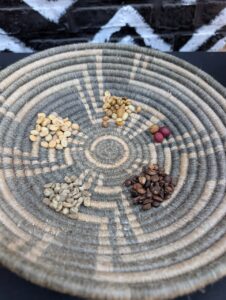
Several multi-day coffee and tea trails begin in Kigali and travel through western Rwanda toward Lake Kivu and Nyungwe Forest. These longer itineraries combine agricultural tourism with hiking, nature exploration, and cultural visits. Travelers may spend nights in eco-lodges overlooking plantations while enjoying traditional music and local storytelling around campfires. Some tours include visits to tea factories where large machines process freshly harvested leaves into black tea for export as others can be craft as single day in Kigali. The combination of education, scenery, and cultural immersion makes these extended tours extremely rewarding for adventurous travelers.
Community interaction remains one of the strongest highlights of Kigali coffee and tea experiences. Unlike highly commercialized tourism destinations, many Rwandan agricultural tours feel personal and intimate. Farmers often welcome visitors into their homes, share homemade meals, and discuss their daily routines openly. Travelers frequently describe these encounters as the most meaningful part of their trip because they create genuine human connections across cultures. Rwanda’s reputation for cleanliness, safety, and hospitality further enhances the comfort and enjoyment of visitors exploring rural communities.
For travelers planning a coffee or tea tour from Kigali, the best seasons are generally during the dry months from June to September and December to February. During harvest seasons, visitors can witness active picking and processing activities, making the experience more interactive and educational. Comfortable walking shoes, sunscreen, light jackets, and cameras are recommended because tours often involve outdoor exploration across uneven terrain and high-altitude environments. Most operators provide transportation from Kigali, meals, guides, and tasting sessions as part of the package.
The growing popularity of Kigali’s coffee and tea tourism reflects Rwanda’s broader transformation into a modern, welcoming, and innovative travel destination. Beyond gorilla trekking and safari experiences, agricultural tourism offers visitors an opportunity to understand the heartbeat of Rwanda through its farmers, landscapes, and traditions. Whether enjoying a handcrafted cappuccino in Kigali, picking tea leaves on a mountain estate, or roasting coffee beans beside Lake Kivu, travelers discover that Rwanda’s coffee and tea culture represents far more than beverages. It symbolizes resilience, creativity, community, and pride deeply rooted in the country’s identity. With Unique Africa Ventures, You Explore Like Never Before!