
Affordable Rwanda Safari Adventures Rwanda is one of Africa’s most rewarding destinations for travelers who…
Akagera National Park Safari Entry Gates & Zones Explained
Akagera National Park Safari Entry Gates & Zones Explained: The Complete Visitor Guide
Akagera National Park is Rwanda’s only Big Five safari destination and one of the most rewarding wildlife parks in East Africa. Covering more than 1,100 square kilometers, this remarkable conservation area offers diverse landscapes, ranging from rolling savannah plains and dense woodlands to wetlands, lakes, and river systems. Understanding the different Akagera National Park entry gates and tourism zones is essential for planning a smooth safari experience. Whether you are visiting for a game drive, birdwatching adventure, boat safari, camping expedition, or luxury wildlife holiday, knowing where to enter and which areas to explore will help you maximize your time inside the park.
Understanding Akagera National Park
Located in eastern Rwanda along the border with Tanzania, Akagera National Park is named after the Akagera River, which feeds a chain of lakes and wetlands stretching through the park. It is managed through a successful conservation partnership that has transformed the park into one of Africa’s greatest wildlife recovery stories.
Today, visitors can enjoy sightings of lions, elephants, rhinos, buffaloes, leopards, giraffes, zebras, antelopes, hippos, crocodiles, and over 500 bird species. Because of its varied ecosystems, the park is divided into several tourism zones, each offering unique safari experiences.
The Southern Entry Gate (Main Gate)
The Southern Gate serves as the primary entrance to Akagera National Park and is the busiest access point for tourists arriving from Kigali. Since Kigali is only about 2.5 to 3 hours away by road, most safari operators begin their journeys from this entrance. The gate features visitor registration services, security checks, tourism information, and access to park regulations before visitors continue their safari.
The Southern Gate is ideal for first-time visitors because it provides easy access to the park’s developed tourism facilities. Nearby accommodations, guided safari departures, and visitor services make it the preferred starting point for both day trips and multi-day safaris. Most travelers beginning their Akagera adventure pass through this gate before exploring the park’s southern wildlife areas.
Why Most Visitors Use the Southern Gate
The Southern Entry Gate offers excellent road conditions and is connected directly to Kigali by a well-maintained highway. This convenience makes it perfect for tourists with limited travel time who wish to experience Rwanda‘s wildlife without spending long hours driving.
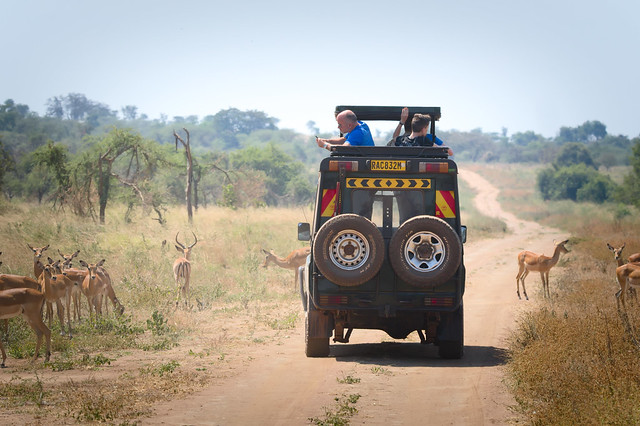
The southern section also contains many picnic sites, campsites, visitor facilities, and safari lodges. Because wildlife viewing begins almost immediately after entering, visitors often spot zebras, impalas, warthogs, baboons, giraffes, and numerous bird species within a short distance of the entrance.
The Northern Exit Gate
The Northern Gate is located near the northern boundary of Akagera National Park and mainly functions as an exit point for visitors completing full-day or multi-day safaris. Travelers using this route often continue toward northern Rwanda or neighboring regions after leaving the park.
Unlike the Southern Gate, the Northern Gate experiences far less traffic. Its remote location allows visitors to experience quieter safari drives with fewer vehicles, creating a more exclusive wildlife viewing atmosphere. Many professional photographers and experienced safari travelers appreciate this peaceful environment.
Why Choose the Northern Zone
The northern sector of Akagera National Park contains vast open savannah landscapes that resemble the famous wildlife reserves of Kenya and Tanzania. This region supports large populations of herbivores, making it one of the best places to search for predators such as lions and leopards.
The expansive grasslands provide outstanding opportunities for photography because wildlife is easier to spot in open terrain. Early morning game drives in this zone frequently produce sightings of elephants, buffaloes, giraffes, zebras, topis, elands, and occasionally hunting lions.
Southern Safari Zone
The southern tourism zone consists of rolling hills, woodland forests, small lakes, and wetlands that create a rich habitat for many wildlife species. It is particularly attractive for birdwatchers because of its variety of aquatic birds and forest species.
Visitors exploring this section often encounter giraffes feeding on acacia trees, troops of olive baboons, vervet monkeys, bushbucks, impalas, and warthogs. The combination of scenic landscapes and abundant wildlife makes this area an excellent introduction to Akagera National Park.
Central Safari Zone
The central region of Akagera acts as a transition area connecting the southern forests with the northern savannah. This zone offers a mixture of habitats including open grasslands, woodlands, valleys, and seasonal wetlands.
Many game drives spend significant time in this region because wildlife movement is frequent throughout the day. Herds of buffaloes, elephants, waterbucks, and various antelope species are commonly observed grazing across the landscape.
Northern Savannah Zone
The Northern Savannah Zone is widely regarded as the premier wildlife viewing area in Akagera National Park. Its broad plains provide ideal grazing grounds for large mammals while also attracting predators that rely on these prey populations.
Visitors spending a full day in this region have excellent chances of seeing lions, elephants, giraffes, buffaloes, zebras, topis, elands, and occasionally leopards. Because vegetation is relatively short, wildlife can often be observed from long distances, creating outstanding photographic opportunities.
Lake Ihema Zone
Lake Ihema is the largest lake inside Akagera National Park and one of the park’s greatest attractions. This freshwater lake supports enormous populations of hippos, Nile crocodiles, and countless water birds.
Boat safaris on Lake Ihema allow visitors to experience wildlife from a completely different perspective. Passengers often observe crocodiles basking on the shoreline while hippos surface only a few meters from the boat. African fish eagles, kingfishers, herons, cormorants, and African jacanas are frequently seen during these excursions.
The Wetland Conservation Zone
Akagera’s extensive wetlands are internationally recognized for their ecological importance. These marshes filter water, reduce flooding, and provide breeding habitats for hundreds of bird species.
Bird enthusiasts travel from around the world to search for rare species inhabiting these wetlands. Papyrus swamps support birds that are difficult to find elsewhere in East Africa, making this area especially valuable for specialized birdwatching tours.
Rhino Conservation Zone
Following successful conservation efforts, black rhinos and white rhinos have returned to Akagera National Park after decades of absence. These protected animals are carefully monitored by highly trained ranger teams working around the clock.
Although rhinos roam naturally across sections of the park, visitors may encounter them during guided game drives, particularly in areas where rangers have recently recorded their movements. Seeing these endangered giants is one of the highlights of an Akagera safari.
Lion Territory in Akagera
Lions were successfully reintroduced into Akagera National Park after they had disappeared for many years. Today, several prides inhabit the northern savannah where prey populations are abundant.
Early morning and late afternoon game drives provide the highest probability of locating lions while they remain active. Rangers and experienced safari guides often communicate recent sightings, increasing visitors’ chances of observing these magnificent predators.
Boat Safari Access Areas
Several designated access points along Lake Ihema allow visitors to join scheduled boat safaris. These excursions offer peaceful wildlife viewing while minimizing disturbance to aquatic habitats.
Boat safaris reveal species rarely seen during normal game drives, including pods of hippos, crocodiles, water monitor lizards, and numerous aquatic birds. Sunset cruises are especially popular because the golden light creates spectacular photography conditions.
Best Entry Gate for Day Trips
Travelers visiting Akagera National Park for a single day should almost always use the Southern Entry Gate. Its proximity to Kigali allows visitors to enter the park early in the morning, enjoy a full game drive, and return to the city before evening.
This option is particularly popular among business travelers, conference delegates, and tourists combining wildlife experiences with gorilla trekking or cultural tours elsewhere in Rwanda.
Best Entry Gate for Multi-Day Safaris
Visitors planning two or three days inside Akagera benefit from entering through the Southern Gate and exiting via the Northern Gate. This route allows travelers to experience nearly every habitat within the park while avoiding unnecessary backtracking.
A northbound safari itinerary provides opportunities to explore wetlands, lakes, woodland forests, central valleys, and northern savannahs, resulting in a more comprehensive wildlife experience.
Road Network Between the Gates
Akagera National Park features an extensive network of game-viewing roads connecting its major tourism zones. While the main routes are generally well maintained, many secondary tracks become challenging during the rainy seasons and are better suited to four-wheel-drive vehicles.
Professional safari guides are familiar with these roads and understand seasonal wildlife movements, significantly improving the chances of memorable animal sightings.
Wildlife Distribution Across the Park
Different animal species prefer different habitats within Akagera National Park. Elephants often move between woodland and savannah areas, while giraffes favor open acacia landscapes. Hippos and crocodiles remain close to permanent water sources, whereas lions typically patrol the northern plains where prey is abundant.
Understanding these habitat preferences helps visitors appreciate why exploring multiple park zones greatly increases wildlife diversity during a safari.
Conservation Success Behind the Zones
The zoning system within Akagera National Park supports both tourism and wildlife conservation. Sensitive habitats receive enhanced protection, while visitor activities are concentrated in areas designed to minimize ecological disturbance.
This balanced approach has contributed to remarkable increases in wildlife populations, making Akagera one of Africa’s leading examples of successful protected area management.
Tips for Choosing the Right Safari Route
Visitors interested primarily in the Big Five should dedicate more time to the northern savannah, where large mammals are frequently encountered. Birdwatchers should prioritize the southern wetlands and Lake Ihema, while photographers benefit from exploring both northern grasslands and scenic lakes during the golden hours of sunrise and sunset. Planning your route according to your interests ensures a richer and more rewarding safari experience.
Understanding Akagera National Park entry gates and safari zones helps travelers make the most of every moment inside Rwanda’s premier wildlife destination. The Southern Gate provides convenient access from Kigali and serves as the ideal starting point for most safaris, while the Northern Gate offers a scenic conclusion to longer wildlife adventures. Each tourism zone—from the lush southern wetlands and the tranquil waters of Lake Ihema to the expansive northern savannah—offers its own distinctive landscapes, wildlife, and experiences.
Whether your goal is to see the Big Five, photograph spectacular scenery, enjoy a peaceful boat safari, or discover one of Africa’s most inspiring conservation success stories, exploring Akagera’s diverse gates and zones will give you a deeper appreciation of this extraordinary national park and create memories that last a lifetime. With Unique Africa Ventures, You Explore Like Never Before!
For more Info, CONTACT US TODAY AND TALK WITH TOUR CONSULTANT:
Call or WhatsApp: +250 794 128 369
Related Posts