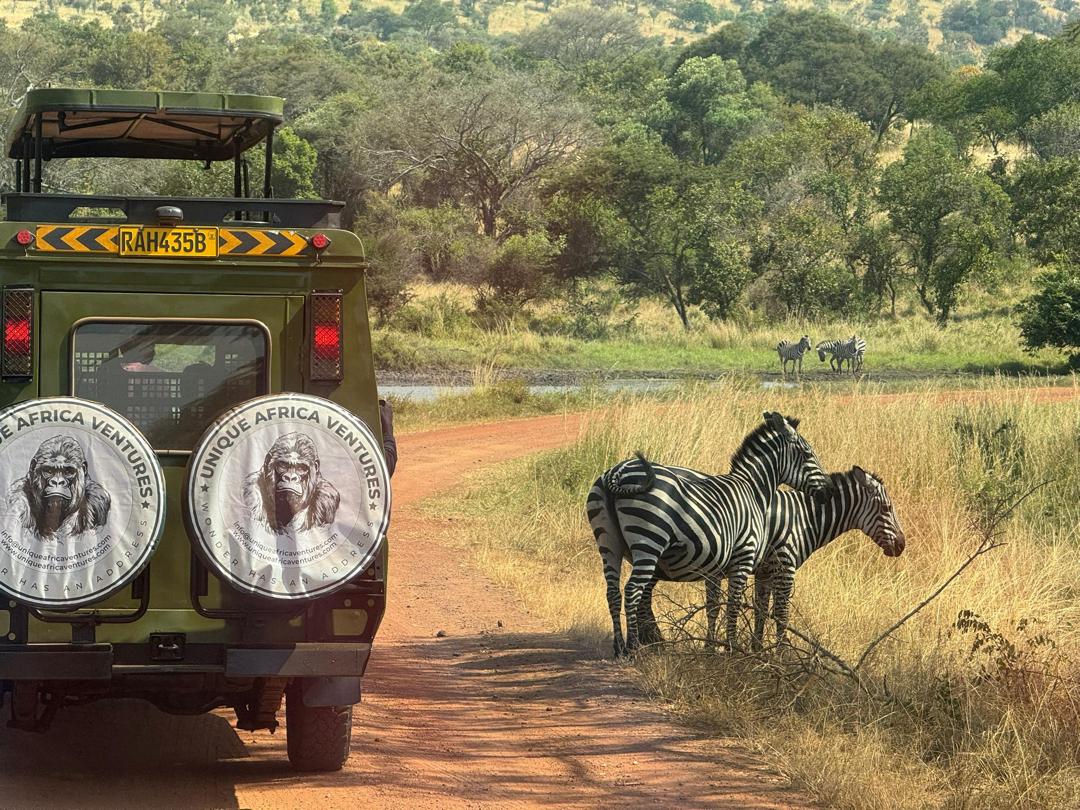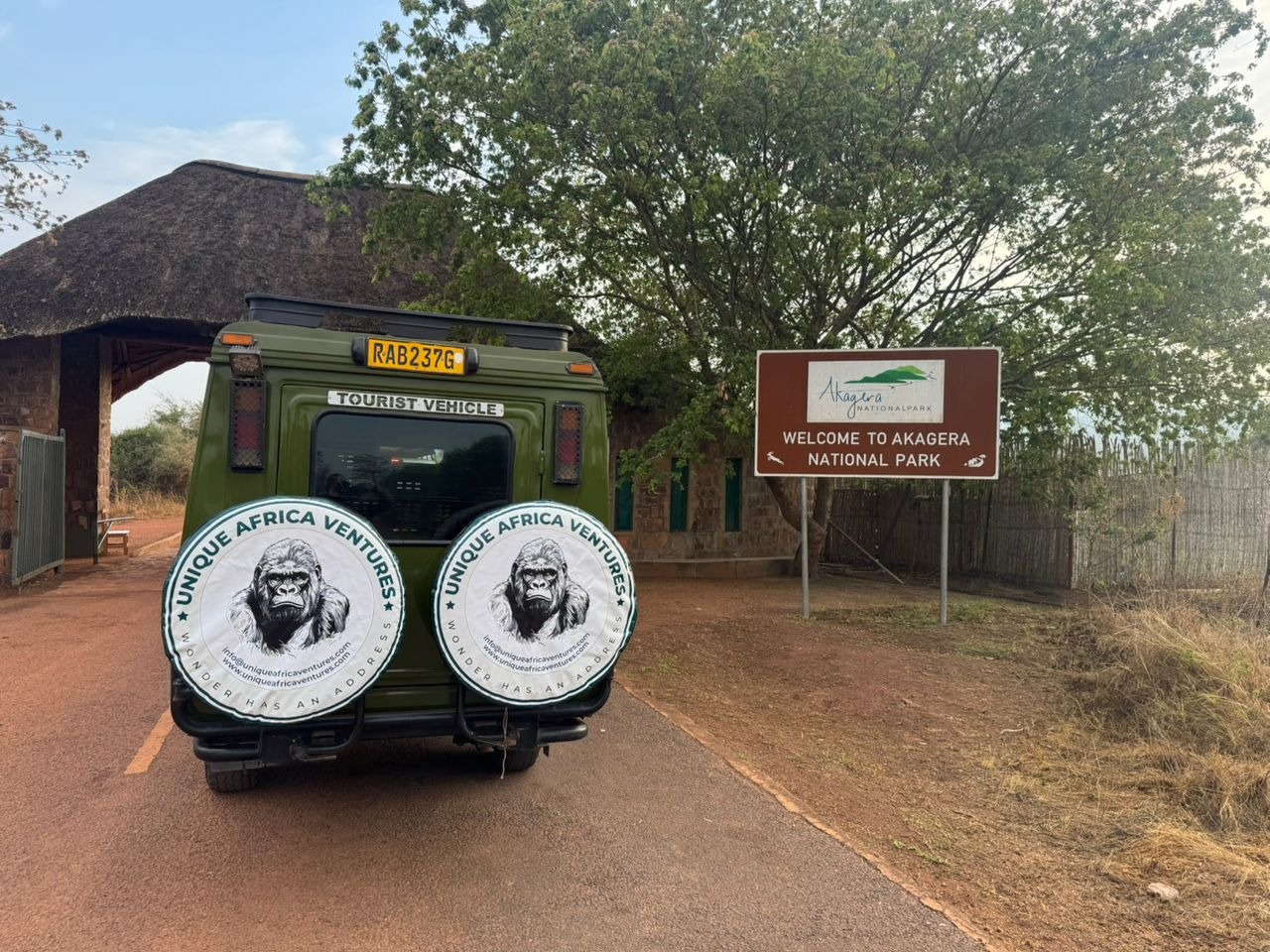

Akagera National Park is one of Africa's most rewarding safari destinations, offering visitors the chance…
Akagera Safari Conservation Success Story Explained
Akagera National Park stands today as one of Africa’s most inspiring conservation success stories. Located in the eastern part of Rwanda along the border with Tanzania, the park has transformed from a landscape facing severe environmental decline into a thriving wildlife sanctuary that attracts visitors from around the world. This remarkable journey did not happen overnight. It was the result of decades of dedication, strategic planning, community involvement, government commitment, and international partnerships. The revival of Akagera demonstrates that even ecosystems suffering from conflict, habitat loss, and wildlife depletion can recover when conservation efforts are carefully planned and consistently implemented. Today, Akagera serves as a model for other protected areas across Africa seeking to balance biodiversity conservation with sustainable tourism and local economic development.
Before Rwanda’s tragic events in the 1990s, Akagera National Park supported a rich variety of wildlife, including elephants, lions, rhinos, buffaloes, giraffes, zebras, antelopes, crocodiles, hippos, and hundreds of bird species. The park’s diverse landscapes—including savannah grasslands, rolling hills, wetlands, lakes, and woodlands—provided ideal habitats for numerous animal species. However, decades of political instability and increasing human pressure gradually weakened conservation efforts. Wildlife populations declined due to poaching, illegal grazing, and habitat encroachment. By the mid-1990s, many iconic species had either disappeared completely or survived only in very small numbers, placing the future of the park in serious doubt.
The aftermath of the 1994 Genocide against the Tutsi created one of the greatest conservation challenges Akagera had ever faced. Hundreds of thousands of returning refugees required land for farming and settlement, leading to significant portions of the park being converted into agricultural land. The protected area lost nearly half of its original size as boundaries were redrawn to accommodate communities rebuilding their lives. At the same time, conservation infrastructure had collapsed, park management became extremely difficult, and wildlife faced unprecedented threats from uncontrolled hunting. Many observers feared that Akagera would never recover from these devastating losses.
Despite these enormous challenges, Rwanda recognized the long-term value of protecting its natural heritage. Conservation leaders understood that healthy ecosystems contribute not only to biodiversity but also to tourism revenue, climate resilience, scientific research, education, and national identity. Instead of abandoning the park, the government committed itself to rebuilding Akagera through stronger environmental policies, improved law enforcement, and partnerships with experienced conservation organizations. This decision marked the beginning of one of Africa’s most remarkable ecological restoration efforts.
A major turning point occurred in 2010 when the Rwanda Development Board partnered with African Parks, an international conservation organization specializing in the rehabilitation and long-term management of protected areas. This partnership combined government leadership with professional conservation expertise, creating a management model focused on ecological restoration, financial sustainability, community development, and effective law enforcement. African Parks introduced modern conservation techniques, strengthened ranger operations, improved infrastructure, expanded scientific monitoring, and invested in long-term planning. These coordinated efforts laid the foundation for Akagera’s dramatic recovery.
One of the earliest priorities was improving park security. Illegal poaching had significantly reduced wildlife populations, making effective protection essential for recovery. Rangers received advanced training, better equipment, improved communications technology, and enhanced patrol systems. Intelligence-led anti-poaching operations became more effective, while surveillance increased across the park. New roads and access routes allowed rangers to respond more quickly to illegal activities. As enforcement strengthened, poaching incidents declined substantially, allowing wildlife populations to recover in a safer environment.
Another major achievement was the construction of a modern electric perimeter fence around much of the park. Human-wildlife conflict had become a serious concern because elephants, buffaloes, and other animals frequently entered nearby farms, destroying crops and threatening livelihoods. The fence significantly reduced these conflicts by preventing wildlife from leaving protected areas while also discouraging livestock from entering the park. Farmers experienced fewer crop losses, local attitudes toward conservation improved, and wildlife could roam more safely within protected boundaries. This practical solution strengthened relationships between conservation authorities and surrounding communities.
The reintroduction of lions marked one of Akagera’s most celebrated conservation milestones. Lions had disappeared from the park after years of conflict and poaching, leaving the ecosystem without one of its top predators. In 2015, several lions were carefully relocated from South Africa following extensive ecological assessments and planning. Their successful adaptation demonstrated that Akagera’s habitat had recovered sufficiently to support large carnivores once again. Since then, the lion population has grown through natural reproduction, becoming a symbol of the park’s ecological revival and attracting wildlife enthusiasts from across the globe.
The return of black rhinoceroses represented another historic achievement. Rhinos had been completely absent from Akagera for many years because of illegal hunting driven by demand for rhino horn. In 2017, conservationists successfully translocated eastern black rhinos into the park under strict security measures. Their arrival restored an important ecological role while increasing Akagera’s global conservation significance. Intensive monitoring, veterinary care, and anti-poaching protection ensured that the rhinos adapted successfully to their new environment.
The recovery continued with the reintroduction of southern white rhinos in 2021. These animals further strengthened Akagera’s conservation achievements by restoring both African rhino species to the park. Their presence meant that Rwanda once again hosted all members of the famous “Big Five“—lion, leopard, elephant, buffalo, and rhinoceros. Achieving Big Five status dramatically increased Akagera’s appeal as a safari destination, attracting higher numbers of international tourists and generating additional revenue to support ongoing conservation activities.
Wildlife monitoring has played a critical role throughout Akagera‘s restoration. Conservation teams regularly conduct aerial surveys, camera trap studies, GPS tracking, ecological research, veterinary assessments, and population censuses. These scientific methods provide accurate information about animal movements, breeding success, habitat use, disease risks, and population trends. Reliable data enables managers to make evidence-based decisions regarding habitat management, species protection, and tourism planning. Continuous monitoring ensures that conservation strategies remain adaptive as environmental conditions change.
Community involvement has been equally important in Akagera‘s success. Conservation efforts are far more sustainable when local residents benefit directly from protected areas. Employment opportunities within the park—including ranger positions, hospitality jobs, construction work, maintenance, guiding, and administration—have provided stable incomes for many families. Tourism businesses surrounding the park also create opportunities for entrepreneurs operating lodges, restaurants, transportation services, handicraft shops, and cultural experiences. These economic benefits help build long-term local support for wildlife conservation.
Revenue-sharing programs have further strengthened relationships between the park and neighboring communities. A portion of tourism income is invested in community development projects such as schools, health centers, water systems, roads, and other public infrastructure. These investments demonstrate that successful conservation can directly improve people’s quality of life. When communities experience tangible benefits from protected areas, they are more likely to participate in conservation initiatives and report illegal activities that threaten wildlife.
Environmental education has become another pillar of Akagera’s conservation strategy. Schools, community organizations, youth groups, and local leaders participate in educational programs that emphasize biodiversity, ecosystem services, wildlife protection, and sustainable natural resource management. By helping younger generations understand the importance of conservation, these initiatives foster long-term environmental stewardship. Increased awareness also reduces harmful practices such as illegal hunting, bush burning, and habitat destruction.
Tourism has become one of the strongest drivers of Akagera’s continued recovery. Visitors now enjoy guided game drives, boat safaris on Lake Ihema, birdwatching excursions, night drives, camping, photography, and luxury safari experiences. Tourism revenue supports park management, infrastructure maintenance, wildlife protection, scientific research, and community development. Unlike many forms of economic development that consume natural resources, well-managed ecotourism creates financial incentives to preserve wildlife and healthy ecosystems for future generations.
Today, Akagera National Park supports growing populations of elephants, lions, rhinos, giraffes, zebras, buffaloes, hippos, crocodiles, numerous antelope species, and more than 500 bird species. Healthy predator-prey relationships have been restored, vegetation is recovering, wetlands remain productive, and ecological processes continue to improve. The park now functions as a balanced ecosystem where wildlife, tourism, scientific research, and community development reinforce one another. This transformation demonstrates that conservation success depends on integrated management rather than isolated interventions.
The story of Akagera offers valuable lessons for conservation worldwide. Strong political commitment, professional park management, scientific research, effective law enforcement, sustainable financing, international collaboration, and meaningful community participation all contributed to the park’s remarkable recovery. No single action alone could have achieved these results; instead, long-term cooperation among multiple stakeholders created lasting change. Akagera proves that restoring damaged ecosystems requires patience, persistence, and a shared vision supported by practical action.
Looking ahead, Akagera National Park continues to face challenges such as climate change, increasing tourism demand, invasive species, disease management, and balancing conservation with regional development. Nevertheless, its successful transformation provides optimism for the future. By maintaining strong partnerships, investing in scientific monitoring, supporting surrounding communities, and protecting biodiversity, Akagera is well positioned to remain one of Africa’s leading examples of successful wildlife conservation. Its journey from ecological decline to international conservation success reminds the world that determined, collaborative efforts can restore nature while creating lasting social and economic benefits for both people and wildlife. With Unique Africa Ventures, You Explore Like Never Before!
For more Info, CONTACT US TODAY AND TALK WITH TOUR CONSULTANT:
Call or WhatsApp: +250 794 128 369
Related Posts