
Nyungwe Forest Hiking Trails Ranked by Difficulty: The Ultimate Guide to Hiking in Rwanda Discover…
Twin Lakes Burera & Ruhondo – Hidden Gems of Northern Rwanda
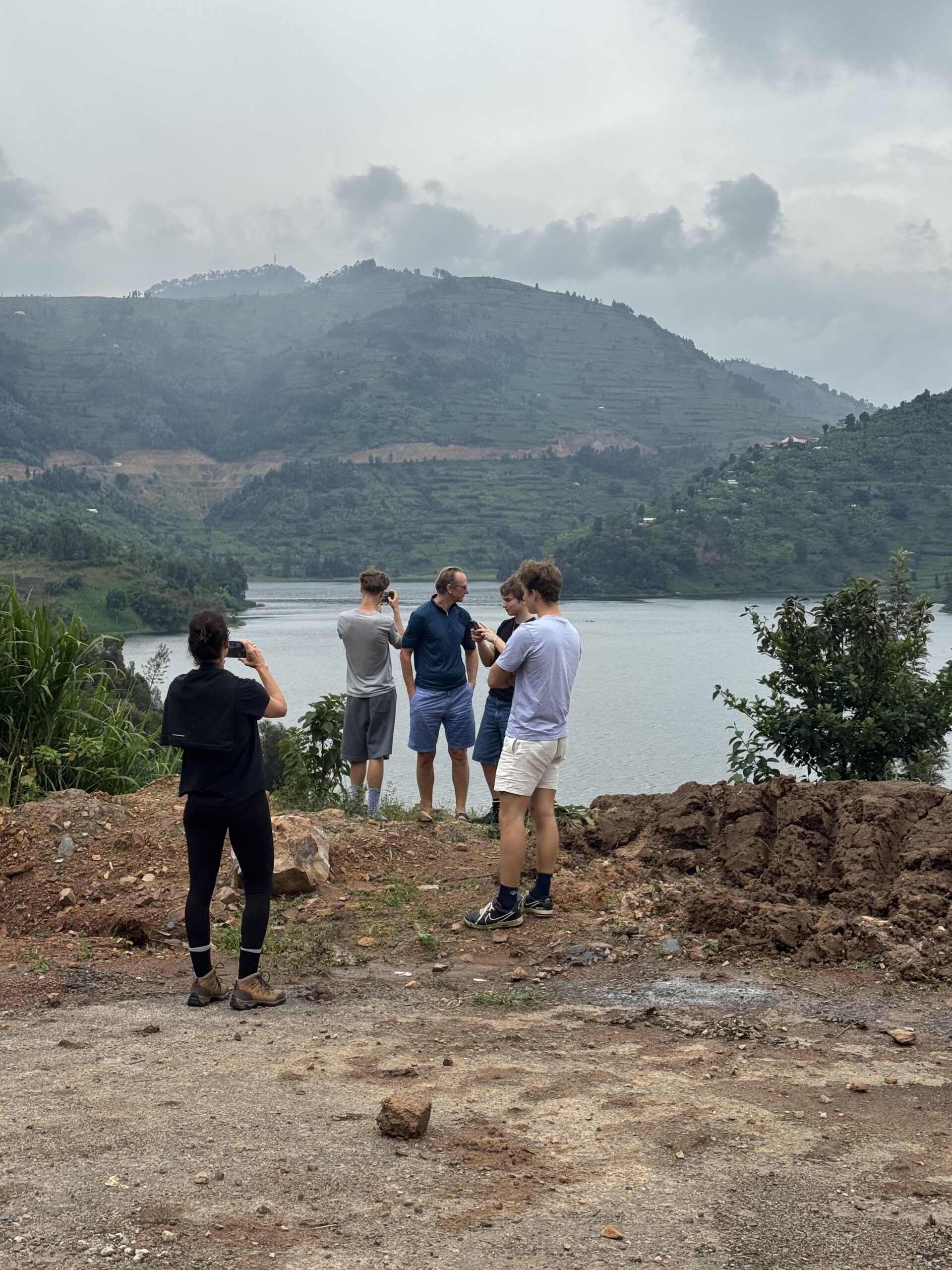
Nestled in the breathtaking northern region of Rwanda, the Twin Lakes of Lake Burera and Lake Ruhondo remain among the country’s most underrated natural treasures. While many travellers immediately associate Rwanda with mountain gorillas and the bustling capital city of Kigali, the serene beauty of these twin lakes offers a completely different experience — one filled with tranquility, cultural richness, dramatic volcanic scenery, and authentic rural life. Located near the foothills of the majestic Virunga Mountains, the lakes create a stunning landscape where emerald hills, calm blue waters, and mist-covered volcanoes combine into one unforgettable panorama. For travelers seeking peace, adventure, and untouched beauty, the Twin Lakes provide a rare escape into nature that still feels authentic and undiscovered.
The geographical setting of the Twin Lakes is one of their most captivating features. Surrounded by rolling green hills and fertile farmland, Lake Burera and Lake Ruhondo are separated by a narrow strip of land yet connected by the surrounding ecosystem and local communities. Their waters reflect the towering silhouettes of the Virunga volcanoes, especially on clear mornings when the skies glow with soft golden light. The lakes lie close to Volcanoes National Park, making them an ideal destination for travelers already exploring Rwanda’s famous gorilla trekking region. Unlike many tourist-heavy destinations around the world, the Twin Lakes still maintain a peaceful atmosphere where visitors can truly disconnect from noise and reconnect with nature.
Lake Burera is often considered the more dramatic of the two lakes because of its rugged terrain and deeper blue waters. The lake stretches beneath steep hillsides covered with terraced farms and small villages where local families continue traditional agricultural practices passed down through generations. Fishermen glide across the lake in wooden boats, using techniques that have changed little over time. During sunrise and sunset, the lake transforms into a magical landscape painted with orange, pink, and purple reflections. The silence around the lake is frequently interrupted only by birdsong, gentle winds, and the rhythmic movement of paddles through water. Such peaceful surroundings create a powerful sense of calm that many travellers describe as spiritually refreshing.
Lake Ruhondo, on the other hand, offers a softer and more intimate atmosphere. The shores are lined with lush vegetation, banana plantations, and charming islands that seem to float quietly across the water’s surface. Ruhondo is especially popular for canoeing and boat excursions because of its calmer waters and scenic viewpoints. Visitors often find themselves mesmerized by the perfect reflections of the surrounding volcanoes mirrored on the lake during early mornings. The serenity of Lake Ruhondo makes it an ideal destination for meditation, photography, reading, or simply enjoying the natural rhythm of life. Unlike crowded tourist lakes elsewhere in Africa, Ruhondo remains remarkably quiet and unspoiled.
One of the greatest attractions of the Twin Lakes is their relationship with the Virunga volcanic chain. The dramatic volcanoes surrounding the lakes include famous peaks such as Mount Sabyinyo, Mount Muhabura, and Mount Gahinga. These volcanoes create an awe-inspiring backdrop that changes constantly depending on the weather and time of day. Sometimes the peaks appear crystal clear against bright blue skies, while at other moments they disappear behind drifting clouds and thick mist. This ever-changing scenery gives the lakes a mysterious and cinematic quality that photographers and nature lovers deeply appreciate.
The cultural life surrounding the Twin Lakes is equally fascinating. The local communities living near Burera and Ruhondo are known for their warmth, resilience, and strong connection to the land. Most families rely on farming, fishing, and livestock for their livelihoods, and visitors often have opportunities to interact with residents in meaningful ways. Traditional Rwandan dances, music performances, and storytelling sessions provide insight into centuries-old customs and beliefs. Travellers who take time to engage with local people often leave with a deeper understanding of Rwanda’s culture beyond what guidebooks can offer. Hospitality is deeply rooted in the region, and many visitors are welcomed with genuine kindness and curiosity.
Agriculture plays a major role in shaping the visual beauty of the area. The hills around the lakes are carefully terraced to maximize farming space, creating a patchwork of green landscapes that stretch endlessly across the horizon. Crops such as potatoes, beans, maize, bananas, and sorghum thrive in the fertile volcanic soil. The agricultural traditions of northern Rwanda demonstrate remarkable ingenuity and sustainability, especially considering the steep terrain. Watching farmers work the hillsides with simple tools while carrying harvests through narrow paths offers visitors a glimpse into a hardworking lifestyle that remains deeply connected to nature.
Birdwatching around the Twin Lakes is another hidden delight that attracts nature enthusiasts from around the world. The lakes and surrounding wetlands support a wide variety of bird species, including kingfishers, herons, weavers, cormorants, and crowned cranes. Early mornings are especially rewarding for birdwatchers because the area becomes alive with movement and song as birds search for food along the water’s edge. Because the region experiences relatively little tourism pressure, wildlife remains abundant and undisturbed. Even casual visitors who know little about birds often find themselves captivated by the vibrant colors and graceful movements of the species inhabiting the lakeside environment.
For adventure seekers, the Twin Lakes region offers numerous outdoor activities beyond sightseeing. Hiking trails weave through villages, hills, and forested paths, providing spectacular panoramic views of both lakes and the surrounding volcanoes. Cyclists can explore rugged roads that pass through remote countryside landscapes rarely seen by international tourists. Canoeing excursions allow travellers to paddle quietly through calm waters while observing local life unfolding along the shoreline. Some adventurous visitors even combine their lake exploration with volcano hikes and gorilla trekking in nearby Volcanoes National Park, creating a truly diverse Rwandan experience filled with both excitement and natural beauty.
The changing weather around the Twin Lakes contributes greatly to their enchanting atmosphere. Mornings often begin with soft mist floating above the water while the volcanoes slowly emerge as sunlight spreads across the landscape. Afternoon rains occasionally sweep through the hills, bringing dramatic clouds and refreshing coolness to the region. By evening, golden sunlight bathes the terraced hillsides and fishing boats in warm colors that create unforgettable photographic opportunities. The climate remains relatively cool compared to other parts of Rwanda due to the region’s high altitude, making it especially comfortable for outdoor exploration throughout the year.
Tourism around the Twin Lakes is developing gradually, which many travelers see as a major advantage. Unlike highly commercialized destinations filled with large resorts and overcrowded attractions, Burera and Ruhondo maintain an intimate and authentic charm. Small eco-lodges and guesthouses blend naturally into the surrounding environment, allowing visitors to enjoy comfort while staying close to local culture and nature. Many accommodations emphasize sustainability, local employment, and environmentally responsible practices. This slower pace of tourism development helps preserve the natural and cultural integrity of the region while still creating economic opportunities for nearby communities.
Photography enthusiasts often describe the Twin Lakes as one of the most photogenic places in Rwanda. Every angle offers unique compositions of water, mountains, islands, terraced hills, and village life. During sunrise, the soft light creates mirror-like reflections on the lakes that appear almost unreal in photographs. Drone photography has become increasingly popular in the area because aerial views reveal the stunning shapes and interconnected nature of the lakes. However, even simple smartphone photography can capture extraordinary scenes thanks to the natural beauty surrounding every corner of the landscape. Many visitors leave with memory cards full of breathtaking images that barely seem capable of conveying the true atmosphere of the place.
The historical significance of the region also adds depth to its appeal. Northern Rwanda has long been an important cultural and agricultural center where communities adapted to the volcanic terrain over centuries. Oral traditions, local legends, and spiritual beliefs remain connected to the lakes and mountains. Some stories describe the lakes as sacred places tied to ancestral spirits and natural forces. These cultural narratives continue to shape local identity and create a rich sense of place that extends beyond physical beauty alone. Travelers interested in history and anthropology often find the Twin Lakes region deeply rewarding because of its living cultural heritage.
The lakes also contribute significantly to environmental sustainability and local livelihoods. Fishing remains an important source of food and income for many families, while the lakes support irrigation and biodiversity throughout the region. Conservation efforts increasingly focus on balancing tourism growth with environmental protection to ensure that the natural ecosystem remains healthy for future generations. Community-based tourism initiatives encourage responsible travel practices that directly benefit local residents while promoting cultural preservation. Such efforts demonstrate Rwanda’s broader commitment to sustainable development and environmental stewardship.
One of the most remarkable qualities of the Twin Lakes is the emotional impact they leave on visitors. Many travelers arrive expecting only beautiful scenery but depart feeling profoundly connected to the peaceful atmosphere and human warmth of the region. The silence of the lakes, combined with the grandeur of the volcanoes and the simplicity of village life, creates a rare sense of harmony that is increasingly difficult to find in modern travel destinations. The experience encourages reflection, mindfulness, and appreciation for nature’s quiet power. In a world often dominated by speed and noise, Burera and Ruhondo offer something genuinely restorative.
As Rwanda continues to gain international recognition as one of Africa’s most inspiring travel destinations, the Twin Lakes of Burera and Ruhondo stand out as hidden gems waiting to be discovered by curious and thoughtful travelers. Their combination of natural beauty, cultural authenticity, outdoor adventure, and peaceful isolation makes them unlike any other destination in East Africa. Whether someone seeks photography opportunities, cultural experiences, relaxation, or simply a break from crowded tourist routes, the Twin Lakes provide an unforgettable journey into the heart of Rwanda’s northern highlands. Those fortunate enough to visit often leave with memories not only of extraordinary landscapes but also of a profound sense of peace that lingers long after the journey ends. With Unique Africa Ventures, You Explore Like Never Before!
For more Info,CONTACT US TODAY AND TALK WITH TOUR CONSULTANT:
Call or WhatsApp: +250 794 128 369
Related Posts