
Affordable Rwanda Safari Adventures Rwanda is one of Africa’s most rewarding destinations for travelers who…
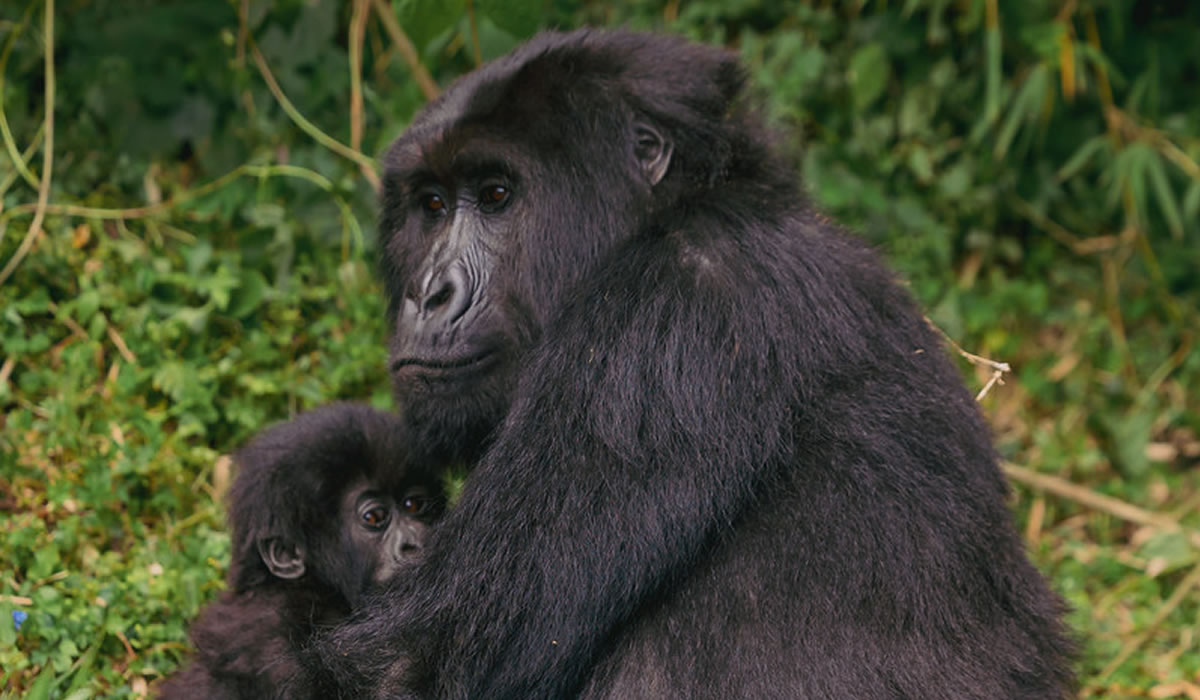
Photography Tips for Gorilla Trekking in Rwanda
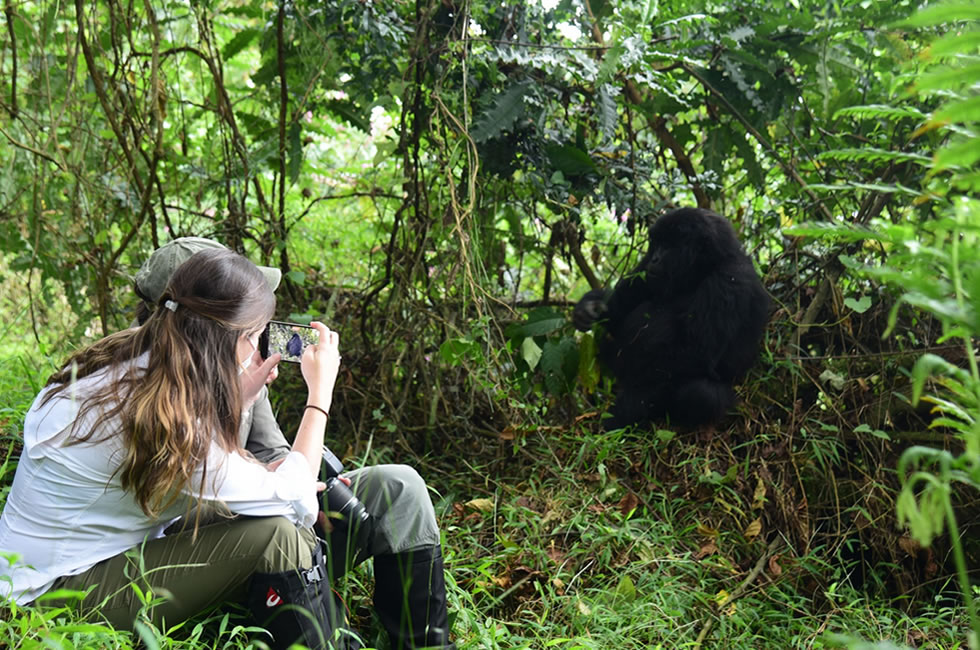
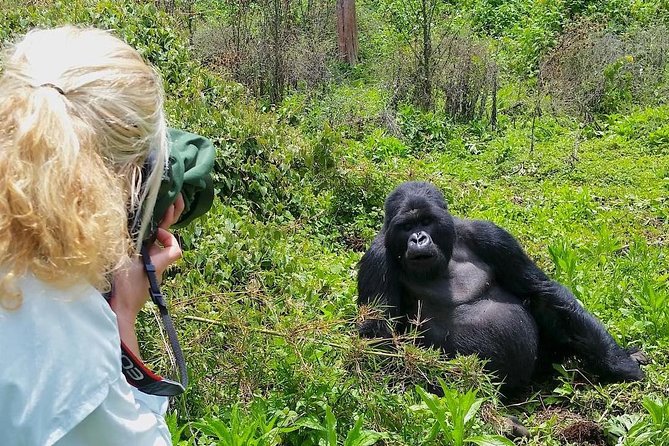
Gorilla trekking in Rwanda is one of the most extraordinary wildlife experiences on Earth, and capturing it well through photography requires preparation, patience, and respect for the environment. The lush rainforest, misty atmosphere, and the presence of endangered Mountain Gorilla create a unique setting that challenges even experienced photographers. Understanding both your gear and the conditions will make a huge difference in the quality of your shots.
One of the first things to consider is your camera choice. A DSLR or mirrorless camera with good low-light performance is ideal because much of the trekking takes place under dense forest canopies. Light levels can drop quickly, especially in areas like Volcanoes National Park, where thick vegetation blocks direct sunlight. Cameras with larger sensors tend to handle noise better when shooting at higher ISO levels.
Lens selection is equally important. A versatile zoom lens, such as a 24–70mm or 70–200mm, is often recommended because gorillas can be surprisingly close. Rwanda enforces a minimum viewing distance, but gorillas sometimes move closer on their own. A zoom lens allows you to adapt quickly without needing to change lenses in a humid, muddy environment.
Because of the low light conditions, you’ll need to adjust your camera settings carefully. Using a higher ISO—often between 800 and 3200—is common, depending on the light available. Pair this with a wide aperture (like f/2.8 to f/4) to allow more light in and create a soft background that helps your subject stand out.
Shutter speed is another critical factor. Gorillas may appear calm, but they do move—especially juveniles. Aim for a shutter speed of at least 1/250s to freeze motion, and increase it if lighting conditions allow. If the light is too low, you’ll need to balance between shutter speed and ISO carefully to avoid blur.
Stabilization can greatly improve your shots. Many lenses come with image stabilization, which is extremely useful in handheld shooting situations like trekking. Tripods are generally impractical due to the terrain and time constraints, but a monopod can sometimes be helpful if permitted by your guide.
Weather in Rwanda’s mountain forests is unpredictable. Rain can start suddenly, so protecting your gear is essential. Carry a waterproof camera cover or even a simple plastic bag as backup. Microfiber cloths are also useful for wiping moisture from your lens throughout the trek.
Lighting in the camera can be tricky due to dappled sunlight filtering through leaves. This creates high contrast scenes that can confuse your camera’s metering system. Using exposure compensation (+/-) helps you adjust quickly and avoid underexposed subjects, especially when gorillas are in shadow.
Focus mode matters when photographing wildlife. Continuous autofocus (AI Servo or AF-C) is ideal for tracking movement. Use a single focus point or a small cluster to ensure your camera locks onto the gorilla’s eyes, which should always be the sharpest part of the image.
Composition plays a big role in storytelling. Instead of always centering the gorilla, try using the rule of thirds to create more dynamic images. Including elements like foliage or other gorillas can add context and depth to your photographs, making them more engaging.
Eye contact shots are particularly powerful. When a gorilla looks directly at your lens, it creates a strong emotional connection. Be ready to capture these moments quickly—they are often brief but incredibly impactful.
Respecting the gorillas and their environment is non-negotiable. Flash photography is strictly prohibited because it can disturb them. Keep your movements slow and quiet, and always follow your guide’s instructions. Ethical photography ensures both your safety and the well-being of the animals.
Timing your shots is also key. Early morning treks often provide softer light and more active gorilla behavior. As the day progresses, the light becomes harsher, and gorillas may become less active, affecting your chances of capturing dynamic moments.
Don’t forget to occasionally put the camera down and observe. Watching gorillas interact—grooming, playing, or resting—can help you anticipate behavior and be ready for meaningful shots. Photography is not just about clicking the shutter; it’s about understanding your subject.
Editing your photos afterward can enhance their quality significantly. Adjusting exposure, contrast, and color balance can help bring out details lost in challenging lighting conditions. However, aim to keep edits natural to preserve the authenticity of the experience.
Finally, patience is your greatest tool. Gorilla trekking is unpredictable, and not every moment will be perfect for photography. But when everything aligns—the light, the composition, and the behavior—you’ll capture images that are not only visually stunning but deeply meaningful.
CONTACT US TODAY AND TALK WITH TOUR CONSULTANT:
Call or WhatsApp: +250 794 128 369
Related Posts