
Affordable Rwanda Safari Adventures Rwanda is one of Africa’s most rewarding destinations for travelers who…
Rwanda Gorilla Safari Weather Guide by Month-Ultimate Guide
A gorilla safari in Rwanda is one of the most powerful wildlife experiences in the world, and understanding the weather month by month can make a huge difference in how you plan your trip. Most gorilla trekking takes place in Volcanoes National Park, a misty, mountainous rainforest where weather conditions shift quickly. Rwanda’s climate is equatorial but moderated by altitude, meaning it is cooler than many African destinations and experiences two main rainy seasons and two dry seasons rather than four traditional seasons.
January is part of the short dry season and is generally considered one of the best months for gorilla trekking. Trails in Volcanoes National Park are more accessible, with less mud and better footing. The vegetation is still lush from previous rains, which makes the forest beautiful without being overly dense. Morning temperatures are cool, often starting around 10–12°C in the mountains, and rising to about 20°C during the day. Visibility is relatively good, and photography conditions are favorable.
February continues the dry conditions and is equally excellent for gorilla safaris. The reduced rainfall means trekkers can hike more comfortably through the forest. Gorilla families tend to stay at mid-level elevations since food is still abundant. This balance makes treks moderately challenging but very rewarding. However, because this is a peak travel month, permits can sell out quickly, and planning ahead is essential.
March marks the beginning of the long rainy season in Rwanda. Rainfall becomes more frequent and heavier, often occurring in the afternoons but sometimes lasting throughout the day. Trails become slippery and steep, increasing the physical difficulty of trekking. On the positive side, the forest becomes incredibly vibrant, with fresh vegetation and fewer tourists. This is a quieter time for those who don’t mind the rain and want a more intimate experience.
April is typically the wettest month of the year. Heavy rains can make trekking conditions quite challenging, with thick mud and reduced visibility in the forest. Some lodges even close temporarily due to the intensity of the rains. However, for adventurous travelers, this month offers a unique perspective—mist-covered volcanoes, dramatic scenery, and a deep sense of wilderness that is hard to match during drier months.
May remains part of the rainy season, though precipitation gradually decreases toward the end of the month. The landscape is still lush and green, and birdlife is especially active. Gorilla trekking is possible, but hikers should be prepared for muddy trails and potentially longer trek times. This is also a good time for budget-conscious travelers, as some accommodations offer lower rates during the shoulder season.
June signals the start of the long dry season, one of the most popular times for gorilla safaris. Conditions improve significantly, with drier trails and clearer skies. The forest is still green from the previous rains, creating a perfect combination of beauty and accessibility. Trekking becomes easier, and the chances of uninterrupted views of gorillas increase.
July is firmly within the dry season and is considered peak safari time in Rwanda. Weather conditions are stable, with minimal rainfall and comfortable daytime temperatures. The mountain air remains cool, especially in the early mornings. Because this is a high-demand month, gorilla permits are often booked months in advance. The overall trekking experience is excellent, with manageable trails and consistent gorilla sightings.
August continues the favorable dry season conditions. It is one of the busiest months for tourism in Rwanda, attracting visitors from around the world. The weather is predictable, with little rain and good visibility in the forest. This makes it ideal not only for trekking but also for photography and combining gorilla safaris with other experiences in the country.
September marks the transition from dry to rainy season. Early in the month, conditions remain relatively dry, but rainfall gradually increases as the weeks progress. This transitional period can be a good compromise—fewer crowds than peak months, but still manageable trekking conditions. The forest begins to regain its dense, fresh appearance as rains return.
October introduces the short rainy season. Rain showers are more frequent, but they are usually shorter and less intense than the long rains earlier in the year. Trekking becomes slightly more challenging due to muddy paths, but it is still very doable. The landscape becomes lush again, and the misty atmosphere adds a mystical quality to the gorilla trekking experience.
November continues the short rainy season, with regular afternoon showers and overcast skies. Trails can be slippery, and hikers should be prepared with proper gear. However, gorilla sightings remain excellent year-round, and the reduced number of visitors can make the experience feel more personal and less rushed.
December marks the return of the short dry season. Rainfall decreases, and trekking conditions improve significantly. The festive season brings an increase in visitors, but the weather is generally pleasant, making it a great time to visit. The forest remains green and vibrant, offering a beautiful backdrop for gorilla encounters.
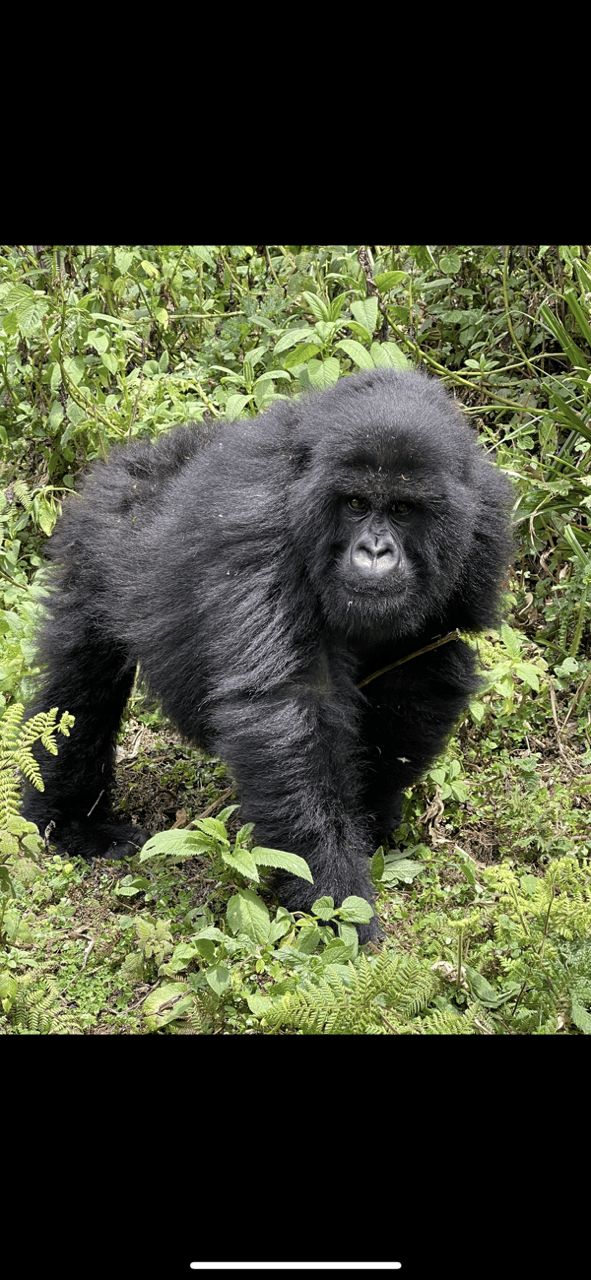
One important thing to understand is that weather in Volcanoes National Park can be unpredictable regardless of the month. Even during the dry season, brief showers can occur, and mornings are often misty. This mist is actually part of what makes the environment so magical, as it creates the iconic “gorillas in the clouds” atmosphere.
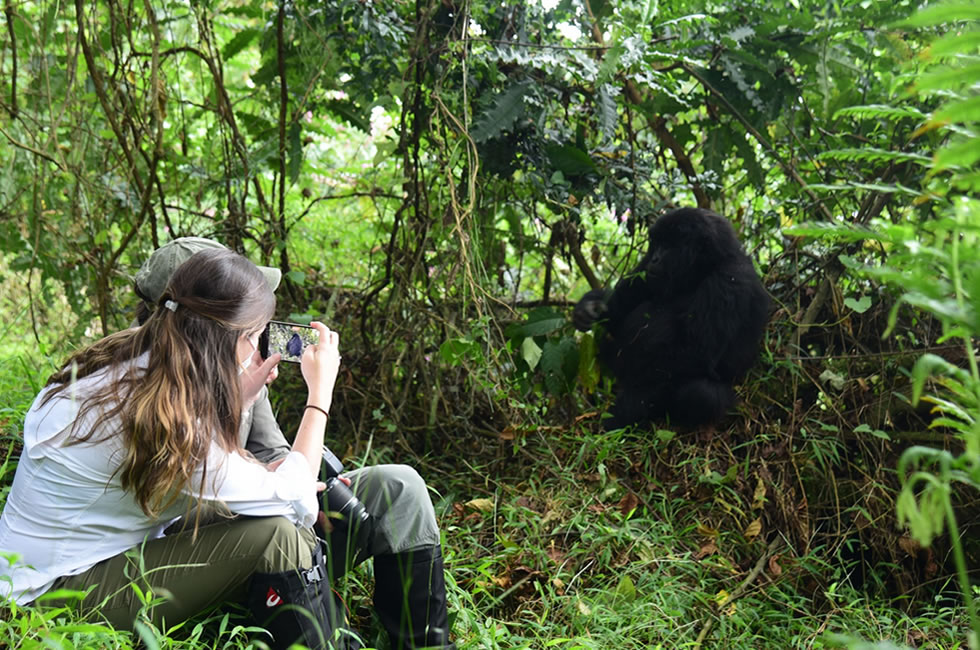
Temperature variation is relatively small throughout the year due to Rwanda’s equatorial location, but altitude plays a major role. Higher elevations are cooler and wetter, while lower areas are slightly warmer. Packing layers is essential, including waterproof clothing, sturdy hiking boots, and gloves for gripping vegetation during steep climbs.
Ultimately, the best time for a Rwanda gorilla safari depends on your priorities. If you want easier trekking and predictable weather, the dry months from June to September and December to February are ideal. If you prefer fewer crowds, lower costs, and lush scenery, the rainy seasons from March to May and October to November offer a different but equally rewarding experience. With Unique Africa Ventures, You Explore Like Never Before!
For more Info, CONTACT US TODAY AND TALK WITH TOUR CONSULTANT:
Call or WhatsApp: +250 794 128 369
Related Posts