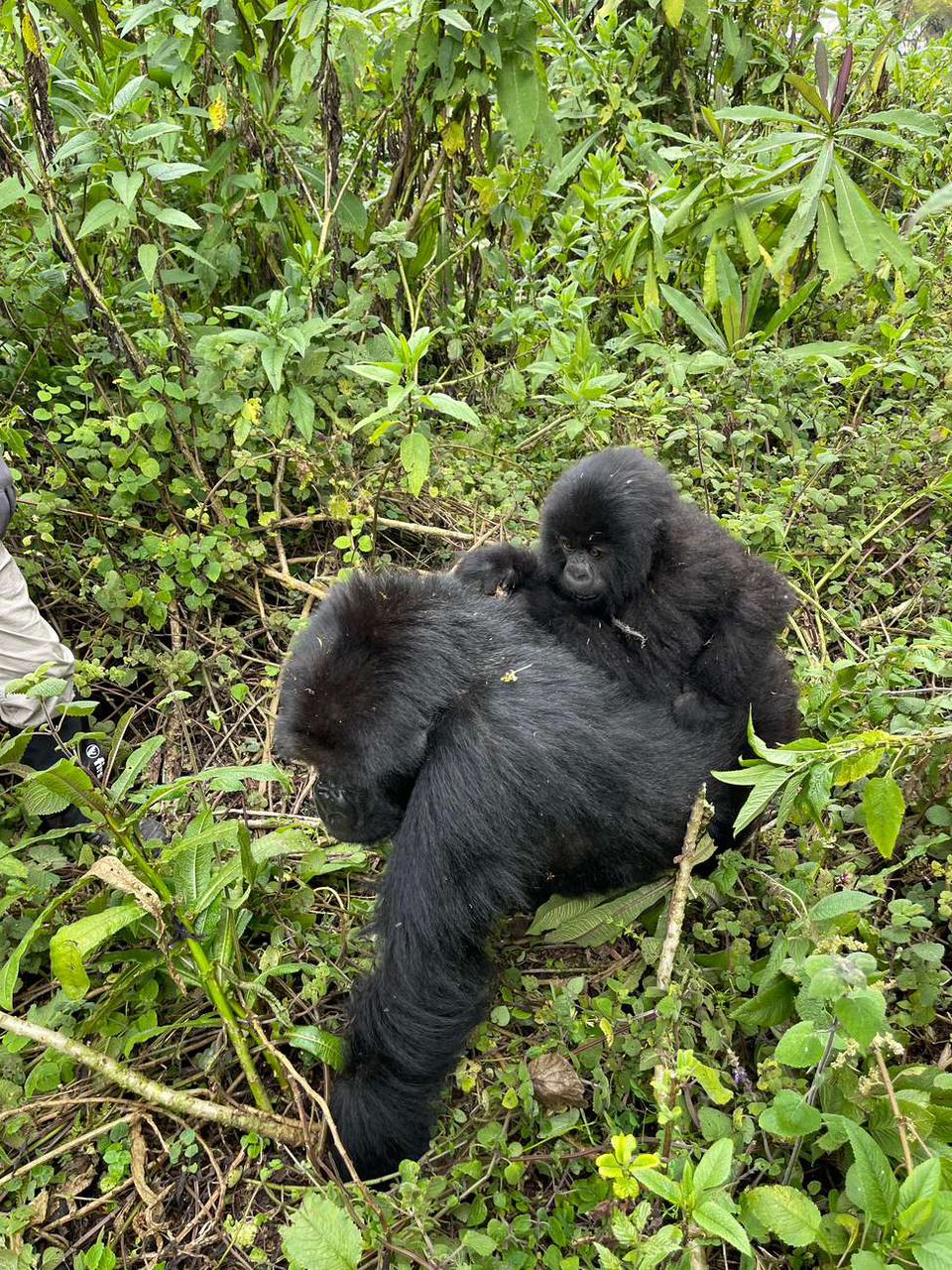

Rwanda has become one of Africa’s most remarkable success stories, and 2026–2027 is an especially…
Cycling and Adventure Tours in Rwanda – Beyond Gorilla Trekking
Rwanda is often introduced to the world through its famous mountain gorilla experiences in Volcanoes National Park, but the country offers far more for travelers seeking active and immersive adventures. Across its rolling hills, winding mountain roads, forest trails, lakeside villages, and savannah landscapes, Rwanda has quietly become one of Africa’s most rewarding destinations for cycling and adventure tourism. Nicknamed the “Land of a Thousand Hills,” the country naturally lends itself to outdoor exploration, especially for visitors who want to go beyond wildlife viewing and connect with local culture, landscapes, and communities through movement and adventure.
Cycling in Rwanda has grown dramatically over the last decade, helped by the country’s clean infrastructure, improving road systems, and international sporting events. Rwanda hosted major cycling competitions and became recognized globally as one of Africa’s rising cycling hubs and UCI Road World Championships in 2025. The steep climbs and scenic descents create ideal conditions for both professional athletes and recreational cyclists. Riders often travel through terraced farmland, eucalyptus forests, tea plantations, and remote villages where local residents enthusiastically greet passing cyclists. Unlike crowded cycling destinations elsewhere in the world, Rwanda offers peaceful roads and relatively light traffic in many rural regions, making long-distance rides particularly enjoyable.
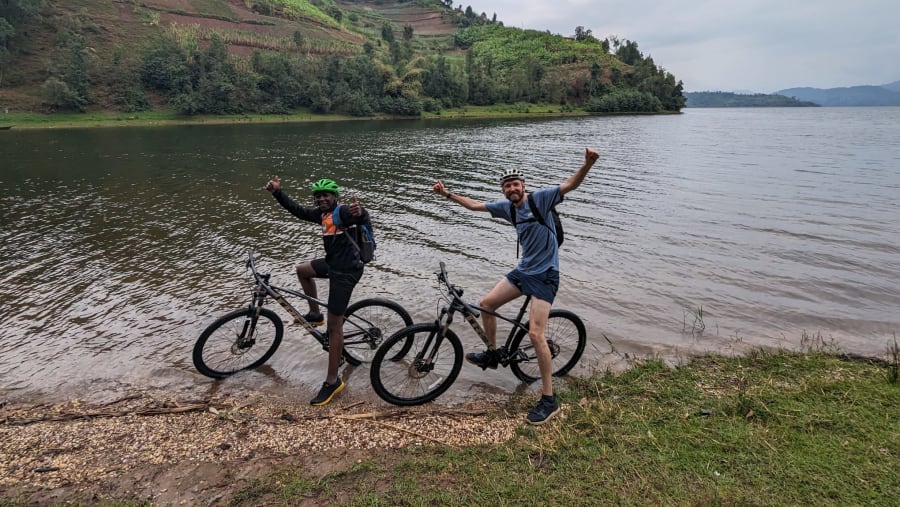
One of the most iconic cycling routes in Rwanda follows the Congo Nile Trail near Lake Kivu. Stretching along the shores of the lake, the trail combines challenging terrain with extraordinary scenery. Cyclists encounter fishing communities, small coffee farms, dramatic hillsides, and panoramic views across the water toward the Democratic Republic of the Congo. The route can take several days to complete and includes both paved and dirt-road sections. Adventure travelers often stop in lakeside towns to rest, swim, kayak, or experience local hospitality before continuing to the next section of the trail.
The Congo Nile Trail is not only for experienced cyclists. Tour operators in Rwanda now offer customized riding packages for beginners, intermediate riders, and families. Some travelers choose guided e-bike tours to reduce the physical intensity of the steep hills while still enjoying the landscapes. Local guides provide cultural interpretation, organize accommodations, and help visitors engage with village communities in meaningful ways. This blend of adventure and cultural immersion has become one of Rwanda’s strongest tourism assets outside gorilla trekking.
Mountain biking is another growing adventure activity in Rwanda, especially around the volcanic landscapes of the north. The region surrounding Volcanoes National Park contains rugged terrain, lava-rock trails, and forest paths ideal for off-road riding. Riders navigate through rural settlements beneath towering volcanic peaks while occasionally spotting golden monkeys or diverse birdlife. The cool climate in the highlands makes long rides more comfortable than in many equatorial destinations. Some mountain biking excursions are designed as multi-day expeditions that combine camping, cultural visits, and local food experiences.
In the southern part of the country, adventure travelers often explore the forests surrounding Nyungwe National Park. This ancient rainforest is one of Africa’s most biodiverse ecosystems and offers far more than chimpanzee trekking. Cyclists and hikers can explore winding mountain roads leading to tea plantations and hidden forest viewpoints. The dramatic elevation changes provide physically demanding rides, but the rewards include mist-covered valleys, waterfalls, and encounters with rural communities living along the forest edge.
Nyungwe is also famous for its canopy walkway, suspended high above the rainforest floor. For adventure seekers, combining cycling with canopy walks, forest hikes, and wildlife encounters creates a multidimensional experience. Visitors can spend days exploring the region without repeating the same activity twice. The nearby tea estates provide another layer of interest, where travelers can learn about tea cultivation and processing while enjoying spectacular green landscapes stretching across the hillsides.
Kayaking and paddleboarding on Lake Kivu have become increasingly popular among adventure tourists seeking water-based activities. The lake’s calm waters and scenic islands provide ideal conditions for multi-day paddling expeditions. Travelers glide past fishing boats, bird habitats, and quiet beaches while stopping at small lakeside villages along the route. Sunset paddles on the lake are especially memorable, with golden light reflecting off the surrounding mountains and fishing communities preparing traditional evening catches.
Hiking opportunities in Rwanda extend far beyond gorilla trekking. The volcanic chain in the north includes several mountains that adventurous travelers can climb, including Mount Bisoke and Mount Karisimbi. These hikes range from moderate day treks to demanding overnight ascents. Climbers move through bamboo forests, alpine meadows, and volcanic landscapes while enjoying sweeping views across Rwanda and neighboring countries. Mount Karisimbi, the highest volcano in Rwanda, attracts experienced hikers looking for a serious challenge.
Birdwatching tourism also complements Rwanda’s adventure travel scene. The country hosts hundreds of bird species across forests, wetlands, lakes, and savannahs. Active travelers often combine cycling tours with birdwatching excursions, particularly in wetland areas near Akagera National Park. The park itself offers a very different landscape from Rwanda’s mountainous west. Here, travelers encounter open savannah, lakes, giraffes, zebras, elephants, and lions while participating in activities such as boat safaris, walking safaris, and guided bush adventures.
Adventure tourism in Rwanda is closely tied to community development. Many cycling and hiking tours are operated in partnership with local cooperatives, guides, and small businesses. Travelers frequently stay in community lodges or locally owned guesthouses that directly benefit rural families. Cultural experiences may include banana beer brewing demonstrations, traditional dance performances, coffee washing station visits, or home-cooked meals with local hosts. This approach creates more meaningful tourism while distributing economic opportunities beyond major urban centers.
Coffee tourism has become another appealing component of cycling adventures in Rwanda. Cyclists riding through western Rwanda often pass coffee farms perched on steep hillsides overlooking Lake Kivu. Guided visits to coffee cooperatives allow travelers to follow the entire coffee production process from harvesting to roasting. Rwanda’s high-altitude growing conditions produce internationally respected specialty coffee, and tasting fresh local coffee after a long cycling journey becomes a memorable part of the adventure experience.
The capital city, Kigali, has also embraced cycling culture. Organized city bike tours allow visitors to explore markets, art centers, neighborhoods, and historical sites while learning about Rwanda’s transformation and development. Kigali’s cleanliness, safety, and expanding cycling initiatives make it one of the most accessible African capitals for urban biking experiences. Adventure travelers often begin or end longer cycling expeditions in the city, combining urban exploration with wilderness activities elsewhere in the country.
For endurance athletes, Rwanda’s steep hills offer exceptional training conditions. International cycling teams and professional riders increasingly recognize the country as a high-performance destination due to its altitude and terrain. Amateur cyclists seeking challenging climbs find Rwanda deeply rewarding, with routes that rival famous mountain cycling regions around the world. The dramatic elevation changes create physically intense rides, but every climb is typically rewarded with sweeping scenic vistas.
Cultural interaction is one of the defining features of adventure travel in Rwanda. Unlike destinations where tourists remain isolated in resort environments, Rwanda’s cycling routes naturally pass through everyday village life. Children wave enthusiastically from roadsides, farmers work on terraced hillsides, and local markets provide opportunities for spontaneous encounters. These human connections often become the most memorable part of the journey for many travelers.
Adventure tours in Rwanda are increasingly incorporating sustainability principles. Eco-lodges, conservation-focused tour operators, and low-impact tourism initiatives are becoming common throughout the country. Cycling itself represents a more environmentally friendly way to explore landscapes compared to vehicle-heavy tourism. Travelers who prioritize responsible tourism appreciate Rwanda’s emphasis on conservation, cleanliness, and environmental management across many tourism regions.
Rwanda’s compact geography is another major advantage for adventure tourism. In a relatively short time, travelers can experience dramatically different environments, from volcanic mountains and dense rainforests to savannah plains and tranquil lakeshores. This diversity allows visitors to combine multiple adventure activities within a single itinerary without spending excessive time on transportation. A traveler might cycle near Lake Kivu, hike volcanoes, kayak across islands, and join a safari within the same week.
The hospitality sector supporting adventure tourism has expanded rapidly in recent years. Boutique lodges, eco-camps, lakeside retreats, and luxury safari accommodations now cater to different travel styles and budgets. Many lodges specifically serve cyclists and hikers by offering secure bike storage, repair facilities, packed lunches, and guided route planning. This growing infrastructure has helped position Rwanda as a premium adventure destination in East Africa.
Photography tourism also thrives alongside cycling and adventure travel in Rwanda. The country’s dramatic landscapes, vibrant culture, and changing light conditions create ideal opportunities for photographers. Cyclists often stop at scenic viewpoints overlooking terraced valleys, volcanic peaks, or mist-covered forests. Sunrise rides through rural areas provide extraordinary moments of natural beauty and authentic daily life that appeal strongly to travel photographers.
Food experiences further enrich Rwanda’s adventure tourism sector. Travelers exploring the countryside encounter fresh tropical fruits, grilled fish from Lake Kivu, roasted goat, cassava dishes, beans, sweet potatoes, and locally grown coffee and tea. Shared meals in villages or eco-lodges create opportunities for cultural exchange and relaxation after physically demanding activities. Culinary experiences increasingly form part of organized cycling and hiking itineraries.
As Rwanda continues investing in tourism diversification, cycling and adventure travel are expected to become even more important components of the national tourism economy. The country’s combination of safety, natural beauty, cultural warmth, and environmental conservation creates a strong foundation for sustainable adventure tourism growth. While gorilla trekking remains internationally famous, many travelers now discover that Rwanda’s true magic also lies in its roads, trails, forests, lakes, and the unforgettable journeys connecting them all. With Unique Africa Ventures, You Explore Like Never Before!
For more Info, CONTACT US TODAY AND TALK WITH TOUR CONSULTANT:
Call or WhatsApp: +250 794 128 369
Related Posts