
This 10-day Rwanda and Uganda Gorilla Safari is an unforgettable journey through some of East…
Rwanda Safari FAQs Answered Clearly
Rwanda Safari FAQs Answered Clearly: Everything You Need to Know Before Your Rwanda Safari
Planning a Rwanda safari for the first time? You are not alone. Many travelers have questions about the best time to visit Rwanda, gorilla trekking permits, safari destinations, accommodation, safety, transportation, costs, and what to pack. Rwanda is a small country, but it offers an extraordinary variety of travel experiences, from mountain gorilla trekking in Volcanoes National Park to Big Five game drives in Akagera National Park and chimpanzee trekking in Nyungwe National Park. This Rwanda Safari FAQ guide answers the most common questions travelers ask before booking a safari in Rwanda and helps you plan a smooth, memorable African adventure.
1. Why Should I Choose Rwanda for a Safari?
Rwanda is one of Africa’s most rewarding safari destinations because it combines spectacular wildlife, dramatic landscapes, excellent tourism infrastructure, and unforgettable primate experiences in a relatively compact country. A Rwanda safari can include mountain gorilla trekking, chimpanzee tracking, golden monkey encounters, Big Five wildlife viewing, birdwatching, cultural experiences, scenic drives, and relaxing stays around beautiful lakes and mountain regions. The country’s nickname, the “Land of a Thousand Hills,” reflects its rolling green scenery and highland landscapes. For travelers who want to experience several sides of Africa without spending long hours traveling between distant destinations, Rwanda is an excellent choice.
2. What Are the Best Safari Destinations in Rwanda?
The main safari destinations in Rwanda are Volcanoes National Park, Akagera National Park, and Nyungwe National Park. Volcanoes National Park is famous worldwide for mountain gorilla trekking and is also home to golden monkeys and spectacular volcanic landscapes. Akagera National Park offers classic savanna wildlife experiences, including elephants, lions, leopards, buffaloes, giraffes, zebras, antelopes, and hippos. Nyungwe National Park is one of Africa’s remarkable rainforest destinations and is particularly famous for chimpanzee trekking, primate experiences, forest walks, birdwatching, and the impressive canopy walkway. A well-planned Rwanda tour can combine two or all three national parks depending on your interests, available time, and budget.
3. When Is the Best Time to Go on a Rwanda Safari?
Rwanda can be visited throughout the year, but the best time for a safari depends on the experiences you want. The drier months are generally popular for gorilla trekking and traditional wildlife safaris because trails can be easier to navigate and animals may be easier to spot around water sources. However, Rwanda’s rainy seasons also have important advantages. The landscapes become especially green, photography can be beautiful, and there are often fewer travelers. Gorilla trekking is possible throughout the year, so you do not necessarily need to limit your Rwanda holiday to the dry season. A professional Rwanda tour operator can recommend the best travel period based on your planned activities, budget, and preferred style of travel.
4. Is Rwanda Good for a Gorilla Trekking Safari?
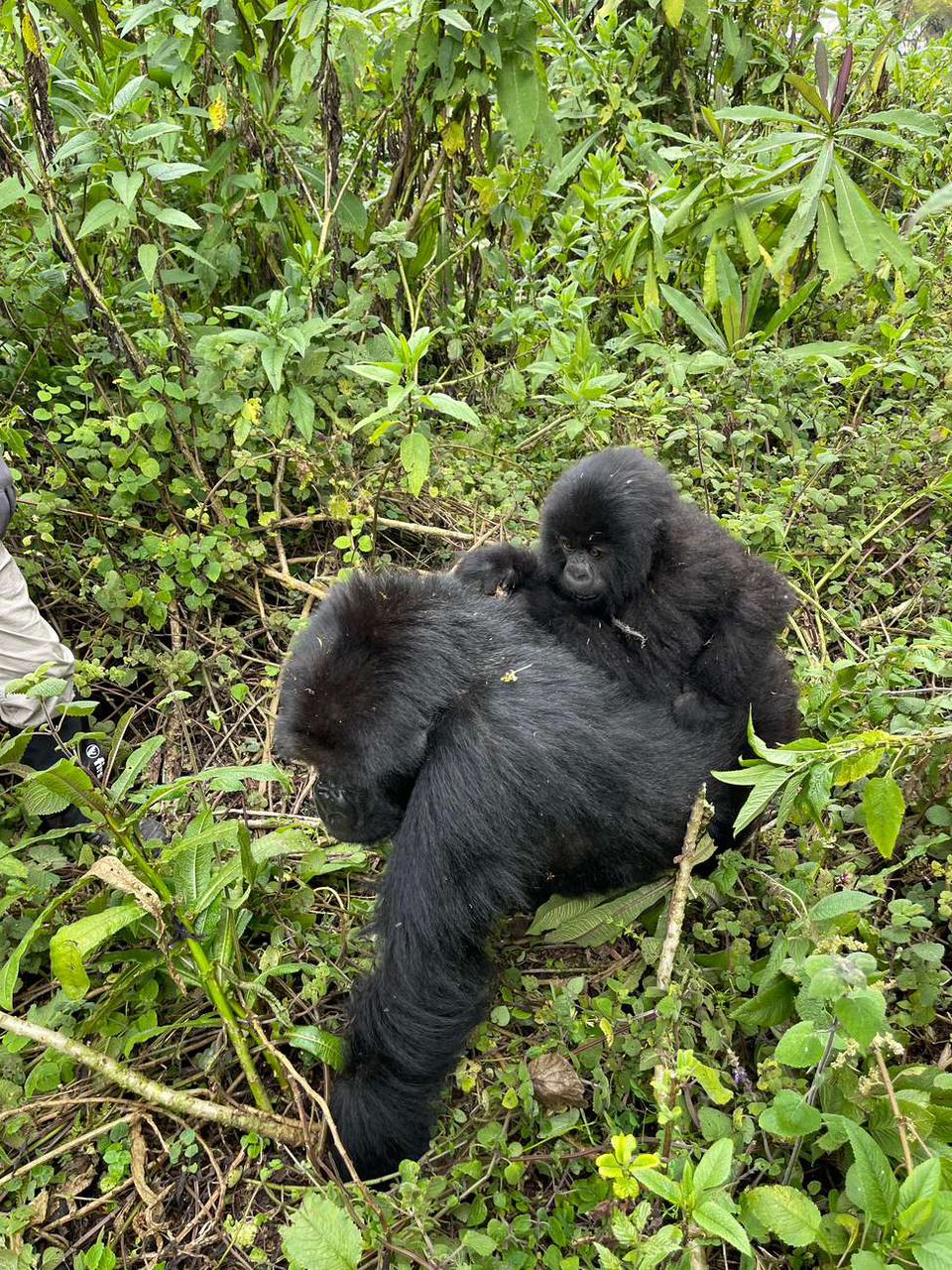
Yes. Rwanda is one of the world’s premier destinations for mountain gorilla trekking. The experience takes place in Volcanoes National Park in the Virunga Mountains, where travelers hike through beautiful mountainous terrain in search of habituated gorilla families. Meeting a gorilla family in its natural habitat is an extraordinary experience that many visitors describe as the highlight of their African safari. Gorilla trekking is carefully managed to protect the animals and their habitat, while tourism revenue contributes to conservation and surrounding communities. Because gorilla permits are limited, travelers should plan and book their Rwanda gorilla trekking safari well in advance, especially during popular travel periods.
5. How Difficult Is Gorilla Trekking in Rwanda?
Gorilla trekking is a genuine forest hiking experience, and the difficulty can vary considerably from one trek to another. Some gorilla families may be relatively close to the park entrance, while others can require several hours of hiking through steep and sometimes muddy terrain. Your physical fitness, weather conditions, trail conditions, and the location of the gorilla family on the day all influence the difficulty. You do not need to be an elite athlete, but you should be comfortable walking for several hours over uneven ground. Travelers who have mobility concerns should discuss them with their Rwanda safari company before booking so that the operator can provide appropriate guidance and assistance.
6. How Much Does a Rwanda Gorilla Trekking Permit Cost?
The gorilla trekking permit is one of the most important costs to consider when planning a Rwanda gorilla safari. Permit prices are set by the relevant authorities and can change, so travelers should always confirm the current rate when planning their trip. In addition to the permit, your overall safari cost may include accommodation, transportation, meals, park fees, guides, airport transfers, and other activities. In case of planning a safari to Rwanda, we provide a transparent quotation showing what is included and excluded rather than presenting an unusually low headline price that leaves major expenses out. When comparing Rwanda safari packages, look at the complete itinerary and inclusions rather than comparing only the advertised starting price.
7. How Far in Advance Should I Book a Rwanda Gorilla Safari?
Booking early is strongly recommended if gorilla trekking is an essential part of your Rwanda holiday. Gorilla permits are limited, and popular dates can become unavailable, particularly during peak travel periods. Booking several months ahead gives you a better chance of securing your preferred trekking date and accommodation. It also allows your tour company to build a comfortable itinerary around the gorilla trek instead of trying to fit the trek into whatever dates remain. Travelers visiting during busy seasons should consider planning even further ahead. If your dates are flexible, a Rwanda safari operator may be able to help identify alternative dates or accommodation options.
8. Can I Combine Gorilla Trekking With a Big Five Safari in Rwanda?
Absolutely. One of the best ways to experience Rwanda is to combine gorilla trekking in Volcanoes National Park with a Big Five safari in Akagera National Park. Akagera’s savanna landscapes provide a completely different experience from the volcanic forests of the north. Depending on your itinerary, you can enjoy game drives looking for lions, elephants, buffaloes, giraffes, zebras, antelopes, and other wildlife before or after your gorilla trek. Combining these destinations creates a more varied Rwanda safari holiday and allows travelers to experience both primate trekking and classic African wildlife viewing in one trip.
9. What Animals Can I See on a Rwanda Safari?
Rwanda offers a surprisingly diverse range of wildlife for a relatively small country. In Akagera National Park, visitors can encounter elephants, lions, buffaloes, giraffes, zebras, hippos, crocodiles, antelopes, and many bird species. Leopards are present but are more elusive and never guaranteed. Volcanoes National Park is best known for mountain gorillas and golden monkeys, while Nyungwe is renowned for chimpanzees and other forest primates. Wildlife sightings are naturally unpredictable because these are wild animals in their natural habitats. A skilled safari guide can greatly improve your chances of finding wildlife by understanding animal behavior, tracks, habitats, and seasonal conditions.
10. Is Rwanda a Good Destination for a Family Safari?
Rwanda can be an excellent family destination, but the itinerary should be designed around the ages, interests, and abilities of the children. Wildlife viewing in Akagera can be particularly enjoyable for families because game drives provide opportunities to see large animals in a relatively accessible savanna environment. Gorilla trekking has specific age and participation requirements, so families traveling with children should check the current regulations before making plans. A family-friendly Rwanda safari can also include cultural experiences, nature walks, boat trips, scenic viewpoints, and other activities. Your tour operator can create a balanced itinerary that avoids overly long travel days and gives everyone enough time to rest.
11. Is Rwanda Safe for Tourists and Safari Travelers?
Rwanda is widely regarded as a well-organized destination for tourism, and thousands of international visitors travel through the country each year. As with any international trip, travelers should take normal precautions, follow local guidance, respect park rules, and listen carefully to their professional guides. Safari activities should always be conducted with trained guides and authorized operators. Unique Africa Ventures provides practical information about transportation, accommodation, local customs, park regulations, and current travel considerations. Rather than worrying about every detail yourself, booking with an experienced Rwanda safari company can make the journey easier and more comfortable from arrival to departure.
12. What Is the Best Length for a Rwanda Safari?
There is no single perfect Rwanda safari duration because the ideal length depends on what you want to experience. A short trip can focus on gorilla trekking, while a longer itinerary can combine gorillas, Akagera wildlife, Nyungwe chimpanzee trekking, cultural experiences, and time in Kigali. A week or more allows travelers to experience Rwanda at a more relaxed pace and include multiple destinations without rushing. If you have limited time, a carefully designed three- or four-day Rwanda safari can still provide an incredible experience. The most important thing is to match the itinerary to your priorities instead of trying to visit every destination in a short period.
13. Can I Visit Rwanda for a Safari and Gorilla Trekking on the Same Trip?
Yes, and this is one of the most popular ways to explore the country. A Rwanda safari itinerary can combine Kigali with Akagera National Park and Volcanoes National Park, giving you an excellent mixture of city experiences, savanna wildlife, and mountain gorillas. Travelers with additional time can extend their trip to Nyungwe National Park for chimpanzee trekking and rainforest experiences. Because Rwanda’s major tourism regions are connected by road, it is possible to create a multi-destination itinerary without the complicated logistics associated with some larger African countries. A private safari itinerary also gives you greater flexibility to choose accommodation and activities that suit your travel style.
14. What Should I Pack for a Rwanda Safari?
Packing for a Rwanda safari should focus on comfort, practicality, and changing weather conditions. Lightweight clothing, a waterproof jacket, comfortable walking shoes, sun protection, insect repellent, a hat, sunglasses, and a small daypack are useful for most itineraries. Gorilla trekking requires particularly practical clothing because you may walk through thick vegetation and muddy terrain. Long trousers and long-sleeved shirts can provide protection from vegetation and insects. Binoculars and a camera are also highly recommended for wildlife viewing and birdwatching. Your safari company should provide destination-specific packing advice before departure, especially if your itinerary includes gorilla trekking, chimpanzee trekking, or hiking.
15. Do I Need a Guide for a Rwanda Safari?
A professional guide is extremely valuable on a Rwanda safari. Guides do much more than drive travelers from one destination to another. They interpret wildlife behavior, identify birds and animals, explain local history and culture, assist with park logistics, and help make the journey safe and enjoyable. During gorilla and chimpanzee trekking, trained park personnel and trackers play an important role in locating and monitoring primates. Choosing an experienced Rwanda tour operator means you benefit from local knowledge that can turn a standard itinerary into a much richer travel experience.
16. What Is the Difference Between a Private and Group Rwanda Safari?
A private Rwanda safari gives you greater control over your schedule, vehicle, accommodation choices, and daily activities. It is particularly useful for couples, families, photographers, honeymooners, and travelers who prefer a more personalized experience. Group safaris can be more economical and are a good option for travelers who enjoy meeting other people. The best choice depends on your budget and preferred travel style. If flexibility and privacy are priorities, a private Rwanda safari is often worth considering. If keeping costs lower is more important, a shared safari may provide excellent value.
17. Is Rwanda Suitable for a Honeymoon Safari?
Rwanda is an exceptional honeymoon destination for couples looking for adventure combined with beautiful scenery and intimate experiences. Imagine beginning your trip with time in Kigali, continuing into the mountains for gorilla trekking, and then relaxing in a beautiful lodge surrounded by nature. Couples can also add Akagera wildlife safaris, scenic drives, cultural experiences, or relaxing time around Lake Kivu. Honeymoon safari packages can be customized with romantic accommodation, private transportation, special meals, and flexible schedules. The result can be a unique African honeymoon that combines adventure, nature, luxury, and meaningful shared experiences.
18. Can I Visit Rwanda on a Luxury Safari?
Yes. Rwanda offers a range of accommodation and safari experiences, including high-end lodges designed for travelers seeking comfort, privacy, excellent cuisine, and personalized service. Luxury Rwanda safari packages can combine premium accommodation with private vehicles, experienced guides, gorilla trekking, wildlife safaris, and carefully planned transfers. Luxury does not have to mean simply staying in an expensive lodge; it can also mean having a well-organized journey where every detail is handled professionally. For travelers celebrating a honeymoon, anniversary, birthday, or other special occasion, a customized luxury Rwanda safari can be particularly memorable.
19. What Is the Best Way to Travel Around Rwanda?
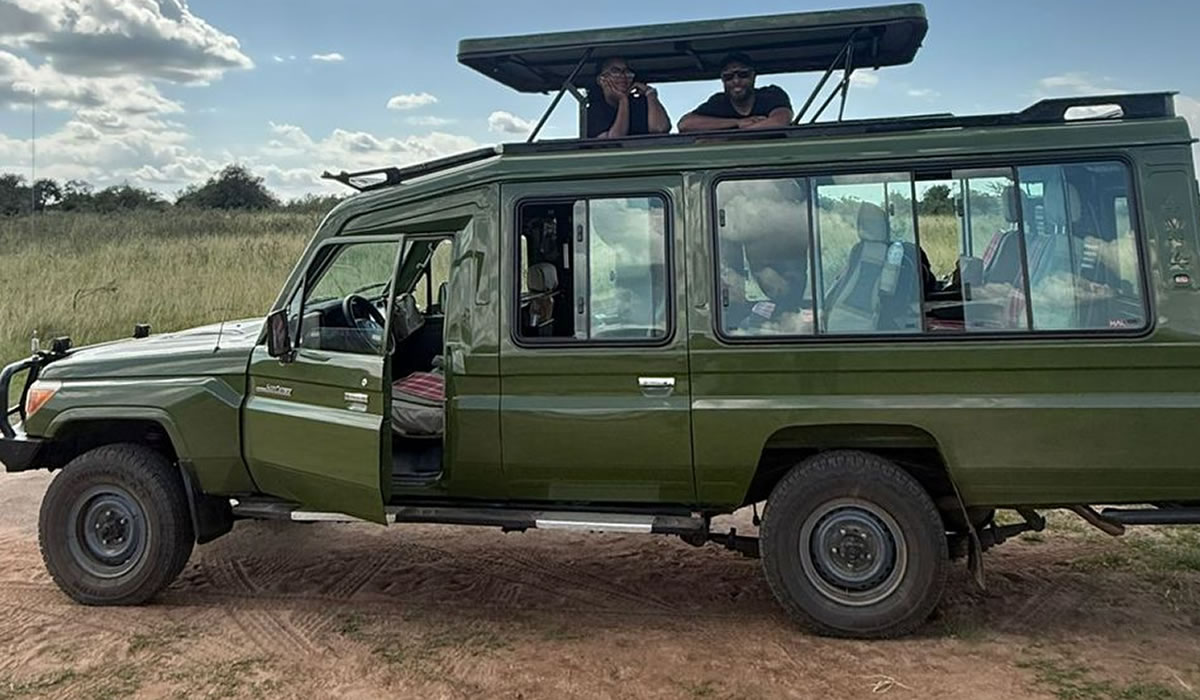
Road travel is one of the most practical ways to explore Rwanda, especially when visiting destinations such as Akagera, Volcanoes National Park, and Nyungwe. Rwanda’s compact size makes overland travel convenient for multi-destination safari itineraries. Depending on your budget and itinerary, your tour operator may arrange a private safari vehicle, driver-guide, or other suitable transportation. The journey between destinations can also become part of the experience because Rwanda’s landscapes are exceptionally scenic. A knowledgeable driver-guide can stop at appropriate viewpoints and help you understand the communities, countryside, and landscapes you encounter along the way.
20. Can I Combine Rwanda With Uganda or Tanzania?
Yes. Rwanda can be combined with neighboring East African destinations to create a longer regional safari. Some travelers combine Rwanda gorilla trekking with Uganda’s Bwindi Impenetrable National Park, while others extend their trip to Tanzania or Kenya for larger savanna safari experiences. Cross-border itineraries require careful planning around visas, border crossings, transportation, park permits, and travel times. An experienced East African tour operator can coordinate these details and create a seamless multi-country itinerary. Combining destinations can be particularly attractive for travelers making a long-haul journey to East Africa who want to experience more than one country’s wildlife and landscapes.
21. What Is Chimpanzee Trekking Like in Rwanda?
Chimpanzee trekking in Nyungwe National Park offers a completely different experience from gorilla trekking. Instead of searching for mountain gorillas in high-altitude volcanic terrain, travelers enter a lush tropical rainforest in search of chimpanzees and other primates. Chimpanzees are highly active and can move quickly through the forest, making every trek unpredictable and exciting. Nyungwe is also an outstanding destination for birdwatchers and nature lovers because of its rich biodiversity. Adding chimpanzee trekking to a Rwanda itinerary is an excellent choice for travelers who want to explore more of the country’s forests and primate species.
22. Is Rwanda Good for Birdwatching?
Rwanda is an excellent birdwatching destination and can be incorporated into both specialist birding trips and conventional safari itineraries. The country’s forests, wetlands, savannas, lakes, and highland habitats support a remarkable variety of bird species. Nyungwe National Park is especially important for forest birdwatching, while Akagera offers a different range of savanna and wetland species. Travelers who are passionate about birds should tell their tour operator in advance because an itinerary can be adjusted to allow additional time for birding. Hiring a knowledgeable local guide can also make a significant difference when identifying calls, habitats, and less obvious species.
23. What Cultural Experiences Can I Have in Rwanda?
A Rwanda holiday does not need to be limited to wildlife. Cultural experiences provide an opportunity to learn more about the country’s people, traditions, history, food, music, art, and daily life. Depending on your itinerary, you may visit local communities, cultural centers, markets, farms, or participate in experiences that introduce travelers to traditional Rwandan customs. Responsible cultural tourism should always prioritize respect, authenticity, and benefits for local communities. Ask your tour company about community-based experiences that allow you to engage meaningfully rather than simply observing people as attractions.
24. How Can I Make My Rwanda Safari More Sustainable?
Responsible tourism is an important part of protecting Rwanda’s wildlife and natural environments. Travelers can contribute by choosing a reliable tour operators, following national park rules, avoiding litter, respecting wildlife distances, supporting locally owned businesses, and purchasing genuine local crafts. Gorilla trekking itself plays an important role in conservation because tourism helps generate revenue for protected areas and surrounding communities. Sustainable travel is not about having a perfect trip; it is about making thoughtful choices that support conservation and local livelihoods. A responsible Rwanda safari company should be transparent about its conservation practices and community partnerships.
25. What Should I Look for When Choosing a Rwanda Tour Operator?
Choosing the right Rwanda tour operator can make a major difference to your experience. Look for a company that communicates clearly, provides detailed itineraries, explains what is included in the price, uses experienced guides, and responds professionally to questions. Reviews from previous travelers can also provide useful insight, but it is important to consider the overall pattern rather than relying on one review. Ask about gorilla permit arrangements, accommodation, transportation, cancellation policies, airport transfers, and emergency support. A trustworthy Rwanda safari company should make you feel informed before you pay a deposit and supported throughout your journey.
26. Are Rwanda Safari Packages Customizable?
Yes. Many Rwanda safari packages can be customized to match your interests, travel dates, budget, and preferred accommodation level. For example, one traveler may want a short gorilla trekking adventure, while another may prefer a two-week itinerary combining gorillas, chimpanzees, Akagera wildlife, Lake Kivu, cultural activities, and Kigali. Families may need shorter travel days, honeymooners may prioritize luxury lodges, and photographers may request additional time in particular locations. A tailor-made Rwanda safari gives you the flexibility to build the trip around what matters most to you instead of following a fixed schedule.
27. How Much Does a Rwanda Safari Cost?
The cost of a Rwanda safari depends on several factors, including the length of the trip, gorilla trekking permits, accommodation category, transportation, number of travelers, activities, season, and whether you choose a private or shared safari. Gorilla trekking can represent a significant part of the total budget, while luxury accommodation and private transportation can also increase the overall cost. Rather than choosing a safari solely because it is the cheapest option, compare the complete package and service level. A transparent Rwanda tour company should explain exactly what your safari price covers, including accommodation, meals, park fees, transportation, activities, and guide services.
28. What Should I Expect on My First Day in Rwanda?
Most international travelers begin their Rwanda trip in Kigali. Depending on your arrival time, your tour company may arrange an airport transfer to your hotel, followed by a briefing about the upcoming safari. If your schedule allows, you can explore Kigali, enjoy local cuisine, visit cultural attractions, or simply rest before continuing to your safari destination. Some travelers prefer to begin their adventure immediately, while others appreciate having a relaxed first day after a long international flight. Your itinerary can be adjusted according to your arrival time and personal preferences.
29. Can I Take Photos During Gorilla Trekking?
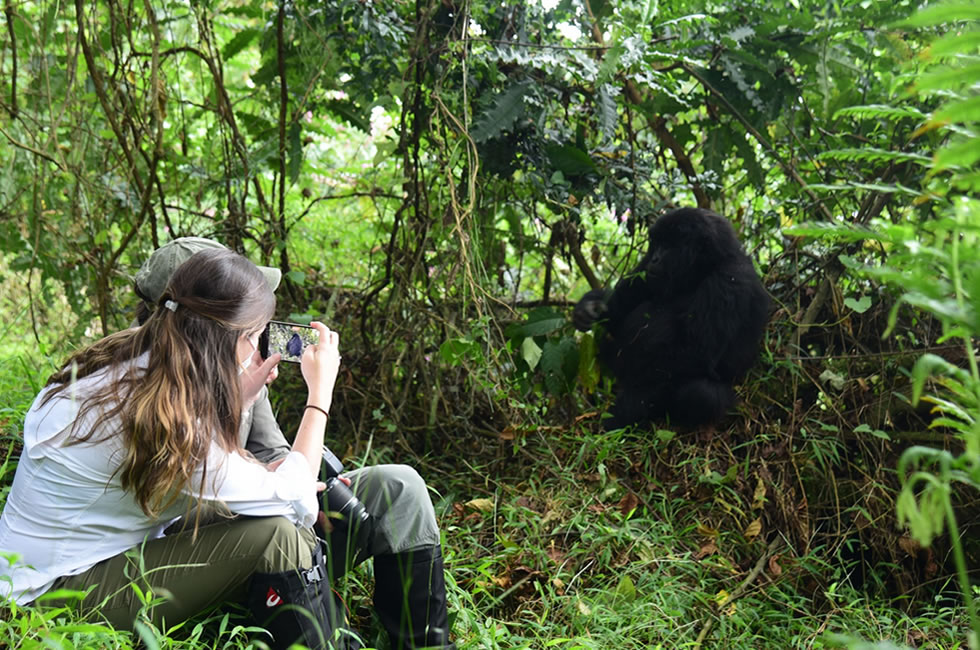
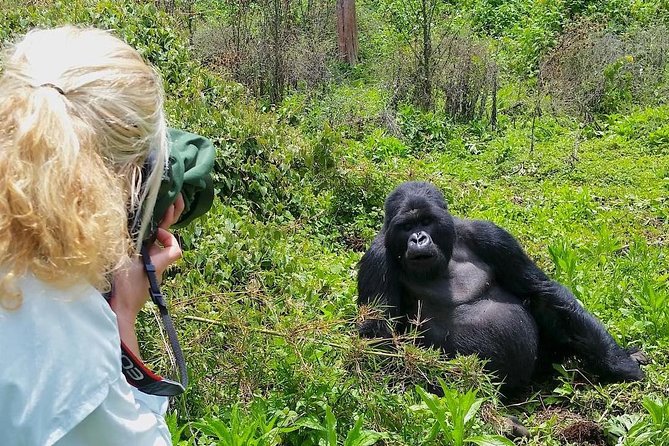
Photography is generally an important part of the gorilla trekking experience, and many travelers bring a camera or smartphone. However, strict wildlife guidelines apply. Visitors should follow the instructions of their guides, maintain the required distance from the gorillas, avoid using flash where prohibited, and behave calmly around the animals. A telephoto or versatile zoom lens can be useful because maintaining a respectful distance is important. Travelers should also remember that the experience is about more than photography. Take time to observe the gorillas and appreciate the rare opportunity to encounter them in their natural environment.
30. Why Should I Book My Rwanda Safari With a Local Tour Company?
Booking with a knowledgeable local Rwanda tour company can provide several advantages, including destination expertise, easier communication, local guides, practical logistical support, and personalized itinerary planning. Local operators understand road conditions, seasonal changes, park procedures, accommodation options, and the realities of traveling between destinations. They can also help travelers adjust plans when circumstances change. Most importantly, a good local safari company should not simply sell you a package; it should help you design an experience that fits your expectations, budget, and interests.
Plan Your Rwanda Safari With Confidence
Rwanda offers an incredible combination of mountain gorilla trekking, Big Five wildlife, rainforest adventures, beautiful landscapes, cultural encounters, and warm hospitality. Whether you are planning a luxury Rwanda safari, a budget-conscious wildlife adventure, a family holiday, a honeymoon, or a tailor-made gorilla trekking trip, the right planning can make your experience smoother and more rewarding.
If you are still deciding where to go, how many days to spend, or which activities to include, speak with a professional Rwanda safari team before booking. A knowledgeable tour operator can help you compare itineraries, explain permit requirements, recommend suitable accommodation, organize transportation, and create a trip around your priorities.
Ready to explore Rwanda? Start planning your Rwanda safari today and turn your dream of seeing mountain gorillas, African wildlife, spectacular landscapes, and vibrant local culture into a real journey. Contact our Rwanda safari specialists for a personalized itinerary and quotation tailored to your travel dates, interests, and budget. With Unique Africa Ventures, You Explore Like Never Before!
For more Info, CONTACT US TODAY AND TALK WITH TOUR CONSULTANT:
Call or WhatsApp: +250 794 128 369
Email: info@uniqueafricaventures.com
Related Posts