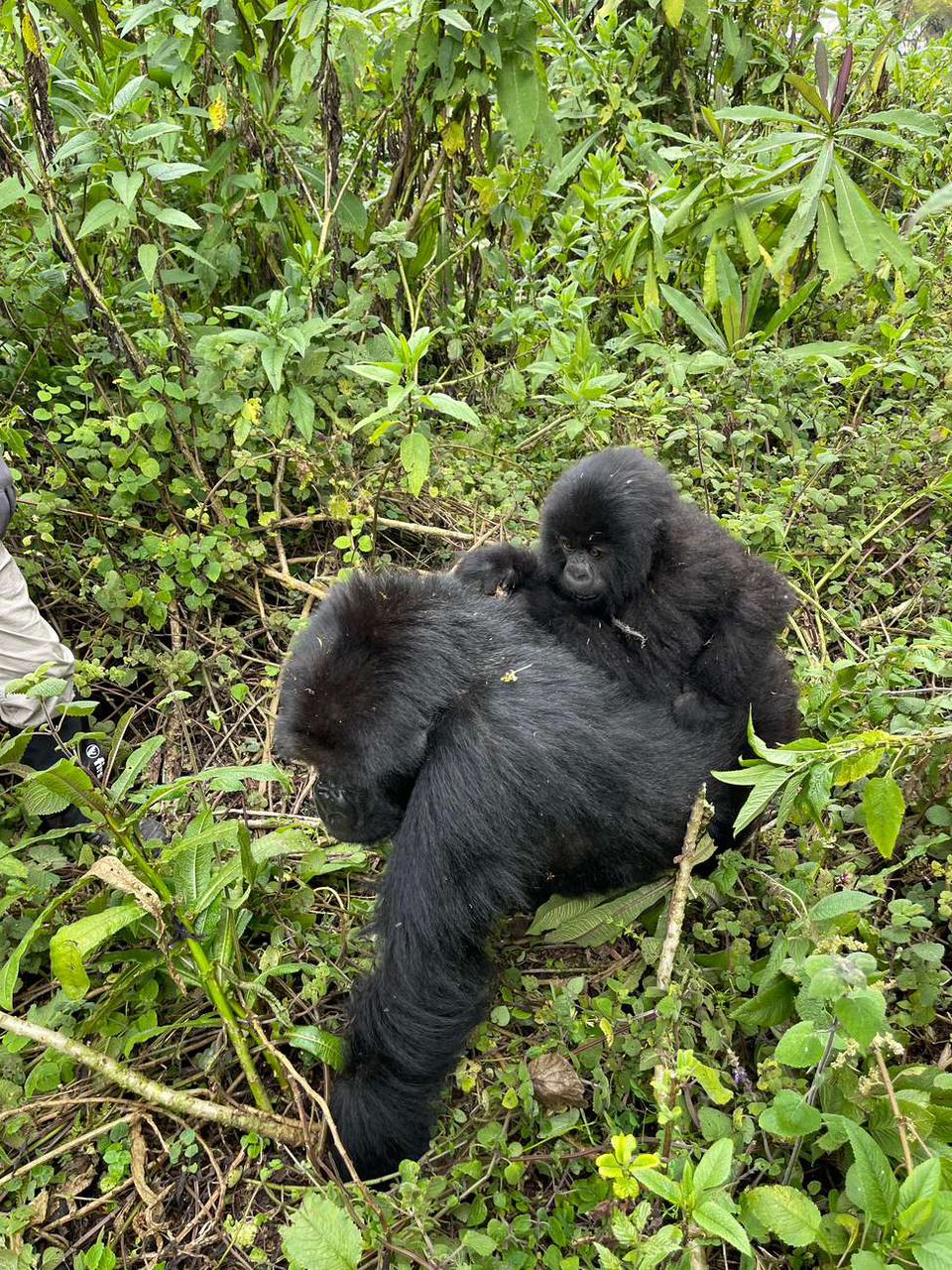

This 10-day Rwanda and Uganda Gorilla Safari is an unforgettable journey through some of East…
Rwanda Safari Safety Guide for 2027 and Beyond
Rwanda Safari Safety Guide for 2027 and Beyond: Travel with Confidence
Planning a Rwanda safari in 2027 or beyond is an exciting opportunity to discover one of Africa’s most remarkable destinations, from the mist-covered volcanoes of the north to the savannahs of Akagera National Park and the ancient rainforest of Nyungwe. Rwanda is widely known for its beautiful landscapes, well-organized tourism sector, conservation achievements, and exceptional wildlife experiences. At the same time, responsible travelers should understand that safari safety involves more than simply choosing a destination. It includes transportation, wildlife behavior, weather, trekking preparation, travel insurance, health planning, border awareness, and working with a professional local tour operator. This guide is designed for travelers searching for a safe Rwanda safari, Rwanda gorilla trekking safety, Rwanda travel advice 2027, Rwanda wildlife safari, Volcanoes National Park tours, Akagera safari holidays, Nyungwe tours, and responsible African travel.
1. Is Rwanda Safe for Safari Travel in 2027?
Rwanda can offer a highly organized and rewarding safari experience, but travelers should not interpret “safe” as meaning risk-free. Current official travel advice notes that crime levels are relatively low overall, while also advising visitors to take normal precautions, particularly in Kigali and around certain border areas. Conditions can change, so travelers planning a Rwanda safari in 2027 should check current government travel advisories shortly before departure rather than relying exclusively on information published years in advance. For us as a tour company, this is an important part of responsible travel planning: itineraries should be reviewed against the latest official guidance, local park information, road conditions, and operational updates before guests travel.
2. Choose a Professional and Experienced Rwanda Tour Operator
One of the best ways to improve your Rwanda safari safety is to travel with a professional tour company that understands local roads, national parks, accommodation, weather patterns, park regulations, and emergency procedures. A reputable operator should provide a clear itinerary, qualified driver-guide, appropriate safari vehicle, emergency contact information, and realistic travel times. For gorilla trekking, We strictily recommends booking through experienced operator when using a private company. This is particularly valuable for international visitors who may not know the terrain or local logistics.
3. Gorilla Trekking Safety in Volcanoes National Park
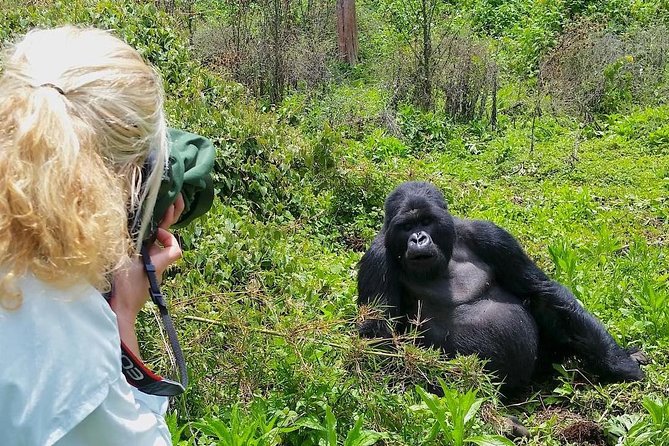
Gorilla trekking in Rwanda is one of the country’s most sought-after experiences, and it is carefully managed to protect both travelers and gorillas. Visitors receive a briefing before trekking and are accompanied by guides and trackers who understand gorilla behavior and the forest environment. Gorilla groups are monitored and protected by park personnel, while tourist encounters are strictly managed. We currently states that habituated gorilla groups have limited tourist contact, with each group receiving visitors for a maximum of one hour per day. These rules are not simply formalities—they are an essential part of responsible wildlife tourism and help minimize stress and disease risks for endangered mountain gorillas.
4. Follow Every Gorilla Trekking Rule
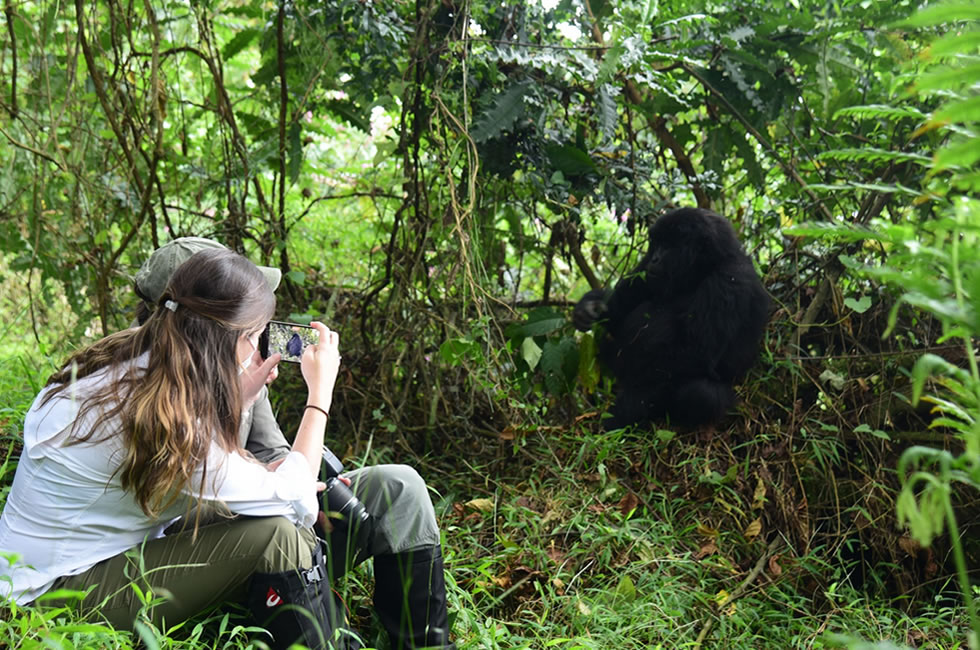
When preparing for a Rwanda gorilla safari, travelers should understand that the experience takes place in a wild forest rather than a conventional zoo or wildlife enclosure. Visitors must listen carefully to their guides, maintain the required distance, avoid sudden movements, and follow instructions concerning photography and behavior. Travelers should never attempt to touch a gorilla, feed wildlife, leave rubbish in the forest, or move away from the group without permission. Respecting these rules protects visitors while also supporting the long-term conservation of mountain gorillas. Tourism revenue contributes to conservation and community initiatives, making responsible behavior an important part of the entire tourism system.
5. Prepare Properly for Mountain Gorilla Trekking
Physical preparation is an important part of gorilla trekking safety in Rwanda. The length and difficulty of a trek can vary considerably because gorilla families move through mountainous forest terrain. Travelers should be prepared for steep slopes, muddy trails, dense vegetation, rain, and changing conditions. Sturdy hiking shoes, long trousers, long-sleeved clothing, gloves, and waterproof outerwear are practical choices. We recommends solid walking shoes, gaiters, sturdy clothing, gloves, and a lightweight waterproof jacket for gorilla tracking.
6. Weather and Rainy-Season Safety
Rwanda’s extraordinary scenery is partly the result of its varied elevations and abundant rainfall, but changing weather can affect safari roads and trekking conditions. Rain can make forest trails slippery and can occasionally affect road travel. Travelers should therefore avoid treating the itinerary as a rigid timetable. We builds reasonable flexibility into the schedule, monitors local conditions, and communicates changes clearly to guests. Waterproof clothing, protective bags for cameras and phones, suitable footwear, and patience are valuable additions to any Rwanda wildlife holiday.
7. Road Safety on a Rwanda Safari
Road transportation is an important part of almost every Rwanda safari itinerary, whether you are traveling from Kigali to Volcanoes National Park, continuing toward Akagera, or exploring the route toward Nyungwe. Official travel advice notes that major roads connecting Kigali with other towns are generally in good condition but can be affected by landslides during rainy periods. A reliable safari company should use experienced drivers who understand local road conditions and should avoid unnecessarily aggressive driving. Guests should always wear seat belts and should communicate with their driver if they are uncomfortable with driving speed or road conditions.
8. Safari Vehicle Safety in Akagera National Park
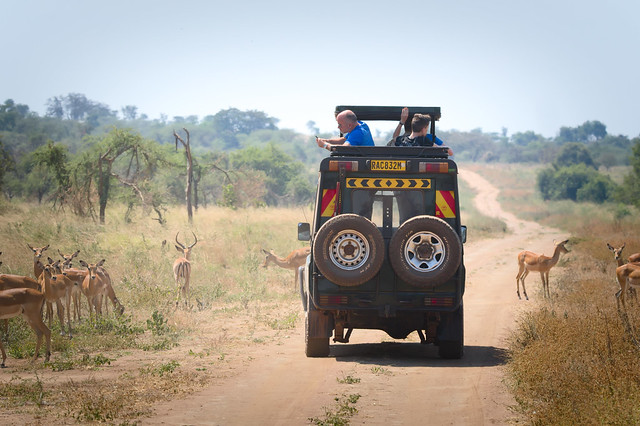
A Big Five safari in Akagera National Park requires a different type of wildlife awareness from gorilla trekking. Visitors may encounter elephants, buffalo, lions, rhinos, hippos, crocodiles, giraffes, antelopes, and numerous bird species. The correct approach is to remain inside the safari vehicle unless your guide or park rules explicitly authorize you to leave it. Wild animals can appear calm while still being unpredictable. Do not shout at animals, attempt to attract their attention, feed them, or insist that a driver move dangerously close for a photograph. Rwanda’s responsible tourism program highlights Akagera as an important safari destination and notes its recovery and wildlife conservation achievements.
9. Respect Wildlife at All Times
The safest wildlife encounter is one where the animal is allowed to behave naturally. Whether you are photographing an elephant in Akagera, a chimpanzee in Nyungwe, or mountain gorillas in Volcanoes National Park, remember that you are entering an animal’s habitat. Never chase wildlife for photographs. Never throw food to animals. Avoid loud music and unnecessary noise. Keep your hands and body inside the vehicle when required, and follow your guide’s instructions. This combination of wildlife safety, ethical photography, and responsible tourism helps create better experiences while protecting Rwanda’s extraordinary biodiversity.
10. Chimpanzee and Primate Trekking Safety
Rwanda is not only a gorilla destination. Visitors can also explore forests looking for chimpanzees and other primates. Nyungwe is particularly important for forest biodiversity and is recognized as one of Rwanda’s major destinations for primate tracking and birdwatching. Primate trekking requires many of the same principles as gorilla trekking: stay with your group, follow the guide, avoid touching wildlife, maintain appropriate distance, and do not leave food or rubbish behind. Visit Rwanda describes Rwanda as home to chimpanzees and numerous monkey species, making responsible behavior essential across the country’s primate tourism experiences.
11. Health and Personal Preparation Before Your Rwanda Safari
Before traveling to Rwanda, visitors should discuss their itinerary with an appropriate medical professional or travel-health clinic. Your preparation can depend on the areas you visit, the season, the length of your stay, and your planned activities. Carry essential personal medications in their original packaging and consider bringing basic travel supplies recommended for your circumstances. Travelers should also obtain suitable travel insurance that covers their planned activities, including trekking or other adventure activities where applicable. Official travel advice specifically recommends researching destinations and obtaining insurance appropriate to the itinerary and emergency needs.
12. Travel Insurance for Rwanda Safari Holidays
A comprehensive Rwanda safari travel insurance policy can be extremely valuable. Look for coverage that matches the actual activities on your itinerary rather than assuming every standard travel policy covers trekking and adventure activities. Your policy should ideally address medical treatment, emergency assistance, trip interruption, cancellations, baggage problems, and activities included in your safari. A professional tour operator should clearly explain which services are included in the package and which risks remain the responsibility of the traveler. Insurance is not a substitute for good planning, but it provides an important layer of protection.
13. Kigali Safety Tips Before and After Your Safari
Many Rwanda safari holidays begin and end in Kigali, a clean, modern, and lively city with restaurants, hotels, cultural attractions, markets, and business districts. As in any major city, travelers should use normal precautions. Current official advice notes that theft, bag-snatching, burglary, and mugging can occur, particularly in Kigali, and recommends care when walking at night, arranging transportation in advance, securing vehicles, and avoiding displaying large amounts of money or valuables. A good tour company can arrange airport transfers and reliable transportation so travelers do not need to navigate unfamiliar streets late at night.
14. Keep Your Safari Itinerary Flexible
One advantage of booking a private Rwanda safari tour is the ability to build flexibility into your itinerary. Weather, road conditions, park regulations, wildlife movements, and other operational considerations can occasionally require changes. Instead of promising an absolutely fixed experience, professional operators should explain that wildlife viewing is naturally unpredictable. You may have a spectacular lion sighting one morning and spend hours searching for wildlife on another. Flexibility allows your guide to prioritize safety and the quality of the overall experience rather than rushing to meet an unrealistic schedule.
15. Responsible Tourism and Conservation
Safety and conservation are closely connected. Rwanda’s tourism model places considerable emphasis on protecting wildlife and supporting communities around protected areas. Gorilla tourism, for example, generates revenue that contributes to conservation and community initiatives. We also highlights responsible tourism across safari, birdwatching, primate tracking, and gorilla experiences. When booking a responsible Rwanda safari, ask your tour operator how your trip contributes to local communities, conservation, guides, drivers, accommodation providers, and protected areas.
16. Protect Rwanda’s Environment During Your Safari
Rwanda has built a strong reputation for cleanliness and environmental responsibility, and visitors should assist maintain it. Do not leave plastic bottles, snack wrappers, tissues, batteries, or other rubbish in parks or forests. Follow designated trails and park instructions. Avoid removing plants, rocks, feathers, or other natural materials as souvenirs. Travelers should also be aware that Rwanda has restrictions concerning plastic bags; current travel advice states that plastic bags brought into the country may be confiscated. Reusable travel bags and refillable water bottles are practical alternatives.
17. Emergency Planning for Your Rwanda Safari
A professional Rwanda safari operator should have a clear emergency plan. Guests should know how to contact their driver-guide, accommodation provider, tour company, and emergency services. Rwanda’s current official emergency information lists 112 for ambulance and police services and 111 for fire services. Travelers should keep important contact information accessible rather than relying entirely on a mobile phone that may have no signal or battery. Your tour company should also know the nearest appropriate assistance points along the planned route.
18. Choosing the Right Accommodation
Accommodation is an important part of safari safety. Whether you choose a luxury lodge, boutique hotel, eco-lodge, or comfortable guesthouse, your tour company should select properties appropriate to the itinerary and location. Ask about security, transportation arrangements, emergency procedures, food and water services, and accessibility if these factors are important to you. Around national parks, a well-positioned lodge can also reduce unnecessary driving and make early-morning activities more convenient. A thoughtfully designed Rwanda safari package combines safety, comfort, location, and authentic experiences rather than focusing only on price.
19. What to Pack for a Safe Rwanda Safari
A practical Rwanda safari packing list should include comfortable walking shoes, lightweight clothing, long trousers, long-sleeved shirts, rain protection, sun protection, insect-repellent products appropriate for your needs, a reusable water bottle, personal medications, travel documents, a small daypack, camera equipment, and protective covers for electronics. For gorilla trekking, sturdy footwear and clothing that protects your arms and legs are especially useful because of forest vegetation and terrain. Visit Rwanda specifically recommends waterproof clothing, sturdy footwear, gloves, and clothing suitable for stinging nettles during gorilla tracking.
20. Photography Safety on Safari
Rwanda offers extraordinary photography opportunities, but getting the perfect photograph should never take priority over safety or animal welfare. Use your camera quietly and avoid sudden movements around wildlife. Never leave the vehicle or approach an animal simply to obtain a better image. During gorilla trekking, follow the instructions of trackers and guides regarding distance and photography. Consider carrying lightweight equipment because trekking through mountainous forest can be physically demanding. A professional guide can often help you find the best viewing position without putting you or the animals at unnecessary risk.
21. Why Book a Rwanda Safari With a Local Expert?
Booking with a Rwanda-based safari company can make your journey smoother because local specialists understand the country’s geography, accommodation network, park procedures, transportation routes, seasonal conditions, and cultural expectations. A good operator does more than sell a package: they coordinate permits, transfers, guides, accommodations, activities, and contingency plans. They also provide a local point of contact before and during the trip.
22. Safe Rwanda Safari Packages for 2027 and Beyond
For travelers planning a Rwanda safari 2027, popular combinations can include Kigali, Volcanoes National Park, Akagera National Park, and Nyungwe National Park. A shorter itinerary might focus on Kigali and gorilla trekking, while a longer holiday can combine mountain gorillas, Big Five wildlife, chimpanzee trekking, rainforest experiences, cultural activities, and scenic drives. The best itinerary depends on your interests, fitness level, budget, available time, and desired accommodation standard. Instead of choosing an itinerary simply because it is advertised as the cheapest, compare what is actually included: permits, transportation, accommodation, meals, guide services, park fees, airport transfers, and support throughout the journey.
23. Family, Couple, Solo and Luxury Safari Safety
Rwanda can accommodate different styles of travelers, but the itinerary should be designed around the people traveling. Couples may prefer a private Rwanda honeymoon safari combining gorilla trekking with luxury lodges and scenic experiences. Families may prefer carefully paced wildlife drives and cultural activities. Solo travelers can benefit from reliable transfers and organized guiding, while luxury travelers may want private vehicles, premium lodges, and flexible schedules. The key is personalization. Unique Africa Ventures asks about your interests and limitations before recommending a safari rather than selling exactly the same itinerary to every client.
24. Why Rwanda Is an Excellent Safari Destination Beyond Gorillas
Although Rwanda gorilla trekking is internationally famous, the country offers much more. Akagera provides classic savannah wildlife experiences, while Nyungwe offers rainforest landscapes, primates, birds, and forest adventures. Kigali adds cultural, culinary, and urban experiences, while the country’s hills and lakes provide beautiful scenery between destinations. Visit Rwanda describes the country as having remarkable biodiversity across volcanoes, montane rainforest, and sweeping plains. This variety makes Rwanda particularly attractive for travelers who want a compact itinerary combining wildlife, nature, culture, and conservation.
25. Book Your Rwanda Safari With Confidence
A successful Rwanda safari in 2027 and beyond begins with good information, realistic expectations, and an experienced local partner. Safety should be part of the entire journey—from the first airport transfer to the final game drive—not an afterthought. Verify current travel information before departure, ask your operator any question you may have, obtain suitable insurance, prepare appropriately for trekking, respect wildlife regulations, and remain flexible when conditions change. Rwanda’s combination of conservation, dramatic landscapes, diverse wildlife, and well-developed tourism experiences makes it a compelling destination for an unforgettable African adventure. Your safari should not simply take you to Rwanda; it should introduce you to the country’s wildlife, people, landscapes, and conservation story in a responsible and memorable way. With Unique Africa Ventures, You Explore Like Never Before!
For more Info, CONTACT US TODAY AND TALK WITH TOUR CONSULTANT:
Call or WhatsApp: +250 794 128 369
Email: info@uniqueafricaventures.com
Related Posts