
Affordable Rwanda Safari Adventures Rwanda is one of Africa’s most rewarding destinations for travelers who…
How Safe Is Gorilla Trekking in Rwanda?
Gorilla trekking in Rwanda is widely regarded as a safe and well-managed wildlife experience, especially when compared to many other adventure tourism activities around the world. The country has invested heavily in conservation, tourism infrastructure, and visitor safety, making it one of the top destinations for seeing mountain gorillas in the wild. Volcanoes National Park—the main trekking location—is tightly controlled and monitored by trained professionals.
One of the strongest indicators of safety is Rwanda’s long-standing stability and commitment to eco-tourism. For nearly three decades, gorilla trekking has been conducted under strict supervision, with safety for both visitors and animals as a top priority. Armed park rangers, tourism police, and experienced guides accompany every trekking group, ensuring security throughout the experience.
Another key safety factor is the structured organization of each trek. Visitors are placed in small groups—typically no more than eight people—and assigned to a specific habituated gorilla family. This controlled system reduces risks such as crowding, confusion, or disturbing the animals. It also allows guides to maintain close supervision of every participant.
The presence of trained guides and trackers significantly enhances safety. These professionals are highly knowledgeable about gorilla behavior, forest navigation, and emergency response. They track the gorillas early each morning and lead visitors safely through volcanic terrain, providing instructions on how to behave during encounters.
Health safety is taken extremely seriously during gorilla trekking. Because mountain gorillas share about 98% of human DNA, they are highly susceptible to human diseases. As a result, anyone who is sick is not allowed to participate in a trek, and strict hygiene rules are enforced to protect both humans and gorillas.
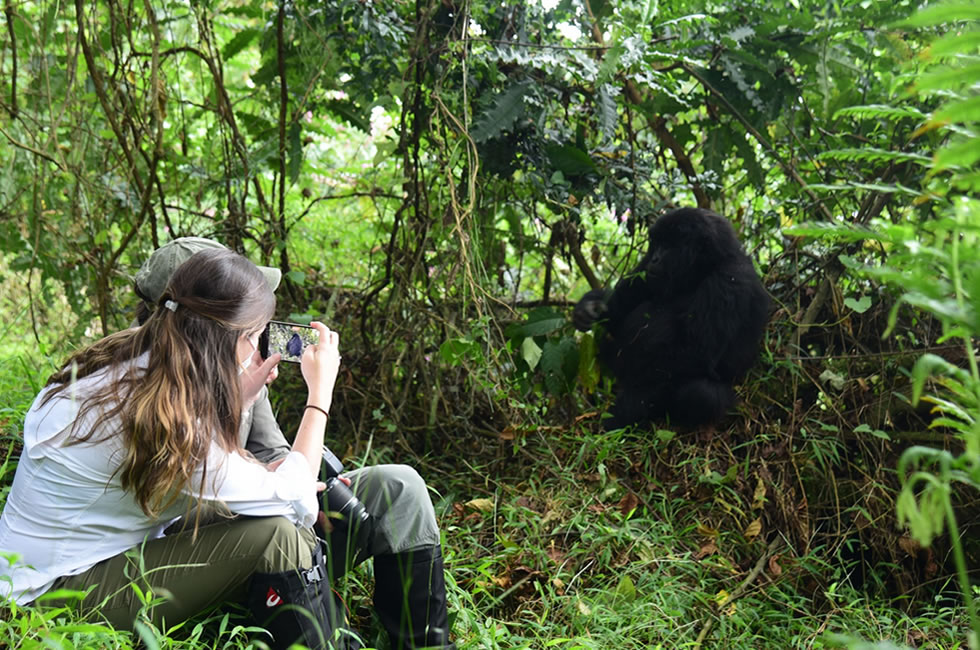
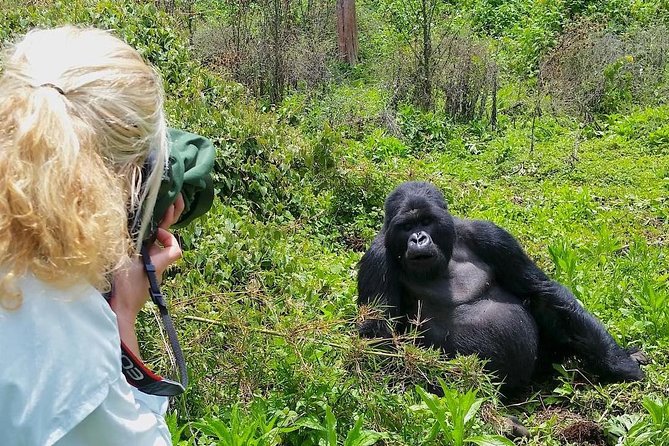
Maintaining a safe distance from the gorillas is another essential rule. Visitors are required to stay about 7 meters (approximately 23 feet) away at all times. This distance minimizes the risk of disease transmission and prevents the animals from feeling threatened.
Behavioral guidelines also play a major role in ensuring safety. Trekkers are instructed to remain calm, avoid sudden movements, and keep their voices low. These rules reduce the likelihood of provoking defensive behavior from the gorillas, who are generally gentle but still wild animals.
In the rare event that a gorilla charges or approaches closely, guides are trained to manage the situation. Visitors are instructed not to run, but instead to remain still, avoid eye contact, and follow the guide’s lead. These techniques are highly effective in diffusing tension and preventing harm.
Environmental risks, such as difficult terrain, are also carefully managed. Gorilla trekking involves hiking through dense forests, steep slopes, and sometimes muddy trails. While this can be physically challenging, guides set a manageable pace and allow frequent rest breaks to ensure safety.
Weather conditions in Rwanda’s forests can change quickly, with rain, mist, and slippery paths being common. However, proper preparation—such as wearing hiking boots, rain gear, and protective clothing—greatly reduces these risks.
Another safety measure is the time limit for gorilla encounters. Visitors are allowed to spend only one hour with the gorillas. This rule protects both the animals from prolonged human exposure and tourists from potential risks associated with extended close contact.
Age restrictions also contribute to safety. Only individuals aged 15 and above are permitted to trek. This ensures that participants are physically capable and emotionally mature enough to follow safety instructions and remain calm during close wildlife encounters.
The conservation-focused approach of Rwanda’s tourism model further enhances safety. By limiting visitor numbers and enforcing strict rules, authorities reduce stress on gorilla families and maintain a controlled environment for tourism activities.
Personal security in Rwanda is generally high, especially in tourism zones. Visitors traveling to trekking areas often report feeling safe due to visible security presence and organized tour operations. This adds another layer of reassurance for international travelers.
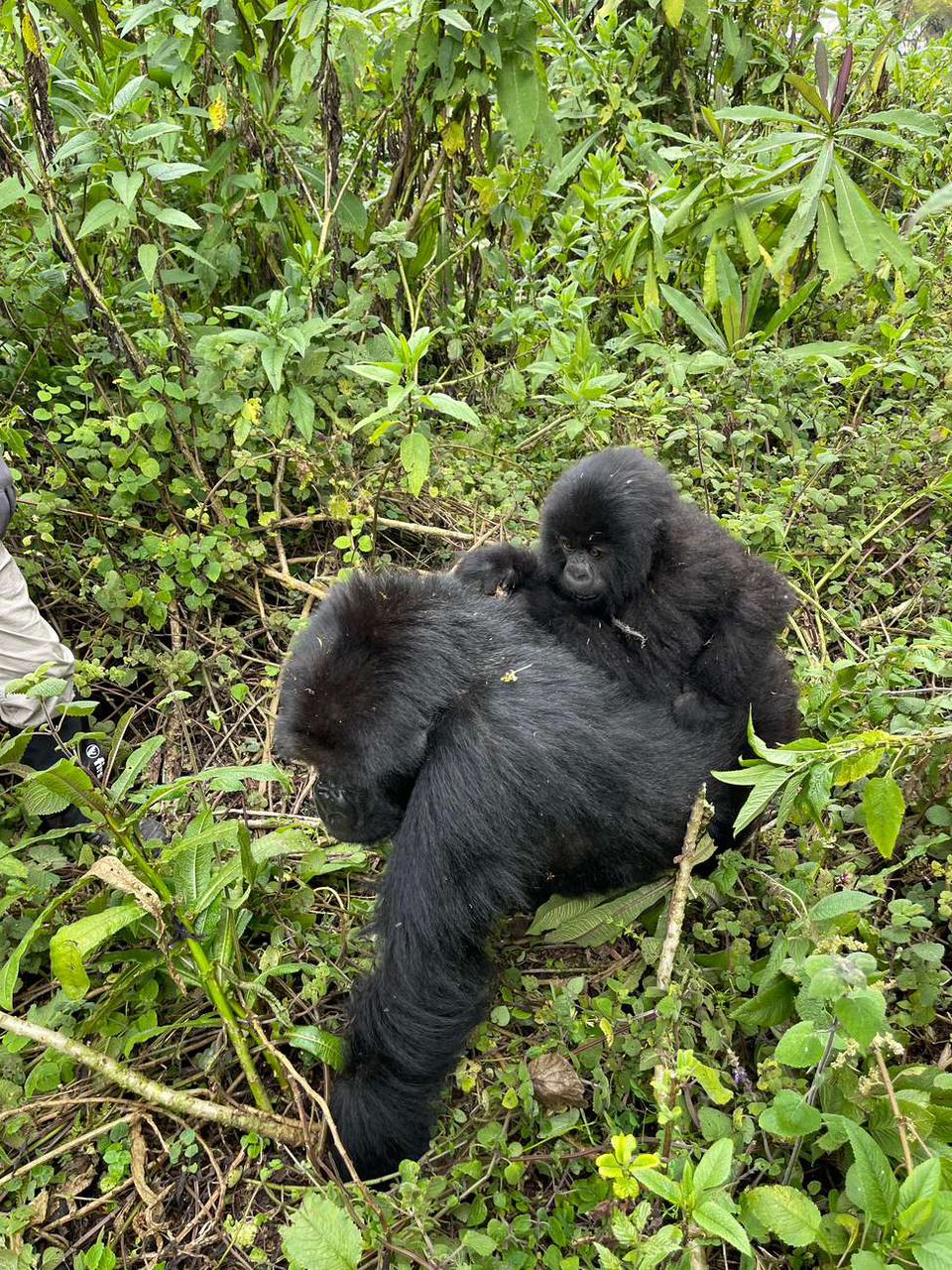
It’s also important to note that gorillas themselves are not naturally aggressive. Habituated gorilla families are accustomed to human presence and typically display calm and curious behavior. Incidents are extremely rare when guidelines are followed properly.
However, gorilla trekking is not entirely risk-free. The physical demands of hiking, potential altitude effects, and exposure to insects or conditions can pose challenges. Proper fitness, preparation, and adherence to guidelines are essential for minimizing these risks.
Overall, gorilla trekking in Rwanda is considered very safe when conducted through official channels and with licensed guides. The combination of strict regulations, professional supervision, and strong conservation practices creates a controlled and secure environment for visitors.
In conclusion, while the experience involves entering a wild habitat, the level of organization and precaution in Rwanda makes gorilla trekking one of the safest wildlife encounters available today. By following the rules, respecting the animals, and preparing adequately, visitors can enjoy this once-in-a-lifetime experience with confidence.
CONTACT US TODAY AND TALK WITH TOUR CONSULTANT:
Call or WhatsApp: +250 794 128 369
Related Posts