
This 10-day Rwanda and Uganda Gorilla Safari is an unforgettable journey through some of East…
Rwanda Safari with Conservation and Sustainability Focus
1. Rwanda Safari with a Conservation and Sustainability Focus
A Rwanda safari is more than a journey through beautiful landscapes and wildlife-rich national parks. It is an opportunity to experience a country where conservation, community development, and responsible tourism are closely connected. From the misty mountains of Volcanoes National Park to the savannah plains of Akagera National Park and the ancient rainforest of Nyungwe National Park, Rwanda offers unforgettable wildlife experiences while giving travelers the opportunity to support the protection of natural ecosystems.
When you choose a sustainable safari in Rwanda, your journey can become part of a bigger story. Tourism helps create employment, supports local businesses, encourages wildlife protection, and contributes to communities living around protected areas. Rwanda’s tourism model places strong emphasis on conservation and community participation, with the country’s Tourism Revenue Sharing Programme directing 10% of national park tourism revenues toward community development.
2. Travel Rwanda with Purpose
Imagine waking before sunrise, hearing the sounds of the African forest, and setting out with an experienced guide toward one of Rwanda’s protected landscapes. The experience is exciting, but it can also be meaningful. Responsible travel in Rwanda gives you the chance to discover wildlife while understanding why these habitats matter and how tourism can help protect them.
Our conservation-focused Rwanda safaris are designed for travelers who want more than photographs. We connect wildlife encounters with local culture, conservation stories, nature, and community experiences. Whether you dream of gorilla trekking in Rwanda, a Big Five safari in Akagera, chimpanzee trekking in Nyungwe, or a multi-park Rwanda itinerary, we help you travel thoughtfully while making the most of your time in the country.
3. Gorilla Trekking and Mountain Gorilla Conservation
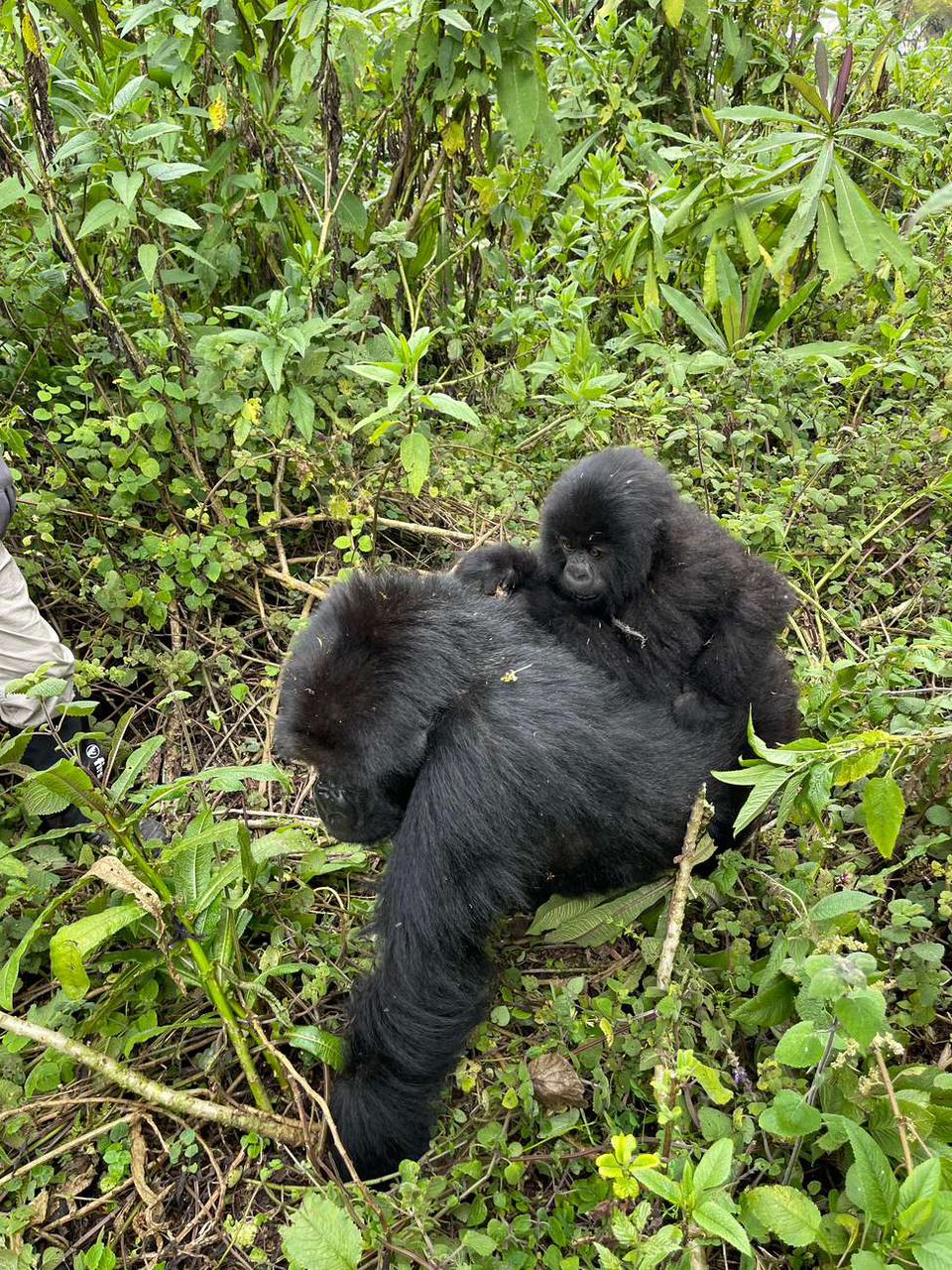
Few wildlife experiences compare with meeting Rwanda’s mountain gorillas in their natural forest habitat. Gorilla trekking in Volcanoes National Park takes you into the Virunga Mountains, where experienced trackers and guides lead visitors through a protected ecosystem in search of habituated gorilla families.
The success of mountain gorilla conservation is one of Rwanda’s most inspiring conservation stories. The mountain gorilla population in the Virunga Massif has increased significantly over the years, supported by conservation, research, tourism, and collaboration with communities and conservation partners.
Your gorilla trek therefore becomes more than a wildlife adventure. It is a chance to witness conservation in action and learn about the delicate relationship between wildlife, forests, tourism, researchers, rangers, and surrounding communities.
4. Ethical and Responsible Gorilla Trekking
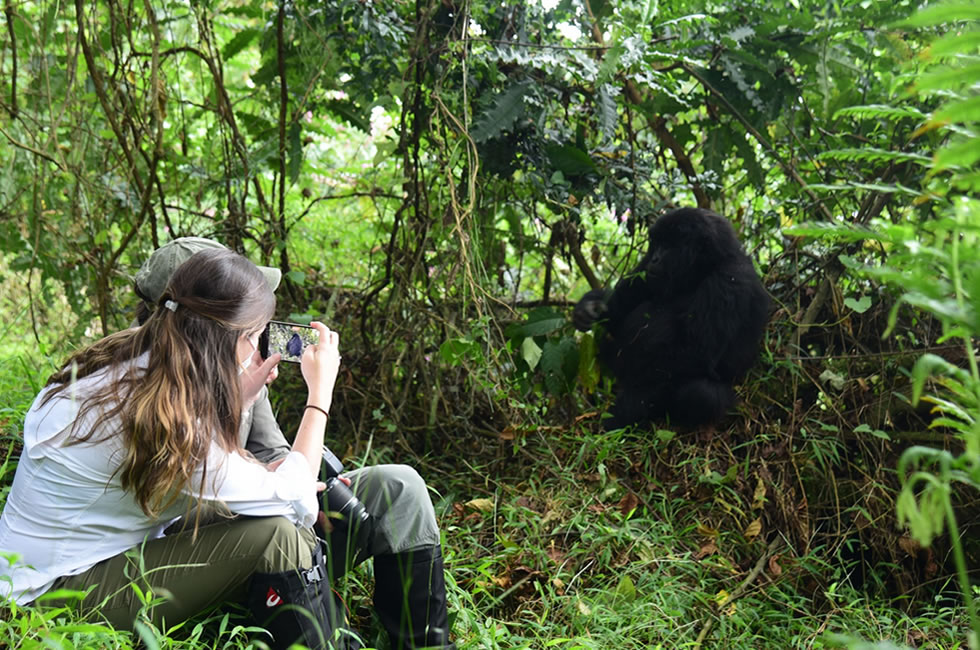
A responsible Rwanda gorilla trekking experience begins with respect for the animals and their habitat. Gorillas are wild animals, and every encounter should prioritize their welfare. Visitors are expected to follow park regulations, maintain appropriate distance, avoid disturbing the animals, and listen carefully to the instructions of guides and trackers.
We encourage our guests to approach gorilla trekking with patience and respect. The goal is not simply to obtain the perfect photograph, but to observe these remarkable primates without compromising their natural behavior. Responsible wildlife tourism helps ensure that future generations can experience the same extraordinary forests and gorilla families.
5. Volcanoes National Park: Where Tourism Supports Conservation
Volcanoes National Park is one of Rwanda’s most iconic conservation destinations. Its dramatic volcanic landscape, bamboo forests, montane vegetation, and extraordinary biodiversity create the setting for some of Africa’s most memorable wildlife experiences.
The park is internationally recognized for mountain gorilla conservation, but there is much more to discover. Travelers can also experience golden monkey trekking, hiking, cultural experiences, nature walks, and conservation-focused activities. Rwanda continues to invest in protecting and expanding critical habitat while strengthening the connection between conservation and local development.
6. Akagera National Park: A Model for Wildlife Recovery
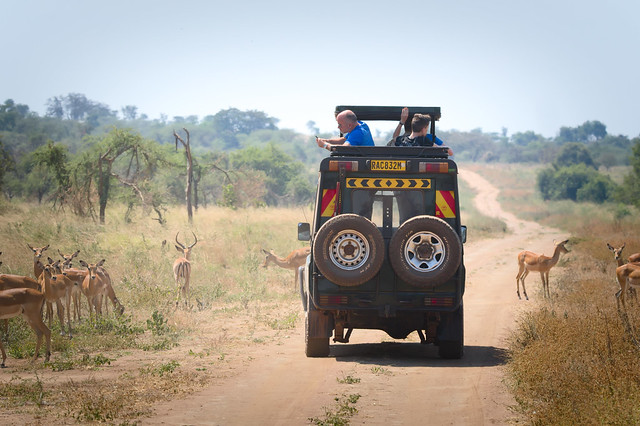
For travelers looking for an authentic African wildlife safari in Rwanda, Akagera National Park offers an entirely different experience from the mountain forests. Rolling savannahs, lakes, wetlands, woodland, and open plains provide habitat for a diverse range of wildlife.
A safari in Akagera can include game drives in search of elephants, buffaloes, giraffes, zebras, antelopes, hippos, crocodiles, and a variety of bird species. The park’s conservation story also makes it particularly interesting for travelers who want to understand how protected areas can recover through long-term management and conservation partnerships.
A sustainable Akagera safari allows visitors to enjoy wildlife while contributing to the economic value of conservation. Your presence as a responsible visitor helps demonstrate that healthy ecosystems can provide lasting benefits for both wildlife and people.
7. Nyungwe National Park and Forest Conservation
Travel south and the landscape changes dramatically. Nyungwe National Park is a remarkable rainforest ecosystem filled with ancient trees, dramatic valleys, mountain scenery, and extraordinary biodiversity. It is one of Rwanda’s most important destinations for forest and primate tourism.
A Nyungwe chimpanzee trekking safari provides the opportunity to explore the forest with knowledgeable guides while learning about its biodiversity. Nyungwe is also known for its primates, birdlife, orchids, butterflies, and forest ecosystems. Park Management highlights an estimated population of around 500 chimpanzees living throughout the forest. For nature lovers, Nyungwe offers an opportunity to slow down and appreciate a different side of Rwanda—one where rainforest conservation is central to the travel experience.
8. Sustainable Safari Experiences for Wildlife Lovers
A sustainable safari in Rwanda should be carefully designed around the environment, wildlife, and communities. Instead of treating conservation as an optional extra, we believe it should be part of the journey from beginning to end.
That means selecting responsible accommodation, working with professional local guides, supporting locally owned businesses where possible, respecting protected-area regulations, minimizing unnecessary waste, and encouraging meaningful cultural interactions. It also means educating travelers about the places they visit so that wildlife encounters become opportunities for learning as well as enjoyment.
9. Community Tourism: Meet Rwanda Beyond the Wildlife
Conservation cannot succeed without people. Many communities live around Rwanda’s protected areas, and tourism can provide opportunities for local employment, entrepreneurship, education, and improved livelihoods.
Our Rwanda community tourism experiences can introduce you to local traditions, food, crafts, farming, music, dance, storytelling, and everyday life. Rather than simply passing through communities, responsible travelers have the opportunity to engage respectfully with local people and learn directly from them.
Rwanda’s Tourism Revenue Sharing Programme has reinvested tourism revenues into community development projects, including schools, healthcare, water infrastructure, and livelihood initiatives. Recent official figures report more than RWF 23 billion invested through the programme over the years.
10. Your Safari Can Support Local People
Every safari creates a network of people behind the experience: guides, drivers, trackers, accommodation staff, conservation professionals, farmers, artisans, community hosts, restaurant workers, and many others. Choosing a locally operated tour company can help keep more tourism value within the destination.
We believe responsible tourism in Rwanda should create meaningful benefits for local people while protecting the natural resources that attract visitors in the first place. Our aim is to build journeys that connect travelers with Rwanda while supporting the people and places that make those journeys possible.
11. Eco-Friendly Accommodation in Rwanda
Where you stay matters. Our conservation-focused safari planning can prioritize eco-lodges and responsible accommodation in Rwanda that demonstrate strong environmental and community practices.
Depending on your itinerary and budget, this can include properties that focus on renewable energy, waste reduction, water conservation, local sourcing, employment opportunities, and responsible construction. Staying at a responsible lodge can transform your accommodation from simply a place to sleep into another way of supporting the destination.
We carefully match accommodation with your safari style, location, comfort expectations, and sustainability priorities.
12. Reducing the Environmental Impact of Your Safari
Sustainable tourism does not mean giving up comfort or adventure. It means making thoughtful choices. During your Rwanda eco-safari, we encourage simple practices such as carrying reusable water bottles, avoiding unnecessary single-use plastics, respecting wildlife, staying on designated trails, reducing waste, and following the guidance of park authorities.
Rwanda has developed a strong reputation for environmental cleanliness and responsible tourism, including its longstanding restrictions on plastic bags. Official tourism information presents sustainability as an important part of the country’s tourism approach. Small decisions made by thousands of travelers can have a significant collective impact.
13. Responsible Wildlife Photography
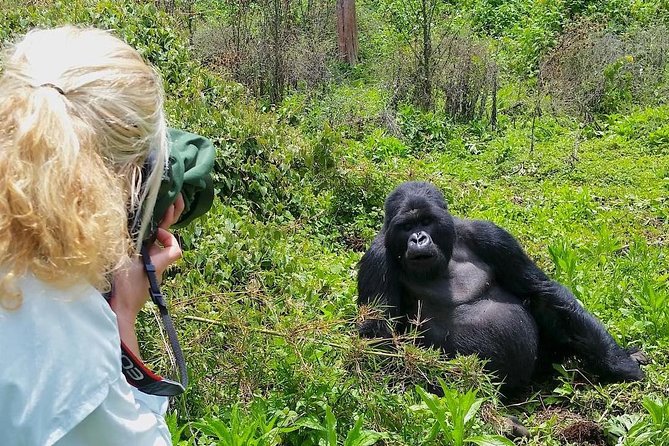
We understand how important photography is to modern safari travelers. A photograph can preserve a memory and inspire others to care about wildlife. But responsible wildlife photography in Rwanda always comes second to animal welfare.
Our guides help guests understand appropriate behavior around wildlife, including maintaining respectful distances, avoiding disruptive movements and sounds, and following park rules. When photographing gorillas, chimpanzees, golden monkeys, elephants, or other wildlife, patience is often more rewarding than trying to force an encounter.
The best safari photograph is one captured without compromising the animal’s wellbeing.
14. Birdwatching and Biodiversity Conservation
Rwanda is an excellent destination for travelers interested in birdwatching and biodiversity tourism. Its combination of forests, wetlands, mountains, lakes, and savannah creates diverse habitats supporting a remarkable range of bird species.
A conservation-focused birding safari can take you through Akagera, Nyungwe, Volcanoes National Park, wetlands, and other habitats while introducing you to the ecological importance of each environment. For specialist birdwatchers, photographers, nature enthusiasts, and first-time safari travelers, birding provides a slower and highly rewarding way to experience Rwanda’s biodiversity.
15. A Rwanda Safari That Connects Three Ecosystems
One of the best ways to experience Rwanda’s conservation story is to combine its major ecosystems in one journey. Begin with the savannah wildlife of Akagera, continue to the montane forests of Volcanoes National Park, and finish among the rainforests of Nyungwe.
Each destination offers something different. Akagera introduces you to classic African safari landscapes and wildlife. Volcanoes brings you close to mountain gorillas and golden monkeys. Nyungwe reveals an extraordinary rainforest world filled with primates, birds, and plant life.
Together, these destinations demonstrate why Rwanda is increasingly recognized as a diverse and high-value safari destination. Rwanda’s compact size makes it possible to experience a remarkable range of landscapes and wildlife within a relatively short trip.
16. Conservation Beyond the National Parks
Conservation is not limited to what happens inside a park boundary. Forests, wetlands, rivers, agricultural landscapes, communities, and wildlife corridors are all interconnected.
When you travel through Rwanda, you can see how environmental protection and human development exist alongside each other. Conservation initiatives increasingly recognize the importance of ecosystem restoration, climate resilience, community livelihoods, and sustainable land use.
This broader perspective makes a Rwanda conservation safari especially valuable for environmentally conscious travelers who want to understand not only what they are seeing, but why protecting it matters.
17. Travel Slowly, Experience More
A sustainable safari is not necessarily about seeing as many attractions as possible. Sometimes the most rewarding journeys are those that leave room for observation, conversation, and discovery.
Instead of rushing from one destination to another, consider spending additional nights in key areas. Take time to enjoy the landscape, speak with your guide, visit a local community, learn about conservation, enjoy a forest walk, or simply watch wildlife without constantly moving to the next activity.
Slow travel in Rwanda creates a deeper connection with the destination and can also encourage travelers to spend more time supporting local businesses and communities.
18. Support Conservation Through Your Travel Choices
Choosing where to spend your money can be one of the most practical ways to support responsible tourism. Book with a company that values local employment, choose accommodation that takes sustainability seriously, purchase locally made crafts, eat at locally owned restaurants where appropriate, and participate in community experiences that respect local culture.
Tourism already plays an important role in Rwanda’s economy. Official figures show tourism revenue reached approximately US$685 million in 2025, with visitor arrivals also increasing. The opportunity is to make that growing tourism industry increasingly beneficial for conservation and communities.
19. A More Meaningful Rwanda Gorilla Safari
Your Rwanda gorilla safari can be one of the most memorable journeys of your life. But the experience becomes even more meaningful when you understand the conservation work behind the encounter.
Before your trek, your guide can introduce you to the gorilla conservation story and explain how tourism, research, veterinary work, rangers, local communities, and international conservation organizations contribute to protecting the species and its habitat. By the time you enter the forest, you are not simply looking for gorillas. You are entering an ecosystem whose survival depends on careful stewardship.
20. Conservation, Culture and Adventure in One Journey
Rwanda offers the rare opportunity to combine wildlife safari, gorilla trekking, cultural tourism, adventure, and conservation within one destination.
You might spend a morning tracking chimpanzees through rainforest, enjoy lunch overlooking a beautiful landscape, meet local artisans in the afternoon, and finish the day discussing conservation with your guide. Another day might take you across Akagera’s savannah in search of elephants and lions.
This combination makes Rwanda ideal for couples, families, photographers, wildlife enthusiasts, honeymooners, solo travelers, researchers, and conscious travelers looking for an authentic African experience.
21. Why Choose a Conservation-Focused Rwanda Tour?
Choosing a conservation-focused tour means choosing a travel experience built around more than sightseeing. It means learning about wildlife, respecting protected areas, meeting local people, and understanding the relationship between tourism and conservation.
We design responsible Rwanda safari tours around your interests, whether that means gorillas, chimpanzees, Big Five wildlife, birds, forests, culture, photography, hiking, or a combination of experiences. Our goal is simple: to help you discover Rwanda in a way that is exciting for you and respectful to the destination.
22. Tailor-Made Sustainable Rwanda Safaris
Every traveler has a different idea of the perfect safari. Some dream of spending hours watching gorillas in the mountains. Others want a Rwanda Big Five safari, while some prefer chimpanzee trekking, birdwatching, cultural experiences, or a combination of all three.
We create tailor-made Rwanda safari itineraries around your travel dates, interests, preferred accommodation, fitness level, budget, and sustainability priorities. Whether you have three days or two weeks, we can help build a journey that balances wildlife, conservation, comfort, culture, and responsible travel.
23. Family-Friendly Conservation Safaris
A Rwanda safari can also be an educational family adventure. Children can learn about wildlife, forests, conservation, geography, local culture, and the importance of protecting natural habitats.
We can design family itineraries that combine age-appropriate activities with comfortable accommodation and engaging experiences. Depending on age and park regulations, your family can explore wildlife-rich landscapes, visit cultural attractions, discover Rwanda’s scenery, and learn how conservation protects animals and supports communities. A family safari can create memories while inspiring the next generation of environmental stewards.
24. Honeymoon Safaris with a Purpose
For couples seeking a unique Rwanda honeymoon safari, conservation adds another dimension to an already unforgettable journey. Imagine combining luxury accommodation, beautiful mountain scenery, intimate nature experiences, gorilla trekking, rainforest adventures, and time beside Lake Kivu.
A sustainable honeymoon allows you to celebrate together while choosing experiences that respect Rwanda’s wildlife, environment, and communities. From private transfers and carefully selected lodges to unforgettable wildlife encounters, we can create a romantic itinerary that feels personal, meaningful, and distinctly Rwandan.
25. What Makes Our Rwanda Safaris Different?
We believe a great safari should feel personal. You should not feel like a passenger being moved from one attraction to another. You should feel connected to the destination.
Our conservation approach places people, wildlife, nature, and responsible travel at the center of the experience. We work to create journeys where local knowledge matters, where guides have time to explain what you are seeing, and where your itinerary reflects your interests rather than simply following a standard template.
From your first inquiry to the moment you return home, our team is focused on creating a smooth and memorable Rwanda experience.
26. Your Journey Helps Tell Rwanda’s Conservation Story
When you travel responsibly, you become part of Rwanda’s wider tourism story. Your visit creates demand for guides, accommodation, transport, food, crafts, cultural experiences, and conservation-oriented tourism.
Rwanda tourism strategy continues to emphasize conservation, responsible tourism, and community involvement as important pillars of tourism development. That means your safari can be more than a holiday. It can be a way of participating in a tourism model that seeks to protect natural heritage while creating opportunities for people.
27. Plan Your Sustainable Rwanda Safari
Whether your dream is to stand quietly in the forest with a mountain gorilla, watch elephants crossing an Akagera plain, follow chimpanzees through Nyungwe, discover Rwanda’s extraordinary birdlife, or meet communities whose lives are connected to these landscapes, your journey can be designed around responsible travel.
Choose Rwanda for the wildlife. Stay for the landscapes, culture, and people. Leave knowing your journey supported a destination worth protecting. Start planning your Rwanda sustainable safari, gorilla trekking adventure, conservation tour, or tailor-made wildlife holiday with our experienced local team. Tell us what inspires you, how long you would like to travel, and what kind of experience you are looking for—and we will help turn your ideas into a meaningful Rwanda safari. With Unique Africa Ventures, You Explore Like Never Before!
For more Info, CONTACT US TODAY AND TALK WITH TOUR CONSULTANT:
Call or WhatsApp: +250 794 128 369
Email: info@uniqueafricaventures.com
Related Posts