
Affordable Rwanda Safari Adventures Rwanda is one of Africa’s most rewarding destinations for travelers who…
Rwanda Gorilla Safari FAQs Answered by Local Experts /Complete Guide 2026-27
A gorilla safari in Rwanda is one of Africa’s most unforgettable wildlife experiences. Travelers from around the world visit Volcanoes National Park to spend a precious hour with endangered mountain gorillas in their natural habitat. Below are detailed, written answers to some of the most frequently asked questions travelers ask local guides, trackers, and safari experts.
1. What is a Rwanda gorilla safari?
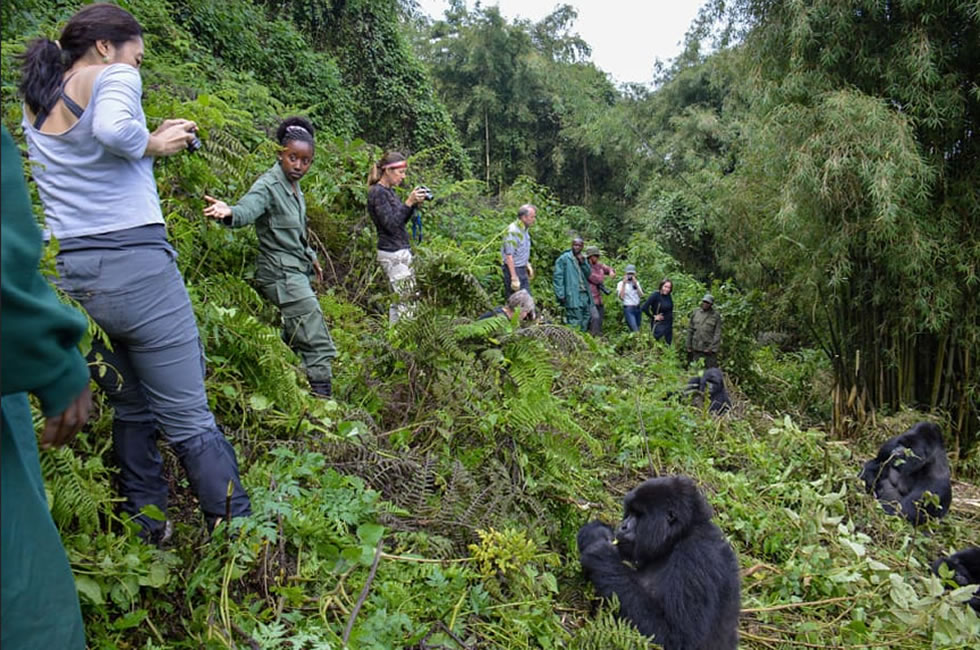
A Rwanda gorilla safari is a guided trek through the forests of Volcanoes National Park to observe mountain gorillas in their natural environment. Visitors hike with experienced rangers and trackers until they locate one of the habituated gorilla families. Once found, guests are allowed to spend one hour observing the gorillas.
2. Where can I see gorillas in Rwanda?
Mountain gorillas can be seen in Volcanoes National Park, located in northwestern Rwanda near the borders of Uganda and the Democratic Republic of Congo. The park is part of the larger Virunga Conservation Area, home to nearly half of the world’s remaining mountain gorillas.
3. How much does a Rwanda gorilla permit cost?
The gorilla trekking permit in Rwanda typically costs several thousand U.S. dollars for international visitors. Permit prices may change, so travelers should verify current rates through the official tourism authorities or trusted/Reliable tour operators before booking.
4. Why is gorilla trekking so expensive?
Permit fees contribute directly to gorilla conservation, park management, anti-poaching patrols, community development projects, and ranger salaries. The limited number of permits issued each day also helps protect the gorillas from excessive human interaction.
5. Is gorilla trekking worth the money?
Most visitors consider it a once-in-a-lifetime experience. Seeing wild mountain gorillas up close, observing family interactions, and witnessing their remarkable similarities to humans often becomes the highlight of an African safari.
6. How difficult is gorilla trekking in Rwanda?
The difficulty varies depending on the gorilla family assigned. Some groups may be reached within an hour, while others require several hours of hiking through steep terrain, muddy trails, and dense vegetation. Local guides usually match visitors to groups based on fitness levels whenever possible.
7. Do I need to be physically fit?
Moderate fitness is recommended. You do not need to be an athlete, but being able to walk uphill for several hours can make the experience more enjoyable. Porters are available to help carry bags and assist on challenging sections.
8. What is the minimum age for gorilla trekking?
The minimum age is generally 15 years. This rule helps ensure visitor safety and minimizes stress on the gorillas.
9. How close can I get to the gorillas?
Visitors are expected to maintain a distance of about seven meters (approximately 23 feet). However, gorillas are wild animals and sometimes choose to approach visitors on their own.
10. How long do I spend with the gorillas?
Once the gorilla family is located, visitors are allowed exactly one hour with the group. This regulation helps protect the gorillas from prolonged human exposure.
11. What should I wear for gorilla trekking?
We recommend:
- Long-sleeved shirts
- Long trousers
- Waterproof hiking boots
- Gardening or trekking gloves
- Rain jacket
- Thick hiking socks
- Hat and sunscreen
The forest can be wet, muddy, and filled with thorny vegetation.
12. What should I pack for the trek?
Essential items include:
- Drinking water
- Snacks
- Camera
- Extra batteries
- Rain gear
- Walking stick
- Insect repellent
- Small backpack
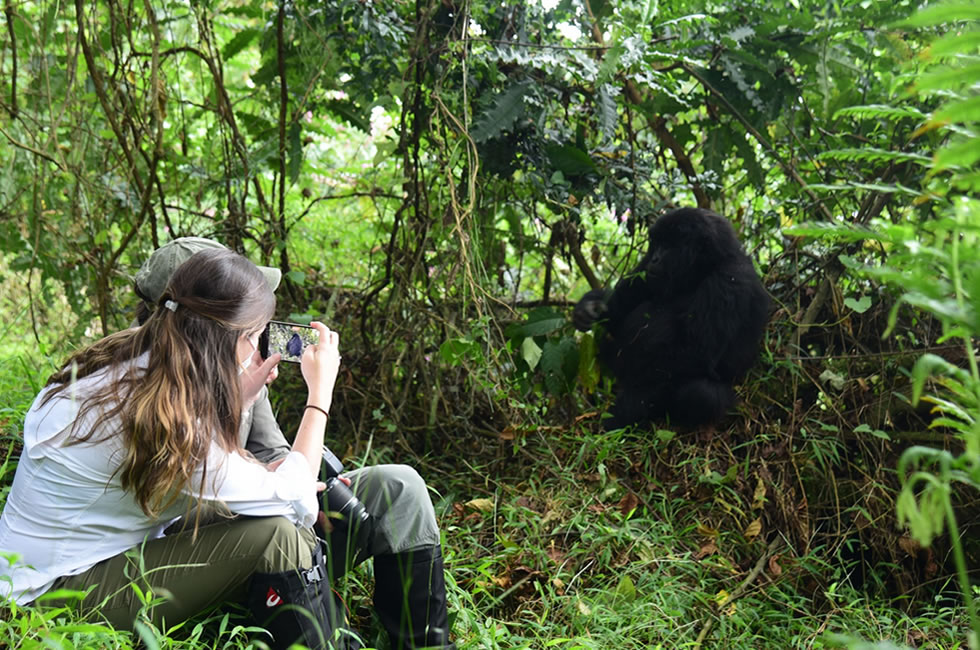
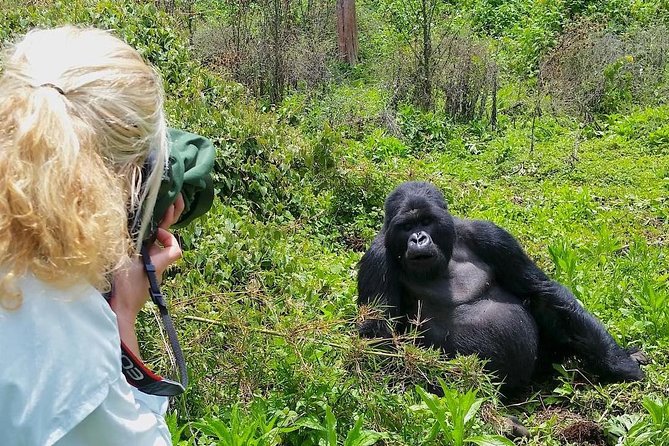
13. Can I take photos of the gorillas?
Yes. Photography is allowed, but flash photography is prohibited because it may disturb the gorillas.
14. What is the best time of year for gorilla trekking?
Gorilla trekking is possible year-round. Many travelers prefer the dry seasons from June to September and December to February because trails are generally less muddy.
15. Can I trek gorillas during the rainy season?
Absolutely. Some local experts even prefer the rainy season because the forests are greener, visitor numbers are lower, and photography can be spectacular despite occasional rain.
16. How many gorilla families can tourists visit?
Several habituated gorilla families are available for tourism in Rwanda. Each family receives a limited number of visitors per day to ensure minimal disturbance.
17. Are mountain gorillas dangerous?
Mountain gorillas are generally calm and peaceful when approached according to park regulations. Rangers are highly trained and accompany every group. Following guide instructions is essential for safety.
18. What happens if I cannot complete the hike?
Guides and porters are experienced in assisting visitors who become tired. Some travelers may be assigned easier gorilla groups based on their physical condition.
19. Can elderly travelers go gorilla trekking?
Yes. Many travelers in their 60s, 70s, and even older have successfully completed gorilla treks. Local experts can arrange porters or sedan-chair services for those requiring additional assistance.
20. Do I need a guide?
Yes. Independent trekking is not permitted. Every visitor must join an official ranger-led group.
21. How early does gorilla trekking start?
Trekkers usually report to the park headquarters early in the morning for registration, briefing, group allocation, and safety instructions before departing into the forest.
22. What happens during the pre-trek briefing?
Rangers explain gorilla behavior, conservation rules, trekking procedures, safety guidelines, and what to do if a gorilla approaches.
23. What if I am sick on trekking day?
Visitors with contagious illnesses, especially respiratory infections, may not be allowed to trek. Gorillas share a large percentage of human DNA and can catch certain human diseases.
24. Can children participate?
Children under the minimum trekking age are not permitted to join gorilla treks. Families can arrange alternative activities nearby.
25. How many people visit a gorilla family each day?
Typically, only a small group of visitors is allowed to visit each habituated gorilla family per day. This strict limit helps protect the animals and preserve their natural behavior.
26. Is Rwanda safe for gorilla safaris?
Rwanda is widely regarded as one of Africa’s safest and most organized tourism destinations. Gorilla trekking operations are professionally managed with well-trained rangers and security measures.
27. How far is Volcanoes National Park from Kigali?
The park is approximately a few hours’ drive from Kigali, making it possible for some visitors to complete a gorilla trek as part of a short itinerary.
28. What other wildlife can I see during my visit?
Besides mountain gorillas, visitors may encounter:
- Golden monkeys
- Forest birds
- Buffalo
- Forest elephant
- Bushbuck
- Various primates
- Unique alpine vegetation
29. Can I combine gorilla trekking with other Rwanda attractions?
Yes. Many travelers combine gorilla trekking with visits to:
30. What is the most memorable part of a gorilla safari?
The most emotional moment is often the first eye contact with a silverback gorilla. Visitors frequently describe feeling a deep connection as they observe gorilla families caring for their young, feeding, playing, and interacting in ways that feel surprisingly familiar.
To conclude, Rwanda gorilla safari is much more than a wildlife excursion. It is an opportunity to witness one of the world’s rarest animals while directly supporting conservation and local communities. Whether you are an experienced traveler or planning your first African adventure, gorilla trekking in Rwanda offers an experience that remains unforgettable long after the journey ends. With Unique Africa Ventures, You Explore Like Never Before!
For more Info, CONTACT US TODAY AND TALK WITH TOUR CONSULTANT:
Call or WhatsApp: +250 794 128 369
Related Posts