
Affordable Rwanda Safari Adventures Rwanda is one of Africa’s most rewarding destinations for travelers who…
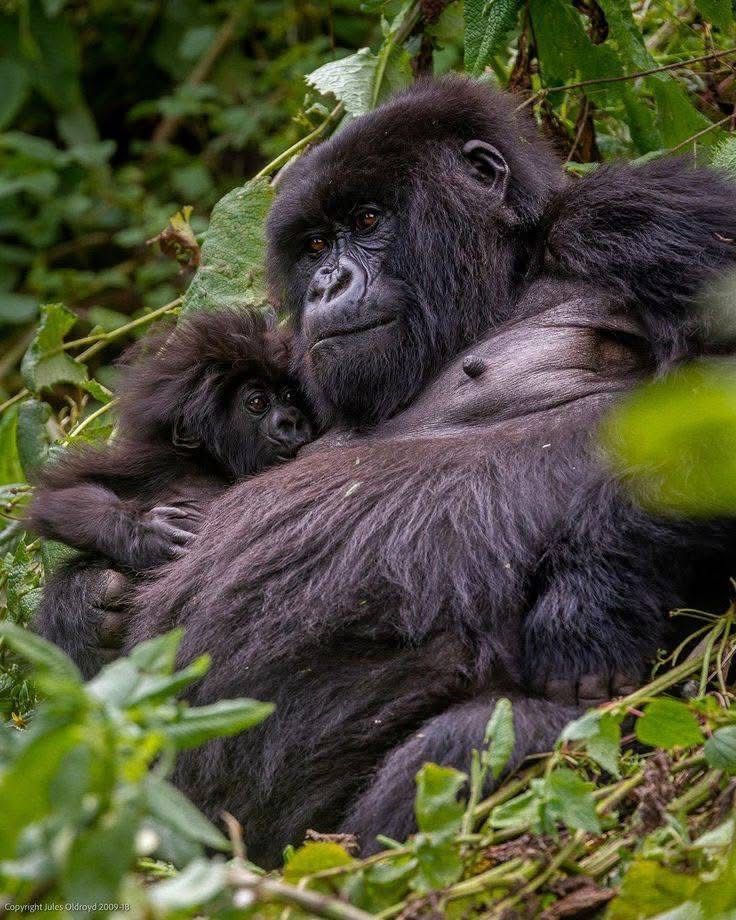
What to Pack for Gorilla Trekking: Complete Gear Checklist
Gorilla trekking, especially in places like Volcanoes National Park or Bwindi Impenetrable National Park, is one of the most unforgettable wildlife experiences you can have. But it’s not a casual walk in the park. The terrain is steep, muddy, and densely forested, and the weather can change quickly. Packing the right gear isn’t just about comfort but also it’s about safety, endurance, and fully enjoying the experience.
First, you’ll need sturdy, waterproof hiking boots. Trails are often slippery and uneven, especially after rain, which is common in these rainforest environments. Good ankle support and traction are essential to prevent slips and injuries while navigating the rugged terrain.
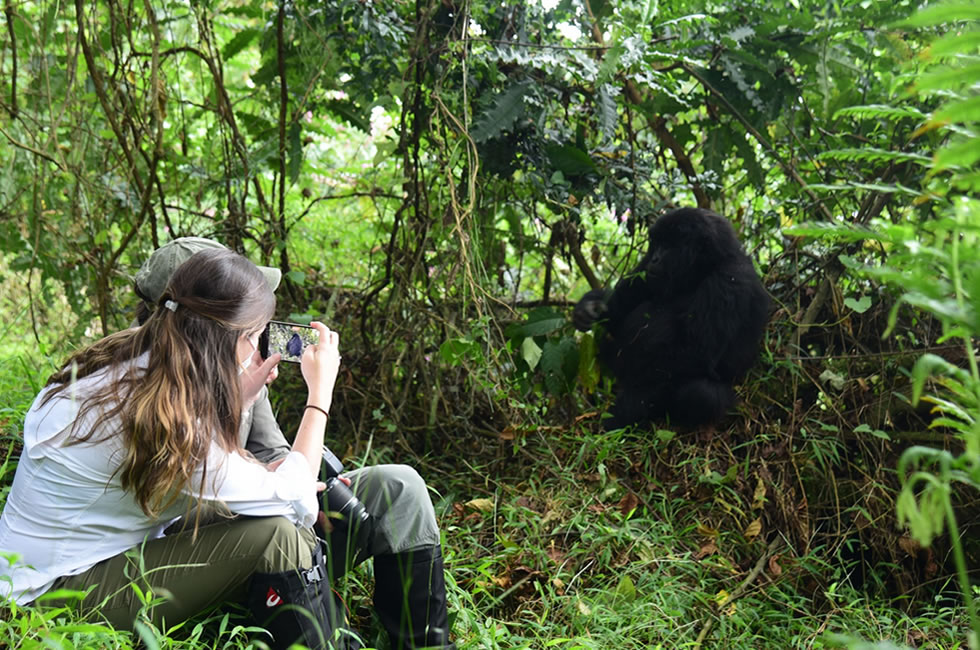
Equally important is clothing. Wear long-sleeved shirts and long trousers made from lightweight, breathable fabrics. These protect your skin from scratches, insect bites, and stinging plants. Neutral colors like green, brown, or khaki are best for they blend into the environment and don’t disturb the gorillas.
Layering is key because temperatures can vary throughout the day. Start with a moisture-wicking base layer, add a warm mid-layer like a fleece, and top it off with a waterproof jacket. Even if it doesn’t rain, the forest canopy can drip constantly.
A high-quality rain jacket or poncho is non-negotiable. Rainforests are unpredictable, and getting soaked early in your trek can make the rest of the experience uncomfortable and even risky due to cold exposure.
Don’t forget a pair of gardening gloves or lightweight trekking gloves. These are incredibly useful when grabbing into branches, vines, or rough vegetation for support during steep climbs or descents.
A small but durable backpack will help you carry essentials without weighing you down. Look for something with padded straps and water resistance. You’ll want easy access to items like water, snacks, and your camera.
Speaking of water, hydration is critical. Bring at least 2 liters of water per person. Trekking at high altitudes in humid conditions can quickly dehydrate you, even if you don’t feel overly hot.
Energy-rich snacks like nuts, protein bars, or dried fruit are also essential. Gorilla treks can last anywhere from 1 to 6 hours (or more), depending on where the gorilla families are located that day.
Insect repellent is another must-have. The environment is home to mosquitoes and other biting insects. Choose a repellent with DEET or another proven ingredient, but avoid applying it on your hands if you might come into contact with gorillas.
A wide-brim hat or cap will protect you from both sun and light rain. While much of the trek is under forest cover, there are open areas where sun exposure can be strong.
Sunscreen is still necessary, even in the forest. UV rays can penetrate through clouds and gaps in the canopy, especially at higher elevations common in gorilla habitats.
A walking stick can make a huge difference, particularly on steep or muddy sections. Many parks, including Volcanoes National Park in Rwanda , Mgahinga and Bwindi Impenatrable National Parks in Uganda provide wooden sticks at the start of the trek at no cost, but you can also bring your own trekking poles.
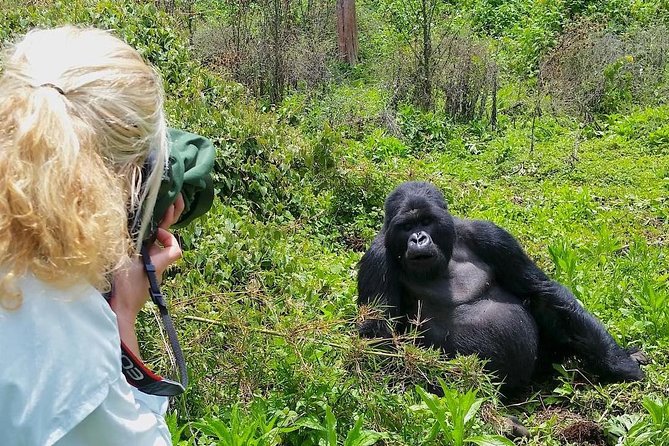
For photography lovers, a good camera with a zoom lens is ideal. Flash photography is not allowed, so make sure your camera performs well in low-light conditions typical of dense forests.
Lastly, consider hiring a porter. In places like Bwindi Impenetrable National Park, porters are available to carry your bag and assist you along the trail. It’s relatively affordable and supports the local community, while also making your trek much easier.
Packing smart can turn a physically demanding trek into a comfortable and deeply rewarding adventure. With the right gear, you’ll be free to focus on the incredible moment when you finally come face-to-face with a mountain gorilla in its natural habitat.
CONTACT US TODAY AND TALK WITH A TOUR CONSULTANT:
Call or WhatsApp: +250 794 128 369
Related Posts