
Affordable Rwanda Safari Adventures Rwanda is one of Africa’s most rewarding destinations for travelers who…
Gorilla Trekking and Conservation in Rwanda: How Tourism Helps
Gorilla trekking in Rwanda has become one of the most compelling examples of how tourism, when carefully managed, can directly support conservation and community development. At the heart of this experience is Volcanoes National Park, a lush, mountainous forest that forms part of the larger Virunga Mountains. This region is home to the endangered Mountain Gorilla, a species once on the brink of extinction but now showing signs of recovery thanks to decades of coordinated conservation efforts.
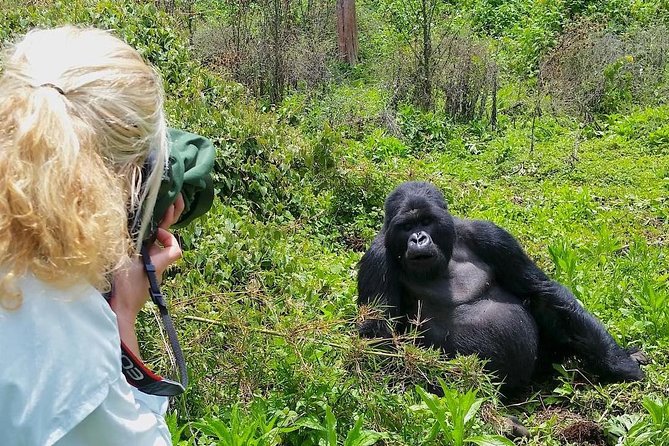
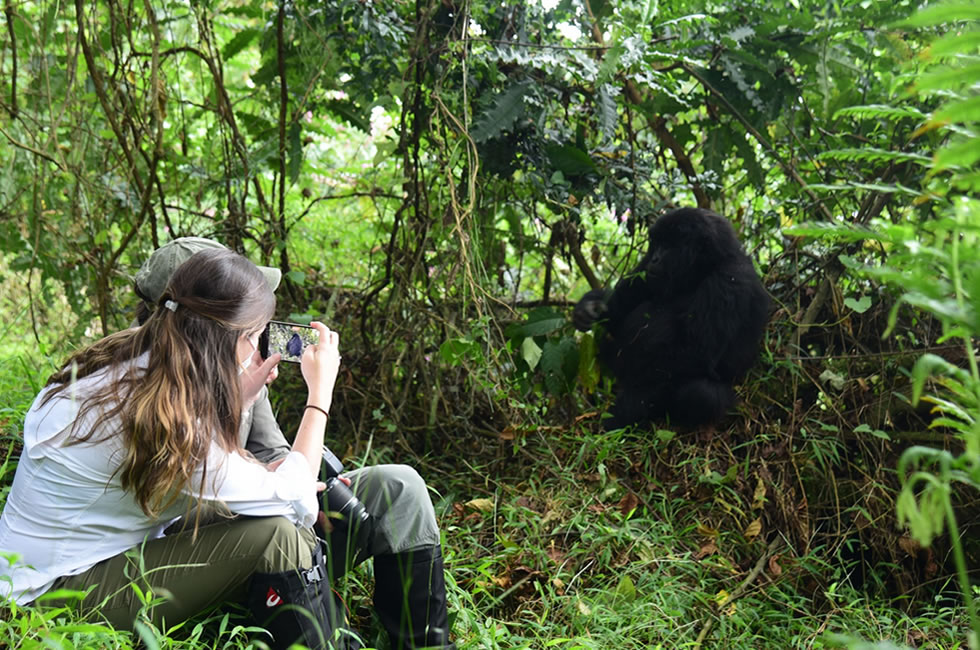
Gorilla trekking itself is a unique wildlife experience that involves hiking through dense forest terrain to observe gorilla families in their natural habitat. Unlike typical safari experiences, this activity requires patience, physical effort, and strict adherence to conservation rules. Visitors are allowed only a limited amount of time—usually one hour—with the gorillas, ensuring minimal disruption to their daily routines. This controlled approach is central to Rwanda’s conservation philosophy.
One of the most significant ways tourism contributes to conservation is through permit fees. Gorilla trekking permits in Rwanda are among the most expensive in Africa, often costing over $1,500 per person. While this may seem high, the revenue generated plays a critical role in funding conservation programs, park management, anti-poaching patrols, and veterinary care for injured animals. This financial model ensures that the presence of tourists directly benefits the survival of the species they come to see.
The Rwanda Development Board oversees tourism and conservation efforts in the country. It has implemented strict guidelines for trekking, including group size limits, minimum distance rules, and health precautions to prevent disease transmission between humans and gorillas. These measures help maintain the delicate balance between tourism and wildlife protection.
Another key player in conservation is the Dian Fossey Gorilla Fund, founded by the renowned primatologist Dian Fossey. Her groundbreaking research in the Virunga region brought global attention to the plight of mountain gorillas. Today, the organization continues her legacy by conducting research, protecting gorilla habitats, and engaging local communities in conservation efforts.
Community involvement is a cornerstone of Rwanda’s conservation success. A portion of tourism revenue is shared with local communities living near national parks. This includes funding for schools, healthcare facilities, roads, and clean water projects. By directly benefiting from tourism, communities are more likely to support conservation initiatives and less likely to engage in activities such as poaching or illegal logging.
Employment opportunities generated by tourism also play a vital role. Many local residents work as guides, trackers, porters, and hospitality staff. These jobs provide stable incomes and foster a sense of pride and ownership in protecting the gorillas and their habitat. The transformation from subsistence farming or poaching to conservation-based livelihoods is one of the most powerful outcomes of eco-tourism.
Education and awareness have also improved significantly due to tourism. Visitors often leave Rwanda with a deeper understanding of conservation challenges and become advocates for wildlife protection in their own countries. This global awareness helps generate additional funding and support for conservation programs, creating a ripple effect that extends far beyond Rwanda’s borders.
The success of gorilla conservation in Rwanda is evident in the increasing population of mountain gorillas. According to recent estimates, the global population has surpassed 1,000 individuals, a remarkable achievement for a species once considered critically endangered. This recovery is largely attributed to the collaborative efforts of governments, NGOs, researchers, and local communities—all supported by tourism revenue.
However, the model is not without challenges. High visitor demand can put pressure on the environment if not properly managed. Rwanda addresses this by limiting the number of daily permits and enforcing strict trekking protocols. Sustainable tourism practices are continuously reviewed and adapted to ensure long-term viability.
Health risks are another concern, particularly the transmission of human diseases to gorillas, who share a high percentage of DNA with humans. Measures such as mandatory mask-wearing, maintaining distance, and restricting access for sick visitors are crucial in mitigating these risks. These protocols became especially important during global health crises like the COVID-19 pandemic.
Climate change also poses a threat to gorilla habitats. Changes in temperature and rainfall patterns can affect food availability and forest ecosystems. Conservation organizations are increasingly incorporating climate resilience into their strategies, ensuring that both gorillas and local communities can adapt to environmental changes.
Rwanda’s approach to conservation through tourism has become a model for other countries. Nations such as Uganda and the Democratic Republic of Congo have adopted similar strategies, recognizing the potential of eco-tourism to fund conservation while supporting economic development. Regional cooperation is essential, as mountain gorillas inhabit transboundary ecosystems.
Technology is also playing a growing role in conservation. Tools such as GPS tracking, camera traps, and data analytics help monitor gorilla movements and detect potential threats. These innovations enhance the effectiveness of conservation efforts and provide valuable insights into gorilla behavior and ecology.
Cultural tourism is often integrated with gorilla trekking experiences, allowing visitors to engage with local traditions, music, and cuisine. This holistic approach enriches the visitor experience while providing additional income streams for communities. It reinforces the idea that conservation is not just about protecting animals, but also about preserving human heritage.
Looking ahead, the future of gorilla conservation in Rwanda depends on maintaining the delicate balance between tourism growth and environmental protection. Continued investment in infrastructure, education, and community engagement will be essential. Policies must remain adaptive and responsive to emerging challenges.
In conclusion, gorilla trekking in Rwanda is far more than a tourist activity—it is a powerful conservation tool. By linking economic incentives with environmental stewardship, Rwanda has created a sustainable model that benefits wildlife, people, and the planet. The story of the mountain gorilla’s recovery is a testament to what can be achieved when tourism is harnessed for good, offering hope for other endangered species around the world. With Unique Africa Ventures, You Explore Like Never Before!
For more Info, CONTACT US TODAY AND TALK WITH TOUR CONSULTANT:
Call or WhatsApp: +250 794 128 369
Related Posts