
Affordable Rwanda Safari Adventures Rwanda is one of Africa’s most rewarding destinations for travelers who…
How Long Does Gorilla Trekking Take? Rwanda Trail Timelines Explained
Gorilla trekking in Rwanda is one of the most remarkable wildlife experiences in Africa, attracting thousands of visitors each year to the forests of Volcanoes National Park. While many travelers focus on the excitement of encountering mountain gorillas, an equally important question is how long the entire trekking experience takes. The answer varies depending on several factors, including the location of the gorilla family, weather conditions, terrain difficulty, and the physical fitness of the trekking group. Understanding the typical timelines can help visitors plan their day, manage expectations, and prepare adequately for the adventure.
The gorilla trekking day begins early in the morning. Most visitors staying near Volcanoes National Park wake up before sunrise and travel to the park headquarters for registration and briefing. The official briefing generally starts around 7:00 a.m. During this session, park rangers explain trekking rules, safety procedures, gorilla behavior, and conservation guidelines. Visitors are assigned to specific gorilla families based on fitness levels, age, and trekking preferences. This pre-trek process usually takes between 30 and 60 minutes before groups depart for their designated trailheads.
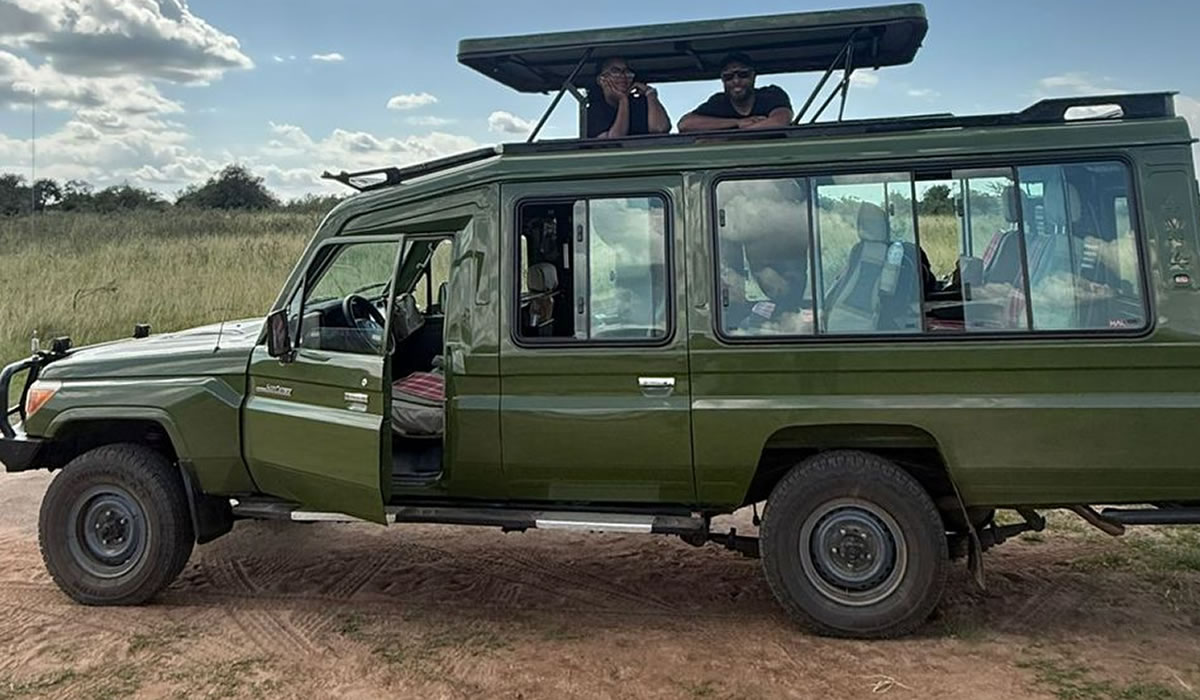
After the briefing, trekkers travel by vehicle to the starting point of their assigned trek. Depending on which gorilla family has been allocated, the drive can range from 15 minutes to over an hour. Some gorilla groups inhabit areas close to the park boundary, while others reside deeper within the forested slopes of the volcanic mountains. The transportation phase is often overlooked when estimating trek duration, yet it contributes significantly to the overall timeline of the experience.
The actual hike to locate gorillas varies tremendously. Some lucky visitors encounter their assigned gorilla family within 30 minutes of entering the forest. These shorter treks typically involve groups that spend time near the lower slopes and accessible sections of the park. Such hikes are suitable for travelers with moderate fitness levels and those seeking a less strenuous experience. However, even a short trek can involve muddy trails, dense vegetation, and steep inclines.
On average, most gorilla treks in Rwanda last between two and four hours before reaching the gorillas. Rangers and trackers continuously monitor gorilla movements and communicate with teams in the field. Because mountain gorillas are wild animals that roam freely through the forest, their exact location changes daily. Trekkers must therefore follow guidance from trackers while navigating through bamboo forests, open clearings, and mountainous terrain. The unpredictable nature of wildlife tracking is one of the elements that makes each trek unique.
For visitors assigned to gorilla families located at higher elevations, trekking times may extend considerably. Some groups inhabit the upper slopes of the volcanic mountains where trails become steeper and more challenging. Reaching these families may require four to six hours of hiking before the gorillas are located. Such treks often involve climbing through thick vegetation, crossing uneven ground, and navigating slippery paths. Although physically demanding, these longer hikes frequently reward visitors with spectacular views of Rwanda’s mountain landscapes.
Weather conditions play a major role in determining trekking duration. Rwanda’s tropical mountain climate can bring sudden rainfall at any time of year. During wet conditions, trails become muddy and more difficult to navigate, slowing the pace of hiking groups. Rangers prioritize visitor safety and may adjust routes when conditions become challenging. Consequently, a trek that might normally take two hours could take significantly longer during periods of heavy rain.
Physical fitness levels among participants also influence how long a gorilla trek takes. Trekking groups generally move at the pace of the slowest member to ensure everyone remains together and safe. Visitors who exercise regularly and are accustomed to hiking may find the trails manageable, while others may require more frequent rest stops. Fortunately, guides are experienced in accommodating a wide range of fitness levels and strive to make the experience enjoyable for all participants.
One unique aspect of Rwanda’s gorilla trekking system is the use of trackers who leave ahead of trekking groups early each morning. Their job is to locate gorilla families and relay information to guides. This tracking network significantly increases the likelihood of finding gorillas efficiently and helps reduce unnecessarily long searches. Although trekkers may still hike for several hours, the support of trackers greatly improves the overall experience and success rate.
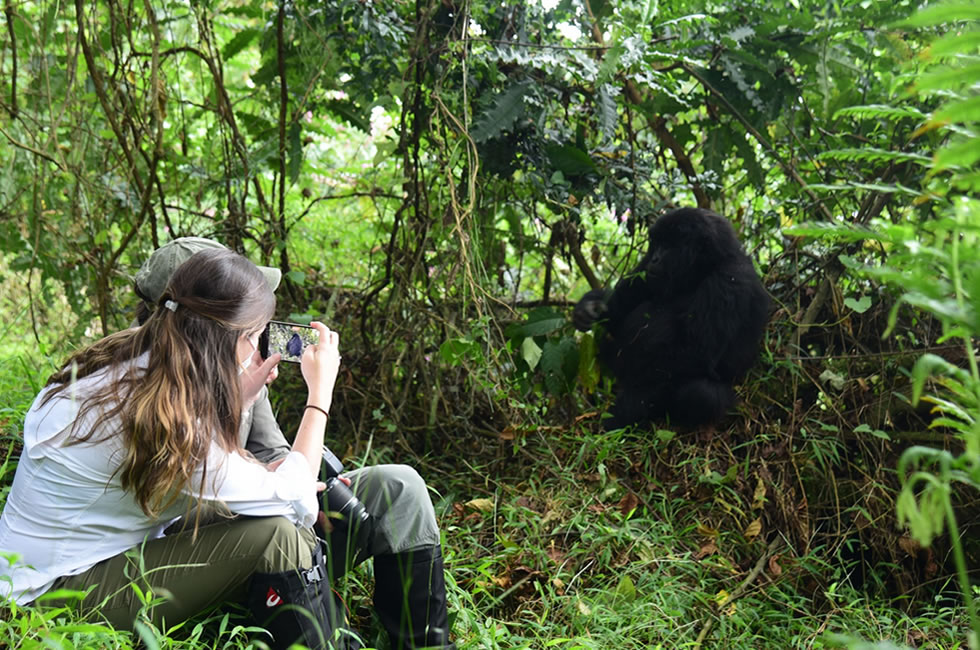
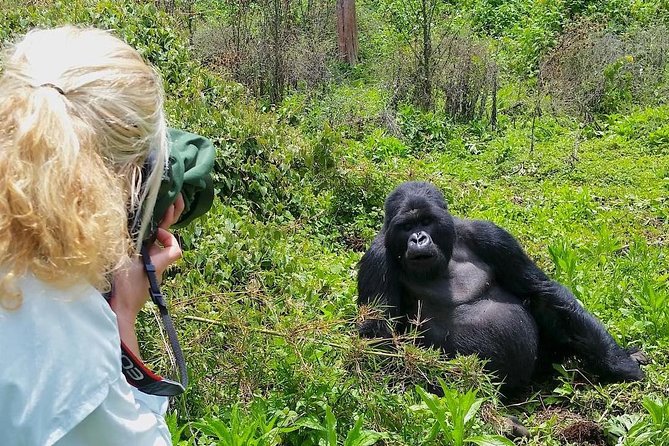
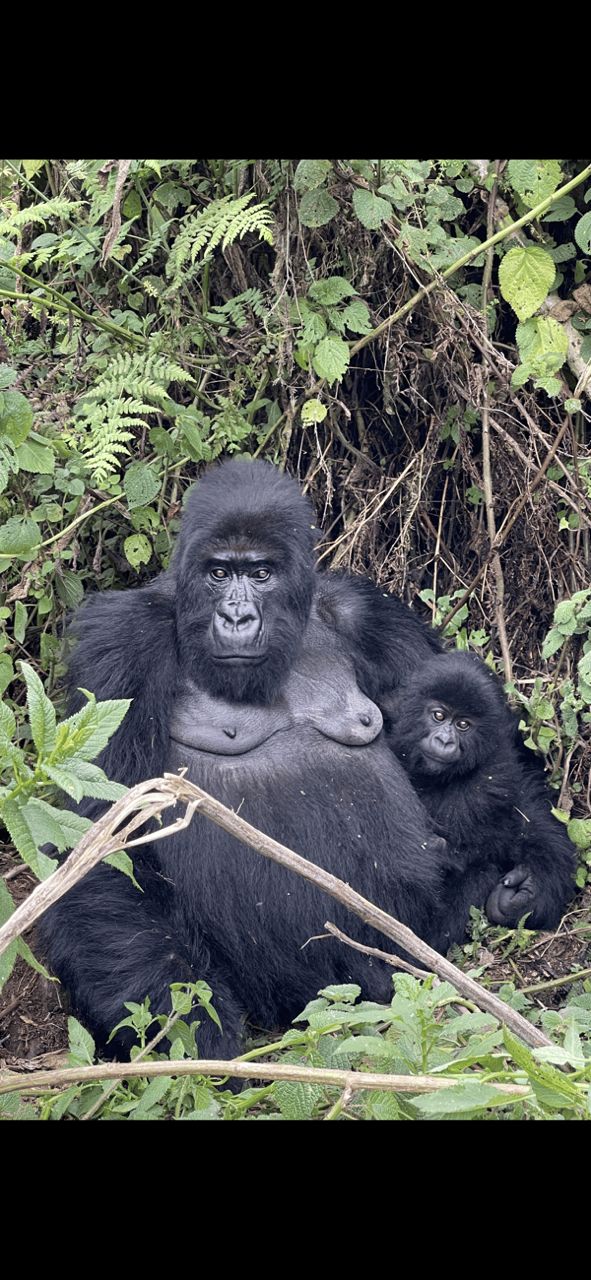
Once the gorilla family is located, visitors are permitted to spend exactly one hour observing the animals. This time limit is strictly enforced to minimize stress on the gorillas and reduce the risk of disease transmission. During the hour, visitors can watch gorillas feeding, resting, grooming, and interacting socially. Many travelers describe this sixty-minute encounter as the highlight of their entire trip to Rwanda, making every step of the trek worthwhile.
Photography enthusiasts often find the one-hour viewing period passes surprisingly quickly. The opportunity to observe endangered mountain gorillas at close range creates countless memorable moments. Rangers usually help position visitors for the best viewing opportunities while ensuring that minimum distance regulations are respected. The hour is carefully managed to balance visitor satisfaction with wildlife conservation objectives.
After the viewing session concludes, trekkers begin the return journey to the trailhead. Depending on where the gorillas were found, the hike back may take anywhere from 30 minutes to several hours. Descending can sometimes be faster than the ascent, but muddy conditions and steep slopes still require caution. Most visitors find the return trip less strenuous because the anticipation of finding the gorillas has been replaced by the satisfaction of the encounter.
For travelers interested in estimating total daily commitment, the complete gorilla trekking experience usually occupies between five and eight hours. This includes registration, briefing, transportation to the trailhead, hiking, the one-hour gorilla encounter, and the return journey. Some shorter treks may conclude by early afternoon, while longer expeditions can extend into the late afternoon.
Seasonality can also affect trek timelines. During the dry seasons, generally from June to September and December to February, trails tend to be firmer and easier to navigate. Hiking conditions are often more favorable, which can reduce travel times. In contrast, rainy periods frequently result in slower progress due to muddy terrain and reduced visibility in dense vegetation.
Many visitors choose to hire local porters at the start of the trek. Porters assist with carrying backpacks, cameras, and other equipment while providing support on difficult sections of the trail. Their assistance can improve hiking efficiency and reduce fatigue, especially during longer treks. Hiring a porter also contributes directly to local community livelihoods, making it both practical and socially beneficial.
Altitude is another factor that influences trekking duration. Volcanoes National Park sits at elevations ranging from approximately 2,400 to over 4,500 meters above sea level. Visitors who are not accustomed to high-altitude environments may experience slower hiking speeds and require additional rest breaks. Staying hydrated and arriving in Rwanda a few days before the trek can help the body adjust to the elevation.
Ultimately, there is no single answer to how long gorilla trekking takes in Rwanda. Some visitors complete their adventure in just a few hours, while others spend most of the day traversing mountainous terrain in search of gorilla families. The unpredictability is part of the adventure and reflects the authentic nature of tracking wild animals in their natural habitat. Regardless of the duration, the experience offers a rare opportunity to connect with one of the world’s most endangered and fascinating species.
For most travelers planning a visit to Rwanda, it is wise to reserve the entire day for gorilla trekking. Doing so allows flexibility for varying trail conditions and trekking distances while ensuring a relaxed and enjoyable experience. Whether the trek lasts two hours or eight, the chance to stand face-to-face with mountain gorillas in the mist-covered forests of Volcanoes National Park remains an unforgettable wildlife encounter that justifies every moment spent on the trail. With Unique Africa Ventures, You Explore Like Never Before!
For more Info, CONTACT US TODAY AND TALK WITH TOUR CONSULTANT:
Call or WhatsApp: +250 794 128 369
Related Posts