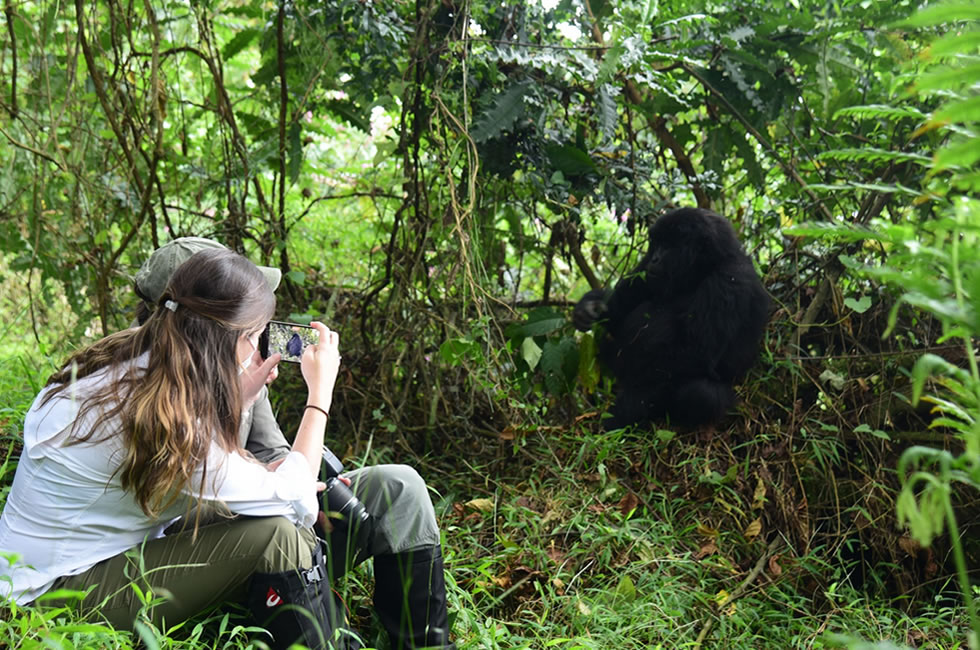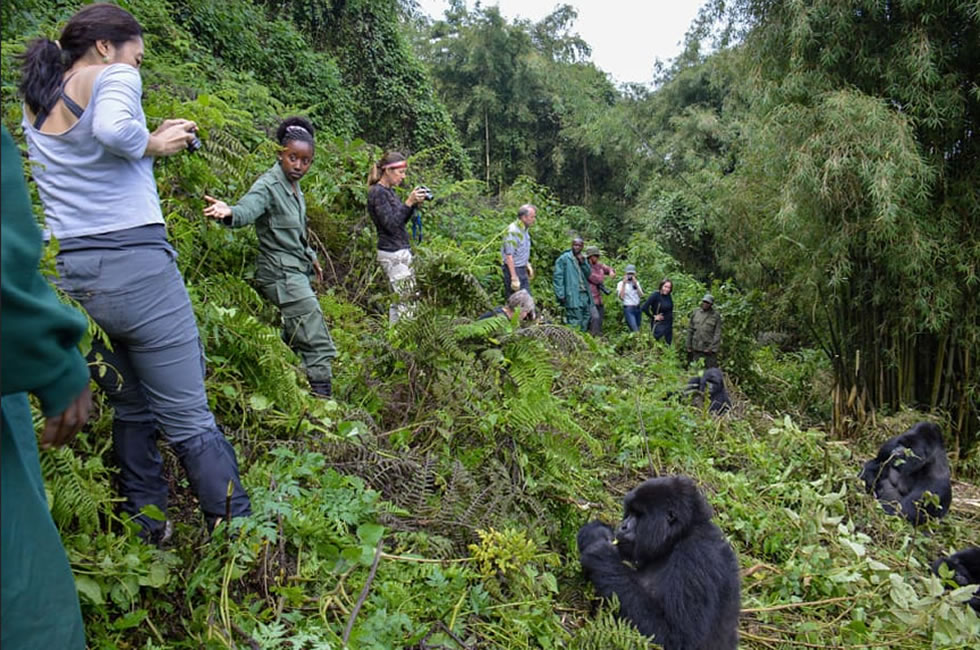

Gorilla trekking in Rwanda is one of the most powerful wildlife experiences in the world,…
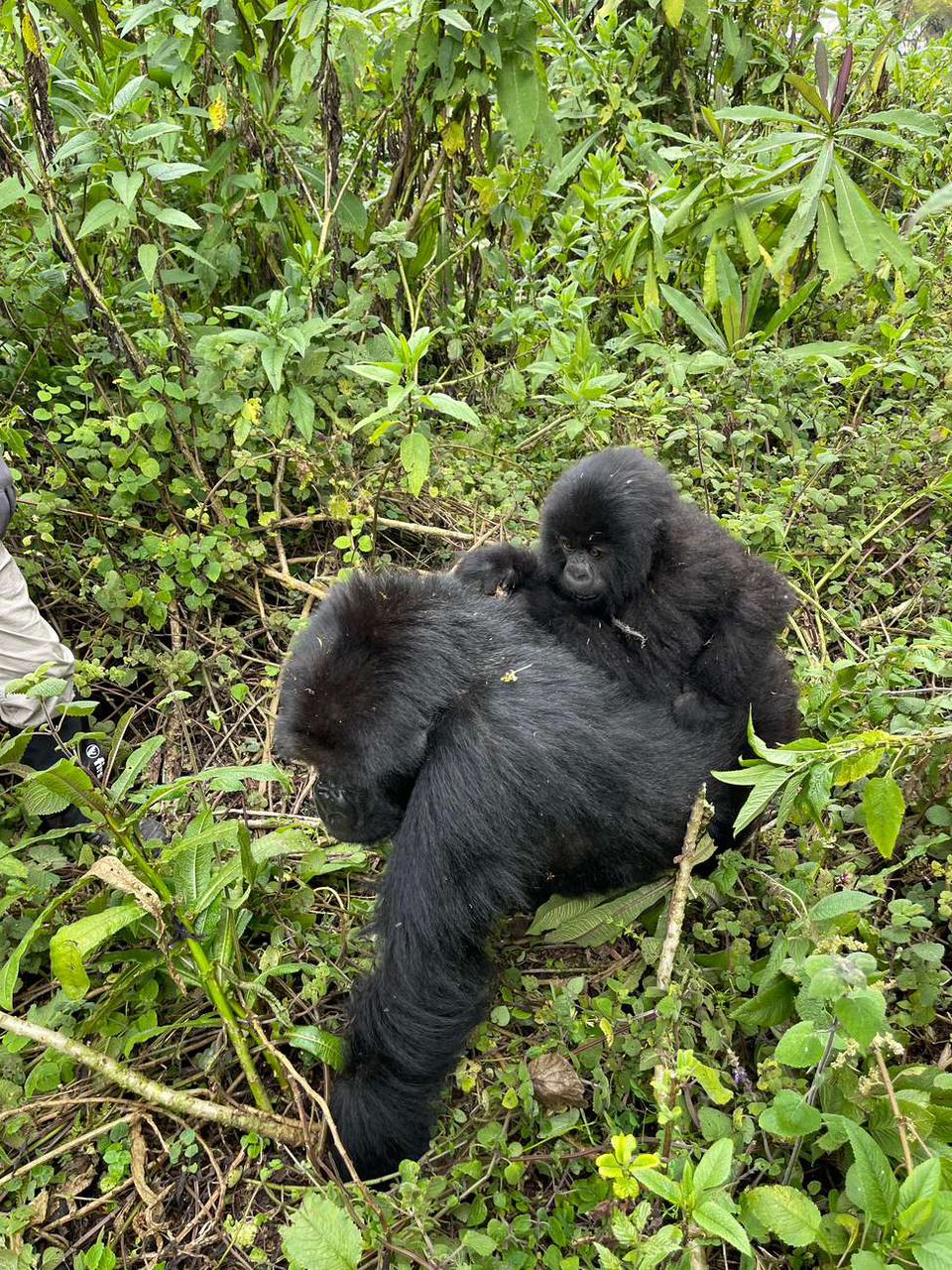
Gorilla Trekking Routes in Volcanoes National Park Compared
1. Introduction to Gorilla Trekking in Volcanoes National Park
Volcanoes National Park is one of the world’s most celebrated destinations for mountain gorilla trekking. Located in northwestern Rwanda, the park forms part of the larger Virunga Mountains ecosystem, which extends into Uganda and the Democratic Republic of the Congo. The park protects a significant population of endangered mountain gorillas and offers visitors a rare opportunity to observe these remarkable primates in their natural habitat. Gorilla trekking routes differ considerably depending on the gorilla family assigned, terrain characteristics, elevation, vegetation density, and trekking duration.
2. Overview of Gorilla Trekking Routes
Unlike conventional hiking trails with fixed paths, gorilla trekking routes in Volcanoes National Park are determined by the location of habituated gorilla families. Rangers monitor gorilla movements daily and guide tourists along routes leading to specific groups. Some routes involve short walks through bamboo forests, while others require challenging climbs up steep volcanic slopes. Therefore, every trekking experience is unique, even for visitors trekking on consecutive days.
3. The Sabyinyo Gorilla Family Route
The route to the Sabyinyo Gorilla Family is among the easiest and most accessible treks in the park. This family typically inhabits lower elevations near the park boundary, making it suitable for older travelers and individuals with moderate fitness levels. The terrain consists of gentle slopes, cultivated fields near the edge of the forest, and relatively open vegetation. Trekkers often reach the gorillas within one to three hours. Because of its accessibility, this route is highly sought after and often assigned to visitors seeking less strenuous experiences.
4. The Amahoro Gorilla Family Route
The route leading to the Amahoro Gorilla Family presents a greater challenge. The word “Amahoro” means peace, reflecting the group’s calm temperament. However, reaching them can be demanding because they frequently inhabit higher elevations on the slopes of extinct volcanoes. Trekkers may spend several hours ascending steep hills through dense vegetation before locating the family. This route rewards hikers with panoramic views of the Virunga landscape and an immersive wilderness experience.
5. The Umubano Gorilla Family Route
The Umubano Gorilla Family route varies significantly depending on the family’s daily movements. Located between lower and higher elevations, this trek offers a balanced experience. Trekkers encounter bamboo forests, open clearings, and sections of montane forest. The route is considered moderately difficult and appeals to visitors looking for a combination of adventure and manageable physical exertion. The group’s playful behavior often enhances the overall trekking experience.
6. The Hirwa Gorilla Family Route
The route to the Hirwa Gorilla Family is known for unpredictability. This family frequently shifts between different sections of the park, occasionally moving toward volcanic slopes. As a result, trekking times can vary dramatically. On some days, visitors encounter the gorillas after a relatively short walk; on others, they may spend several hours navigating rugged terrain. The route often passes through thick vegetation and areas rich in birdlife, making it attractive to nature enthusiasts.
7. The Agashya Gorilla Family Route
Formerly known as Group 13, the Agashya Gorilla Family occupies some of the higher elevations within Volcanoes National Park. Treks to this family are generally challenging due to steep inclines and substantial altitude gains. Hikers traverse dense forests and volcanic ridges before reaching the gorillas. Although physically demanding, the route provides exceptional views of surrounding volcanoes and offers a strong sense of accomplishment upon arrival.
8. The Kwitonda Gorilla Family Route
The Kwitonda Gorilla Family route is among the longest and most strenuous in the park. The family often resides in remote sections near the border regions of the Virunga ecosystem. Trekkers may spend several hours covering uneven terrain, muddy paths, and densely vegetated areas. This route is particularly suitable for adventurous hikers seeking a demanding wilderness experience. The remoteness of the area often creates a feeling of exclusivity and solitude.
9. The Susa Gorilla Family Route
The route to the famous Susa Gorilla Family is one of the most challenging treks available. This family gained international recognition through the research conducted by Dian Fossey. The gorillas often inhabit high-altitude regions on the slopes of Mount Karisimbi. Trekkers face steep ascents, muddy trails, and lengthy hiking times that can exceed six hours. However, encounters with this large family are often considered among the most rewarding experiences in the park.
10. The Karisimbi Gorilla Family Route
The Karisimbi Gorilla Family route combines difficult terrain with remarkable scenery. Named after Mount Karisimbi, the highest volcano in the Virunga chain, this family often occupies elevated forest zones. Trekkers navigate challenging trails through bamboo forests and giant lobelia habitats. The route attracts physically fit visitors who enjoy extended hikes and dramatic mountain landscapes.
11. The Igisha Gorilla Family
The Igisha Gorilla Family is one of the largest and most dynamic mountain gorilla groups. It was formed when a dominant silverback named Igisha separated from another group and attracted several members to join him. Treks to the Igisha family often follow routes through bamboo forests and higher mountain slopes. The hike can be moderately challenging because the family frequently moves across different elevations in search of food.
12. The Isimbi Gorilla Family
The Isimbi Gorilla Family is known for its relatively calm behavior and strong social bonds. This family was established after splitting from a larger group and has become popular among visitors who want to observe gorilla interactions at close range. Trekking routes to the Isimbi family usually pass through forested hillsides and vegetation-rich areas. The duration of the hike varies depending on the family’s location on a particular day.
13. The Humura Gorilla Family
The Humura Gorilla Family is famous for its gentle and peaceful silverback, whose name “Humura” means “calm down” or “be at peace” in Kinyarwanda. This family is often found in areas that are easier to access than some of the higher-altitude groups, making it a good option for visitors seeking a less strenuous trek. The route generally passes through lower forest zones with scenic views of the surrounding landscape.
14. The Izuba Gorilla Family
The Izuba Gorilla Family takes its name from the Kinyarwanda word for “sun.” Descended from a larger gorilla group, Izuba is known for its active members and playful young gorillas. Trekking routes to this family may involve walking through dense vegetation and climbing gentle to moderate slopes. Visitors often enjoy observing the group’s energetic behavior and social interactions during the trek.
15. Terrain Comparison
The terrain across Volcanoes National Park varies from relatively flat agricultural edges to steep volcanic slopes exceeding 3,000 meters in elevation. Lower-elevation routes such as Sabyinyo generally involve shorter walking distances and gentler gradients. Mid-elevation routes like Umubano provide moderate difficulty. High-elevation routes, including Susa, Agashya, and Karisimbi, demand greater endurance due to continuous climbing, thinner air, and rugged ground conditions. The variation in terrain significantly influences the overall trekking experience.
16. Vegetation and Environmental Differences
Different trekking routes pass through distinct ecological zones. Lower slopes feature bamboo forests and mixed woodland habitats, while higher elevations contain Hagenia forests, giant lobelias, and open volcanic vegetation. Dense undergrowth can slow progress on some routes, particularly after rainfall. Trekkers assigned to higher-altitude families often encounter more diverse mountain ecosystems compared with those trekking at lower elevations.
17. Trekking Duration Comparison
Trekking duration is one of the primary factors distinguishing routes. Easy treks may require only one to three hours before locating the gorillas. Moderate routes often take three to five hours, while challenging routes can extend beyond six hours. Weather conditions, gorilla movements, and trail conditions further influence trekking times. Rangers attempt to match visitor fitness levels with appropriate gorilla families whenever possible.
18. Scenic Value of Different Routes
Each route offers unique scenic attractions. Lower routes provide views of rural communities, terraced farmland, and forest edges. Mid-level treks reveal dense montane forests and diverse wildlife habitats. High-altitude routes showcase dramatic volcanic landscapes, mist-covered peaks, and sweeping views across the Virunga Mountains. Photographers often favor routes with elevated viewpoints because they provide spectacular opportunities for landscape photography in addition to gorilla encounters.
19. Wildlife Encounters Along the Routes
Although gorillas are the primary attraction, trekkers frequently encounter other wildlife. Species such as golden monkeys, forest buffaloes, duikers, bushbuck, and numerous bird species inhabit the park. Routes traversing less disturbed areas often offer greater chances of observing additional wildlife. Birdwatchers particularly appreciate higher-elevation routes where endemic Albertine Rift species can be found.
20. Physical Fitness Requirements Compared
Physical fitness requirements differ greatly among trekking routes. Visitors with limited mobility or those preferring shorter hikes generally favor Sabyinyo and some lower-elevation groups. Moderate hikers often enjoy Umubano, Hirwa, or Amahoro routes. Experienced trekkers seeking significant physical challenges typically prefer Susa, Kwitonda, Agashya, or Karisimbi. Proper preparation, including regular walking and cardiovascular exercise, enhances the trekking experience regardless of route selection.
21. Seasonal Influences on Route Difficulty
Weather conditions significantly affect trekking routes. During rainy seasons, trails become muddy and slippery, increasing the difficulty of all treks. High-elevation routes become particularly challenging because steep slopes can be difficult to navigate. During drier months, trails are generally easier, though gorilla families may move farther in search of food. Seasonal variations therefore influence both trekking conditions and route planning.
22. Conclusion
Gorilla trekking routes in Volcanoes National Park offer a remarkable diversity of experiences. From the relatively gentle Sabyinyo route to the demanding expeditions required to reach the Susa and Kwitonda families, each trek presents unique challenges and rewards. Differences in elevation, vegetation, scenery, trekking duration, and wildlife encounters ensure that no two gorilla treks are exactly alike. Whether a visitor seeks a comfortable walk through bamboo forests or an arduous climb into mist-covered volcanic mountains, Volcanoes National Park provides an unforgettable opportunity to observe mountain gorillas while exploring one of Africa’s most extraordinary protected landscapes. With Unique Africa Ventures, You Explore Like Never Before!
For more Info, CONTACT US TODAY AND TALK WITH TOUR CONSULTANT:
Call or WhatsApp: +250 794 128 369
Related Posts