
Affordable Rwanda Safari Adventures Rwanda is one of Africa’s most rewarding destinations for travelers who…
Rwanda Gorilla Safari Costs Explained: Permits, Guides & Value
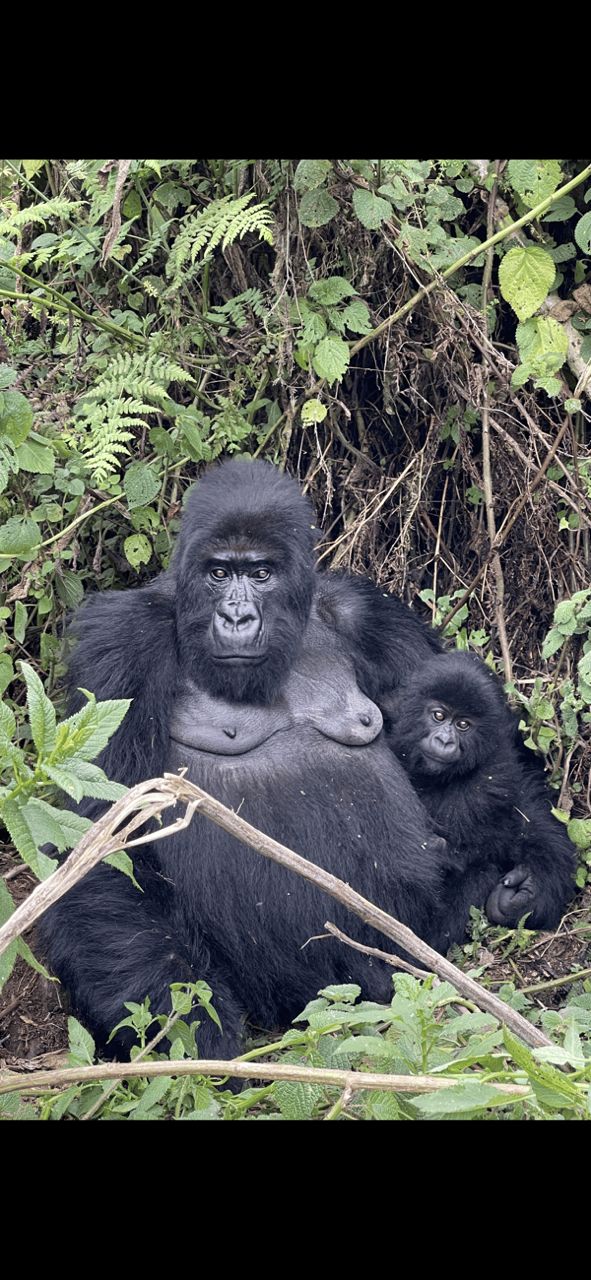
Rwanda is one of the world’s premier destinations for mountain gorilla trekking, offering travelers a rare opportunity to observe endangered mountain gorillas in their natural habitat. The experience takes place primarily in Volcanoes National Park, a protected area that forms part of the larger Virunga Conservation Region shared by Rwanda, Uganda, and the Democratic Republic of the Congo. While gorilla trekking is often described as expensive, understanding the various costs involved helps travelers appreciate the value of the experience and the conservation efforts it supports.
The largest expense associated with a Rwanda gorilla safari is the gorilla trekking permit. Rwanda’s permit system is designed to regulate visitor numbers and protect the gorillas from excessive human contact. Every visitor who wishes to see mountain gorillas must purchase a permit, and the fee grants access to one guided trek and one hour of observation with a habituated gorilla family. The permit is mandatory and cannot be replaced by a park entrance ticket. Because demand is high throughout the year, permits are often booked months in advance, especially during peak travel seasons.
A significant portion of the permit fee supports conservation programs that help protect mountain gorillas and their habitat. Revenue generated from permits contributes to anti-poaching patrols, veterinary care, habitat restoration, ranger salaries, scientific research, and community development initiatives. Rwanda has become a global model for conservation-based tourism, demonstrating how wildlife protection can generate economic benefits while preserving endangered species for future generations.
Professional guides are included in the permit fee and play a critical role in the trekking experience. Before each trek, visitors receive a briefing from experienced park guides who explain safety rules, gorilla behavior, and trekking procedures. Guides accompany groups throughout the journey, helping visitors navigate forest trails while providing valuable information about the park’s ecology, wildlife, and conservation history. Their expertise significantly enhances the educational and cultural aspects of the safari.
Tracking gorillas requires a coordinated effort involving guides, trackers, and park rangers. Early each morning, trackers enter the forest to locate gorilla families and communicate their positions to trekking groups. This behind-the-scenes work increases the likelihood of successful gorilla encounters while minimizing disturbance to the animals. Although visitors may not directly interact with trackers, their contribution is essential and is partly funded through permit revenue.
Many travelers choose to hire porters during their trek. Porters carry backpacks, camera equipment, and personal belongings while assisting visitors on steep or muddy terrain. Hiring a porter is optional but highly recommended, particularly for travelers who may find the trek physically demanding. Beyond the practical benefits, porter fees provide employment opportunities for local residents and former poachers who have transitioned into conservation-supporting livelihoods.
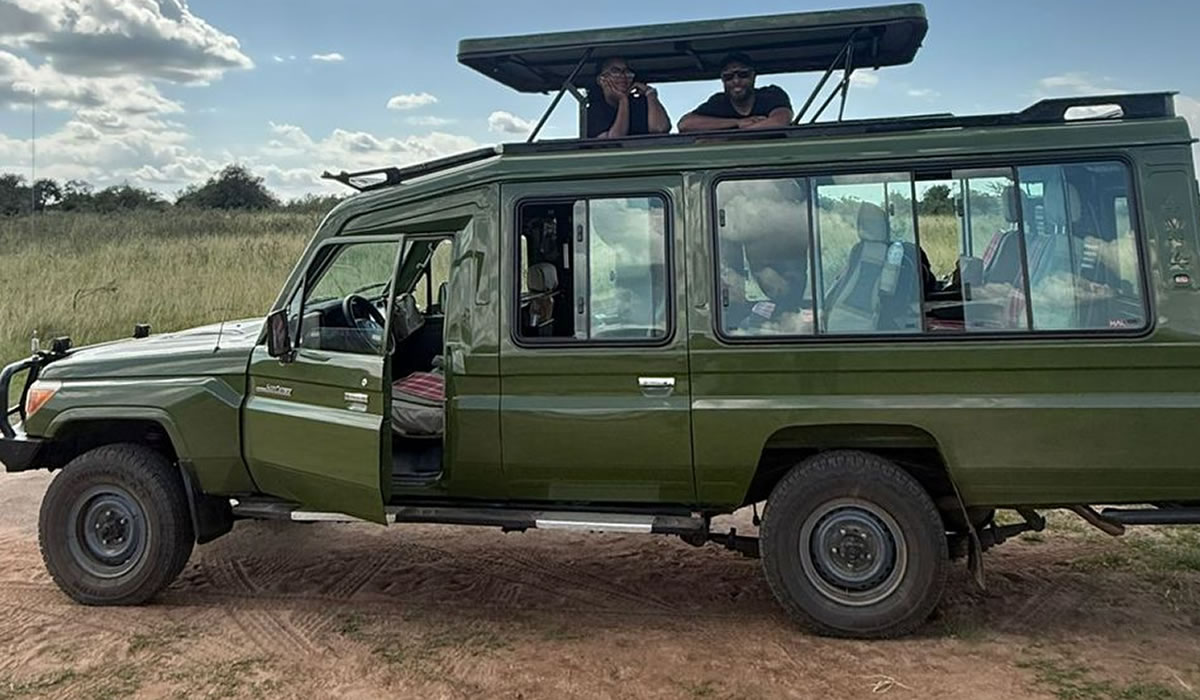
Transportation costs represent another major component of a Rwanda gorilla safari budget. Most visitors arrive through Kigali International Airport and travel approximately two to three hours by road to the Volcanoes region. Travelers can choose between private transfers, group tours, rental vehicles, or chauffeur-driven services. Private transportation offers greater flexibility and comfort, while shared options help reduce overall costs.
Accommodation expenses vary significantly depending on the traveler’s preferences and budget. Rwanda offers a range of lodging options near Volcanoes National Park, from budget guesthouses and mid-range lodges to luxury eco-resorts. Budget accommodations provide essential comfort at affordable rates, while luxury properties often include premium amenities such as gourmet dining, spa services, and spectacular views of the Virunga volcanoes.
Food and beverage expenses are generally separate from permit costs unless included in a tour package. Many safari lodges offer full-board arrangements covering breakfast, lunch, and dinner. Travelers staying in independent accommodations should factor in daily meal costs, particularly in remote areas where dining options may be limited. High-end lodges often emphasize locally sourced ingredients and traditional Rwandan culinary experiences.
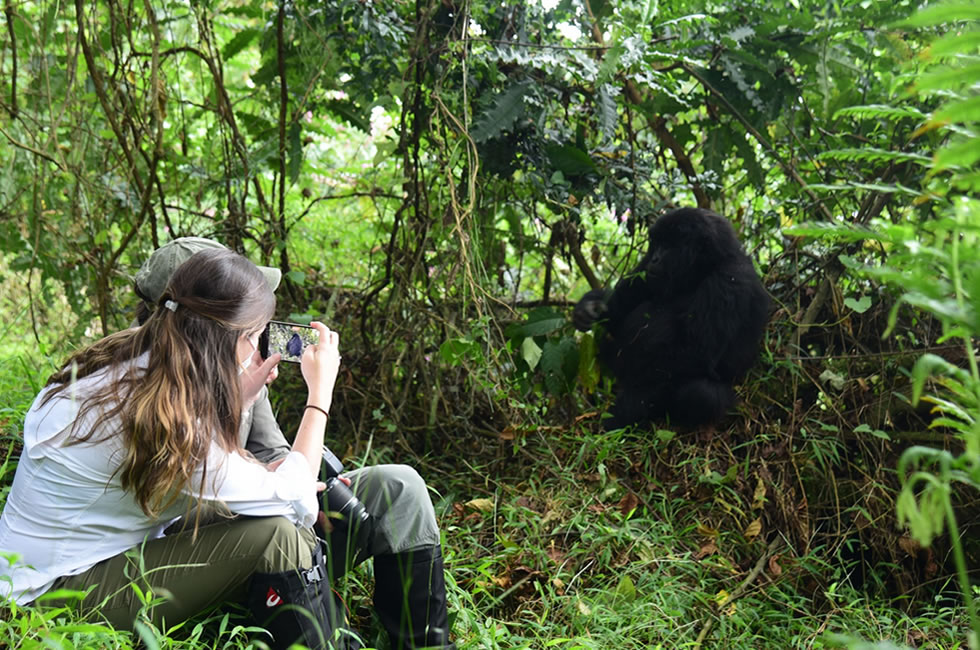
Photography enthusiasts may incur additional expenses related to camera equipment, protective gear, and specialized lenses. While photography is allowed during gorilla treks, flash photography is prohibited because it can disturb the animals. Investing in suitable equipment can enhance the experience, especially given the dense forest conditions and variable lighting commonly encountered during treks.
Travel insurance is another important cost consideration. Comprehensive travel insurance should ideally cover trip cancellations, medical emergencies, evacuation services, and adventure activities. Gorilla trekking involves hiking through mountainous terrain, and weather conditions can change rapidly. Adequate insurance provides financial protection against unexpected disruptions and health-related issues.
Seasonality influences the overall cost of a Rwanda gorilla safari. The dry seasons, generally occurring from June to September and December to February, attract higher visitor numbers due to favorable trekking conditions. During these periods, accommodations may charge premium rates, and permits can sell out quickly. Travelers seeking lower accommodation costs may consider visiting during the wetter months, although trails can become more challenging.
Many visitors combine gorilla trekking with other wildlife experiences in Rwanda. Popular additions include safaris in Akagera National Park, chimpanzee tracking in Nyungwe National Park, and cultural tours around Kigali. While these activities increase overall trip expenses, they provide a broader understanding of Rwanda’s biodiversity and cultural heritage.
The value of a gorilla safari extends beyond wildlife viewing. Visitors gain insight into one of the world’s most successful conservation stories. Mountain gorilla populations have increased over recent decades due to collaborative conservation efforts involving governments, conservation organizations, researchers, and local communities. The tourism revenue generated by gorilla trekking has played a crucial role in supporting these achievements.
Community development is another important aspect of the cost structure. A percentage of tourism revenue is allocated to projects benefiting communities surrounding Volcanoes National Park. These initiatives may include schools, healthcare facilities, water infrastructure, and small business development programs. As a result, tourism creates incentives for local residents to support conservation rather than exploit natural resources.
The exclusivity of the experience contributes to its pricing. Strict regulations limit the number of visitors who can interact with each gorilla family per day. These restrictions reduce stress on the animals, minimize disease transmission risks, and maintain a high-quality visitor experience. Unlike traditional wildlife safaris where dozens of vehicles may gather around animals, gorilla trekking offers a more intimate and controlled encounter.
From an environmental perspective, gorilla trekking fees help preserve critical ecosystems. The forests of the Virunga region provide habitat not only for gorillas but also for numerous bird species, mammals, reptiles, and plant communities. Conservation funding supports habitat protection efforts that benefit the broader ecosystem while contributing to climate resilience and biodiversity conservation.
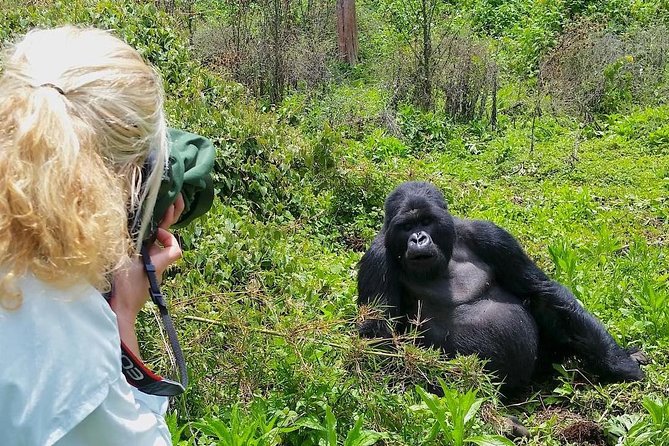
For many travelers, the emotional impact of meeting mountain gorillas justifies the cost. Observing a silverback’s leadership, watching playful juveniles interact, or making brief eye contact with a wild gorilla creates memories that often last a lifetime. These encounters foster a deeper appreciation for wildlife conservation and inspire many visitors to become advocates for environmental protection.
When evaluating the total cost of a Rwanda gorilla safari, it is important to consider the experience as more than a tourism activity. The permit fee supports conservation, local employment, community development, scientific research, and sustainable tourism initiatives. Rather than simply paying to see wildlife, visitors contribute directly to the long-term survival of one of the world’s most endangered primates.
Ultimately, Rwanda’s gorilla safari pricing reflects a carefully balanced conservation model that prioritizes sustainability over mass tourism. Although the upfront cost may appear high compared to other safari experiences, the combination of expert guiding, conservation impact, limited visitor numbers, community benefits, and extraordinary wildlife encounters creates exceptional value. For travelers seeking a transformative wildlife experience, gorilla trekking in Rwanda remains one of the most rewarding and meaningful adventures available anywhere in the world. With Unique Africa Ventures, You Explore Like Never Before!
For more Info, CONTACT US TODAY AND TALK WITH TOUR CONSULTANT:
Call or WhatsApp: +250 794 128 369
Related Posts