
Rwanda Safari with Cultural and Community Experiences Discover Rwanda Beyond the Safari A Rwanda safari…
Gorilla Trekking in Rwanda for First-Time Africa Travelers
Gorilla trekking in Rwanda is one of the most extraordinary wildlife experiences on Earth and is often considered a once-in-a-lifetime adventure. For first-time travelers to Africa, Rwanda offers an ideal introduction to the continent because of its safety, excellent tourism infrastructure, clean cities, and well-organized conservation programs. The opportunity to encounter endangered mountain gorillas in their natural habitat creates memories that remain vivid long after the journey ends. Unlike a traditional safari where animals may be viewed from a vehicle, gorilla trekking places visitors on foot within the rainforest, creating a deeply personal connection with nature.
The main destination for gorilla trekking in Rwanda is Volcanoes National Park, a protected area located in the northwestern region of the country near the borders of Uganda and the Democratic Republic of Congo. The park forms part of the larger Virunga Conservation Area, which is home to the world’s remaining mountain gorilla population. Towering volcanic peaks, mist-covered forests, bamboo groves, and diverse wildlife create a spectacular backdrop for trekking adventures. The scenery alone makes the journey worthwhile even before visitors encounter the gorillas.
Many first-time visitors are surprised by how accessible Rwanda is. The country’s primary gateway, Kigali, is often praised as one of Africa’s cleanest and most organized capitals. International travelers can arrive in Kigali and reach Volcanoes National Park within a few hours by road. This convenience makes Rwanda one of the easiest destinations for travelers who may be visiting Africa for the first time and are seeking a well-managed tourism experience.
Preparation for a gorilla trek begins months before arrival because permits are limited and highly sought after. Rwanda carefully regulates visitor numbers to protect the gorillas and their habitat. Every permit grants access to a specific gorilla family and contributes directly to conservation efforts and local community development. Because demand is often high throughout the year, especially during peak travel seasons, securing permits well in advance is strongly recommended.
The trekking day typically starts early in the morning. Visitors gather at park headquarters for registration, safety briefings, and group assignments. Experienced guides explain trekking procedures, conservation rules, and expectations for the day. Participants are then assigned to different gorilla families based on fitness levels, interests, and availability. This organized approach helps ensure that visitors have a safe and enjoyable experience while minimizing disturbance to the gorillas.
The trek itself can vary significantly in duration and difficulty. Some gorilla families live relatively close to the park boundary, requiring only a short hike of one or two hours. Others inhabit remote mountain slopes and may require several hours of climbing through dense vegetation and rugged terrain. First-time travelers should arrive prepared for changing weather conditions, muddy trails, and varying elevations. However, guides and trackers work hard to ensure that visitors can reach their assigned gorilla family safely.
As trekkers move through the forest, they are often captivated by the beauty of the environment. The rainforest is alive with bird calls, rustling leaves, and the sounds of hidden wildlife. Giant tree ferns, moss-covered branches, and dense bamboo create an almost magical atmosphere. The journey becomes an adventure in itself, allowing visitors to experience a side of Africa that differs greatly from the open savannas commonly associated with safaris.
Professional trackers usually head into the forest before visitors begin their hike. Their role is to locate the gorilla families and maintain communication with the trekking groups. These trackers possess remarkable knowledge of the forest and can interpret subtle signs such as broken vegetation, footprints, and feeding areas. Their expertise greatly increases the likelihood of successful gorilla encounters and contributes to visitor safety.
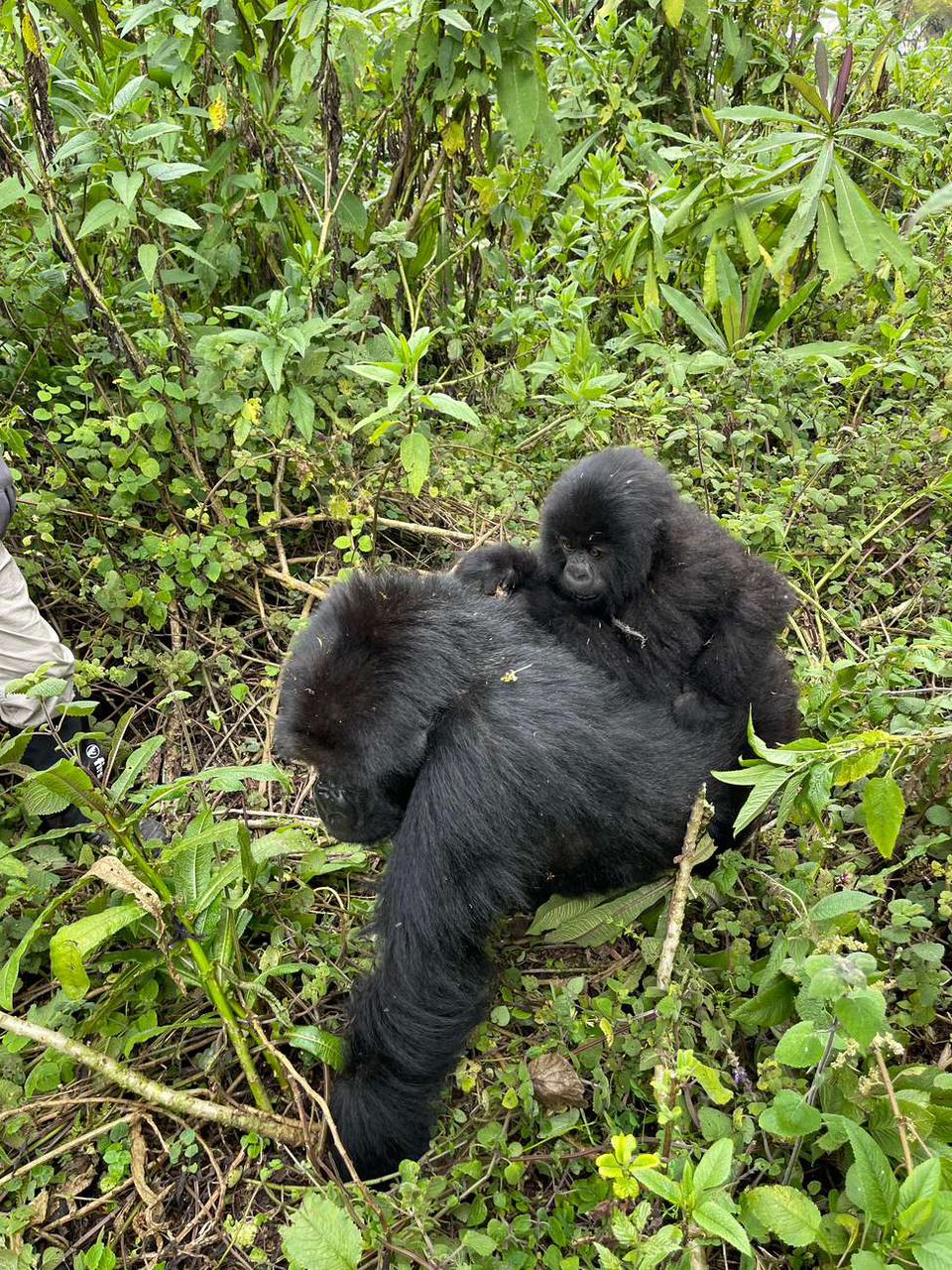
The moment of first contact with a gorilla family is often described as emotional and unforgettable. After hours of hiking through the forest, trekkers may suddenly find themselves standing just meters away from a massive silverback gorilla or observing playful young gorillas interacting with one another. The experience is both humbling and exhilarating because visitors are witnessing one of humanity’s closest relatives in its natural environment.
Mountain gorillas share approximately 98 percent of their DNA with humans, which makes their behavior particularly fascinating to observe. Visitors often recognize familiar expressions, gestures, and social interactions. Mothers care for their infants with tenderness, juveniles play energetically, and dominant silverbacks maintain order within the group. These similarities create a profound sense of connection that many travelers find deeply moving.
Park regulations allow visitors to spend one hour with the gorillas once they are located. Although this may seem brief, the experience is surprisingly immersive. During that hour, travelers can watch the gorillas feed, groom one another, rest, and move through the forest. Photographers often find countless opportunities to capture remarkable images, while others simply choose to absorb the moment without focusing on cameras.
Responsible tourism is a central principle of Rwanda’s gorilla conservation strategy. Strict rules govern visitor behavior during treks. Trekkers must maintain a safe distance from the gorillas, avoid sudden movements, and refrain from making loud noises. Individuals who are ill may not be allowed to participate because gorillas are vulnerable to many human diseases. These precautions help protect the health and well-being of the animals.
One of the most inspiring aspects of gorilla trekking in Rwanda is the success of conservation efforts. Decades ago, mountain gorillas faced severe threats from habitat loss, poaching, and political instability. Through collaboration among governments, conservation organizations, researchers, and local communities, gorilla populations have gradually increased. Tourism revenue has played a crucial role in funding these conservation initiatives and creating economic incentives to protect wildlife.
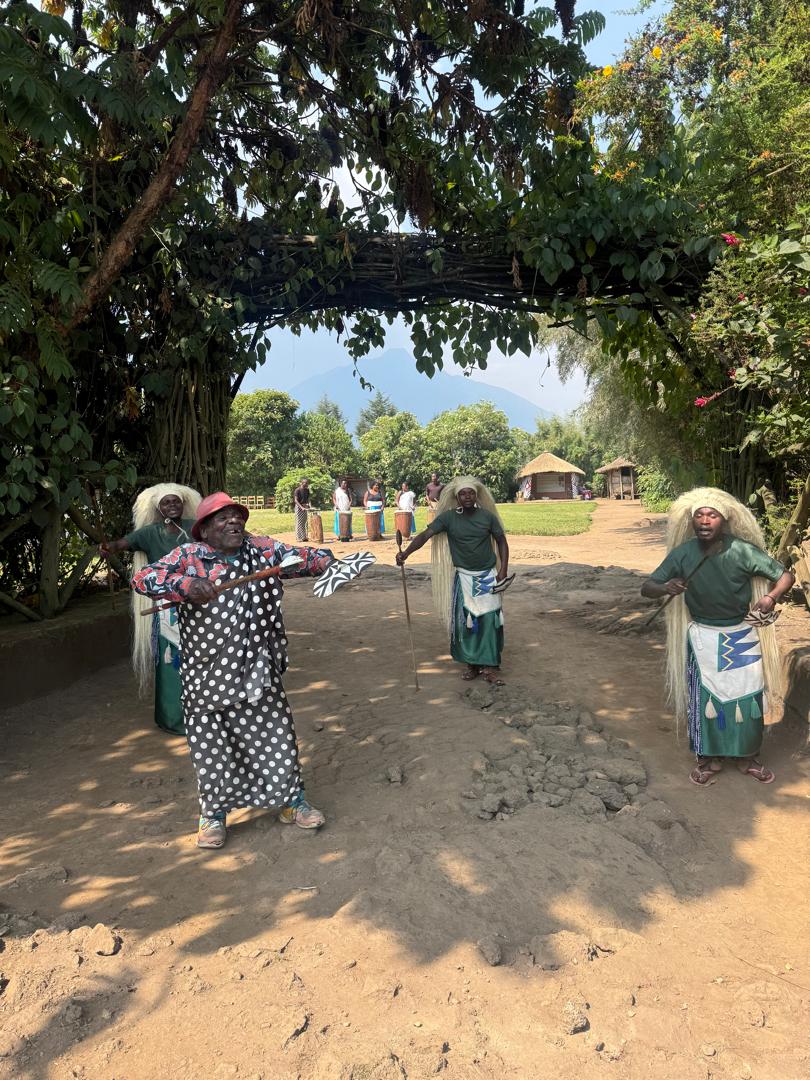
Visitors often discover that the experience extends beyond gorillas alone. The region surrounding Volcanoes National Park offers cultural encounters, scenic landscapes, and opportunities to learn about local traditions. Community visits allow travelers to meet residents, learn about traditional crafts, and understand how conservation benefits local livelihoods. These interactions add valuable cultural depth to the overall journey.
The climate in northern Rwanda can be cool and unpredictable due to the region’s altitude. Rain may occur at any time of year, even during relatively dry seasons. Waterproof jackets, sturdy hiking boots, gloves, and layered clothing are strongly recommended. Proper preparation enhances comfort and allows visitors to focus on enjoying the experience rather than dealing with challenging weather conditions.
Accommodation options around Volcanoes National Park range from budget guesthouses to luxury eco-lodges. Many lodges provide stunning views of the surrounding volcanoes and forests. Some properties emphasize sustainability and community engagement, offering visitors the chance to support responsible tourism initiatives. Regardless of budget, travelers can find comfortable accommodations that serve as excellent bases for trekking adventures.
For first-time visitors to Africa, Rwanda’s combination of safety, hospitality, and efficient tourism services provides reassurance throughout the journey. Roads are generally well maintained, guides are highly professional, and visitor services are organized with remarkable attention to detail. These factors allow travelers to focus on the experience itself rather than logistical concerns.
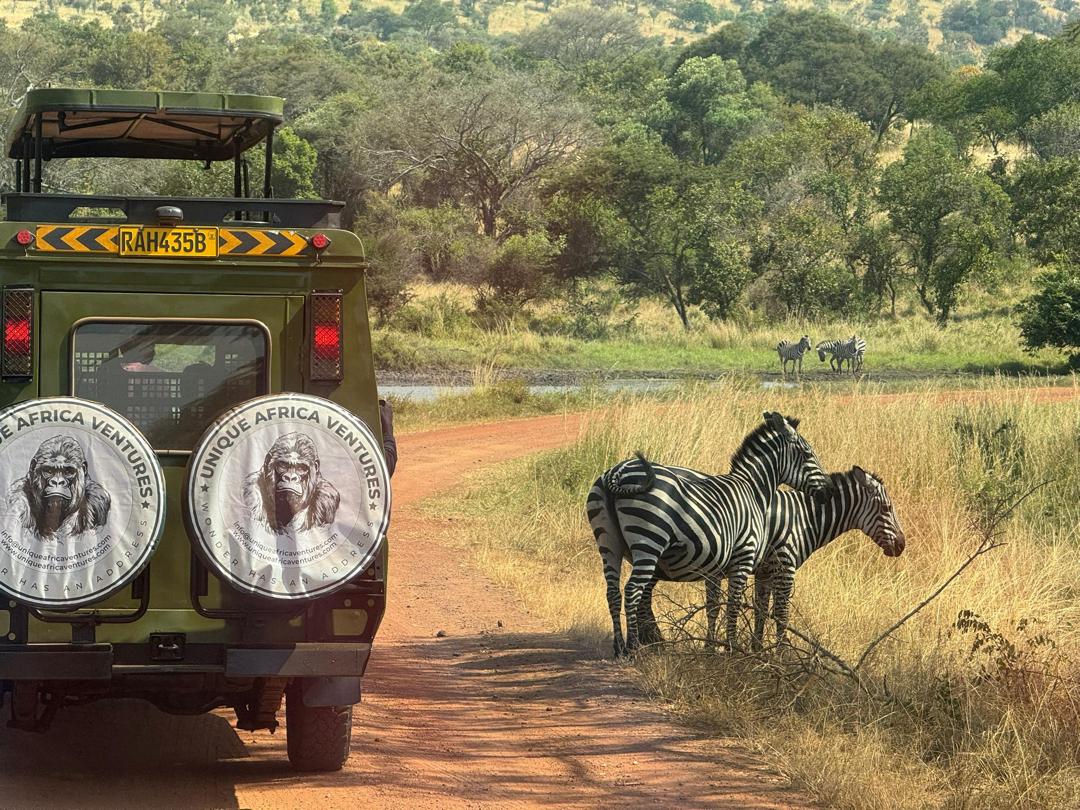
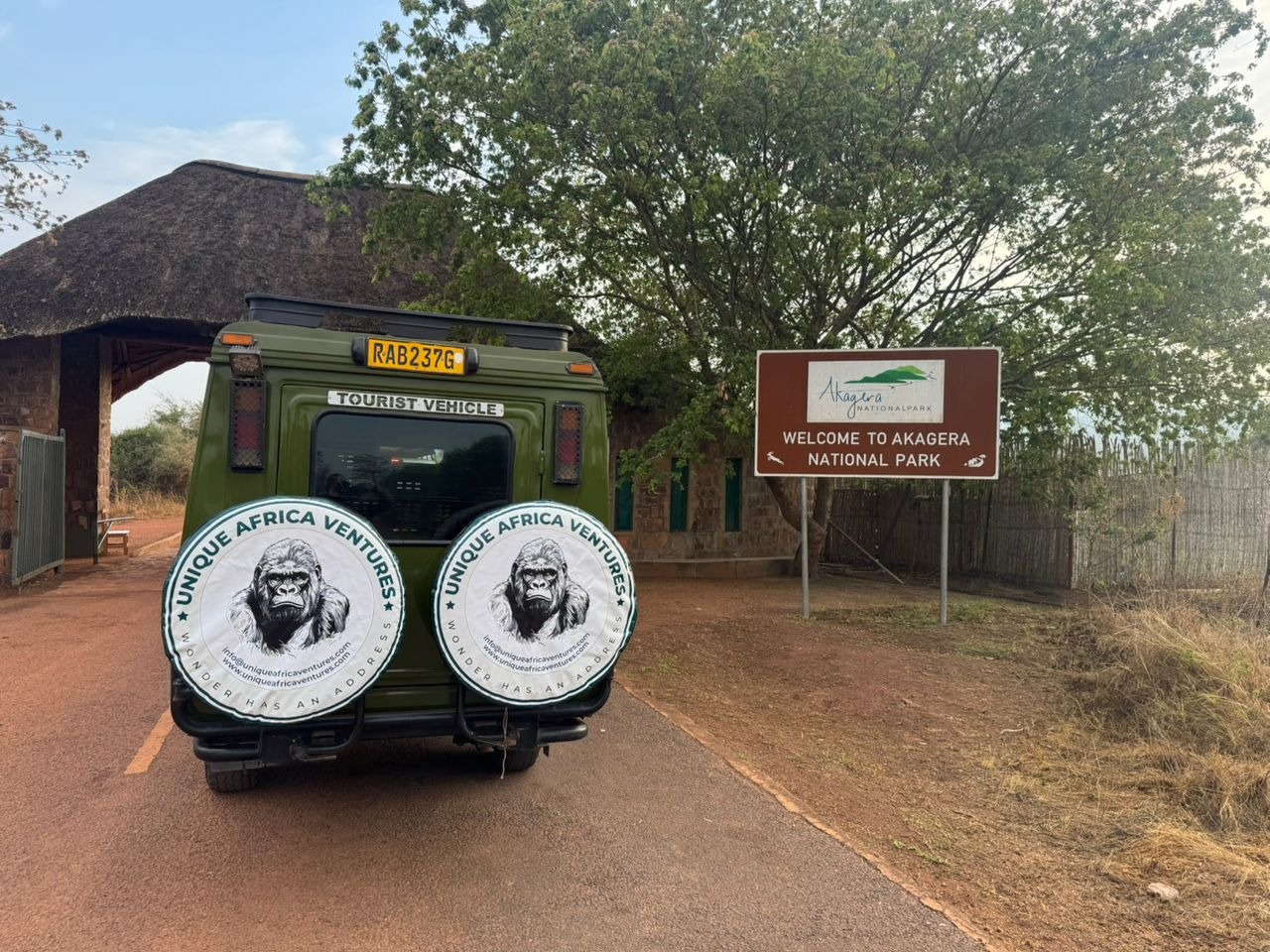
Many travelers choose to combine gorilla trekking with other attractions in Rwanda. Popular additions include visits to Kigali Genocide Memorial, wildlife viewing in Akagera National Park, and relaxation along the shores of Lake Kivu. Together, these destinations provide a broader understanding of Rwanda’s history, culture, and natural beauty.
The emotional impact of meeting mountain gorillas often stays with travelers long after they return home. Seeing these magnificent animals thriving in the wild inspires greater appreciation for conservation and the interconnectedness of all living species. Many visitors describe the experience as transformative, offering a rare opportunity to disconnect from everyday life and reconnect with nature on a profound level.
Ultimately, gorilla trekking in Rwanda is far more than a wildlife excursion. It is a journey into one of Africa’s most beautiful ecosystems, a lesson in successful conservation, and a deeply personal encounter with a species that shares much of our own evolutionary heritage. For first-time Africa travelers, few experiences can match the excitement, wonder, and lasting significance of standing face-to-face with a mountain gorilla in the misty forests of Rwanda. With Unique Africa Ventures, You Explore Like Never Before!
For more Info, CONTACT US TODAY AND TALK WITH TOUR CONSULTANT:
Call or WhatsApp: +250 794 128 369
Related Posts