
Affordable Rwanda Safari Adventures Rwanda is one of Africa’s most rewarding destinations for travelers who…
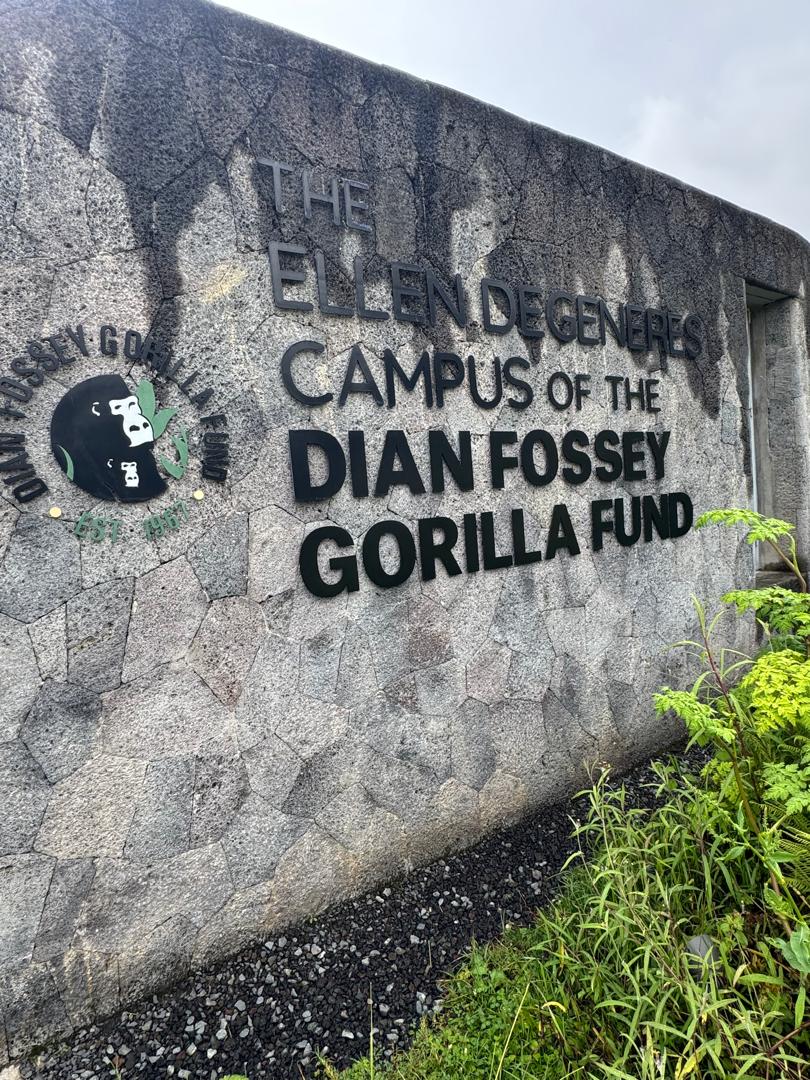
Ellen DeGeneres Campus – Conservation, Education & Tourism
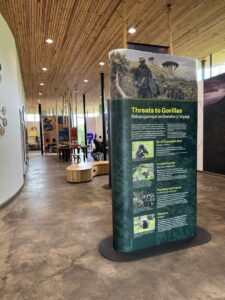
The Dian Fossey Gorilla Fund created the Ellen DeGeneres Campus of the Dian Fossey Gorilla Fund as a world-class center for conservation, education, scientific research, and sustainable tourism. Located near Volcanoes National Park, the campus represents a modern vision of wildlife protection while honoring the legacy of Dian Fossey, whose pioneering work helped save mountain gorillas from extinction. The campus opened in 2022 and serves as a bridge between science, local communities, students, researchers, and international visitors.
Conservation is the foundation of the Ellen Campus. For decades, mountain gorillas faced severe threats from poaching, habitat destruction, disease, and political instability. Through continuous field research and protection efforts, conservation organizations and governments worked together to reverse these threats. The campus strengthens these efforts by providing advanced facilities where scientists can conduct research, analyze data, and develop strategies to protect gorillas and their forest ecosystems. It symbolizes a long-term commitment to preserving biodiversity for future generations.
One of the most important achievements connected to the campus is its support for mountain gorilla conservation. When research began in the 1960s and 1970s, the global population of mountain gorillas had fallen dramatically. Today, the population has risen to more than 1,000 individuals, making it one of the rare conservation success stories in the world. The campus helps ensure that this progress continues by supporting scientific monitoring, veterinary care, habitat protection, and conservation education.
Education is another major pillar of the Ellen Campus. The facility includes classrooms, learning centers, exhibition spaces, and interactive displays designed to inspire people of all ages. Students from nearby communities visit the campus to learn about wildlife conservation, environmental stewardship, and the importance of protecting natural resources. These educational programs help build environmental awareness among young people who will become future leaders, scientists, and conservation advocates.
The campus also serves as a training ground for emerging African scientists. Many conservation challenges in Africa require local expertise and leadership. Through workshops, scholarships, field experiences, and research opportunities, the campus helps students gain practical skills in wildlife biology, ecology, conservation management, and environmental science. This investment in human capacity ensures that conservation efforts remain sustainable and locally driven.
Scientific research conducted at the Ellen Campus contributes valuable knowledge about gorilla behavior, health, genetics, and ecology. Researchers use modern laboratories and technology to study gorilla populations and the ecosystems they depend on. Understanding how gorillas interact with their environment allows conservationists to make informed decisions about habitat management, disease prevention, and long-term species protection. Research findings from the campus benefit conservation programs throughout Africa and beyond.
The architecture of the campus reflects its environmental mission. Designed by MASS Design Group, the campus incorporates sustainable building practices, locally sourced materials, rainwater harvesting systems, green roofs, and ecological landscaping. These features reduce environmental impact while demonstrating how architecture can support conservation goals. The campus itself serves as a model of environmentally responsible design.
Beyond conservation and education, the campus contributes significantly to local economic development. During construction, thousands of jobs were created for local workers, and substantial investments were made in the Rwandan economy. By using local labor and materials, the project generated income, strengthened community skills, and supported livelihoods. These economic benefits illustrate how conservation initiatives can contribute directly to community well-being.
Tourism plays a vital role in the campus’s mission. Visitors from around the world travel to Rwanda to learn about gorillas and conservation efforts. The Ellen Campus offers exhibits, guided experiences, educational programs, and cultural interactions that enrich the tourism experience. Rather than simply observing wildlife, visitors gain a deeper understanding of the scientific and community-based work required to protect endangered species.
The relationship between tourism and conservation is especially important in Rwanda. Revenue generated from gorilla tourism helps fund national parks, wildlife protection programs, community projects, and conservation initiatives. The Ellen Campus strengthens this relationship by educating tourists about responsible travel and demonstrating how tourism can create positive environmental and social outcomes.
Visitors to the campus experience immersive exhibits that tell the story of gorilla conservation from the time of Dian Fossey to the present day. Interactive technologies, visual displays, historical artifacts, virtual reality experiences, and educational presentations allow guests to engage with conservation in meaningful ways. These exhibits transform complex scientific concepts into accessible and memorable learning experiences.
The campus also promotes community engagement. Conservation cannot succeed without the support of people who live near protected areas. Educational outreach programs encourage local communities to participate in conservation activities, adopt sustainable practices, and recognize the long-term benefits of environmental protection. By building trust and cooperation, the campus strengthens the relationship between people and nature.
A remarkable feature of the Ellen Campus is its restored landscape. The site was previously used for agriculture, but conservation-focused planning transformed it into a biodiverse environment filled with native plants and wildlife habitats. Reforestation efforts and ecological restoration have created a living laboratory where researchers, students, and visitors can observe environmental recovery in action.
The campus also highlights the importance of global partnerships. Conservation challenges often cross national borders and require collaboration among governments, scientists, donors, communities, and international organizations. The development of the Ellen Campus involved contributions from conservation groups, architects, philanthropists, researchers, and local stakeholders, demonstrating the power of collective action in addressing environmental issues.
The involvement of Ellen DeGeneres and Portia de Rossi brought global attention to gorilla conservation. Their support helped raise awareness about the challenges facing endangered wildlife and generated international interest in the project. The campus serves as a tribute to Dian Fossey’s legacy while inspiring millions of people worldwide to care about environmental protection and species conservation.
The Ellen Campus demonstrates how conservation and education can work together to create lasting change. Scientific discoveries alone are not enough; people must also understand and value nature. Through exhibitions, school programs, community initiatives, and public outreach, the campus helps translate scientific knowledge into public awareness and action. This combination of research and education strengthens the effectiveness of conservation efforts.
Another important contribution of the campus is its role in promoting sustainable tourism. Modern travelers increasingly seek experiences that support local communities and environmental protection. By connecting visitors with conservation stories, local culture, and scientific research, the campus encourages a more responsible form of tourism that benefits both people and wildlife. This approach creates a positive cycle in which tourism revenue supports conservation, and successful conservation enhances tourism opportunities.
The Ellen Campus has become a symbol of hope in global conservation. At a time when many species face increasing threats from climate change, habitat loss, and human activities, the recovery of mountain gorillas offers proof that dedicated conservation efforts can succeed. The campus showcases this success while emphasizing the need for continued commitment and innovation in environmental protection.
Furthermore, the campus strengthens Rwanda’s reputation as a leader in conservation and ecotourism. The country has invested heavily in protecting its natural heritage while creating opportunities for economic development through sustainable tourism. Facilities such as the Ellen Campus demonstrate how conservation can be integrated with national development goals, benefiting wildlife, communities, and visitors alike.
In conclusion, the Ellen DeGeneres Campus of the Dian Fossey Gorilla Fund is much more than a research center or tourist attraction. It is a comprehensive conservation hub that combines scientific research, environmental education, community engagement, sustainable architecture, economic development, and responsible tourism. By honoring the legacy of Dian Fossey and supporting future generations of conservation leaders, the campus stands as an inspiring example of how people can work together to protect endangered species and preserve the natural world for generations to come. With Unique Africa Ventures, You Explore Like Never Before!
For more Info, CONTACT US TODAY AND TALK WITH TOUR CONSULTANT:
Call or WhatsApp: +250 794 128 369
Related Posts