
Unforgettable Rwanda and Uganda Safari Holidays Discover the incredible landscapes, wildlife, cultures, and unforgettable adventures…
Explore Rwanda in 7 Days – Complete Safari Itinerary
Known as the “Land of a Thousand Hills,” Rwanda is one of Africa’s most breathtaking safari destinations. The country combines mountain gorillas, rolling green landscapes, luxury lodges, vibrant cities, rich culture, and wildlife conservation into a remarkably compact travel experience. Unlike many African countries where long domestic flights are necessary, Rwanda’s attractions are relatively close together, making it possible to experience rainforests, volcanoes, savannahs, lakes, and cultural heritage within a single week. A seven-day safari itinerary offers enough time to explore the country’s iconic highlights while still enjoying the calm pace and hospitality that Rwanda is famous for.
The journey usually begins in Kigali, one of Africa’s cleanest and safest capitals. Kigali is more than a transit hub; it is a city filled with history, art, coffee culture, and modern development. Travelers arriving at Kigali International Airport are often surprised by the organized roads, green neighborhoods, and peaceful atmosphere. Spending your first day in Kigali helps you recover from international travel while learning about Rwanda’s remarkable transformation over the past three decades. The city’s hills are lined with cafés, craft shops, galleries, and restaurants that reflect a blend of African tradition and contemporary urban life.
A visit to the Kigali Genocide Memorial is an important and emotional introduction to the country. The memorial honors the victims of the 1994 Genocide against the Tutsi and educates visitors about Rwanda’s history, resilience, and reconciliation journey. Although deeply moving, the experience gives travelers a better understanding of the unity and national pride that define modern Rwanda. Many visitors describe this stop as one of the most impactful experiences of their entire African journey because it reveals how a nation rebuilt itself with dignity, vision, and determination.
After exploring Kigali, the adventure continues north toward Volcanoes National Park, home to Rwanda’s world-famous mountain gorillas. The scenic drive itself is unforgettable, passing terraced hillsides, banana plantations, eucalyptus forests, and small rural villages. The landscape gradually changes as the Virunga Volcanoes rise dramatically on the horizon. This region is among Africa’s most celebrated wildlife destinations because it protects one of the last remaining populations of endangered mountain gorillas. The park is also historically linked to renowned primatologist Dian Fossey, whose conservation work brought global attention to gorilla protection.
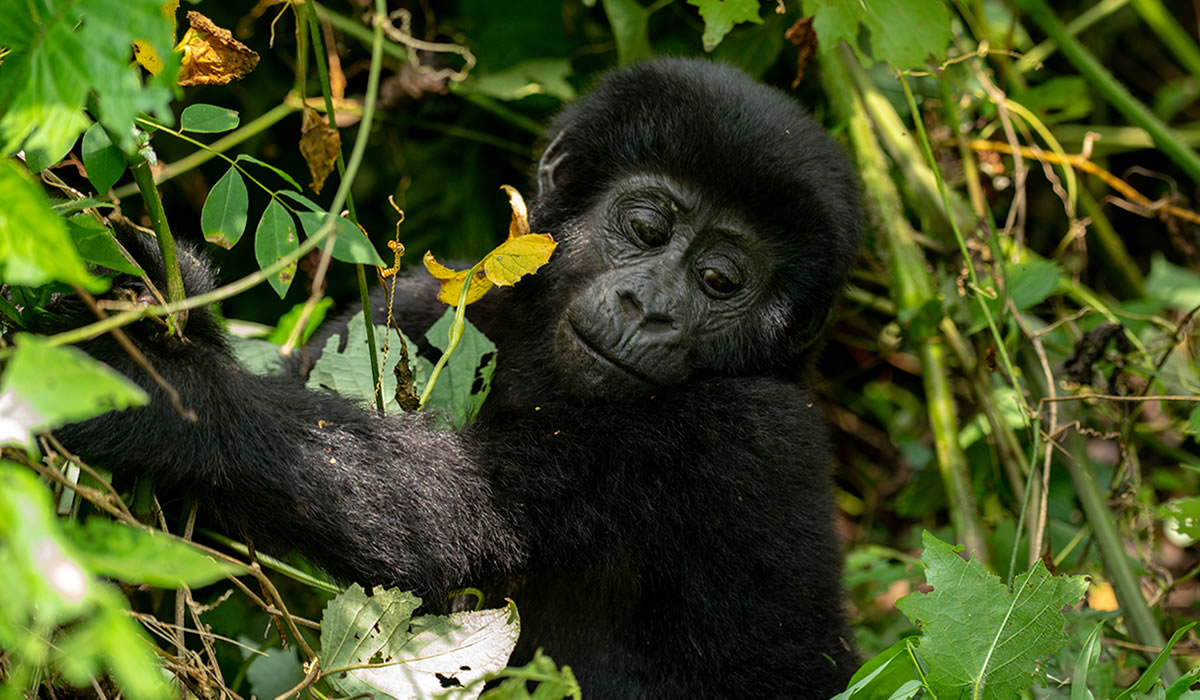
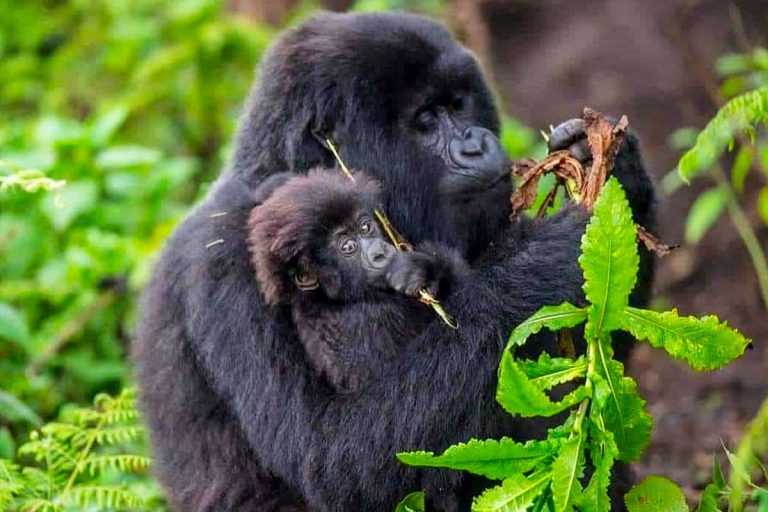
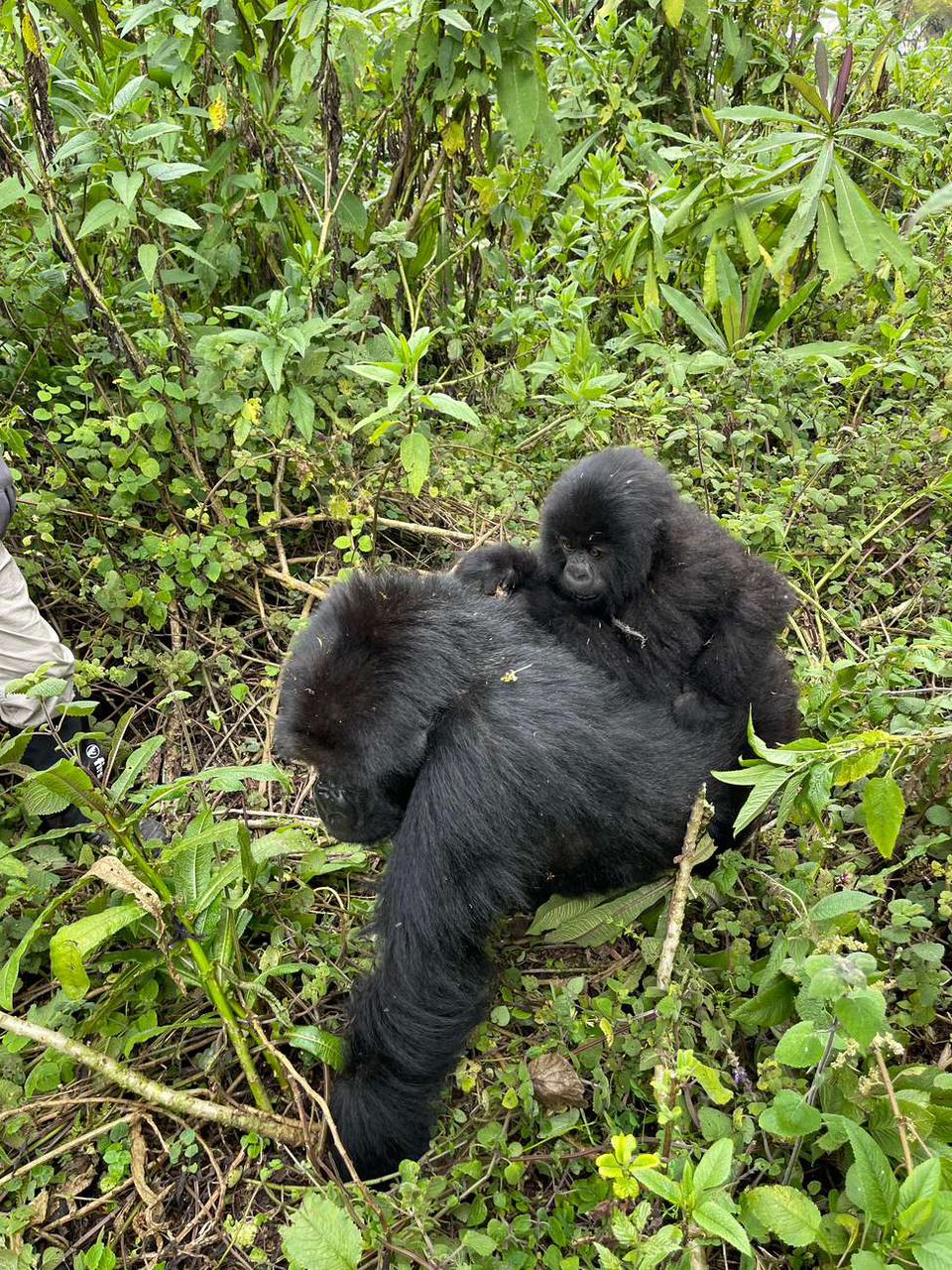
Gorilla trekking is the centerpiece of any Rwandan safari and often the emotional highlight of a traveler’s life. Trekkers gather early in the morning at the park headquarters before being assigned a habituated gorilla family. Experienced guides and trackers lead visitors through dense bamboo forests and mist-covered mountain slopes. The trek can last from one to several hours depending on the gorillas’ location, but the moment you encounter a gorilla family in the wild is unforgettable. Watching silverbacks guard their groups, mothers care for infants, and young gorillas play among the vegetation creates an extraordinary connection between humans and wildlife.
The experience of sitting quietly only a few meters from mountain gorillas is deeply humbling. Visitors quickly realize how intelligent and emotionally expressive these primates are. Their human-like gestures, eye contact, and social interactions create a sense of familiarity that cannot be fully described in photographs or documentaries. Rwanda strictly regulates gorilla tourism to minimize environmental impact and ensure the animals remain protected. Although permits are expensive, the fees directly support conservation initiatives, anti-poaching patrols, local community development, and habitat preservation, making tourism an essential tool for wildlife survival.
Beyond gorilla trekking, Volcanoes National Park offers additional adventures including golden monkey tracking, volcano hikes, birdwatching, and cultural encounters. Golden monkeys are energetic and colorful primates that move rapidly through bamboo forests, creating a completely different experience from gorilla trekking. Visitors interested in hiking may attempt climbs of Mount Bisoke, Mount Karisimbi, Gahinga, Muhabura and Sabyinyo, all offering dramatic volcanic scenery and panoramic views across the Virunga range. The cool mountain climate and lush vegetation make this region especially attractive for nature lovers and photographers.
Cultural tourism around the park adds another layer to the safari experience. Local communities welcome travelers through traditional dance performances, storytelling, craft-making demonstrations, and village tours. At places like the Iby’Iwacu Cultural Village, visitors learn about traditional Rwandan lifestyles, cattle culture, royal customs, herbal medicine, and community-based tourism initiatives. These encounters create meaningful interactions between travelers and residents while generating sustainable income for local families living near conservation areas.
From the northern volcanoes, the itinerary can continue west toward the spectacular Lake Kivu, one of Africa’s Great Lakes. The drive along winding mountain roads reveals some of the most beautiful scenery in East Africa. Lake Kivu stretches across Rwanda’s western border with the neighboring Democratic Republic of the Congo and offers peaceful lakeside relaxation after the physical intensity of trekking. Towns such as Gisenyi, Kibuye, and Cyangugu provide charming waterfront atmospheres where travelers can enjoy beaches, boat rides, kayaking, and fresh fish cuisine.
The calm environment around Lake Kivu contrasts beautifully with the mountain adventures of the previous days. Travelers often spend time swimming, cycling along the shoreline, or taking sunset cruises while enjoying views of forested islands and distant hills. Coffee tours are also popular in this region because Rwanda produces some of Africa’s finest specialty coffee. Visiting local plantations allows travelers to learn about coffee cultivation, roasting, and export while tasting freshly brewed Rwandan coffee directly from its source.
The next major stop in the safari itinerary is Nyungwe Forest National Park, one of Africa’s oldest montane rainforests. This protected area contains extraordinary biodiversity including chimpanzees, colobus monkeys, orchids, butterflies, and hundreds of bird species. The drive into Nyungwe reveals thick forests draped across mountains and valleys, creating an almost mystical atmosphere. The park’s cool temperatures and dense canopy provide a refreshing contrast to the open savannah landscapes commonly associated with African safaris.
Chimpanzee tracking in Nyungwe Forest National Park offers a thrilling wildlife encounter. Unlike gorillas, chimpanzees are highly energetic and vocal, often moving rapidly through treetops while communicating loudly with one another. Trekkers must move quickly through steep forest terrain to keep up with them. The excitement of hearing chimpanzee calls echo through the rainforest before finally spotting them in the canopy creates an unforgettable sense of adventure. Nyungwe is also considered one of the best destinations in Africa for primate enthusiasts due to its incredible concentration of monkey species.
Another major attraction in Nyungwe is the famous canopy walkway suspended high above the forest floor. Walking across the bridge gives visitors panoramic views over endless rainforest canopies stretching into the distance. The experience combines excitement with spectacular scenery, especially during early morning mist or golden afternoon light. Nature enthusiasts often spend additional time hiking the park’s extensive trail network, discovering waterfalls, hidden streams, medicinal plants, and rare birds found nowhere else in the region.
As the safari continues, travelers head east toward Akagera National Park, Rwanda’s only savannah park and the country’s classic Big Five safari destination. The landscape changes dramatically from dense rainforest and volcanic mountains to open plains, wetlands, lakes, and acacia woodlands. Akagera represents one of Africa’s most inspiring conservation success stories. Once heavily damaged after the genocide period, the park has been restored through major conservation efforts, including the reintroduction of lions and rhinoceroses.
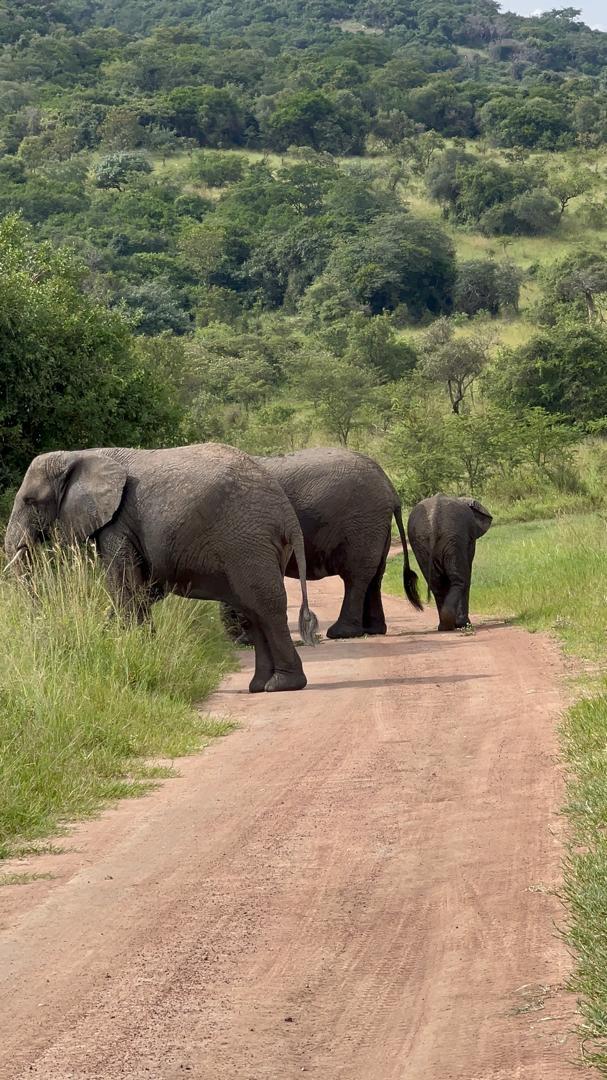
Game drives through Akagera National Park provide opportunities to see elephants, buffaloes, giraffes, zebras, antelopes, hippos, crocodiles, and numerous bird species. Lions are increasingly visible, while rhino sightings have become one of the park’s greatest conservation achievements. Unlike some crowded safari destinations elsewhere in Africa, Akagera often feels quiet and exclusive, allowing visitors to enjoy wildlife viewing in a peaceful environment. Sunrise and sunset game drives are particularly beautiful as golden light spreads across the savannah.
Boat safaris on Lake Ihema add another dimension to the experience. Hippos gather in large groups near the shoreline while crocodiles bask along the banks. The wetlands attract impressive birdlife including fish eagles, kingfishers, herons, and rare shoebill storks. Watching wildlife from the water creates excellent photography opportunities and allows visitors to appreciate Akagera’s ecological diversity beyond traditional game drives.
Luxury tourism has expanded rapidly in Rwanda, and travelers can now choose from exceptional eco-lodges and safari camps throughout the country. Properties near Volcanoes National Park provide stunning volcano views and intimate forest settings, while lakeside resorts along Lake Kivu offer tranquility and relaxation. In Akagera, safari lodges blend luxury with conservation, giving guests immersive experiences close to nature. Rwanda’s tourism model emphasizes high-value, low-impact travel, which helps preserve ecosystems while supporting local communities through employment and sustainable development.
Food is another rewarding part of exploring Rwanda. Traditional meals often include grilled meats, beans, cassava, plantains, sweet potatoes, and ugali. Brochettes are especially popular and commonly served in local restaurants throughout the country. Visitors can also enjoy fresh tilapia from Lake Kivu, tropical fruits, and internationally inspired cuisine in Kigali’s growing culinary scene. Rwanda’s coffee and tea are internationally respected, and tasting locally produced beverages becomes part of the cultural experience itself.
Transportation within Rwanda is relatively efficient compared to many African destinations. Well-maintained roads connect the country’s major attractions, making overland travel scenic and comfortable. Private guided safaris are the most common option because experienced local guides provide valuable insights into wildlife, culture, and history. Rwanda’s compact size means travelers spend less time in transit and more time enjoying experiences, which is one of the country’s greatest advantages for a seven-day itinerary.
The best time to visit Rwanda depends on travel interests, although the dry seasons from June to September and December to February are generally considered ideal for trekking and safaris. During these months, trails are easier to navigate and wildlife viewing conditions improve. However, Rwanda’s landscapes remain lush and beautiful year-round, and even rainy seasons have advantages such as fewer crowds and greener scenery. Gorilla trekking takes place throughout the year because mountain gorillas remain active regardless of weather conditions.
A seven-day safari through Rwanda combines wildlife encounters, cultural immersion, emotional reflection, and natural beauty into one unforgettable journey. Few destinations in Africa offer such diversity within such short travel distances. From standing face-to-face with endangered mountain gorillas to cruising across Lake Kivu, walking above rainforest canopies, and watching lions roam the savannah, Rwanda delivers experiences that feel both intimate and transformative. Travelers leave not only with photographs and memories, but with a deeper appreciation for conservation, resilience, and the extraordinary richness of this small yet remarkable African nation.
For many visitors, Rwanda becomes far more than a safari destination. It represents hope, renewal, and the power of conservation-driven tourism. The warmth of its people, the beauty of its landscapes, and the protection of its wildlife create a travel experience unlike anywhere else on the continent. Whether you are an experienced safari traveler or visiting Africa for the first time, spending seven days exploring Rwanda offers an inspiring combination of adventure, education, luxury, and authentic human connection that remains unforgettable long after the journey ends. With Unique Africa Ventures, You Explore Like Never Before!
For more Info, CONTACT US TODAY AND TALK WITH TOUR CONSULTANT:
Call or WhatsApp: +250 794 128 369
Related Posts