
Unforgettable Rwanda and Uganda Safari Holidays Discover the incredible landscapes, wildlife, cultures, and unforgettable adventures…
Rwanda Wildlife Photography Safaris – Top Spots & Tips
Rwanda has become one of Africa’s most rewarding destinations for wildlife photography safaris because it combines dramatic landscapes, rare wildlife, excellent conservation, and relatively easy travel logistics within a compact country. In only a few days, photographers can move from mist-covered volcanoes filled with mountain gorillas to open savannahs with lions and rhinos, and then into dense rainforests alive with chimpanzees and colorful birds. The country’s famous “Land of a Thousand Hills” scenery creates an extraordinary visual backdrop for photography, with rolling green hills, lakes, volcanoes, and golden sunrise light shaping nearly every image. Rwanda’s parks are also less crowded than many famous East African safari destinations, allowing photographers more space and time to compose meaningful wildlife shots.
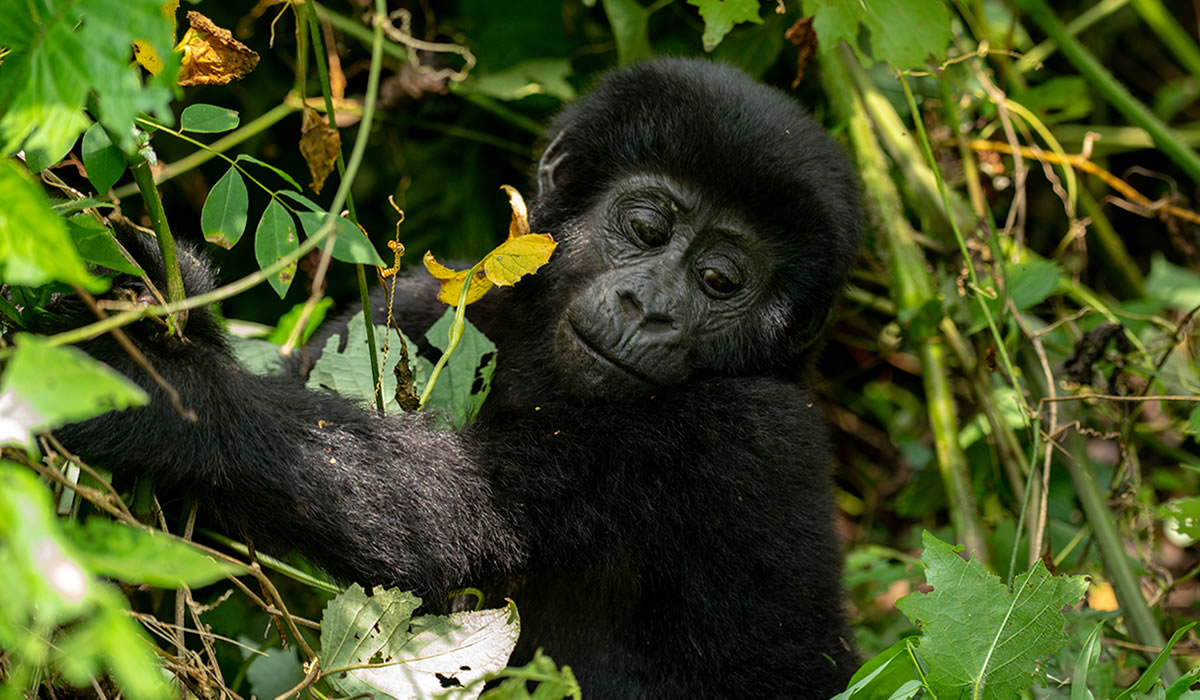
The most famous wildlife photography destination in Rwanda is Volcanoes National Park. Located in the Virunga Mountains, this park is globally recognized for mountain gorilla trekking experiences. The misty forests, bamboo vegetation, and volcanic slopes create a cinematic atmosphere that photographers love. Capturing a silverback gorilla emerging through the fog or a playful juvenile gorilla interacting with its family can produce some of the most emotional wildlife images in Africa. The park is also home to golden monkeys and more than 200 bird species.
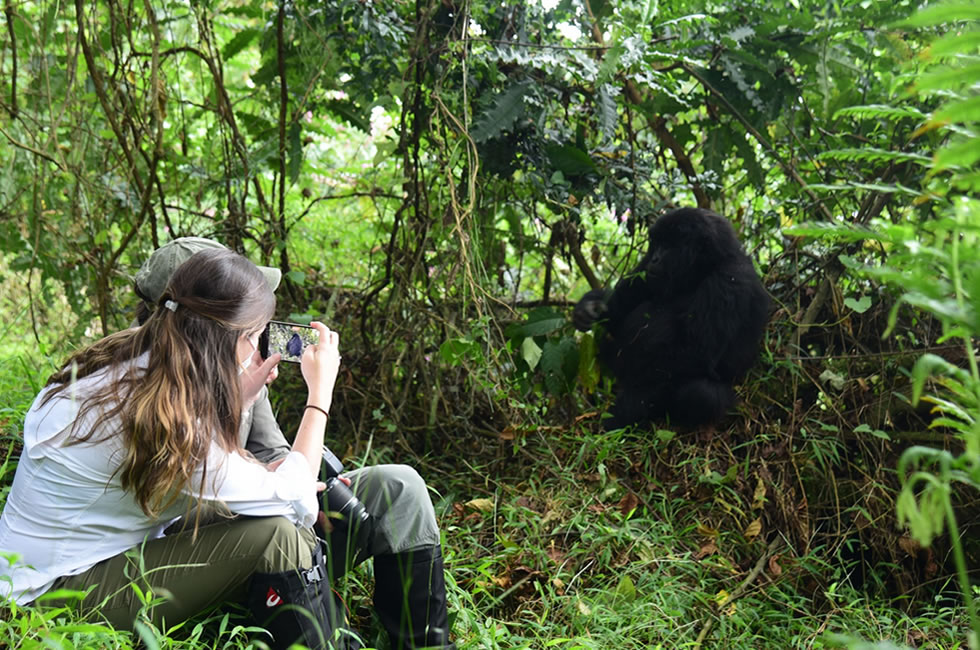
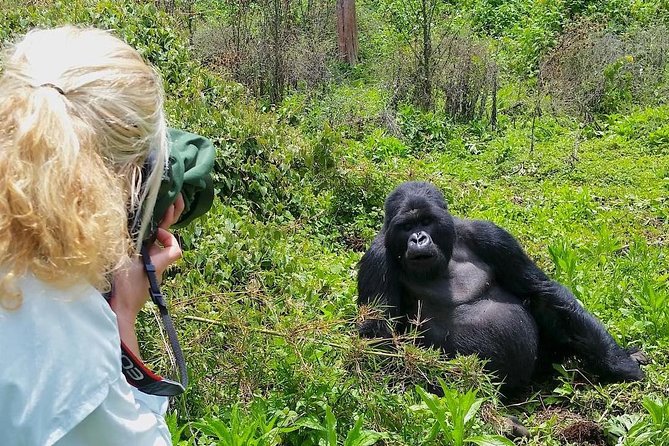
Photographing gorillas in Volcanoes National Park requires preparation and patience. Since the forest can be dark and humid, photographers should use cameras with strong low-light performance and fast lenses, preferably f/2.8 or wider. Flash photography is not allowed because it may disturb the gorillas. Instead, photographers rely on natural light filtering through the forest canopy. Shooting in RAW format is highly recommended because it preserves image detail and allows better editing later. Many experienced safari photographers also carry monopods for additional stability during long treks through uneven terrain.
Gorilla trekking itself is an unforgettable photography adventure. Treks can last from one to six hours depending on the location of the gorilla family assigned to visitors. Small groups led by experienced rangers hike through steep jungle terrain while trackers locate gorilla families in advance. Once the gorillas are found, visitors are allowed one hour to observe and photograph them. This short time means photographers must work quickly but carefully to capture expressions, interactions, and movement. Rwanda currently has multiple habituated gorilla families open for tourism, and strict conservation rules help protect these endangered animals.
Another excellent wildlife photography destination is Akagera National Park. Unlike the dense forests of Volcanoes National Park, Akagera offers classic African savannah scenery with open plains, lakes, rolling hills, and acacia woodlands. This diversity of habitats allows photographers to capture a wide range of wildlife, including elephants, lions, rhinos, giraffes, zebras, buffaloes, hippos, crocodiles, and antelope species. Akagera is now considered one of East Africa’s most successful conservation recovery stories after the reintroduction of lions and rhinos.
The golden hours of sunrise and sunset are especially magical in Akagera National Park. Early morning light casts warm tones across the savannah, while evening sunsets create dramatic silhouettes of giraffes and elephants against glowing skies. Wildlife photographers often position themselves near watering holes or open plains where animals gather during cooler hours of the day. Lake Ihema is one of the best places for boat safari photography, offering opportunities to photograph hippos, crocodiles, fish eagles, and water birds reflected in calm waters.
For photographers interested in rainforest wildlife and bird photography, Nyungwe Forest National Park is an exceptional destination. Nyungwe is one of Africa’s oldest montane rainforests and contains incredible biodiversity. The park is famous for chimpanzee trekking, canopy walks, orchids, butterflies, and hundreds of bird species. Dense vegetation and dramatic mist create moody photographic conditions that differ greatly from savannah photography. The forest environment rewards photographers who enjoy storytelling, atmospheric images, and intimate wildlife encounters.
Chimpanzee photography in Nyungwe can be more challenging than gorilla photography because chimpanzees move quickly through the trees. Photographers should use faster shutter speeds and continuous autofocus settings to capture sharp images. Telephoto lenses between 70–200mm or 100–400mm are ideal because they allow close framing without disturbing the animals. Bird photographers visiting Nyungwe should also carry long lenses to photograph rare Albertine Rift species hidden within the forest canopy. Patience and quiet movement are essential for successful rainforest photography sessions.
Rwanda’s birdlife is another major attraction for wildlife photographers. The country hosts more than 700 bird species, including colorful kingfishers, sunbirds, turacos, crowned cranes, and raptors. Wetlands around Akagera and forest habitats in Nyungwe are especially productive for bird photography. Early morning is usually the best time for photographing birds because activity levels are high and lighting conditions are softer. Bird photographers often use camouflage clothing and quiet observation techniques to avoid startling sensitive species. Rwanda’s varied ecosystems allow bird enthusiasts to capture many different species within a relatively short safari itinerary.
Timing plays a major role in successful wildlife photography safaris in Rwanda. The dry seasons, particularly from June to September and December to February, are widely considered the best times for photography. During these months, trails are easier to navigate, skies are clearer, and wildlife is generally easier to locate. Dry conditions also improve visibility for landscape photography and create better natural light. However, the rainy seasons can also produce unique opportunities, including lush green landscapes, dramatic mist, and fewer tourists.
Weather in Rwanda can change rapidly, especially in mountainous regions like Volcanoes National Park and Nyungwe Forest. Wildlife photographers should always carry waterproof covers for cameras and lenses. Lightweight rain jackets, waterproof hiking boots, and microfiber cloths are essential items for protecting equipment from moisture. Extra batteries are also important because cold and wet conditions can reduce battery life quickly during long treks. Many professional photographers use dry bags to safely transport camera gear through rainforest environments.
Lens selection is extremely important during Rwanda wildlife safaris. Wide-angle lenses are useful for environmental portraits showing gorillas within their forest habitat or landscapes featuring volcanoes and lakes. Mid-range zoom lenses such as 24–70mm provide flexibility for general safari scenes, while telephoto lenses help isolate distant wildlife and create dramatic animal portraits. A 70–200mm lens is particularly versatile for gorilla trekking because animals can often approach closely in dense forest settings. Serious wildlife photographers visiting Akagera may prefer longer lenses such as 400mm or 600mm for photographing predators and birds from a safe distance.
Ethical wildlife photography is strongly emphasized in Rwanda. Rangers and conservation authorities encourage photographers to respect animal space and avoid behavior that could disturb wildlife. Visitors are instructed not to use flash photography around gorillas or chimpanzees, and maintaining a respectful distance helps protect animals from stress and disease transmission. Rwanda’s tourism model prioritizes conservation and community support, meaning that photography tourism contributes directly to wildlife protection and local livelihoods.
Many photographers combine Rwanda wildlife safaris with cultural photography opportunities in Kigali and surrounding rural communities. Kigali is known for its cleanliness, vibrant art scene, modern architecture, and lively markets. Cultural photography can include local crafts, traditional dance performances, colorful street scenes, and portraits of local residents. Combining wildlife and cultural storytelling creates a richer visual narrative of Rwanda beyond safari experiences alone.
Luxury safari lodges in Rwanda also provide excellent photography opportunities. Many lodges are positioned in scenic locations overlooking forests, lakes, or savannah landscapes. Early morning mist drifting through volcanoes or wildlife visiting nearby waterholes can create spectacular images even before leaving camp. Some lodges are specifically designed with eco-tourism principles that blend architecture with natural surroundings, making them attractive subjects for travel and landscape photography.
One of the biggest advantages of Rwanda as a photography safari destination is accessibility. Unlike some African safari circuits requiring multiple domestic flights and long transfers, Rwanda’s parks are connected by relatively good roads. Travelers can move from Kigali to Volcanoes National Park in about two hours and reach Akagera in only a few hours by road. This convenience allows photographers to maximize time in the field while reducing travel fatigue. Rwanda’s compact size also makes multi-park itineraries practical within one week.
Photography permits and safari planning should be arranged well in advance, especially for gorilla trekking. Gorilla permits are limited and highly competitive because only a small number of tourists are allowed to visit each gorilla family every day. Rwanda’s permit system helps minimize environmental impact while funding conservation programs and anti-poaching operations. Many travelers book permits several months before travel dates, particularly during peak dry seasons.
For beginner photographers, guided safaris in Rwanda are highly valuable because local guides understand animal behavior, lighting conditions, and the best photography locations. Skilled guides can position safari vehicles for better angles, anticipate wildlife movement, and recommend ideal shooting times. They also provide valuable information about conservation history and animal behavior, helping photographers create more meaningful visual stories. Many guides in Rwanda have extensive experience working with international photographers and filmmakers.
Rwanda’s conservation achievements have made the country a model for sustainable wildlife tourism in Africa. Mountain gorilla populations have gradually increased thanks to strict protection measures, community involvement, and eco-tourism revenue. Akagera National Park’s restoration, including the return of lions and rhinos, demonstrates how conservation and tourism can successfully work together. Wildlife photographers visiting Rwanda therefore become part of a broader effort supporting biodiversity and local communities.
Ultimately, Rwanda wildlife photography safaris offer far more than ordinary game viewing. The country delivers emotional gorilla encounters, dramatic volcanic scenery, rainforest adventures, Big Five safaris, rich birdlife, and inspiring conservation stories in one compact destination. Whether photographing a silverback gorilla emerging from mountain mist, elephants crossing the savannah at sunset, or colorful birds deep within Nyungwe Forest, Rwanda provides unforgettable opportunities for photographers seeking authentic and powerful wildlife experiences. With Unique Africa Ventures, You Explore Like Never Before!
For more Info, CONTACT US TODAY AND TALK WITH TOUR CONSULTANT:
Call or WhatsApp: +250 794 128 369
Related Posts