
Gorilla trekking in Rwanda is one of the most powerful wildlife experiences in the world,…
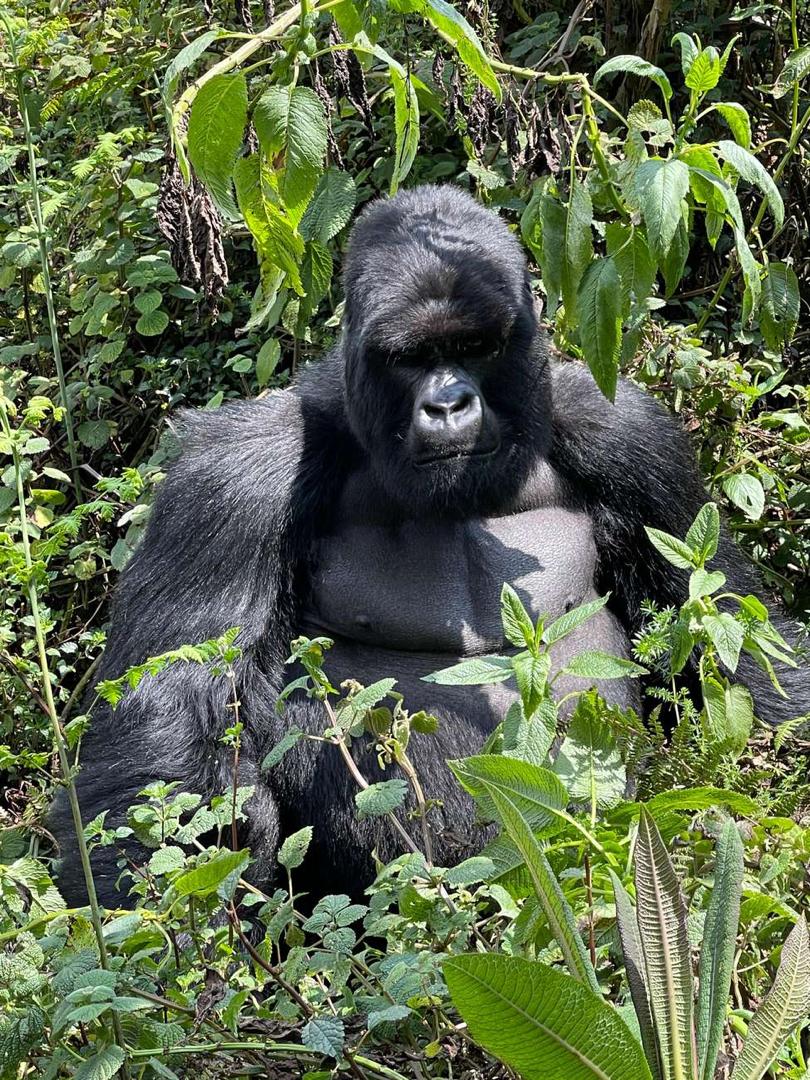
Why Rwanda’s Gorilla Tourism Is the Most Ethical in Africa?
Rwanda’s gorilla tourism is widely regarded as one of the most ethical wildlife tourism models in Africa, largely because it is built on a foundation of strict conservation policies, community involvement, and high-value, low-impact visitor management. The country has deliberately positioned itself as a premium destination, limiting visitor numbers while maximizing the benefits for conservation and local communities. This approach contrasts with mass tourism models that often prioritize volume over sustainability.
At the center of Rwanda’s gorilla tourism is Volcanoes National Park, a protected area that forms part of the larger Virunga Massif, home to endangered mountain gorillas. By tightly controlling access to this park, Rwanda ensures that the gorillas’ habitat is preserved and that human interaction does not become overwhelming or harmful. Only a limited number of permits are issued each day, which significantly reduces stress on the animals.
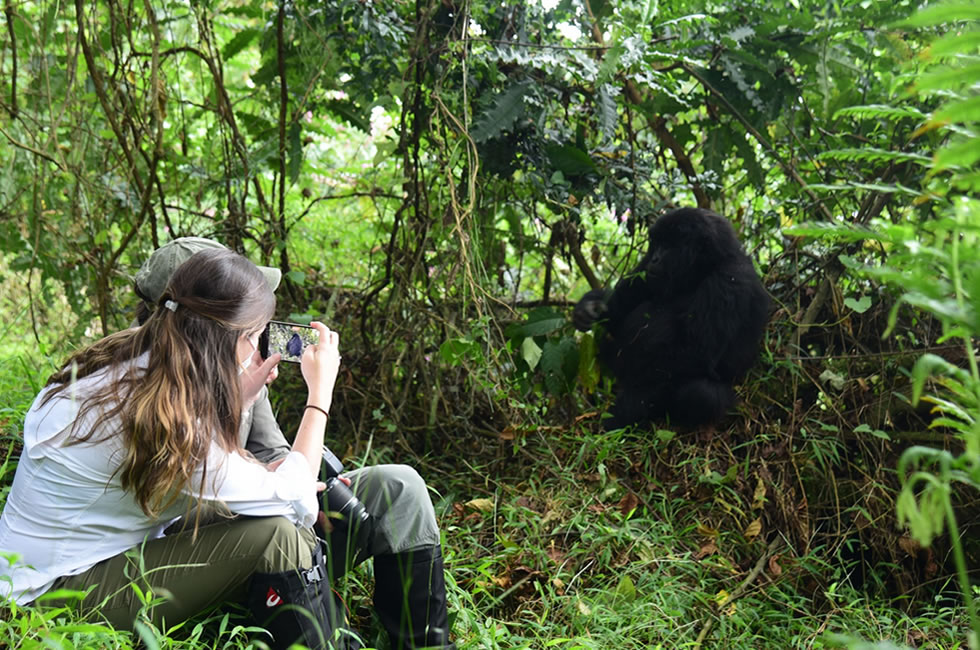
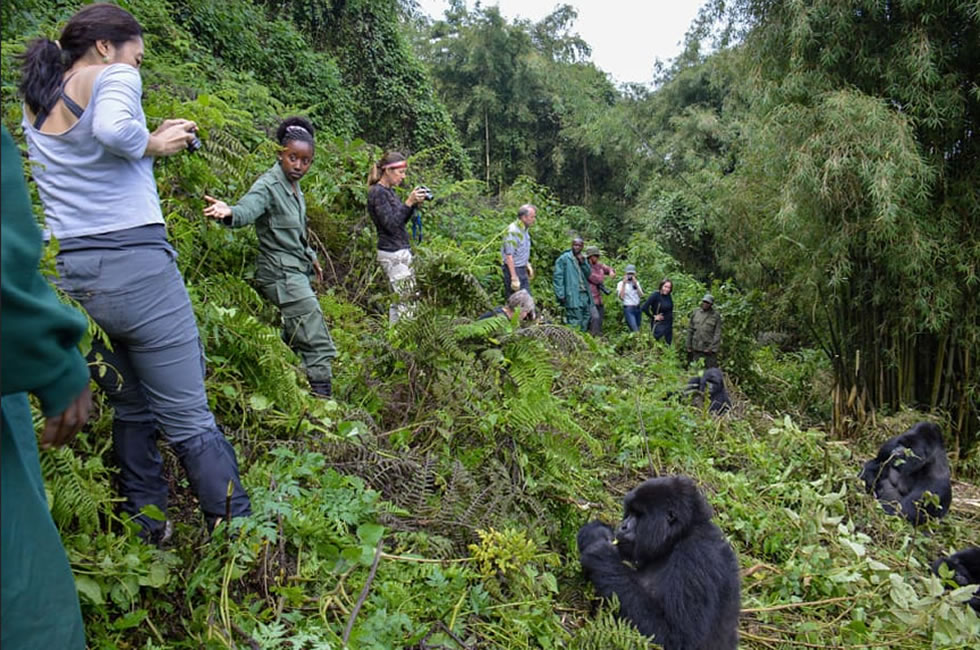
One of the most notable ethical aspects is the strict enforcement of trekking rules. Visitors must maintain a safe distance from gorillas, avoid direct eye contact, and are prohibited from visiting if they are ill. These rules are not just guidelines—they are actively enforced by trained guides and rangers. This is crucial because mountain gorillas share a high percentage of their DNA with humans and are highly susceptible to human diseases.
Rwanda’s pricing strategy also plays a key ethical role. Gorilla trekking permits in Rwanda are among the most expensive in Africa, often costing around $1,500 per person. While this may seem exclusionary, the high cost is intentional. It limits the number of visitors while generating substantial revenue that can be reinvested into conservation and community development projects.
A significant portion of the revenue from gorilla tourism is shared with local communities through a revenue-sharing program. This initiative allocates a percentage of park income to nearby villages for infrastructure, schools, healthcare, and other development projects. By directly benefiting from tourism, local communities have a strong incentive to protect gorillas and their habitat rather than exploit them.
The involvement of local communities goes beyond revenue sharing. Many residents are employed as park rangers, guides, porters, and hospitality staff. This creates alternative livelihoods that reduce reliance on activities like poaching or deforestation. Employment in tourism also fosters a sense of pride and stewardship among community members.
Rwanda has also invested heavily in anti-poaching efforts. Highly trained ranger units patrol the park daily to remove snares and monitor gorilla groups. These conservation efforts have contributed to the steady increase in mountain gorilla populations, a rare success story in wildlife conservation.
Another ethical dimension is the emphasis on research and veterinary care. Organizations like Gorilla Doctors work closely with the government to monitor gorilla health and intervene when necessary. Injured or sick gorillas receive medical attention, which significantly improves their chances of survival.
Rwanda’s tourism model is also transparent and government-led. The Rwanda Development Board oversees tourism and conservation efforts, ensuring that policies are consistently applied and revenues are properly managed. This centralized approach reduces corruption and enhances accountability.
Education and awareness are integral components of Rwanda’s ethical tourism strategy. Visitors are briefed extensively before trekking, learning about gorilla behavior, conservation challenges, and the importance of responsible tourism. This transforms tourists into advocates for conservation even after they leave.
The country has also integrated luxury eco-tourism into its model. High-end lodges operate with sustainability principles, minimizing environmental impact while providing economic benefits. These lodges often support local suppliers and employ local staff, further strengthening community ties.
Compared to other gorilla tourism destinations like Uganda and Democratic Republic of the Congo, Rwanda’s approach is more tightly controlled and less prone to political instability. This stability allows for consistent enforcement of conservation policies and a safer environment for both tourists and wildlife.
Rwanda also emphasizes habitat restoration and expansion. Efforts have been made to reforest areas around Volcanoes National Park, increasing the available habitat for gorillas and reducing human-wildlife conflict. This long-term vision is a hallmark of ethical conservation.
The country’s zero-tolerance stance on corruption further strengthens its ethical standing. Funds generated from tourism are more likely to reach their intended destinations, whether for conservation or community development, rather than being lost through mismanagement.
Rwanda’s commitment to sustainability extends to its broader environmental policies. The country is known for banning plastic bags and promoting clean environments, which indirectly benefits its national parks and wildlife.
Another factor is the personalized and small-group trekking experience. Each gorilla family is visited by a maximum of eight tourists per day, ensuring minimal disruption. This intimate approach not only protects the gorillas but also enhances the visitor experience.
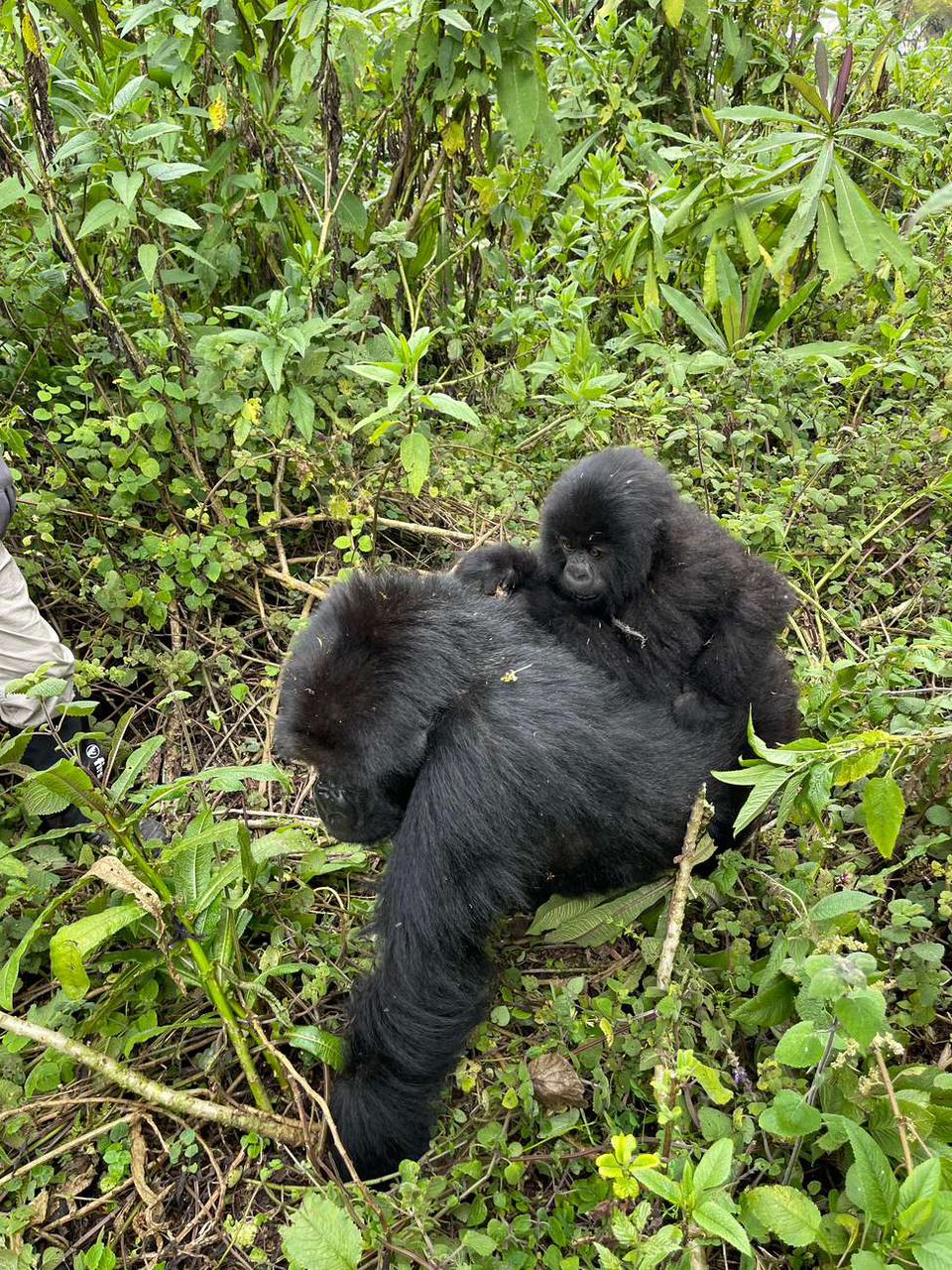
The success of Rwanda’s ethical model is evident in the growth of mountain gorilla populations. Once critically endangered, their numbers have been steadily increasing, demonstrating that tourism, when done responsibly, can be a powerful conservation tool.
In addition, Rwanda collaborates with international conservation organizations and neighboring countries to protect the broader ecosystem. This transboundary cooperation ensures that conservation efforts are not limited by political borders.
The country also promotes cultural tourism alongside wildlife experiences. Visitors are encouraged to engage with local traditions, crafts, and history, creating a more holistic and respectful tourism experience that values people as much as wildlife.
Ultimately, Rwanda’s gorilla tourism stands out because it aligns economic incentives with conservation goals. Every stakeholder—from government officials to local villagers—has a vested interest in protecting gorillas.
This model shows that ethical tourism is not just about minimizing harm but actively contributing to positive outcomes. By prioritizing conservation, community, and quality over quantity, Rwanda has created a system that benefits wildlife, people, and visitors alike. Rwanda’s approach is often cited as a benchmark for sustainable tourism worldwide. It demonstrates that with the right policies, enforcement, and community involvement, tourism can be both profitable and profoundly ethical.
CONTACT US TODAY AND TALK WITH TOUR CONSULTANT:
Call or WhatsApp: +250 794 128 369
Related Posts