
This 10-day Rwanda and Uganda Gorilla Safari is an unforgettable journey through some of East…
Rwanda Safari for Photographers and Filmmakers
Rwanda Safari for Photographers and Filmmakers: Capture the Wild Heart of Africa
Discover Rwanda Through Your Lens
Rwanda is one of Africa’s most extraordinary destinations for wildlife photography, filmmaking, nature documentaries, and visual storytelling. Known as the Land of a Thousand Hills, Rwanda combines dramatic landscapes, lush forests, volcanic mountains, pristine lakes, rich cultural heritage, and remarkable wildlife in a compact and easily accessible destination. For photographers and filmmakers looking for authentic African experiences, a Rwanda safari offers an exceptional opportunity to capture powerful images and cinematic footage in a relatively short period of time.
From the mist-covered mountains of Volcanoes National Park to the open savannahs of Akagera National Park and the ancient rainforest of Nyungwe, Rwanda provides an incredible variety of environments for visual storytelling. A well-planned Rwanda photography safari can take you from golden savannah landscapes to intimate wildlife encounters, while a dedicated filmmaking itinerary can be designed around light, animal behavior, locations, permits, logistics, and production requirements.
Whether you are a professional wildlife photographer, documentary filmmaker, travel content creator, YouTuber, nature enthusiast, or passionate amateur photographer, Rwanda gives you an opportunity to return home with images and stories that stand apart.
Why Choose Rwanda for Wildlife Photography?
Rwanda is an outstanding destination for wildlife photography in Africa because of its diverse ecosystems and excellent opportunities for close observation of wildlife. Within a relatively small geographical area, travelers can experience mountain gorillas, chimpanzees, golden monkeys, elephants, lions, leopards, buffaloes, hippos, giraffes, zebras, primates, birds, and many other species.
One of the biggest advantages of a Rwanda safari for photographers is the diversity of subjects available during a single trip. You can photograph a powerful silverback gorilla in the rainforest, a lion moving across the savannah at sunrise, a giraffe silhouetted against the evening sky, or colorful birds surrounded by lush vegetation. This diversity makes Rwanda particularly attractive to photographers who want to build a broad portfolio rather than concentrate on a single species.
Gorilla Photography in Rwanda
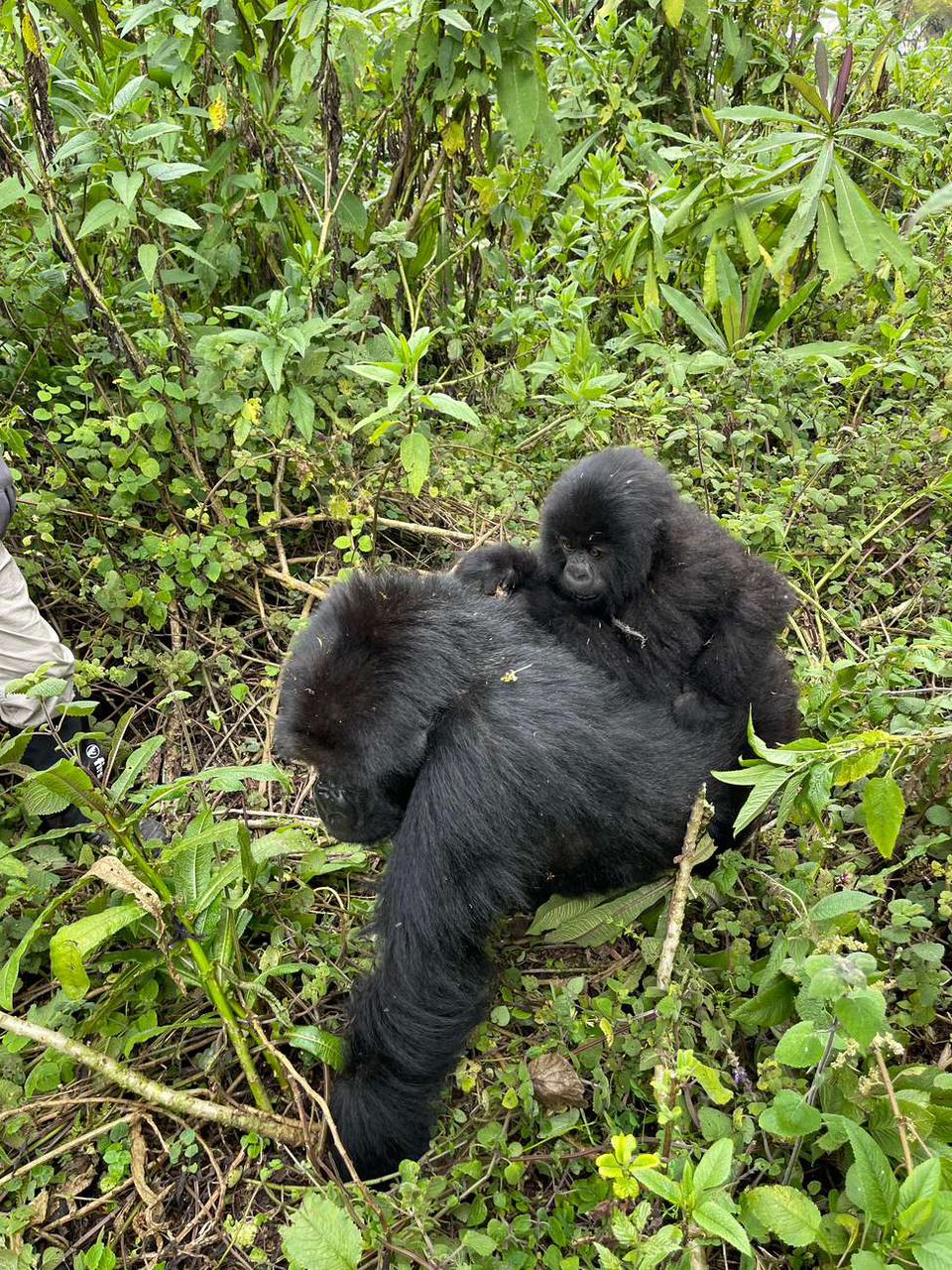
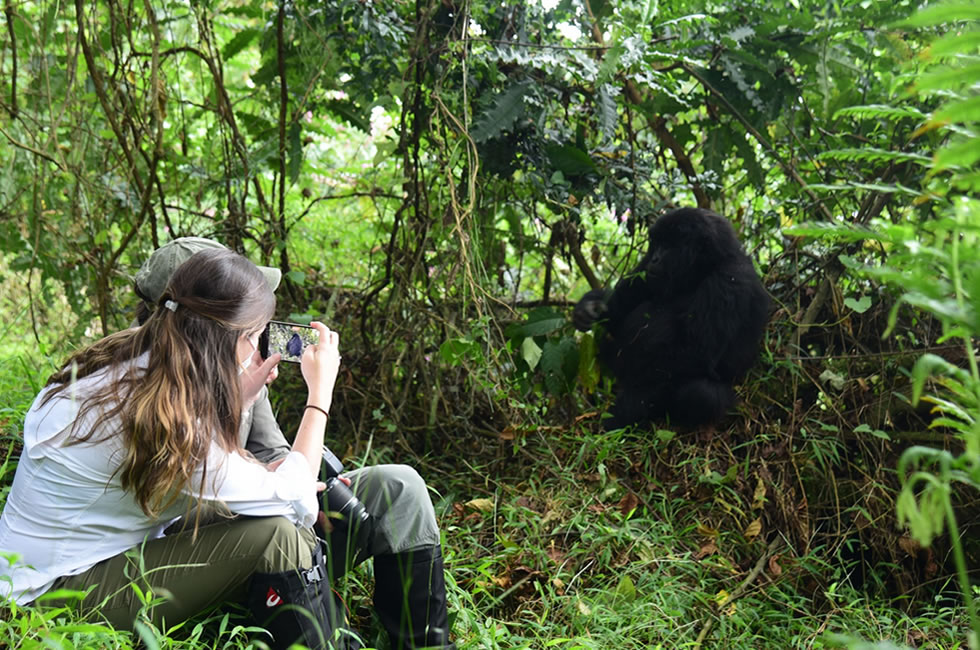
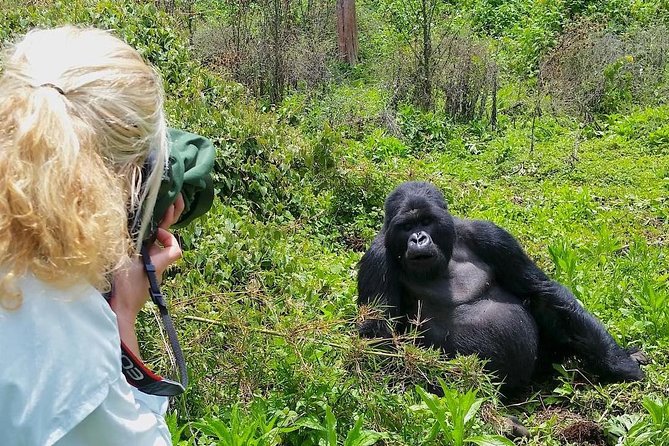
For many photographers, gorilla trekking in Rwanda is the highlight of their African adventure. Volcanoes National Park is home to endangered mountain gorillas, and spending time observing these remarkable primates in their natural environment can create some of the most memorable wildlife photographs imaginable.
Gorilla photography requires patience, respect, and careful preparation. The forest environment can be dark and challenging, with changing light conditions, dense vegetation, mist, and unpredictable animal movement. These challenges are also what make the resulting photographs so atmospheric and unique.
A professional Rwanda gorilla photography safari can be organized around your photographic priorities, including equipment preparation, trekking expectations, physical requirements, timing, and opportunities for different compositions. Your guide can help you understand animal behavior while ensuring that wildlife-viewing rules are respected.
Filming Mountain Gorillas in Rwanda
Rwanda is also a fascinating destination for wildlife filmmakers and documentary production teams. Mountain gorillas offer extraordinary storytelling possibilities because of their social behavior, family structures, communication, movement, and relationship with the surrounding forest.
Filming gorillas is different from photographing them. Video production often requires additional planning around camera equipment, movement, sound recording, stabilization, batteries, storage, and permitted filming practices. Professional production teams should plan their requirements well in advance and obtain the appropriate permissions and permits.
Our safari planning service can help filmmakers develop a practical itinerary around their production objectives, allowing sufficient time for travel, field preparation, wildlife encounters, and filming.
Akagera National Park: A Photographer’s Savannah
While Rwanda’s mountain gorillas attract international attention, Akagera National Park provides an entirely different photographic experience. Located in eastern Rwanda, Akagera is characterized by savannah plains, wetlands, lakes, woodland, and rolling landscapes.
The park is particularly rewarding for photographers interested in classic African safari imagery. Here you may encounter elephants, lions, leopards, buffaloes, giraffes, zebras, antelopes, hippos, crocodiles, and numerous bird species.
Early morning game drives can provide beautiful golden light, while late afternoon drives offer dramatic sunsets and silhouettes. Wildlife movement across open landscapes can create powerful compositions, especially when combined with Rwanda’s changing skies and distant hills.
Big Five Photography in Rwanda
For visitors interested in Big Five photography, Akagera National Park offers opportunities to search for some of Africa’s most iconic animals. Lion and elephant sightings can provide excellent photographic subjects, while leopard encounters can be particularly rewarding for patient photographers.
Wildlife is unpredictable, however, and no responsible safari company should guarantee a specific animal sighting. Instead, experienced guides work with current wildlife movements, habitat knowledge, tracks, weather, and field conditions to maximize opportunities.
The real value of a professional photographic safari is not simply finding animals. It is understanding how to position yourself, anticipate behavior, work with changing light, and create meaningful images without disturbing wildlife.
Nyungwe Forest: A Paradise for Primates and Nature Filmmakers
For photographers and filmmakers who love rainforest environments, Nyungwe National Park provides an entirely different world. The ancient forest is rich in biodiversity and is especially famous for its primates and birdlife.
Chimpanzee trekking can offer exciting opportunities for wildlife photographers interested in expressive portraits, social behavior, movement, and environmental storytelling. The forest itself is also a subject: giant trees, tangled vegetation, mist, moss-covered branches, and shafts of light create a naturally cinematic environment.
A Nyungwe photography safari can be particularly rewarding for macro photographers, bird photographers, wildlife filmmakers, and creators interested in biodiversity and conservation stories.
Chimpanzee Photography in Rwanda
Chimpanzees are highly intelligent and social animals, making them fascinating photographic subjects. Their energetic behavior can produce completely different images from those associated with gorilla trekking.
Photographers may encounter chimpanzees climbing trees, feeding, grooming, moving through vegetation, or interacting with one another. Because their movement can be fast and unpredictable, photographers should be prepared with appropriate shutter speeds and flexible camera settings.
Chimpanzee photography is also an opportunity to tell a broader conservation story. Rather than simply photographing an animal, filmmakers can document the relationship between forest ecosystems, wildlife conservation, local communities, and responsible tourism.
Golden Monkey Photography
Rwanda’s volcanic forests also provide opportunities to photograph golden monkeys, a beautiful and endangered primate species found in the Virunga region. Their distinctive coloration and energetic behavior make them excellent subjects for wildlife photographers.
Golden monkeys can be active and quick-moving, which creates opportunities for action photography. Wide-angle environmental portraits can also be effective, showing the animals within their natural bamboo and forest habitat.
For photographers building a portfolio of African primates, combining gorilla trekking with golden monkey trekking can create a diverse collection of images from the same region.
Rwanda Bird Photography Safari
Rwanda is an excellent destination for bird photography in Africa, with a wide range of habitats supporting numerous bird species. Forests, wetlands, lakes, savannah, and highland environments provide opportunities to photograph different species throughout a safari.
Bird photographers should consider carrying a long telephoto lens, a lightweight tripod or monopod when practical, spare batteries, and sufficient memory cards. A good local guide can make a significant difference by identifying bird calls, locating habitats, and understanding seasonal movements.
A dedicated Rwanda birding and photography safari can be customized for serious bird photographers who want to spend more time searching for specific species rather than following a standard tourist itinerary.
Sunrise Photography in Rwanda
Light is one of the most important elements of wildlife photography, and Rwanda offers spectacular opportunities for sunrise photography. Early mornings often bring soft, warm light across the hills, forests, wetlands, and savannah.
In Akagera, sunrise can transform the savannah into layers of gold and orange. In the volcanic region, morning mist can create atmospheric landscapes around the mountains. In Nyungwe, filtered morning light can produce dramatic rainforest scenes.
Our photography-focused itineraries can prioritize early departures when appropriate, helping photographers reach productive locations during the most valuable hours of natural light.
Sunset and Golden Hour Photography
The golden hour in Rwanda is a photographer’s dream. As the sun moves toward the horizon, wildlife can become beautifully backlit, landscapes gain warmer tones, and silhouettes become possible.
Akagera’s open landscapes are particularly suited to sunset photography. Giraffes, zebras, elephants, and antelopes can create compelling silhouettes against colorful skies.
Landscape photographers can also use Rwanda’s famous hills and volcanic scenery to create layered compositions. Combining wildlife with environmental landscapes is an excellent way to create photographs that communicate a sense of place.
Landscape Photography in the Land of a Thousand Hills
Rwanda’s nickname, the Land of a Thousand Hills, reflects one of the country’s greatest visual attractions. Rolling green hills, agricultural landscapes, winding roads, volcanic peaks, forests, and rural communities provide countless opportunities for landscape photography.
A photographic journey through Rwanda does not have to focus exclusively on wildlife. Documentary and travel photographers can capture farming communities, traditional architecture, markets, roads, lakes, mountain scenery, and everyday life.
For filmmakers, these landscapes can also function as establishing shots that provide context before introducing wildlife or human stories.
Photography and Cultural Storytelling
A strong documentary project often goes beyond wildlife. Rwanda’s people, culture, history, conservation initiatives, agriculture, and tourism development offer important storytelling opportunities.
Responsible cultural photography should always be based on respect and, where appropriate, permission. Rather than treating communities simply as photographic subjects, professional photographers can focus on genuine interactions and stories.
A well-designed Rwanda photography tour can combine wildlife, landscapes, conservation, and cultural experiences to create a richer visual narrative.
A Safari Designed Around Your Camera
A standard safari itinerary is not always suitable for a professional photographer. Photographers often need more time at specific locations, flexibility around light, and opportunities to wait for animal behavior.
That is why our Rwanda photography safaris can be tailored around your creative goals. Whether your priority is wildlife portraits, landscapes, birds, primates, conservation photography, or cinematic travel footage, the itinerary can be structured accordingly.
We can discuss your preferred camera system, target subjects, travel duration, fitness level, accommodation preferences, and creative objectives before developing your safari plan.
Safari Vehicles for Wildlife Photography
The vehicle can make a major difference to a photographer’s safari experience. Comfortable seating, good visibility, sufficient space for camera equipment, and experienced driving are all important considerations.
In Akagera National Park, game drives provide opportunities to photograph wildlife from different perspectives. Your guide can help position the vehicle while following park regulations and maintaining an appropriate distance from animals.
Photographers should also consider bringing protective bags or covers for cameras and lenses, especially when traveling through dusty environments.
Best Camera Equipment for a Rwanda Safari
Choosing camera equipment depends on your photographic style. Wildlife photographers often benefit from a long telephoto lens for distant subjects, while a medium zoom can be useful for environmental portraits and landscapes.
A wide-angle lens is valuable for landscapes, accommodation photography, and environmental wildlife images. Macro lenses can be useful for insects, plants, and smaller rainforest subjects.
Professional photographers should also carry multiple memory cards, spare batteries, chargers, cleaning equipment, rain protection, and reliable backup storage. In remote areas, having a practical data-management strategy is particularly important.
Filmmaking Equipment for a Rwanda Safari
Filmmakers should plan equipment carefully before traveling. Camera bodies, lenses, microphones, tripods, gimbals, batteries, power banks, storage devices, filters, and weather protection can quickly become heavy.
A successful wildlife film is not necessarily created by carrying the largest possible camera package. A lightweight and reliable setup can allow filmmakers to move more efficiently through forests and remain focused on the story.
Production teams should communicate their technical requirements to the safari operator in advance so that transportation, accommodation, guides, permits, and daily schedules can be coordinated effectively.
Conservation Filmmaking in Rwanda
Rwanda provides powerful opportunities for conservation filmmaking. The country’s wildlife tourism model connects visitors with protected landscapes and endangered species while supporting conservation and local communities.
A documentary project can explore themes such as mountain gorilla conservation, forest protection, wildlife restoration, community involvement, responsible tourism, and biodiversity.
For filmmakers interested in environmental storytelling, Rwanda offers the possibility of combining compelling wildlife footage with human stories and conservation narratives.
Working With Experienced Safari Guides
A knowledgeable guide can make a major difference to a photographer’s experience. Wildlife guides understand animal behavior, tracks, habitats, weather patterns, and local conditions.
For photographers, a guide should also understand the importance of patience. Sometimes the best photograph comes after waiting quietly rather than constantly moving between sightings.
For filmmakers, guides can help the production team understand the environment, anticipate wildlife movement, and navigate safely while respecting protected-area rules.
Private Rwanda Photography Safaris
A private Rwanda safari is ideal for photographers and filmmakers who want greater flexibility. Instead of following the interests and schedule of a large group, a private itinerary can be structured around your creative priorities.
You can spend more time photographing a particular animal, pause for landscapes, adjust departure times when practical, or dedicate additional days to a specific ecosystem.
Private safaris are especially valuable for professional photographers, couples traveling with extensive equipment, small production teams, and serious wildlife enthusiasts.
Rwanda Safari for Professional Photographers
Professional photographers often have specific project objectives. You may be producing a magazine feature, building a wildlife portfolio, creating commercial content, working on a conservation project, or developing a personal photography collection.
We can help plan a safari around these objectives, including destination selection, accommodation, transportation, guide services, park activities, and appropriate preparation.
The goal is to give you more than a sightseeing trip. It is to create a productive photographic field experience where every day contributes to your visual project.
Rwanda Safari for Documentary Filmmakers
Documentary filmmaking requires flexibility, patience, and detailed logistical planning. A production team may need multiple filming days in one location, backup plans for changing weather, suitable transportation, reliable communication, and adequate time for equipment preparation.
Rwanda’s relatively compact geography can be advantageous because different environments can be incorporated into one production itinerary without requiring extremely long internal journeys.
Before arrival, filmmakers should clearly communicate their project objectives and technical requirements so that the safari operator can help coordinate the experience responsibly.
Best Time for Photography and Filmmaking in Rwanda
Rwanda can be visited throughout the year, but the best timing depends on your photographic objectives. Wildlife behavior, vegetation, rainfall, trekking conditions, bird activity, and landscape appearance can vary by season.
If your priority is gorilla trekking, chimpanzee photography, bird photography, wildlife, landscapes, or filmmaking, we can help identify the most appropriate travel period for your project.
Rather than choosing a date solely because it is considered the “best season,” professional photographers should consider what they want to photograph and what kind of visual atmosphere they want to capture.
Combining Gorilla, Savannah and Forest Photography
One of the greatest advantages of a Rwanda photography safari is the possibility of combining very different environments within one trip.
A carefully planned journey might include Volcanoes National Park for gorillas and golden monkeys, Akagera National Park for savannah wildlife, and Nyungwe for chimpanzees, birds, and rainforest landscapes.
This combination can produce an incredibly diverse photographic portfolio covering primates, mammals, birds, landscapes, people, forests, mountains, wetlands, and conservation.
Photography-Friendly Accommodation
Accommodation is another important part of a successful photographic safari. Photographers and filmmakers often appreciate properties that provide comfortable rooms, reliable meals, charging facilities, internet access where available, and convenient access to national parks.
For production teams, additional considerations may include workspace for organizing equipment, secure storage, early breakfast arrangements, and flexibility around departure times.
When planning your safari, we can recommend accommodation according to your budget, location, photographic priorities, and preferred level of comfort.
Responsible Wildlife Photography
Great wildlife photography should never come at the expense of the animals. Responsible photography means following park regulations, maintaining appropriate distances, avoiding disruptive behavior, and listening carefully to guides and rangers.
The objective is not simply to get the closest photograph possible. The objective is to create meaningful images while protecting the animals and environments that make the experience possible.
As a responsible Rwanda safari company, we encourage photographers and filmmakers to prioritize wildlife welfare, conservation, and respect for local communities.
Ethical Filmmaking in Rwanda
Filmmakers have an important responsibility when working in natural environments. Production activities should not interfere with wildlife behavior or compromise conservation efforts.
Before filming, professional teams should understand applicable permits, park regulations, access requirements, and restrictions. Special projects may require additional authorization, depending on their scope and intended use.
Our team can help you understand the logistical planning required for a responsible filmmaking safari and connect your production objectives with the practical realities of working in Rwanda’s protected areas.
Why Book a Photographer-Focused Rwanda Safari?
A photographer-focused safari is different from a conventional holiday. Your time is treated as part of the creative process.
Instead of rushing from one attraction to another, the itinerary can allow space for observation, composition, changing light, wildlife behavior, and storytelling.
Whether you are looking for the perfect gorilla portrait, a cinematic savannah sequence, an atmospheric rainforest shot, or a complete documentary story, your safari can be built around what you want to create.
Create Your Own Rwanda Photography Adventure
Every photographer sees Rwanda differently. One person may want dramatic landscapes and mountain gorillas. Another may want birds and rainforest wildlife. A filmmaker may want a conservation story that moves from communities to forests and wildlife.
That is why we offer customized Rwanda safari itineraries for photographers and filmmakers rather than forcing every traveler into the same experience.
Tell us what you want to photograph or film, how many days you have, your preferred travel dates, your budget, and your creative objectives. We can then help design an itinerary that matches your vision.
From First Light to Final Frame
Imagine beginning your day before sunrise, traveling through the quiet landscapes of Rwanda as the first light touches the hills. Later, you enter the forest and spend time observing one of Africa’s most remarkable primates. Another day might take you across Akagera’s savannah in search of elephants, lions, giraffes, and birds.
In the evening, you return with memory cards filled with images and footage, ready to back up your day’s work while the African landscape changes color outside. This is more than a holiday. It is a visual journey through one of Africa’s most extraordinary destinations.
Book Your Rwanda Photography and Filmmaking Safari
Your next photographic story could begin in Rwanda.
Whether you are planning a Rwanda wildlife photography tour, gorilla photography safari, African filmmaking expedition, bird photography trip, private wildlife safari, documentary production journey, or professional photography adventure, our team can help organize an experience tailored to your creative goals.
We can assist with itinerary planning, private transportation, experienced guides, national park visits, accommodation, wildlife experiences, photography-focused scheduling, and production logistics.
Contact us today to start planning your Rwanda safari for photographers and filmmakers.
Tell us your preferred travel dates, number of travelers, photography or filmmaking goals, and approximate trip duration. Our team will help you create a personalized Rwanda safari designed around your lens, your story, and your vision.
Capture Rwanda. Tell Its Story. Take the Wild Home. Book your Rwanda photography safari today and experience the Land of a Thousand Hills through your own lens. With Unique Africa Ventures, You Explore Like Never Before!
For more Info, CONTACT US TODAY AND TALK WITH TOUR CONSULTANT:
Call or WhatsApp: +250 794 128 369
Email: info@uniqueafricaventures.com
Related Posts