
This 10-day Rwanda and Uganda Gorilla Safari is an unforgettable journey through some of East…
Rwanda Safari Travel Tips from Local Experts
Rwanda Safari Travel Tips from Local Experts
Rwanda is one of Africa’s most rewarding safari destinations, offering an extraordinary combination of mountain gorilla trekking, Big Five wildlife safaris, chimpanzee tracking, golden monkey encounters, rainforest adventures, scenic landscapes, cultural experiences, and warm Rwandan hospitality. Often called the “Land of a Thousand Hills,” Rwanda is compact enough to explore efficiently while still offering remarkably different ecosystems. A well-planned Rwanda safari can take you from the volcanic mountains of Volcanoes National Park to the savannahs of Akagera National Park, the ancient rainforest of Nyungwe National Park, and the peaceful shores of Lake Kivu. Local planning makes a major difference because the best safari experience is not simply about visiting famous attractions—it is about choosing the right activities, travel dates, accommodation, transport, and itinerary for your interests.
1. Choose Your Rwanda Safari Experience Carefully
Before booking a Rwanda safari tour, decide what you most want to experience. If meeting endangered mountain gorillas is your dream, Volcanoes National Park should be at the heart of your itinerary. If you are looking for classic African wildlife, Akagera National Park offers game drives with opportunities to see elephants, buffalo, lions, rhinos, giraffes, zebras, hippos, and many other species. Nyungwe is ideal for travelers interested in chimpanzee tracking, primates, rainforest scenery, and canopy walks. You can also combine several parks for a more complete Rwanda wildlife safari. Local tour planners can help match your interests, fitness level, available travel time, and budget with the right itinerary rather than selling you a standard package.
2. Book Your Gorilla Trekking Permit in Advance
Gorilla trekking is Rwanda’s most sought-after wildlife experience, so advance planning is essential. The Rwandan Government Agency in charge of tourism currently lists the standard foreign visitor mountain gorilla tracking permit at US$1,500, while different rates apply to eligible Rwandan, East African, African, and resident categories. The minimum age for gorilla tracking is 15. Because permits are tied to specific dates and bookings are handled on a first-come, first-served basis, travelers should secure their permits before finalizing flights and accommodation. A professional Rwanda tour operator can coordinate the permit, transport, lodge, guide, and trekking arrangements so that you do not have to manage every detail yourself.
3. Understand What Gorilla Trekking Is Really Like
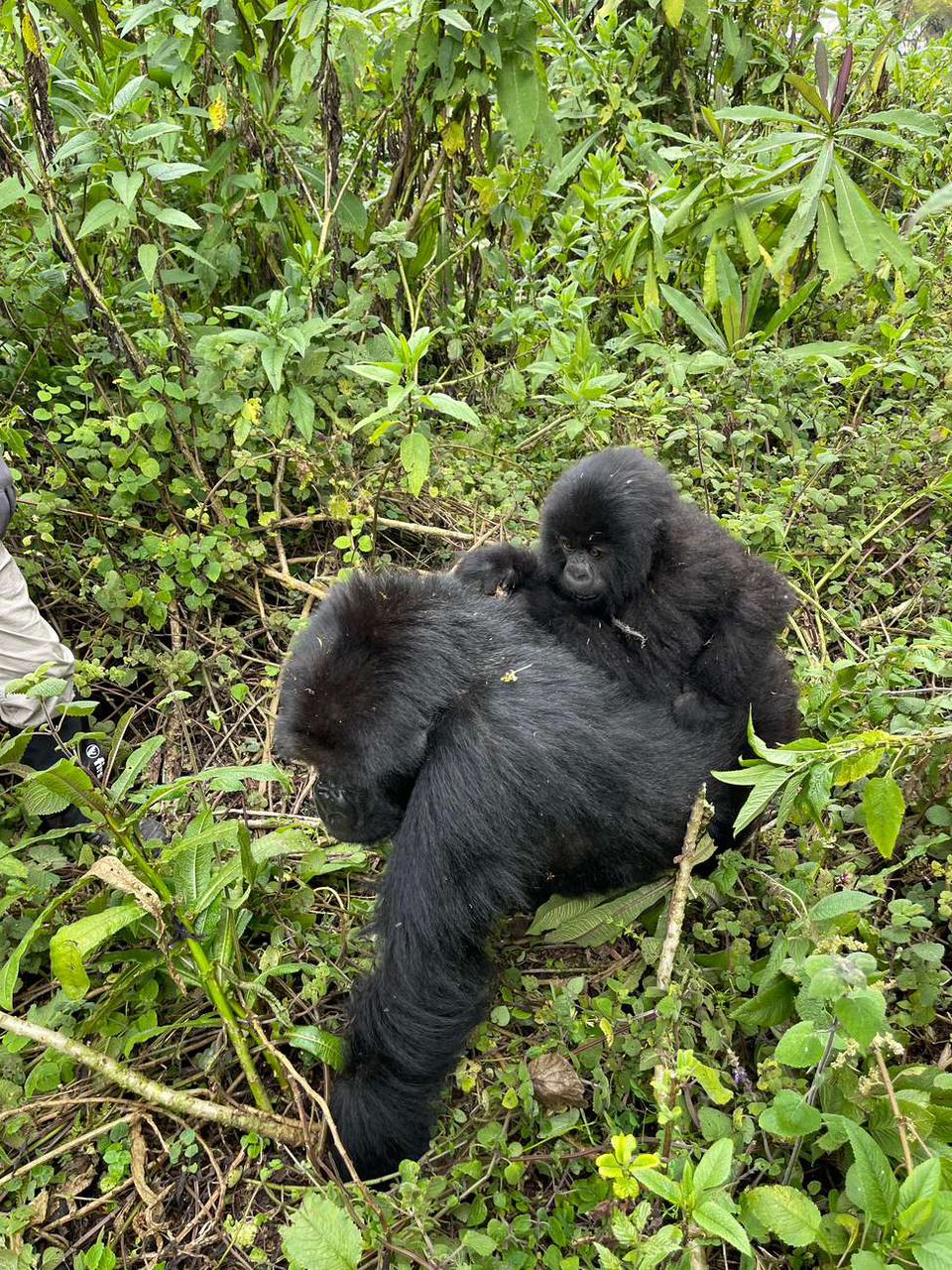
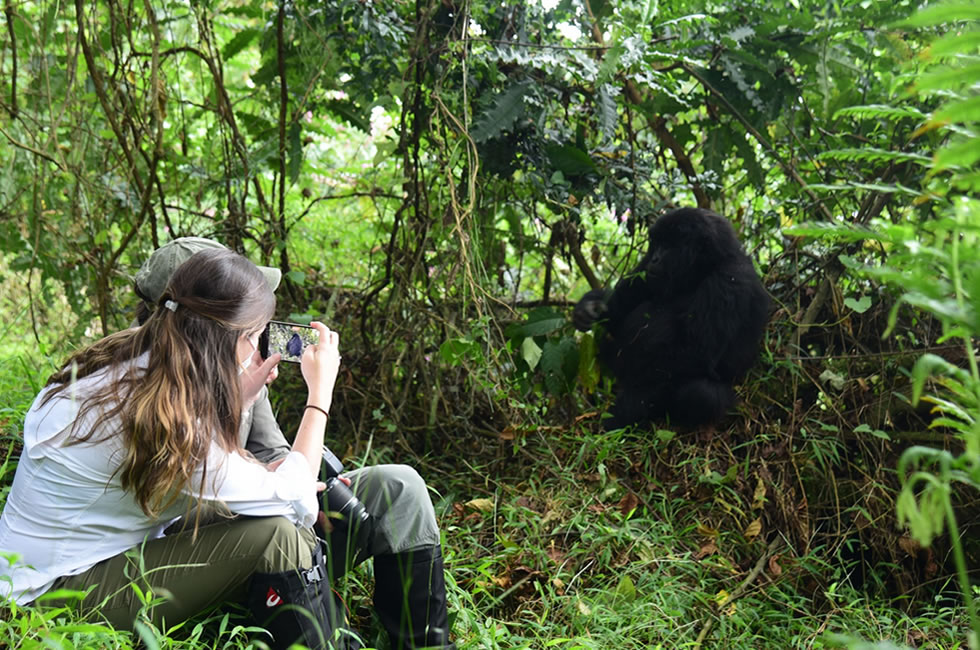
Gorilla trekking is an authentic wilderness experience rather than a traditional safari drive. You may walk through steep volcanic terrain, dense vegetation, muddy trails, and changing weather before reaching a habituated gorilla family. Trekking duration varies depending on where the gorillas are located that day, so physical preparation is important. Once you find the gorillas, viewing time is limited to one hour, and visitor groups are restricted in size. Rwanda’s official guidance also asks visitors to maintain a seven-meter distance from gorillas and avoid visiting when suffering from contagious illnesses. These rules protect both travelers and the gorillas and are an important part of responsible gorilla tourism in Rwanda.
4. Prepare Physically for the Volcanoes
You do not need to be an elite athlete to go gorilla trekking, but you should be comfortable walking for several hours over uneven ground. Start preparing several weeks before your trip by walking regularly, using stairs, hiking on slopes, and improving your general endurance. If you have limited mobility, tell your Rwanda safari company before booking so the team can discuss suitable options and expectations. The local guides understand the terrain and can help you move at a manageable pace. Good preparation allows you to concentrate on the incredible experience rather than worrying about the physical challenge.
5. Pack for Changing Rwanda Weather
Rwanda’s weather can change quickly, particularly in mountainous and rainforest regions. A practical safari packing list should include lightweight clothing, comfortable waterproof hiking boots, a rain jacket or poncho, insect repellent, sunscreen, a small daypack, binoculars, camera equipment, personal toiletries, and necessary travel documents. Visit Rwanda recommends keeping luggage relatively light and specifically highlights waterproof hiking footwear, rain protection, binoculars, cameras, sunscreen, insect repellent, and a lightweight daypack for safari travelers. Layering is particularly useful because mornings can feel cool while afternoons may become warm.
6. Choose the Right Time to Visit Rwanda
Rwanda can be visited throughout the year, but different seasons suit different safari activities. The commonly recommended drier periods are June to September and December to February, while the wetter periods can provide lush scenery and excellent conditions for birdwatching. Gorilla trekking remains possible in different weather conditions, but muddy trails can make hiking more demanding during periods of heavier rain. Your preferred activity should therefore influence your travel dates. Instead of asking only, “When is the best time to visit Rwanda?”, ask, “What do I most want to see and do?” That answer will lead to a better safari itinerary.
7. Add Akagera National Park for a Classic Wildlife Safari
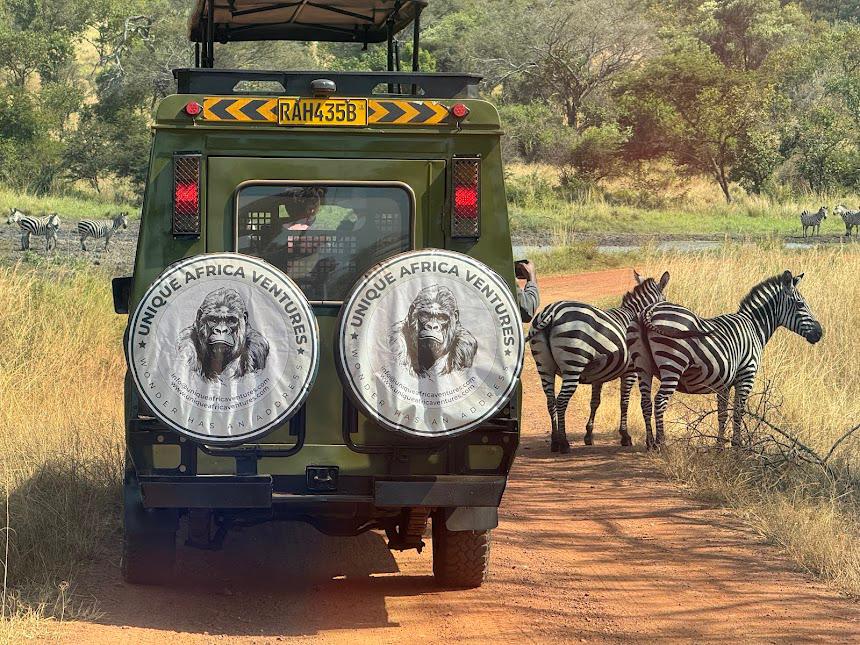
Travelers who want the traditional African safari experience should strongly consider adding Akagera National Park to their Rwanda itinerary. Located in eastern Rwanda, Akagera combines savannah, wetlands, lakes, and woodland habitats. The park is now home to the Big Five—lion, leopard, elephant, buffalo, and rhino—along with giraffes, zebras, hippos, crocodiles, antelopes, and an impressive variety of birds. Game drives offer a completely different experience from gorilla trekking, making Akagera an excellent addition for travelers who want both primates and classic African wildlife.
8. Consider a Boat Safari in Akagera
A boat safari adds another dimension to a Rwanda wildlife tour. Rather than viewing animals from a safari vehicle, travelers can explore the waterways and observe hippos, crocodiles, waterbirds, and animals coming to drink along the shoreline. The slower pace also provides excellent opportunities for photography and birdwatching. Ask your tour operator whether a boat experience fits your itinerary and travel dates. Combining a game drive with a boat safari can make a short Akagera visit feel much more varied and rewarding.
9. Explore Nyungwe for Chimpanzee Tracking
If mountain gorillas are Rwanda’s headline attraction, Nyungwe National Park is one of the country’s great destinations for chimpanzee and primate enthusiasts. The ancient rainforest is home to chimpanzees and numerous other primates, along with exceptional birdlife and forest scenery. Nyungwe is located in southwestern Rwanda and offers experiences including chimpanzee tracking, forest walks, and canopy adventures. Travelers who enjoy nature, photography, birdwatching, and rainforest experiences should consider spending several nights in this region rather than rushing through it.
10. Do Not Underestimate the Beauty of Rwanda’s Scenic Drives
One of the pleasures of a Rwanda road safari is the journey itself. The country’s mountainous landscape creates beautiful viewpoints, terraced hillsides, villages, forests, lakes, and winding roads. Moving between destinations can therefore become part of the safari experience rather than simply transportation. Local guides can point out places that international visitors might otherwise pass without noticing. If photography is important to you, discuss your interests with your driver-guide so that the itinerary can include suitable scenic stops without compromising scheduled park activities.
11. Visit Lake Kivu for a Relaxing Finish
After several days of trekking and wildlife viewing, Lake Kivu offers a peaceful way to slow down. A lakeside stay can provide time for relaxation, boat excursions, scenic walks, local food, and beautiful sunsets. Lake Kivu also works well as an addition to longer Rwanda itineraries that combine Volcanoes, Nyungwe, or Kigali. A good tour company should build enough downtime into your schedule rather than filling every day with activities. The best Rwanda safari is not necessarily the one with the most attractions—it is the one that gives you enough time to appreciate each experience.
12. Include Kigali in Your Rwanda Safari
Kigali is more than simply an arrival and departure point. The city provides an introduction to modern Rwanda through its neighborhoods, markets, restaurants, museums, cultural attractions, and memorial sites. Many travelers choose to spend one or two nights in Kigali before beginning their safari. This also gives you a buffer against unexpected flight delays and allows you to start the wildlife portion of your trip feeling rested. A local guide can help you experience Kigali beyond the standard tourist route and provide useful context about Rwanda’s history and contemporary development.
13. Choose Accommodation Based on Your Safari Goals
Rwanda offers everything from comfortable city hotels and boutique properties to luxury safari lodges, forest accommodations, and community-focused stays. When selecting accommodation, consider location as carefully as price. Staying near the park entrance can reduce early-morning driving and make your trekking day easier. For gorilla trekking, proximity to Volcanoes National Park can be particularly valuable because visitors are required to report to the registration center in the morning. Rwanda’s official gorilla tracking information states that reporting at visitor information/registration centers begins at 07:00. A local tour company can recommend properties that balance comfort, location, service, and budget.
14. Hire a Professional Local Driver-Guide
A knowledgeable driver-guide can transform a good Rwanda holiday into an exceptional one. Local guides understand park procedures, road conditions, wildlife behavior, cultural etiquette, trekking logistics, and the best ways to organize each day. They can also help you adjust plans when weather or wildlife movements change. When choosing a Rwanda safari company, look beyond attractive photographs and low prices. Ask about guide experience, vehicle condition, park permits, accommodation standards, emergency support, airport transfers, and what is actually included in the quotation. Reliable local expertise gives you greater peace of mind throughout the journey.
15. Ask What Your Rwanda Safari Package Includes
Before paying a deposit, carefully review your quotation. A safari package may include airport transfers, private transportation, accommodation, meals, park entry fees, activities, guide services, and permits—but not every company includes the same items. Ask specifically whether gorilla permits, chimpanzee permits, game drives, boat trips, accommodation, meals, fuel, driver-guide services, and airport transfers are included. This avoids unpleasant surprises after arrival. A professional tour company should provide a transparent itinerary and explain additional costs clearly before you confirm your booking.
16. Plan a Multi-Park Rwanda Safari
If your schedule allows, combining Rwanda’s major destinations can create an unforgettable African holiday. A popular combination is Kigali + Volcanoes National Park + Akagera National Park, while travelers with more time can add Nyungwe National Park and Lake Kivu. Each destination provides something different: gorillas in the volcanic mountains, Big Five wildlife in the savannah, chimpanzees in the rainforest, and relaxation around the lake. Rwanda’s relatively compact geography makes multi-destination travel practical, although you should allow enough time for road transfers and meaningful experiences at each location.
17. Take Advantage of Eligible Low-Season Gorilla Discounts
Travelers looking for value should investigate current official promotional conditions rather than assuming that gorilla trekking always costs the same for everyone. Rwanda’s official booking system currently lists a low-season discount program for eligible combined itineraries involving Akagera and/or Nyungwe, with specific requirements and dates. The official information states that the low-season program applies from November through May and can provide a 30% discount when the required additional park stays and activities are booked. Because promotional conditions can change, confirm the rules and eligibility with the Rwanda Development Board or your tour operator before advertising a particular discount in a booking package.
18. Travel Responsibly and Support Conservation
A Rwanda safari is an opportunity to contribute to conservation and local communities. Responsible tourism means following park regulations, respecting wildlife distances, avoiding litter, listening to guides, and treating local communities with respect. Rwanda’s gorilla tourism model places strong emphasis on conservation and community benefits, while the country’s national parks protect important habitats and wildlife. Choose a safari company that works responsibly with local guides, accommodation providers, communities, and conservation authorities. Your travel choices can help make tourism a positive force for Rwanda’s wildlife and people.
19. Respect Gorilla Photography Rules
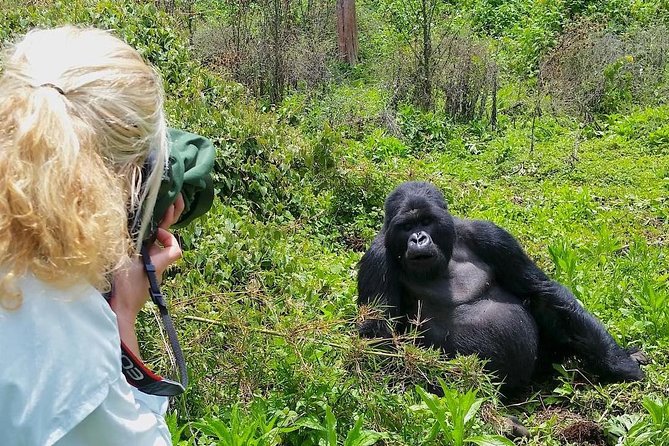
Photographing mountain gorillas can be one of the most memorable parts of a Rwanda safari, but travelers should prioritize the animals over getting the perfect photograph. Use appropriate camera settings before approaching the gorilla family so that you are not constantly adjusting equipment during the encounter. Follow your ranger’s instructions about distance, movement, sound, and positioning. Rwanda’s official guidance specifically asks visitors to keep their voices low, avoid rapid movements, cover their mouths when coughing, and follow guide instructions if a gorilla approaches or vocalizes. The goal should be to observe respectfully rather than interfere with natural behavior.
20. Bring Binoculars Even If You Are Not a Birdwatcher
Binoculars are one of the most useful pieces of equipment for a Rwanda safari. They allow you to observe distant animals, birds, monkeys, and wildlife behavior without disturbing the animals. They are particularly valuable during Akagera game drives and Nyungwe forest experiences. Visit Rwanda also recommends binoculars as part of a practical safari packing list. If you enjoy photography, binoculars can complement your camera by allowing you to identify distant species before deciding where to point your lens.
21. Leave Space for Cultural Experiences
Wildlife should not be the only focus of your Rwanda holiday. Rwanda’s culture, food, music, crafts, agriculture, and communities add depth to a safari. Consider including a local cultural experience, coffee or tea visit, community interaction, traditional performance, or guided city experience where appropriate. Cultural tourism is most meaningful when it is organized respectfully and gives visitors genuine opportunities to learn rather than simply observe. Ask your tour company how community experiences are organized and how local participants benefit.
22. Keep Your Safari Itinerary Comfortable
One common mistake is trying to fit too much into too few days. A rushed itinerary can involve early departures, long drives, strenuous trekking, and little time to rest. Instead, build a realistic schedule around your most important activities. If gorilla trekking is your priority, arrive in the Volcanoes region early enough to relax and prepare. If you are combining gorillas with Akagera and Nyungwe, allow adequate travel time between regions. A good local operator will design a route that feels like a holiday rather than an endurance test.
23. Consider a Private Rwanda Safari
Private safaris are ideal for couples, families, photographers, honeymooners, and travelers who value flexibility. A private vehicle allows you to adjust departure times, photography stops, meal breaks, and sightseeing according to your preferences. Families can also choose accommodation and activities that suit different ages. Although private tours may cost more than group departures, the additional flexibility and personal attention can provide better value for travelers with specific interests. Ask your tour company about private Rwanda safari packages if you want a personalized experience.
24. Rwanda Is Excellent for Honeymoon Safaris
A Rwanda honeymoon safari combines adventure with romance. Couples can spend a few days exploring Kigali, trek to see mountain gorillas, enjoy luxury accommodation near Volcanoes National Park, experience wildlife in Akagera, and finish with a relaxing stay around Lake Kivu. Private transportation, carefully selected lodges, scenic experiences, and flexible schedules can make the journey feel especially personal. A local safari company can also arrange special touches such as private dinners, honeymoon room arrangements, photography, and surprise experiences, subject to the accommodation provider’s services.
25. Plan Family Safaris Around Age Restrictions
Families should check age requirements before choosing safari activities. Gorilla trekking in Rwanda has a minimum age of 15, according to the Rwandan Government Agency in charge of tourism. However, families with younger children can still enjoy a wide range of experiences, including wildlife viewing, cultural activities, scenic journeys, and age-appropriate nature experiences. A family-friendly tour operator can build an itinerary that keeps children engaged while giving adults opportunities to enjoy Rwanda’s wildlife and landscapes.
26. Prepare Your Documents Before Arrival
Keep your passport, visa documentation where applicable, travel insurance information, vaccination documentation required for your journey, accommodation confirmations, safari itinerary, and emergency contacts organized before departure. For gorilla permits, ensure that the personal information submitted during booking matches your travel documents. Rwanda’s official booking information emphasizes accurate applications and notes that visitor documents are checked at park entry gates. Your safari company should also confirm which documents are required for your specific nationality and itinerary.
27. Choose a Safari Company That Communicates Clearly
Good communication is one of the strongest signs of a reliable tour operator. Before booking, notice how quickly and clearly the company answers your questions. A professional Rwanda safari company should be able to explain your itinerary, permit arrangements, accommodation, transport, inclusions, exclusions, cancellation terms, and payment schedule. Beware of vague quotations or unusually low prices that do not clearly explain what is included. Your safari is a significant investment, so transparency should be part of the service from the first inquiry.
28. Book Your Rwanda Safari With Local Experts
The best Rwanda safari is one that matches your personal travel goals. Whether you dream of standing quietly in the forest with mountain gorillas, watching lions cross the Akagera plains, tracking chimpanzees through Nyungwe, hiking volcanic mountains, or relaxing beside Lake Kivu, local expertise can help turn that dream into a practical itinerary. A professional local tour company can coordinate permits, accommodation, transportation, guides, park activities, airport transfers, and special experiences while giving you the flexibility to enjoy Rwanda at your own pace.
29. Suggested Rwanda Safari Itinerary Ideas
For travelers with limited time, a 3-day Rwanda gorilla trekking safari can focus on Kigali and Volcanoes National Park. A 5-day itinerary can combine Kigali, gorilla trekking, and Akagera or another complementary experience. A 7-day Rwanda safari can provide a richer combination of Volcanoes, Akagera, Kigali, and Lake Kivu. Travelers with 9–12 days can consider adding Nyungwe National Park for chimpanzee tracking and rainforest exploration. These are starting points rather than fixed programs; the best itinerary should be customized according to your arrival time, interests, fitness, budget, and preferred accommodation.
30. Why Book a Rwanda Safari With a Local Tour Company?
Booking with a local Rwanda safari company gives you access to people who understand the country from the inside. Local specialists can help you select the right parks, arrange permits, recommend accommodations, coordinate drivers and guides, monitor logistical details, and provide assistance during your trip. More importantly, they can add the human connection that makes travel memorable. Instead of simply checking attractions off a list, you can experience Rwanda through people who know its landscapes, wildlife, culture, roads, seasons, and communities.
Start Planning Your Rwanda Safari Today
Rwanda is ready to welcome travelers who want something more meaningful than an ordinary holiday. From the misty slopes of Volcanoes National Park and unforgettable gorilla trekking in Rwanda to the wildlife-rich plains of Akagera, the ancient forests of Nyungwe, vibrant Kigali, and beautiful Lake Kivu, every region offers a different reason to explore. Whether you are planning a Rwanda safari tour, gorilla trekking holiday, Rwanda wildlife safari, honeymoon safari, family safari, private safari, or multi-park African adventure, our local experts can create a journey around your priorities.
Ready to experience Rwanda? Contact us today for a personalized Rwanda safari itinerary, current permit information, accommodation options, and a tailored quotation. Tell us your preferred travel dates, number of travelers, interests, and budget—and let us design an unforgettable Rwanda safari for you. With Unique Africa Ventures, You Explore Like Never Before!
For more Info, CONTACT US TODAY AND TALK WITH TOUR CONSULTANT:
Call or WhatsApp: +250 794 128 369
Email: info@uniqueafricaventures.com
Related Posts