
Unforgettable Rwanda and Uganda Safari Holidays Discover the incredible landscapes, wildlife, cultures, and unforgettable adventures…
Gorilla Trekking in Rwanda for Solo Travelers Ultimate Guide 2026-2027
For solo travelers seeking one of the most profound wildlife experiences on Earth, gorilla trekking in Rwanda offers an unforgettable combination of adventure, personal reflection, conservation, and cultural discovery. Rwanda has established itself as one of Africa’s premier ecotourism destinations, and trekking to see mountain gorillas in their natural habitat is the country’s most famous attraction. Unlike group tours that can sometimes feel rushed or overly structured, traveling alone allows you to immerse yourself fully in the experience, connect with fellow adventurers, and move at your own pace. Many solo travelers describe gorilla trekking not merely as a wildlife excursion but as a deeply emotional encounter that changes their perspective on nature and humanity.
The heart of Rwanda’s gorilla trekking experience is Volcanoes National Park, located in the northwestern part of the country near the borders of Uganda and the Democratic Republic of Congo. This protected area is part of the larger Virunga Conservation Region, home to the critically endangered mountain gorilla population. The park’s lush rainforest, bamboo forests, volcanic peaks, and mist-covered slopes create a breathtaking setting that feels almost magical. For solo travelers, arriving at the park often brings a sense of anticipation, knowing that within a few hours they may be standing just meters away from one of humanity’s closest relatives.
One of the greatest advantages of traveling alone for gorilla trekking is the ease of joining organized trekking groups. Rwanda’s trekking system assigns visitors to small groups based on fitness level and interest. Even if you arrive without companions, you will be placed with other travelers and guided by expert trackers and rangers. This creates a welcoming environment where solo travelers can meet people from around the world while still enjoying the independence of a solo journey. Many friendships begin during the shared excitement of hiking through the forest in search of gorillas.
The trekking experience typically begins very early in the morning. Visitors gather at the park headquarters for a briefing conducted by park officials. During this session, guides explain trekking rules, safety procedures, conservation efforts, and gorilla behavior. Solo travelers often appreciate these briefings because they provide valuable insights into the biology and social structure of gorilla families. Learning about the individual groups before entering the forest helps create a deeper appreciation for the encounter that lies ahead.
The trek itself can vary significantly in difficulty. Some gorilla families are located relatively close to the park entrance, requiring only a short hike, while others may involve several hours of climbing through steep, muddy terrain. Solo travelers should prepare physically before their trip, as the mountainous landscape can be demanding. However, the effort is rewarded many times over. Walking through ancient forests, listening to birdsong, and observing the changing vegetation creates an adventure that is memorable even before the gorillas are found.
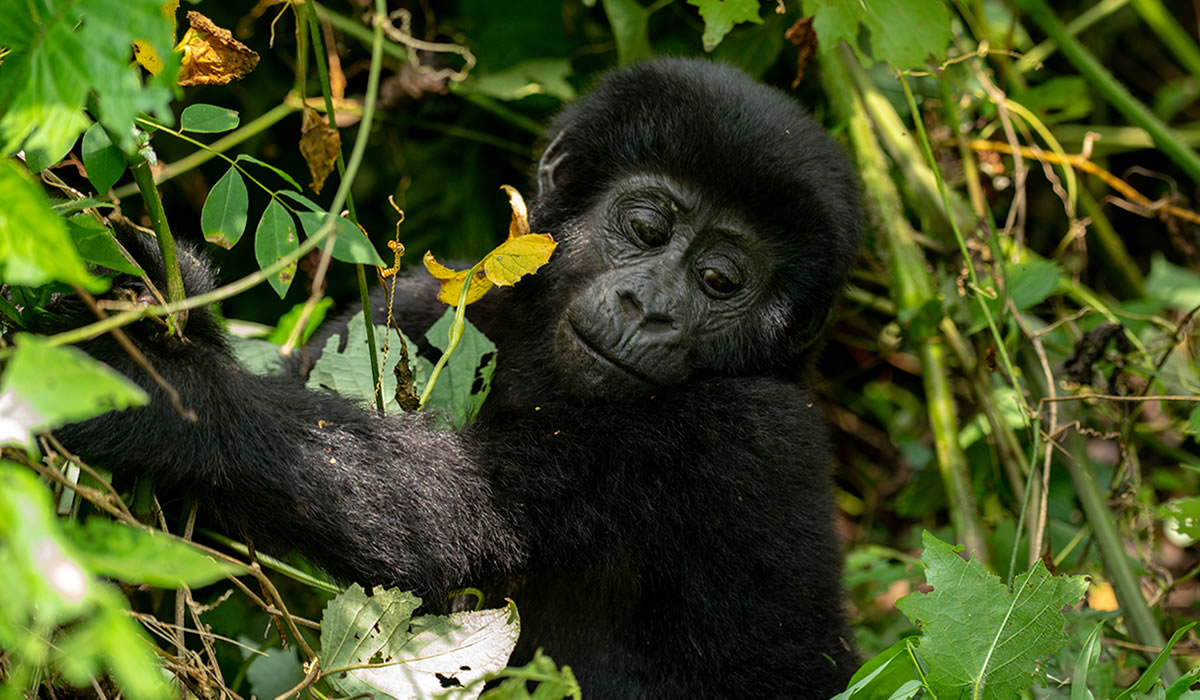
One of the most exciting moments occurs when trackers signal that the gorilla family has been located. At this point, visitors leave walking sticks and large bags behind and quietly approach the animals. The final few minutes before the first sighting are often filled with nervous excitement. Then suddenly, through the dense vegetation, a massive silverback may appear sitting calmly among the leaves. The emotional impact of this moment is difficult to describe. Many solo travelers report feeling a mixture of awe, humility, and gratitude as they witness these magnificent creatures in the wild.
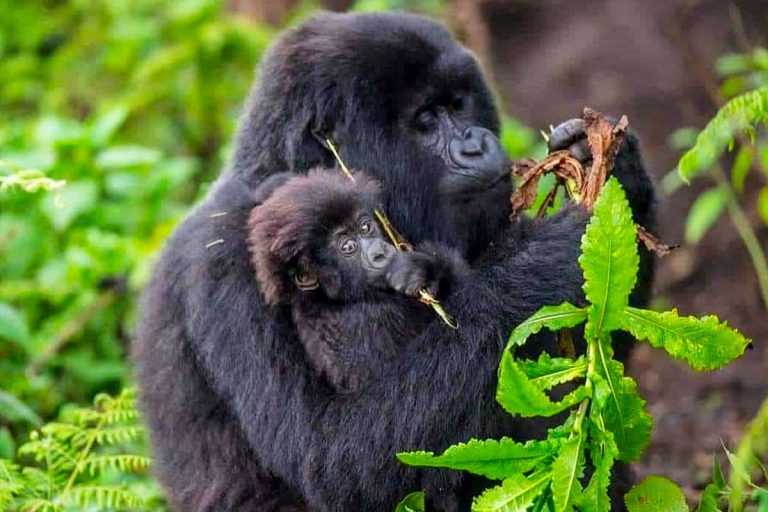
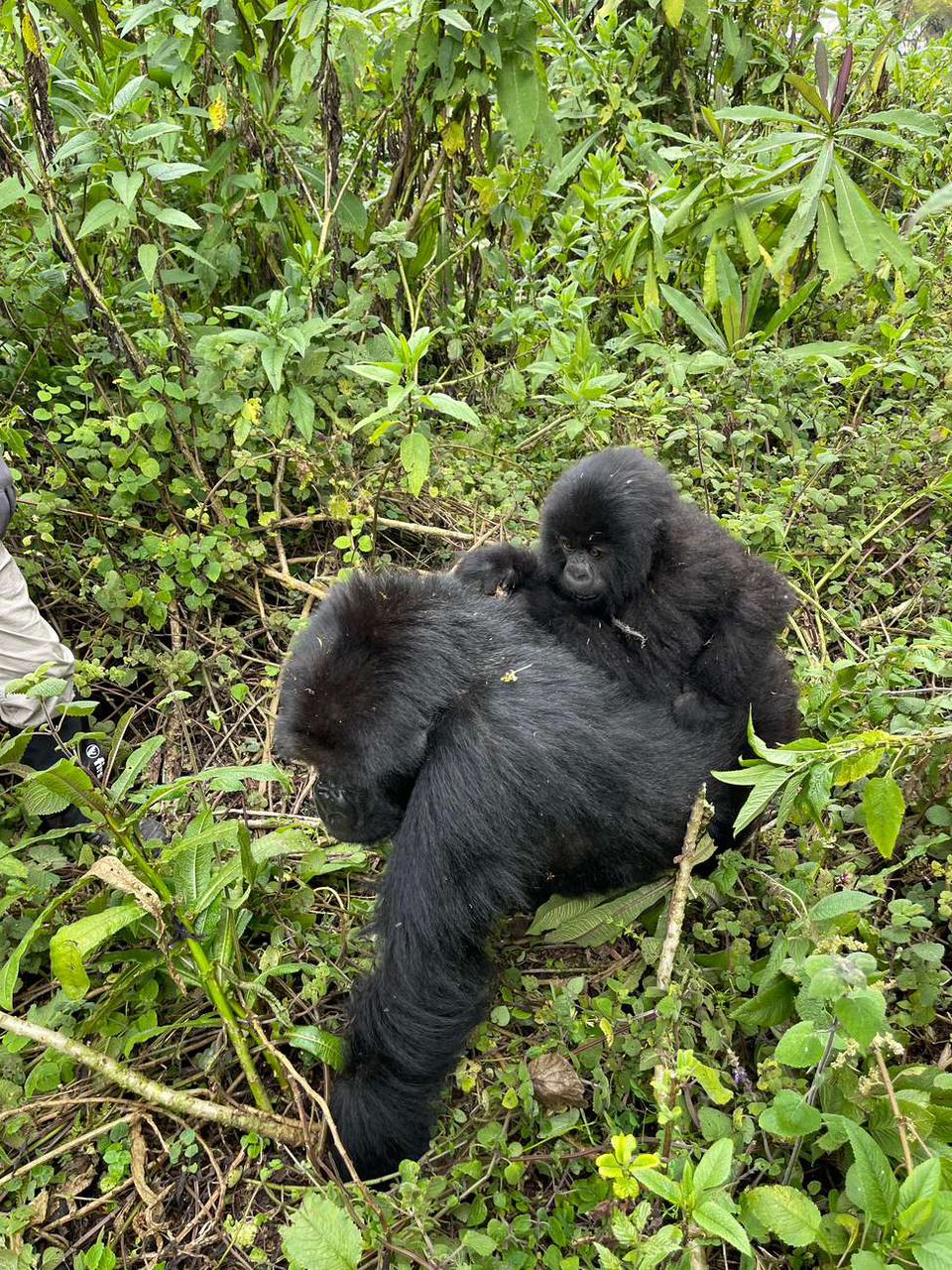
The one-hour observation period with the gorillas is carefully regulated to protect the animals and minimize stress. During this time, visitors can observe a wide range of natural behaviors. Young gorillas may play and wrestle with each other, mothers care for infants, and dominant silverbacks monitor the group with quiet authority. Because mountain gorillas share approximately 98 percent of their DNA with humans, their expressions, gestures, and family interactions often seem remarkably familiar. Solo travelers frequently find themselves deeply moved by these similarities.
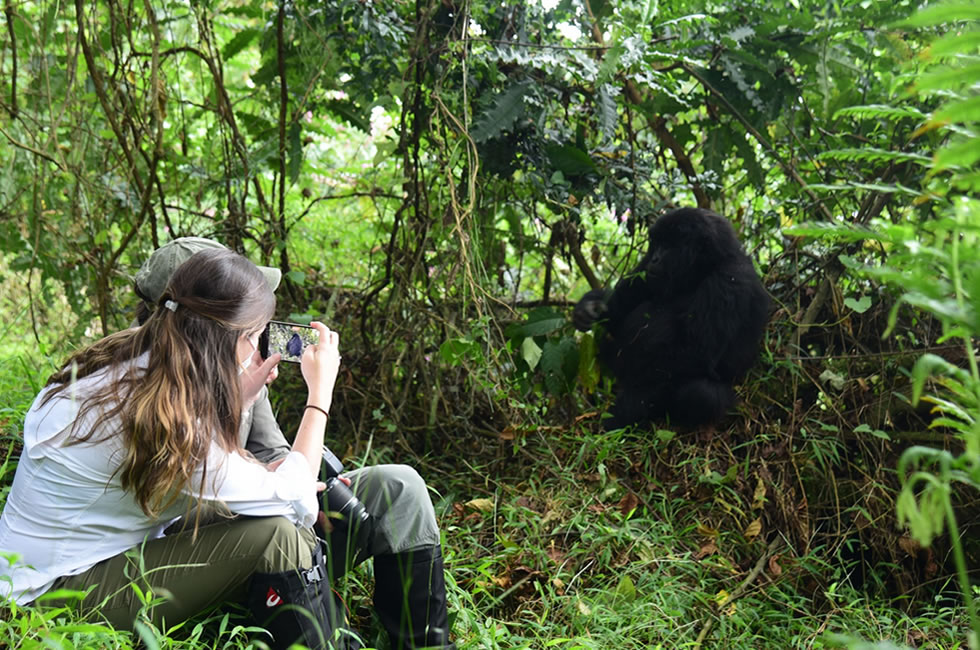
Photography is an important part of the experience, especially for independent travelers documenting their journeys. Rwanda’s gorilla trekking conditions can be challenging for photographers due to low light levels beneath the forest canopy. Cameras with good low-light performance and fast lenses are highly recommended. At the same time, travelers should remember that some of the most meaningful moments may not be captured through a lens. Taking time simply to observe and appreciate the gorillas can create memories that last far longer than photographs.
Safety is often a concern for people considering solo travel in Africa, but Rwanda has earned a reputation as one of the safest countries on the continent. The country maintains clean cities, well-developed tourism infrastructure, and strong security measures. Solo travelers, including women traveling alone, frequently report positive experiences throughout Rwanda. The organized nature of gorilla trekking, combined with professional guides and park rangers, contributes to a secure environment that allows visitors to focus on enjoying the adventure.
Budgeting is an important consideration for independent travelers. Rwanda’s gorilla trekking permits are among the most expensive wildlife permits in the world. However, the fees directly support conservation initiatives, anti-poaching efforts, habitat protection, community development projects, and scientific research. Many travelers view the permit cost not simply as a tourism expense but as a meaningful contribution to the long-term survival of mountain gorillas. Understanding the conservation impact often adds greater significance to the experience.
Accommodation options near Volcanoes National Park cater to a wide range of budgets and travel styles. Solo travelers can choose from luxury lodges, eco-lodges, boutique guesthouses, and budget-friendly accommodations. Staying close to the park allows visitors to enjoy stunning views of the volcanic landscape and easy access to trekking activities. Many lodges also organize communal dinners and cultural experiences, creating opportunities for solo travelers to socialize with other guests.
Beyond gorilla trekking, Rwanda offers numerous attractions that can enrich a solo travel itinerary. The vibrant capital city, Kigali, is known for its cleanliness, safety, and growing arts scene. Visitors can explore local markets, museums, coffee shops, and cultural centers. Spending a few days in Kigali before or after the trek provides valuable context about Rwanda’s history, resilience, and rapid development. Solo travelers often find the city welcoming and easy to navigate.
Many visitors also choose to visit Kigali Genocide Memorial. This important site offers a powerful and educational experience that helps travelers understand the country’s tragic past and remarkable recovery. While emotionally challenging, the memorial provides valuable insight into modern Rwanda and its commitment to reconciliation and national unity. For solo travelers seeking meaningful cultural experiences, it is often considered an essential stop.
Nature enthusiasts may extend their journey to Nyungwe National Park, famous for its ancient rainforest, chimpanzee trekking opportunities, and canopy walkways. Exploring Nyungwe allows solo travelers to experience a different side of Rwanda’s biodiversity. The park’s extensive trail network provides opportunities for hiking, birdwatching, and wildlife observation in a tranquil environment far from crowded tourist destinations.
Another remarkable destination is Akagera National Park, which offers classic African safari experiences including lions, elephants, giraffes, zebras, and hippos. Combining gorilla trekking with a traditional safari creates a well-rounded wildlife adventure. Solo travelers often appreciate the contrast between the intimate forest encounter with gorillas and the expansive savannah landscapes of Akagera.
One of the unique aspects of solo gorilla trekking is the opportunity for personal reflection. The quiet moments spent hiking through misty forests, observing wildlife, and interacting with local communities often encourage introspection. Without the distractions of traveling companions, many solo travelers become more present and attentive to their surroundings. The encounter with mountain gorillas frequently inspires thoughts about conservation, environmental responsibility, and humanity’s connection to the natural world.
Community tourism plays a vital role in Rwanda’s conservation model. Local communities benefit directly from tourism revenue, creating strong incentives to protect wildlife and natural habitats. Solo travelers can participate in cultural village visits, traditional dance performances, handicraft workshops, and local farming experiences. These activities help visitors develop a deeper understanding of Rwandan culture while supporting sustainable economic development.
The best times for gorilla trekking are generally during Rwanda’s dry seasons, which typically occur from June to September and from December to February. During these periods, trails are less muddy and hiking conditions are often more comfortable. However, gorilla trekking is available year-round, and each season offers unique advantages. Rainy periods can bring lush landscapes, fewer visitors, and dramatic photographic opportunities. Solo travelers with flexible schedules may find these quieter months especially rewarding.
Packing appropriately is crucial for a successful trek. Essential items include waterproof hiking boots, long-sleeved clothing, rain gear, gardening gloves for gripping vegetation, insect repellent, sunscreen, and sufficient water. A small daypack is useful for carrying personal items during the hike. Since weather conditions can change rapidly in the mountains, layering clothing is highly recommended. Being well-prepared allows solo travelers to focus fully on the experience rather than worrying about discomfort.
Ultimately, gorilla trekking in Rwanda represents far more than a wildlife activity. It is a rare opportunity to encounter one of the world’s most endangered and intelligent species in a setting of extraordinary natural beauty. For solo travelers, the journey offers freedom, adventure, personal growth, and meaningful connections with both people and nature. Standing quietly in the rainforest as a mountain gorilla gazes back from only a few meters away is an experience that transcends ordinary travel. Long after returning home, many travelers remember that moment as one of the most powerful and transformative encounters of their lives. With Unique Africa Ventures, You Explore Like Never Before!
For more Info, CONTACT US TODAY AND TALK WITH TOUR CONSULTANT:
Call or WhatsApp: +250 794 128 369
Related Posts