
Affordable Rwanda Safari Adventures Rwanda is one of Africa’s most rewarding destinations for travelers who…
What Are Alternative Activities Over Gorilla trekking in Rwanda? What’s if I Don’t Found Gorillas?
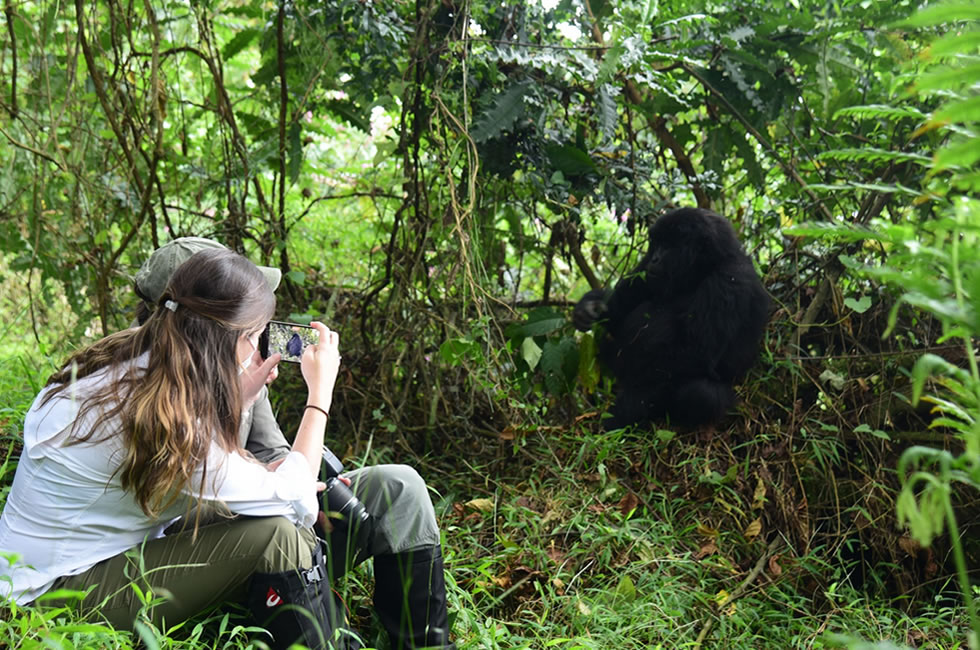
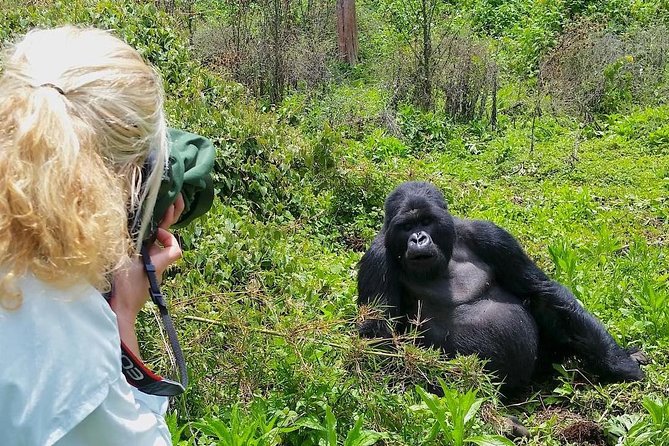
If you don’t see gorillas in Rwanda, your trip is not ruined—it simply becomes a different kind of adventure. Rwanda is internationally famous for mountain gorilla trekking in Volcanoes National Park, and many travelers arrive with images of standing face-to-face with one of the world’s most endangered primates. Because of that reputation, some visitors worry that missing a gorilla trek means missing the essence of Rwanda. In reality, Rwanda offers a remarkably diverse experience that extends far beyond a single wildlife encounter. The country’s landscapes, culture, history, game safari, beach relaxation, conservation efforts, and welcoming communities can leave just as strong an impression as a gorilla sighting.
One reason travelers sometimes do not see gorillas is that they choose not to participate in a trek. Gorilla permits are expensive and often represent the largest single cost of a Rwandan safari. For visitors traveling on a tighter budget, spending hundreds or thousands of dollars on a permit may not be practical. While gorilla trekking is a unique experience, deciding not to do it does not diminish the value of a trip. Many travelers discover that Rwanda’s cultural attractions, lakes, forests, and cities provide memorable experiences at a fraction of the cost.
Others may plan to see gorillas but encounter unexpected circumstances. Weather conditions, travel delays, health issues, or permit availability can occasionally disrupt carefully arranged itineraries. Mountain gorilla trekking involves hiking through steep, forested terrain, and conditions can be physically demanding. Some visitors arrive expecting an easy walk and realize that the trek may exceed their comfort level. In such situations, choosing an alternative activity can be the wiser and safer decision.
A trip without gorillas can create opportunities to explore Rwanda more deeply. The capital city, Kigali, is often considered one of Africa’s cleanest and most organized urban centers. Visitors can spend days exploring local markets, cafés, art galleries, and community projects. The city offers a fascinating blend of modern development and traditional culture. Walking through Kigali reveals a country focused on innovation, sustainability, and rebuilding through unity.
Many travelers find that visiting the Kigali Genocide Memorial becomes one of the most impactful parts of their journey. The memorial provides insight into the 1994 genocide against the Tutsi and the remarkable process of reconciliation that followed. While emotionally challenging, the experience helps visitors understand Rwanda’s recent history and appreciate the resilience of its people. For many, this deeper understanding creates a more meaningful connection with the country than any wildlife encounter could provide.
Rwanda’s natural beauty extends far beyond gorilla habitats. The stunning shores of Lake Kivu offer relaxation, water sports, and breathtaking scenery. Stretching along Rwanda’s western border, the lake is one of Africa’s largest freshwater lakes. Visitors can enjoy boat rides, kayaking, swimming, and lakeside walks while taking in spectacular views of surrounding hills and islands. The peaceful atmosphere provides a completely different experience from the excitement of wildlife trekking.
Those interested in forests and biodiversity can visit Nyungwe National Park, one of Africa’s oldest rainforests. The park is home to numerous primate species, including chimpanzees and colobus monkeys. Its famous canopy walkway allows visitors to walk high above the forest floor while observing birds, butterflies, and dense vegetation. Even travelers who miss gorillas often discover that Rwanda’s forests contain countless fascinating species worthy of attention.
Chimpanzee trekking is another exciting alternative. Unlike gorillas, chimpanzees are highly energetic and constantly moving through the forest canopy. Tracking them requires a different type of adventure, often involving listening for vocalizations and following guides through dense vegetation. Many visitors enjoy the unpredictability and excitement of observing these intelligent primates in their natural environment.
Rwanda is also an excellent destination for birdwatching. The country hosts hundreds of bird species across its forests, wetlands, lakes, and savannas. Enthusiasts often travel specifically to Rwanda to observe rare and endemic birds. Even travelers without extensive birding knowledge can appreciate the vibrant colors and distinctive calls encountered throughout the country. Birdwatching encourages a slower pace of travel and reveals details that many tourists might otherwise overlook.
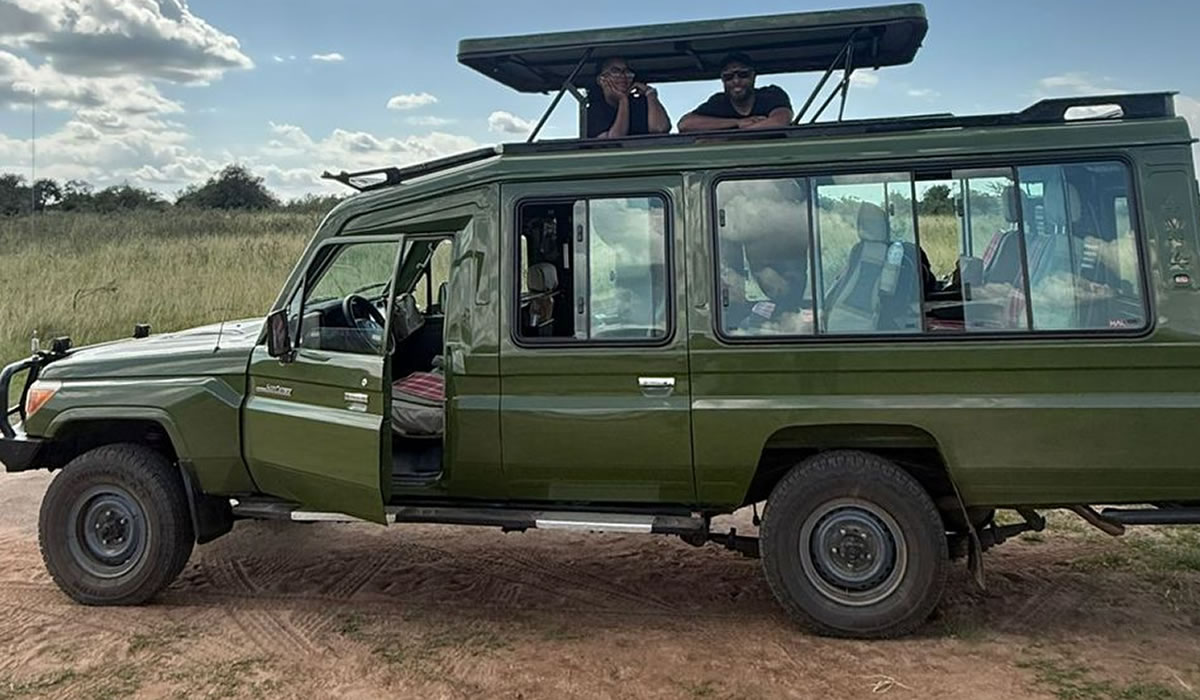
For safari lovers, Akagera National Park offers a completely different wildlife experience. Once heavily affected by conflict and habitat loss, the park has undergone a remarkable conservation recovery. Today visitors can see elephants, lions, giraffes, zebras, buffaloes, hippos, crocodiles, and numerous antelope species. A game drive through Akagera demonstrates that Rwanda’s wildlife story extends far beyond gorillas.
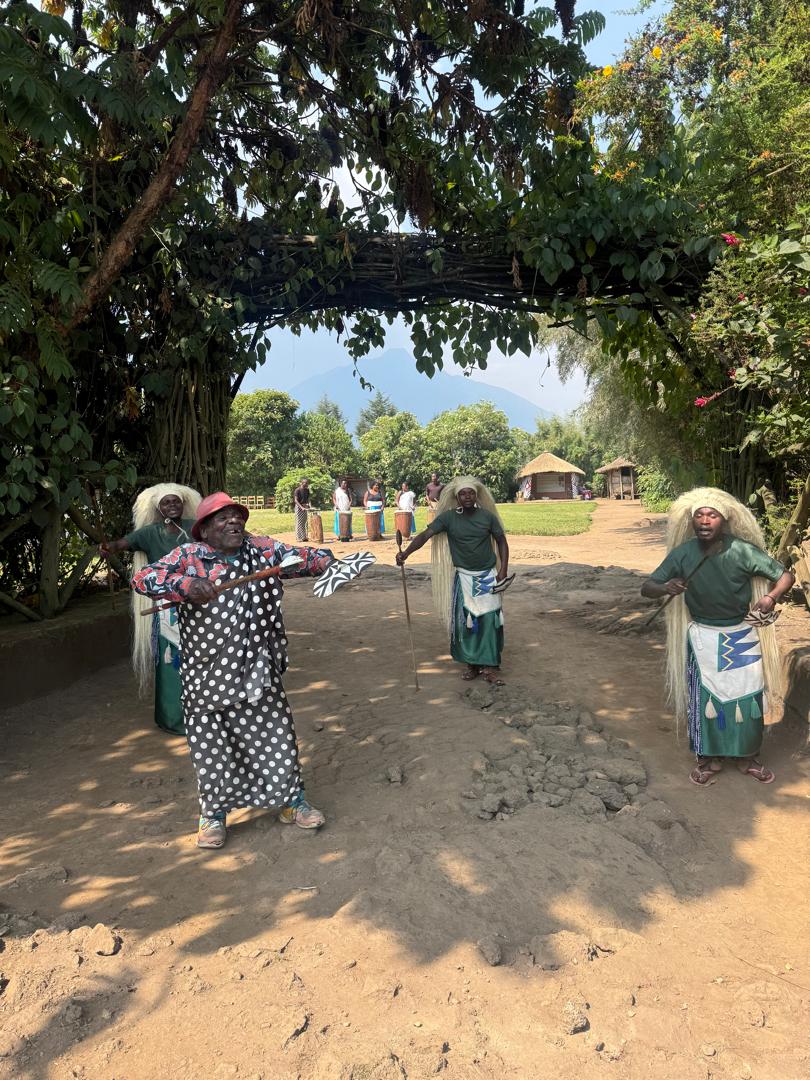
Another unexpected reward of skipping gorilla trekking is the opportunity for greater interaction with local communities. Village visits, cultural performances, traditional farming experiences, and artisan workshops provide direct insight into everyday Rwandan life. Travelers often remember conversations with local residents long after returning home. These personal encounters create authentic memories that cannot be replicated by wildlife viewing alone.
The country’s rolling landscapes are another attraction in their own right. Rwanda is frequently called the “Land of a Thousand Hills,” and the nickname becomes immediately understandable when traveling through its countryside. Endless green hills, terraced farms, and winding roads create some of Africa’s most beautiful scenery. Simply driving between destinations often becomes an unforgettable part of the journey.
Food and coffee enthusiasts can also discover a rich side of Rwanda. The nation has earned international recognition for its high-quality coffee production. Visiting coffee farms allows travelers to learn about cultivation, harvesting, processing, and roasting. Tasting freshly brewed Rwandan coffee while overlooking the hills where it was grown creates a memorable connection between agriculture, culture, and landscape.
Travelers who miss gorillas sometimes find themselves spending more time exploring Rwanda at a slower pace. Instead of focusing on a single bucket-list activity, they can appreciate smaller moments: watching fishermen on Lake Kivu at sunrise, chatting with shopkeepers in Kigali, hiking through tea plantations, or enjoying a quiet evening in a mountain lodge. These experiences often reveal aspects of Rwanda that many visitors overlook.
There is also value in understanding that wildlife sightings can never be guaranteed anywhere in the world. Even in destinations famous for particular animals, nature operates on its own terms. While mountain gorilla trekking in Rwanda has an exceptionally high success rate, the spirit of travel involves embracing uncertainty. Sometimes the experiences that emerge unexpectedly become the most meaningful stories from a journey.
Many visitors arrive believing that gorillas are Rwanda’s greatest treasure and leave realizing that the country’s greatest strength may actually be its people. Rwanda’s commitment to conservation, education, community development, and national unity is visible throughout the country. The warmth and hospitality extended to visitors frequently become highlights of the trip.
In the end, not seeing gorillas in Rwanda does not mean missing Rwanda. Gorillas are undoubtedly extraordinary animals and a powerful symbol of conservation success. However, Rwanda is much more than a gorilla destination. Its history, culture, wildlife, landscapes, lakes, forests, and communities combine to create a rich and multifaceted travel experience. A visitor who never sees a gorilla can still leave with a deep appreciation for Rwanda and memories that last a lifetime. In some cases, missing the expected highlight encourages travelers to discover unexpected treasures—and those discoveries often become the most rewarding part of the journey. With Unique Africa Ventures, You Explore Like Never Before!
For more Info, CONTACT US TODAY AND TALK WITH TOUR CONSULTANT:
Call or WhatsApp: +250 794 128 369
Related Posts