
Affordable Rwanda Safari Adventures Rwanda is one of Africa’s most rewarding destinations for travelers who…
How Difficult Is Gorilla Trekking? Fitness Level & Trail Types Explained
Gorilla trekking is often described as a once-in-a-lifetime wildlife experience, but many people underestimate the physical demands involved. The reality is that its difficulty varies widely depending on location, terrain, weather, and your personal fitness level. Trekking to see mountain gorillas in regions like Bwindi Impenetrable National Park or Volcanoes National Park can range from a relatively manageable hike to a strenuous, muddy climb through dense jungle.
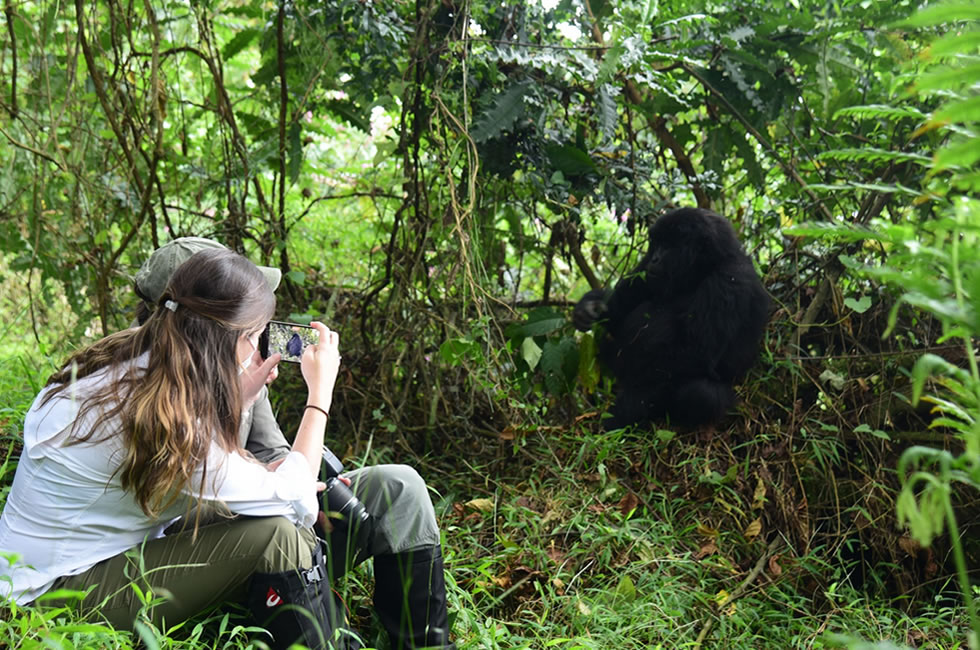
The first factor influencing difficulty is terrain. Gorilla habitats are typically located in mountainous, forested regions with uneven ground, thick vegetation, and steep slopes. Trails are not always well-defined; in fact, much of the trek involves cutting through undergrowth with the help of guides. This means you’re often stepping over roots, ducking under branches, and navigating slippery paths.
Elevation is another key challenge. Many gorilla trekking destinations sit at altitudes between 2,200 and 3,000 meters (7,200–9,800 feet). At these heights, the air is thinner, which can make even moderate exertion feel more intense. For travelers not accustomed to high altitudes, this can lead to quicker fatigue and shortness of breath.
Weather conditions also play a major role in how difficult the trek feels. Rainforests, by definition, receive frequent rainfall. Even during the so-called dry season, sudden showers can occur, turning trails into muddy, slippery routes. This adds to the physical effort required and increases the risk of slipping.
The duration of a gorilla trek is unpredictable. It can take anywhere from one hour to over six hours to locate a gorilla family. The trackers go ahead early in the morning to locate the gorillas, but because these animals move freely, their exact position can change significantly. This uncertainty means you must be prepared for both short and long treks.
Your assigned gorilla group can also affect difficulty. Some families are known to roam in higher, more remote areas, requiring longer and steeper hikes. Others may stay closer to park boundaries, resulting in shorter, easier treks. Park authorities often try to match groups with visitors’ fitness levels, but this is not guaranteed.
In terms of fitness level, you don’t need to be an elite athlete, but a moderate level of fitness is essential. If you can comfortably handle a few hours of hiking on uneven terrain, you’re likely capable of completing a trek. However, those who lead a very sedentary lifestyle may find it particularly challenging.
Strength and balance are just as important as cardiovascular fitness. Trekking poles are often provided and can be extremely helpful for maintaining stability on steep or muddy slopes. Porters are also available and highly recommended—they can carry your bag and assist you through difficult sections of the trail.
Age is not necessarily a limiting factor. People in their 60s and even 70s have successfully completed gorilla treks. What matters more is your overall health and mobility. If you have knee problems, joint issues, or respiratory conditions, you should consult a doctor beforehand.
Trail types vary depending on the park and region. In Mgahinga Gorilla National Park, for example, the terrain tends to be more mountainous and open, while Virunga National Park offers a mix of volcanic slopes and dense forest. Each presents its own set of challenges and scenic rewards.
The vegetation density can’t be overlooked. In places like Bwindi, often referred to as “impenetrable,” the forest lives up to its name. You may find yourself pushing through thick vines and bushes, which can slow progress and add to the physical effort required.
Another aspect of difficulty is mental endurance. Trekking without a clear endpoint can be psychologically demanding. Not knowing how much farther you have to go requires patience and a positive mindset. Guides play a crucial role in keeping morale high and ensuring safety.
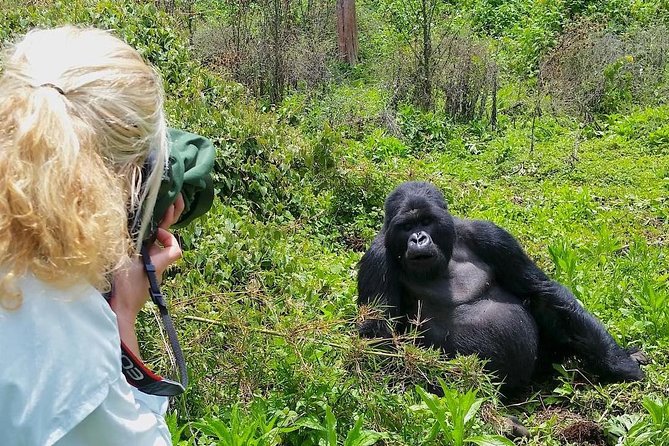
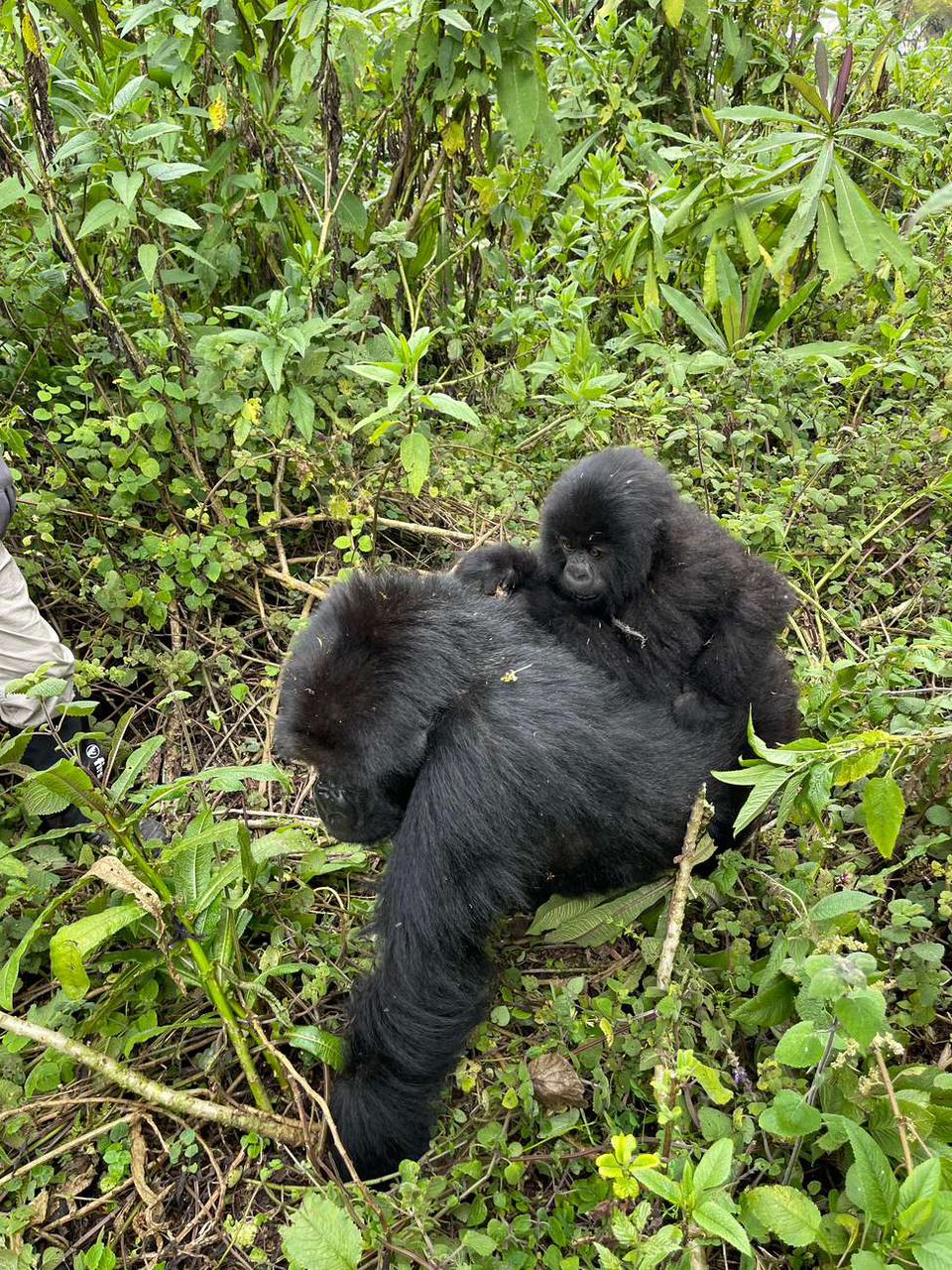
Despite these challenges, the reward at the end is extraordinary. Spending even one hour observing a gorilla family in their natural habitat is a powerful, emotional experience. Watching their social interactions up close often makes the physical effort feel entirely worthwhile.
Preparation can significantly reduce the perceived difficulty. Regular walking, hiking, or cardio exercise in the weeks leading up to your trip can improve your endurance. Practicing on hills or uneven terrain can also help simulate trekking conditions.
Proper gear is equally important. Sturdy hiking boots with good grip, long-sleeved clothing, gloves, and waterproof layers can make a huge difference in comfort and safety. Being well-equipped allows you to focus more on the experience rather than the discomfort.
In summary, gorilla trekking is moderately to highly challenging depending on conditions and personal fitness. It requires endurance, balance, and mental resilience, but it is achievable for most people who prepare adequately. With the right mindset, support from guides, and a reasonable level of fitness, the adventure is accessible—and unforgettable.
CONTACT US TODAY AND TALK WITH TOUR CONSULTANT:
Call or WhatsApp: +250 794 128 369
Related Posts