
Rwanda Safari Experiences Beyond Wildlife: Discover the Soul of the Land of a Thousand Hills…
Chimpanzee Trekking Safety Rules in Nyungwe
Chimpanzee Trekking Safety Rules in Nyungwe National Park: A Complete Guide for a Safe Rwanda Wildlife Adventure
Safe Chimpanzee Trekking in Nyungwe Forest
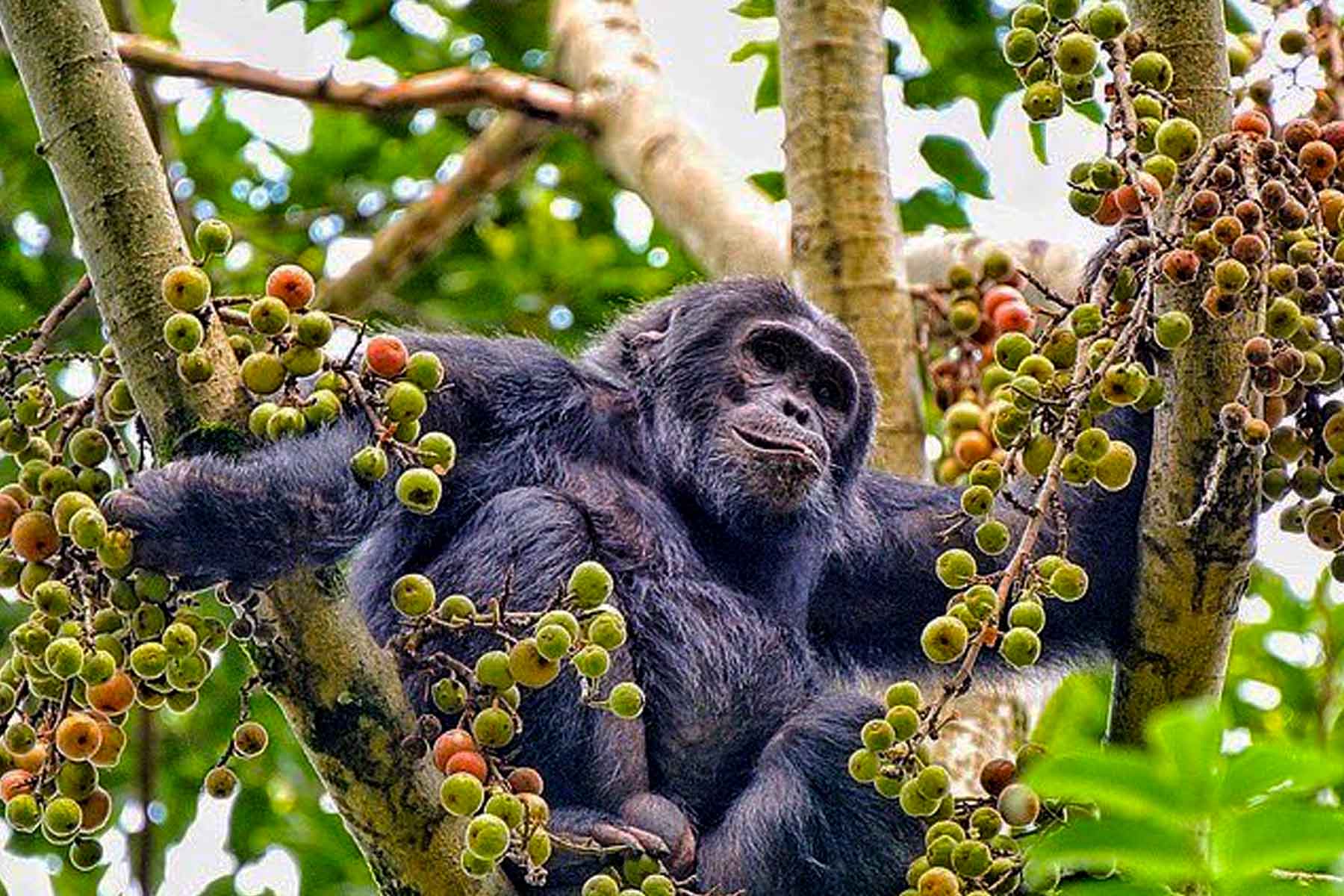
Chimpanzee trekking in Nyungwe National Park is one of Rwanda’s most exciting wildlife experiences, offering travelers the opportunity to enter an ancient montane rainforest and observe wild chimpanzees in their natural habitat. Although chimpanzee tracking is carefully managed, it is important to remember that these are wild animals living in a natural forest environment. Following Nyungwe chimpanzee trekking safety rules protects both visitors and chimpanzees while making the experience more enjoyable. Park management works with trained guides and trackers to organize encounters responsibly, and visitors are expected to follow all instructions given before and during the trek.
For travelers planning a Rwanda chimpanzee trekking safari, safety begins before entering the forest. A professional tour company should explain the trekking procedure, prepare you for the early-morning departure, arrange appropriate transportation, and ensure that your chimpanzee trekking activity is properly organized. Chimpanzee tracking in Nyungwe can be physically demanding because the forest contains steep slopes, dense vegetation, muddy trails, and uneven terrain. Being properly prepared helps you enjoy the adventure without unnecessary difficulties. Book your Nyungwe chimpanzee trekking tour with experienced local company who understand the forest, wildlife behavior, weather conditions, and park procedures.
1. Always Follow Your Ranger Guide’s Instructions
The most important chimpanzee trekking safety rule in Nyungwe is simple: always listen to and follow the instructions of your ranger guide. Guides and trackers understand chimpanzee behavior and are responsible for helping visitors maintain a safe and respectful encounter. They may ask you to stop, move slowly, remain quiet, change position, or maintain a particular distance depending on what the chimpanzees are doing. Never ignore instructions because you want a better photograph or a closer view. The guide’s priority is to protect both the visitors and the animals.
2. Maintain a Safe Distance From the Chimpanzees
Chimpanzees are powerful wild primates, even when they appear relaxed around people. Visitors should maintain the distance instructed by the park authorities and ranger guides. Current visitor information commonly describes a minimum viewing distance of approximately 7–10 metres, while guides may adjust positioning depending on the behavior and movement of the chimpanzees. If a chimpanzee approaches the group unexpectedly, do not attempt to touch it, follow it, or move toward it for a photograph. Stay calm and allow the ranger to direct the group.
3. Do Not Touch or Feed Chimpanzees
One of the essential Nyungwe National Park wildlife rules is never to touch, feed, chase, or attempt to interact physically with chimpanzees. Feeding wildlife can change natural behavior and may encourage animals to associate people with food. Touching or approaching chimpanzees also creates unnecessary risks for visitors and wildlife. Enjoy the encounter by observing the animals as they move, communicate, climb, forage, and interact naturally with members of their community. Responsible wildlife tourism means allowing chimpanzees to remain wild.
4. Do Not Trek When You Are Sick
Health protection is an important part of chimpanzee trekking safety in Rwanda. Chimpanzees are susceptible to human diseases, particularly respiratory illnesses, so travelers who are unwell or experiencing potentially contagious symptoms should inform their tour operator and park staff before the activity. Depending on the circumstances, visitors with contagious illnesses may not be permitted to participate. This is not simply a visitor-safety measure—it is also a crucial conservation precaution designed to reduce the possibility of transmitting human diseases to endangered and vulnerable primates.
5. Respect the Chimpanzees’ Natural Behavior
Chimpanzee trekking is not a performance or a zoo visit. The chimpanzees decide where they go, how they behave, and how long they remain in one location. Visitors should never shout to attract a chimpanzee, imitate chimpanzee calls, throw objects, clap loudly, or deliberately provoke a reaction. If the animals move away, your group should follow the ranger’s instructions rather than trying to force a closer encounter. Respecting natural behavior is one of the foundations of responsible chimpanzee tourism in Nyungwe.
6. Keep Your Voice Low in the Forest
Nyungwe is a remarkable rainforest ecosystem filled with birds, primates, insects, trees, and other wildlife. Excessive noise can disturb animals and reduce the quality of your wildlife experience. During chimpanzee tracking in Nyungwe Forest, keep conversations quiet and avoid shouting or playing music. When your ranger signals that chimpanzees are nearby, remain particularly quiet and attentive. A calm group has a better opportunity to observe natural behaviors such as feeding, grooming, climbing, resting, and communication.
7. Avoid Sudden Movements Around Chimpanzees
Sudden movements can disturb wildlife and make encounters less predictable. When chimpanzees are nearby, remain calm and move slowly according to the instructions of your guide. Do not run toward a chimpanzee that appears close, and do not suddenly move backward through dense vegetation without checking where you are stepping. Your guide will help you find a safe position for viewing and photography. Safe chimpanzee encounters in Rwanda depend on patience, calm behavior, and respect for the animals.
8. Never Use Flash Photography
Photography is one of the highlights of a Nyungwe chimpanzee trekking safari, but photographers must prioritize wildlife welfare over getting the perfect shot. Flash photography should not be used around chimpanzees because sudden flashes may disturb wildlife. Use natural light and follow your guide’s instructions regarding photography. Keep your camera or smartphone ready before reaching the viewing area so you can take photographs without making unnecessary movements. A professional guide can also help you understand when it is appropriate to photograph and when you should simply observe.
9. Do Not Eat or Drink Near the Chimpanzees
Food and drinks should not be consumed while you are positioned close to chimpanzees. Human food can attract wildlife and may encourage unnatural behavior. If you need water or a snack during the broader trek, ask your guide when and where it is appropriate to stop. Keeping food away from wildlife is an important part of eco-friendly chimpanzee trekking in Rwanda and helps prevent animals from associating visitors with food.
10. Stay With Your Trekking Group
Never leave your designated trekking group without permission from your guide. Nyungwe is a large and sometimes challenging forest environment, and dense vegetation can make it difficult to see other members of your party. Staying together allows the guide to monitor everyone and respond quickly if conditions change. If you need to stop because of tiredness, discomfort, or another concern, communicate with your guide rather than walking away alone. Guided chimpanzee trekking in Nyungwe is designed to provide a safer and more organized wildlife experience.
11. Be Prepared for a Challenging Forest Trek
Chimpanzee trekking is an adventure, not simply a short walk through a landscaped park. Nyungwe Forest contains mountainous terrain, slippery paths, dense vegetation, and areas where chimpanzees can move quickly. Visitors should have a reasonable level of physical fitness and be prepared for walking on uneven ground. Trekking times can vary because chimpanzees are wild and mobile. Some groups may be easier to locate than others, so travelers should arrive with realistic expectations. The reward is the possibility of seeing one of Africa’s most fascinating primates in its natural rainforest habitat.
12. Wear Suitable Clothing and Footwear
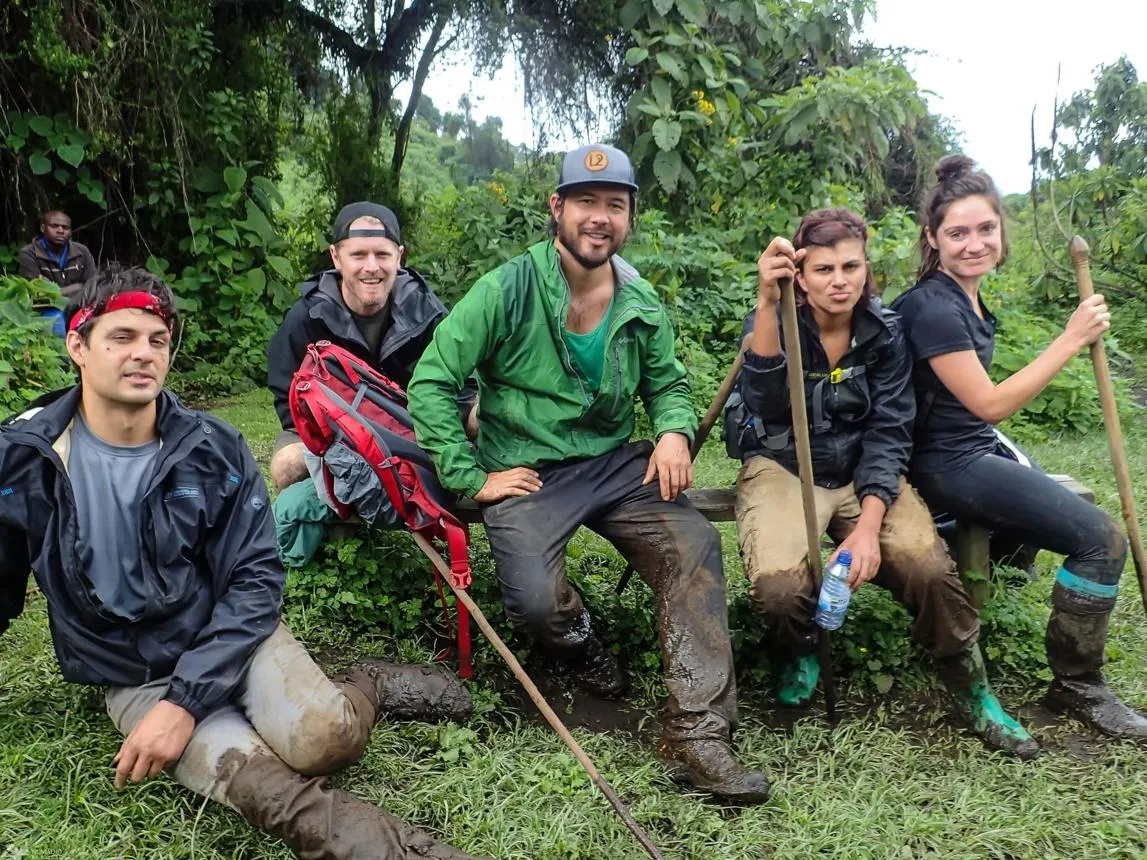
Proper clothing can significantly improve your comfort during Nyungwe chimpanzee tracking. Wear lightweight, breathable clothing that provides some protection from vegetation and insects. Long trousers are generally practical for forest trekking, while a waterproof jacket is useful because rainforest weather can change quickly. Strong hiking shoes or boots with good traction are recommended for muddy, steep, and uneven trails. A hat, reusable water bottle, camera, and small backpack can also be useful. Your tour operator can provide additional advice based on current trail and weather conditions.
13. Prepare for Rain and Wet Conditions
Nyungwe is a rainforest, so rain is always a possibility. Wet conditions can make trails slippery and increase the physical challenge of the trek. Carry suitable rain protection and protect cameras, phones, and other electronics from moisture. Walk carefully on slippery ground and never rush simply because you are trying to keep up with moving chimpanzees. Your ranger or guide will determine the safest way to proceed. Nyungwe rainforest trekking safety requires patience because weather and trail conditions can change during the day.
14. Protect the Forest by Leaving No Litter
Visitors should take all personal waste with them and dispose of rubbish only in appropriate locations. Plastic packaging, food waste, tissues, and other litter can harm wildlife and damage the appearance and ecological health of the forest. Do not throw anything onto trails or into vegetation. A responsible Nyungwe safari tour company should encourage travelers to follow Leave No Trace principles throughout the journey. Protecting the forest ensures that future generations can experience the same extraordinary ecosystem.
15. Do Not Remove Plants, Flowers, or Other Natural Materials
Nyungwe National Park is an important biodiversity hotspot, and visitors must respect its vegetation and natural environment. Do not uproot plants, break branches, collect flowers, remove seeds, or take other natural materials as souvenirs. Even apparently insignificant actions can contribute to environmental degradation when repeated by many visitors. Photograph the forest instead of taking pieces of it home. Responsible tourism in Nyungwe National Park means leaving the rainforest exactly as you found it.
16. Do Not Follow Chimpanzees Away From the Group
Chimpanzees can move rapidly through the forest, particularly when traveling between feeding areas or responding to other members of their community. Never run after a chimpanzee or leave the established route simply because the animal has moved into another area. Your guide and tracker will determine whether and how the group should continue following the animals. Staying within the designated group protects visitors from getting lost and minimizes disturbance to the chimpanzees.
17. Respect the Age and Participation Requirements
Travelers should confirm eligibility before booking a Nyungwe chimpanzee trekking permit. Current Nyungwe activity information states that chimpanzee tracking is restricted to visitors aged 15 and above, with no children under 15 permitted for the activity. Because park rules and operational requirements can change, families should confirm the latest requirements with the park or their tour operator before finalizing a booking.
18. Keep Your Personal Belongings Secure
Carry only what you need during the trek. A small backpack is preferable to a large or heavy bag because you may walk for several hours through challenging terrain. Keep phones, cameras, passports, money, and other valuables securely stored. Avoid dangling objects that can catch on vegetation. A lightweight rain cover can help protect your backpack and equipment during unexpected showers. Your Rwanda wildlife safari guide can advise you about what is practical to carry on the specific trekking route.
19. Listen Carefully During the Safety Briefing
Before entering the forest, visitors should pay close attention to the safety briefing. This is the time to ask questions about distance, photography, walking conditions, emergency procedures, chimpanzee behavior, and what to do if you become tired. Do not assume that chimpanzee trekking is exactly the same as gorilla trekking or another wildlife activity. Each species and environment presents different considerations. A good Nyungwe safari operator will make sure guests understand the rules before starting the trek.
20. Understand That Chimpanzees Are Wild Animals
Even habituated chimpanzees remain wild animals. Habituation means that certain chimpanzee communities have become accustomed to the presence of people; it does not mean that they are domesticated or trained. Nyungwe is home to chimpanzees that live naturally in the forest, and their behavior can change depending on feeding, social interactions, weather, territorial movements, or other conditions. This is precisely what makes chimpanzee tracking such a memorable wildlife experience.
21. Be Patient During Chimpanzee Tracking
A successful chimpanzee trekking experience in Nyungwe requires patience. Chimpanzees are not guaranteed to remain in one place, and locating them can take time. Park trackers may work ahead of visitors to determine the approximate location of habituated chimpanzee communities, after which guides lead guests toward the animals. Do not become frustrated if the chimpanzees move just as you arrive. Their unpredictability is part of authentic wildlife tourism, and every encounter is different.
22. Choose an Experienced Chimpanzee Trekking Tour Company
Choosing the right tour operator can make a major difference to your Rwanda chimpanzee safari. Look for a company that prioritizes guest safety, wildlife conservation, clear communication, experienced guides, reliable transportation, and responsible tourism practices. A professional operator should explain what is included in your package, help organize permits and park activities, provide appropriate trekking advice, and communicate realistic expectations about wildlife encounters. Instead of promising a guaranteed close encounter, responsible operators explain that chimpanzees are wild and sightings depend on natural conditions.
23. Book Your Chimpanzee Trek in Advance
Chimpanzee tracking is a popular activity in Nyungwe and should be arranged in advance, particularly during busy travel periods. Current park information indicates that chimpanzee tracking requires advance arrangements and that activity groups are limited. The 2025–2026 Nyungwe pricing information lists a maximum of eight adults per chimpanzee tracking community and includes guide services. Booking early allows your tour company to coordinate permits, accommodation, transport, and the early-morning start more efficiently.
24. Respect Small-Group Wildlife Tourism
Small trekking groups help reduce disturbance to chimpanzees while making it easier for guides to manage visitors. Current Nyungwe information lists a maximum of eight adults for chimpanzee tracking, while the chimpanzee habituation experience has a smaller maximum of four adults. For travelers who value intimate wildlife experiences, this controlled approach provides an excellent opportunity to observe chimpanzees without the feeling of being surrounded by a large crowd.
25. Protect Chimpanzees From Human Diseases
One of the most important reasons for strict visitor rules is conservation. Humans and chimpanzees are biologically close, and infectious diseases can potentially move between people and great apes. This is why visitors should never participate in chimpanzee tracking when they have a contagious illness. Following health guidance, maintaining the required distance, and respecting all park protocols are important contributions to chimpanzee conservation in Rwanda. Your safety and the animals’ welfare are closely connected.
26. What Makes Nyungwe Chimpanzee Trekking Special?
Nyungwe National Park offers an exceptional combination of rainforest scenery, biodiversity, primates, birds, and adventure. Chimpanzees spend much of their time foraging, climbing, traveling, resting, and interacting socially, and some habituated communities can be observed by visitors under controlled conditions. The forest is also home to hundreds of chimpanzees, although finding them is never completely predictable because they move naturally through a large forest ecosystem. This combination of unpredictability, conservation, and wilderness makes Nyungwe chimpanzee trekking in Rwanda an unforgettable experience for wildlife enthusiasts.
27. Responsible Tourism Helps Protect Nyungwe
Every visitor has a role in protecting Nyungwe Forest. Following trekking rules, staying on appropriate routes, respecting wildlife, avoiding litter, supporting local guides and communities, and following conservation instructions all contribute to sustainable tourism. Tourism revenue and responsible visitor behavior can help support the continued management and protection of this remarkable ecosystem. When you book a responsible Rwanda safari, you are not only purchasing an adventure—you are participating in a tourism model that values wildlife and forest conservation.
28. Chimpanzee Trekking Safety: What Travelers Should Remember
Before setting out on your Nyungwe chimpanzee trek, remember the key rules: listen to your ranger guide, maintain the required wildlife distance, never touch or feed chimpanzees, avoid flash photography, keep noise low, do not trek when contagious, stay with your group, avoid littering, respect plants and wildlife, and remain calm around the animals. Most importantly, remember that chimpanzee trekking is a privilege. The goal is not to control the wildlife encounter but to respectfully observe chimpanzees living naturally in one of Rwanda’s most extraordinary forests.
Plan Your Nyungwe Chimpanzee Trekking Adventure With Us
Ready to experience chimpanzee trekking in Nyungwe National Park? Our team can help you plan a safe, comfortable, and memorable wildlife journey, from arranging your chimpanzee trekking activity and transportation to recommending accommodation and combining Nyungwe with other Rwanda attractions. Whether you are a solo traveler, couple, family meeting the park’s age requirements, photographer, birdwatcher, or wildlife enthusiast, we can help design a Nyungwe Forest safari around your travel schedule and interests.
Choose a professionally organized Rwanda chimpanzee trekking tour and discover the incredible wildlife of Nyungwe Forest with experienced guides who put safety, conservation, and your enjoyment first. Contact us today to check available trekking dates, discuss your preferred itinerary, and start planning your Nyungwe chimpanzee safari in Rwanda. With Unique Africa Ventures, You Explore Like Never Before!
For more Info, CONTACT US TODAY AND TALK WITH TOUR CONSULTANT:
Call or WhatsApp: +250 794 128 369
Email: info@uniqueafricaventures.com
Related Posts