
Affordable Rwanda Safari Adventures Rwanda is one of Africa’s most rewarding destinations for travelers who…
Akagera Safari with Children – Family Travel Guide
A family safari is one of the most rewarding travel experiences you can share with children. Watching wild animals roam freely across vast landscapes, hearing birds sing at sunrise, and exploring nature together creates memories that last a lifetime. For families visiting Rwanda, Akagera National Park is one of the best safari destinations because it combines incredible wildlife, beautiful scenery, good road access, and family-friendly accommodation. Unlike many remote safari destinations, Akagera offers a balance between adventure and comfort, making it suitable for families with children of different ages. Parents can enjoy an authentic African safari while children discover wildlife in a safe and exciting environment.
Akagera National Park is located in eastern Rwanda along the border with Tanzania and covers more than 1,100 square kilometers of protected wilderness. The park is named after the Akagera River, which feeds a network of lakes, swamps, and wetlands that support an extraordinary diversity of wildlife. It is Rwanda’s only savannah national park and is famous for its open grasslands, rolling hills, acacia woodlands, and sparkling lakes. Families traveling from Kigali can reach the park in approximately two and a half to three hours by road, making it one of the most accessible safari parks in East Africa. This relatively short travel time is particularly valuable for parents with young children who may not enjoy long journeys.
One of the biggest reasons families choose Akagera is the opportunity to see the famous Big Five animals. Thanks to successful conservation and wildlife restoration programs, visitors now have the chance to see lions, elephants, rhinos, buffaloes, and leopards. Although leopard sightings are less common because these animals are naturally shy and mostly active at night, the possibility adds excitement to every game drive. Children often become fascinated by learning how each animal survives in the wild, and safari guides are excellent storytellers who explain animal behavior in ways that keep young visitors engaged throughout the journey.
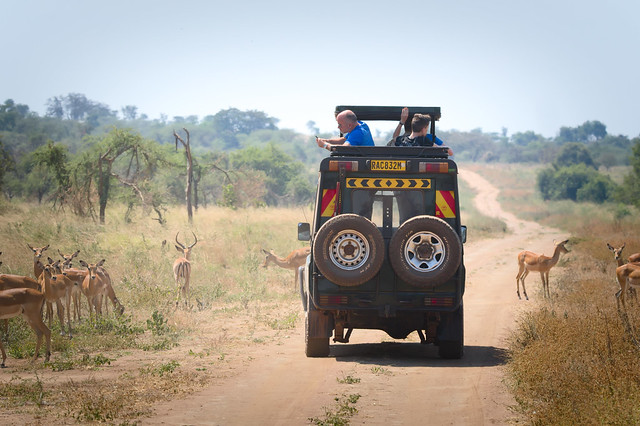
Game drives are the highlight of any family safari in Akagera. Most families choose early morning or late afternoon drives because wildlife is more active during cooler hours. As the safari vehicle moves slowly through the park, children can spot giraffes stretching their long necks to reach tree leaves, zebras grazing peacefully beside antelopes, elephants crossing the road, and large herds of buffalo wandering through the grasslands. Every turn offers a new surprise, keeping children curious and excited. Unlike zoos, where animals live in enclosures, Akagera allows children to observe wildlife behaving naturally in their own habitat, creating a much deeper understanding of nature and conservation.
Birdwatching is another wonderful activity for families, even for children who have never shown interest in birds before. Akagera National Park is home to more than 500 bird species, making it one of Africa’s premier birding destinations. Colorful kingfishers, majestic fish eagles, African jacanas, bee-eaters, storks, and herons can all be seen around the lakes and wetlands. Children often enjoy using binoculars to identify different birds while guides explain their feeding habits, nesting behavior, and migration patterns. This activity encourages patience, observation, and appreciation for biodiversity while making learning enjoyable.
Boat safaris on Lake Ihema offer a completely different safari experience that many families consider the highlight of their visit. Instead of driving across the savannah, families cruise slowly along the lake while observing hippos resting in the water, Nile crocodiles sunbathing on the shoreline, and numerous water birds flying overhead. Children usually find boat safaris relaxing because they can enjoy wildlife without the bumpy roads often experienced during game drives. The calm environment also provides excellent opportunities for photography and close observation of aquatic animals in their natural surroundings.
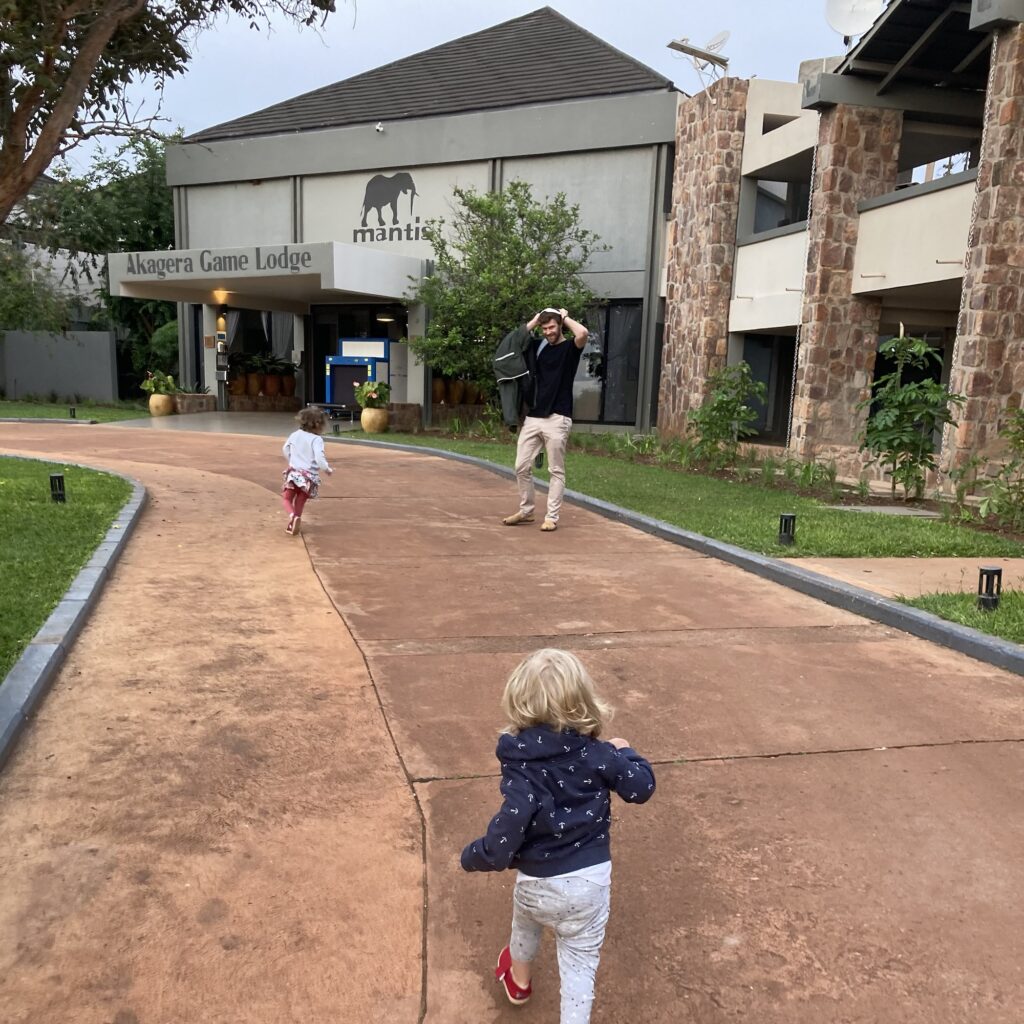
Choosing the right accommodation is one of the most important aspects of planning a family safari. Fortunately, Akagera offers a variety of lodges, camps, and guesthouses that cater to families. Some lodges provide spacious family rooms, interconnecting accommodations, children’s menus, and secure outdoor spaces where kids can relax after a day of exploring. Luxury lodges often feature swimming pools and comfortable lounges, while mid-range camps provide cozy cottages surrounded by nature. Parents should consider accommodation that balances comfort, safety, and convenient access to safari activities, especially when traveling with younger children.
The best age for children to enjoy a safari varies from family to family, but Akagera can be rewarding for children of many different ages. Younger children may simply enjoy seeing large animals and colorful birds, while older children can appreciate the educational aspects of ecology, conservation, and wildlife behavior. Teenagers often become interested in photography, animal tracking, and understanding how ecosystems function. Parents should check with tour operators regarding age restrictions for certain activities, as some game drives or boat safaris may have minimum age requirements for safety reasons.
Packing wisely contributes greatly to a successful family safari. Comfortable clothing in neutral colors helps avoid attracting insects and minimizes disturbance to wildlife. Light jackets are useful during cool mornings, while hats, sunscreen, sunglasses, and reusable water bottles help protect against the African sun. Insect repellent is essential, particularly near lakes and wetlands. Parents should also pack snacks, children’s medications, binoculars, cameras, books, and small games for downtime at the lodge. Having familiar comfort items for younger children can make travel more enjoyable and reduce anxiety during long days of exploration.
Health and safety are naturally among the top concerns for parents traveling with children. Akagera National Park is generally considered safe when visitors follow park regulations and instructions from professional guides. Families should remain inside safari vehicles unless instructed otherwise and should never attempt to approach wild animals on foot. Children should be reminded to speak quietly during wildlife viewing to avoid disturbing animals. Drinking bottled or purified water, maintaining good hygiene, and following recommended travel health advice further contribute to a safe and comfortable safari experience.
One of the most valuable aspects of visiting Akagera with children is the educational opportunity it provides. Modern children often learn about wildlife through books, television, or digital screens. A safari transforms those lessons into real-life experiences. Seeing an elephant feeding its calf or watching a lion resting under an acacia tree creates emotional connections that classroom learning alone cannot provide. Parents can use these experiences to discuss ecosystems, food chains, biodiversity, climate change, and the importance of protecting endangered species. These conversations often inspire lifelong curiosity about the natural world.
Conservation plays a central role in Akagera National Park‘s remarkable success story. Over the past several decades, dedicated conservation efforts have restored wildlife populations and strengthened protection against poaching. The reintroduction of lions and black rhinos marked significant milestones in the park’s recovery. Families visiting the park directly support conservation through park entrance fees, guided activities, and accommodation choices. Children learn that tourism, when managed responsibly, can help preserve wildlife and improve the livelihoods of local communities living near protected areas.
Community tourism adds another meaningful dimension to a family visit. Many families choose to combine their safari with visits to nearby villages, cultural centers, or local craft markets. These experiences allow children to learn about Rwandan traditions, music, dance, agriculture, and daily life beyond the national park. Meeting local people encourages cultural understanding, respect, and appreciation for different ways of life. Purchasing locally made handicrafts also supports community businesses while providing memorable souvenirs from the journey.
Photography becomes an enjoyable family activity throughout the safari. Even young children can learn basic photography skills by capturing landscapes, animals, and colorful sunsets. Parents can encourage children to create a safari journal by combining photographs with written observations and drawings of the animals they encounter. This creative project not only preserves memories but also reinforces learning about wildlife. Many families discover that reviewing their safari photos together after returning home becomes one of the most enjoyable ways to relive the adventure.
The dry seasons, generally from June to September and from December to February, are often considered the best times for families to visit Akagera National Park. During these months, roads are easier to navigate, wildlife gathers around water sources, and game viewing becomes more predictable. However, the rainy seasons also offer unique advantages, including lush green landscapes, fewer visitors, dramatic scenery, and excellent birdwatching opportunities as migratory species arrive. Families should select travel dates based on their interests, budget, and preferred weather conditions rather than assuming one season is suitable for everyone.
Planning a daily safari schedule around children’s energy levels helps ensure everyone enjoys the experience. Early morning game drives often provide the best wildlife sightings, followed by a relaxing midday break at the lodge when temperatures are highest. Children can swim, rest, or participate in quiet activities before heading out again for an afternoon or evening safari. Avoiding overly busy schedules allows families to appreciate each experience without feeling rushed. Flexibility is particularly important when traveling with younger children who may need additional rest or meal breaks.
Food is another important consideration for family travel. Most lodges in and around Akagera offer a range of meals suitable for international visitors, including child-friendly options such as pasta, rice, grilled chicken, fresh fruit, vegetables, and simple snacks. Parents with picky eaters or children with food allergies should communicate dietary requirements in advance so accommodations can prepare appropriate meals. Carrying a few favorite snacks from home can also be helpful during longer game drives when children become hungry between scheduled meals.
Transportation within the park is typically provided through guided safari vehicles driven by experienced guides who understand wildlife behavior and park regulations. These guides play a major role in creating memorable experiences for children by answering questions, explaining animal tracks, sharing fascinating facts, and helping young visitors identify different species. Their enthusiasm often transforms an ordinary game drive into an exciting educational adventure that keeps children engaged from beginning to end.
A family safari in Akagera National Park is far more than a holiday focused on wildlife viewing. It is an opportunity for families to disconnect from busy daily routines and reconnect with each other through shared experiences in nature. Watching a herd of elephants at sunset, listening to the sounds of the African wilderness after dark, or celebrating a child’s first sighting of a lion creates moments that strengthen family bonds in ways few other vacations can achieve. The combination of adventure, education, relaxation, and cultural discovery makes Akagera an exceptional destination for travelers of all ages.
Ultimately, Akagera National Park demonstrates that safaris are not reserved only for experienced adventurers or luxury travelers. With thoughtful planning, appropriate accommodations, knowledgeable guides, and child-friendly activities, families can safely enjoy one of Africa’s most remarkable wildlife destinations together. Children leave with unforgettable memories, greater respect for nature, and a deeper understanding of wildlife conservation, while parents return home knowing they have shared an experience that combines excitement, learning, and quality family time. Whether it is a family’s first safari or one of many wildlife adventures, Akagera offers an inspiring journey that will continue to be remembered long after the trip has ended. With Unique Africa Ventures, You Explore Like Never Before!
For more Info, CONTACT US TODAY AND TALK WITH TOUR CONSULTANT:
Call or WhatsApp: +250 794 128 369
Related Posts