
Affordable Rwanda Safari Adventures Rwanda is one of Africa’s most rewarding destinations for travelers who…
Gorilla Trekking in Rwanda: Morning vs Afternoon Treks
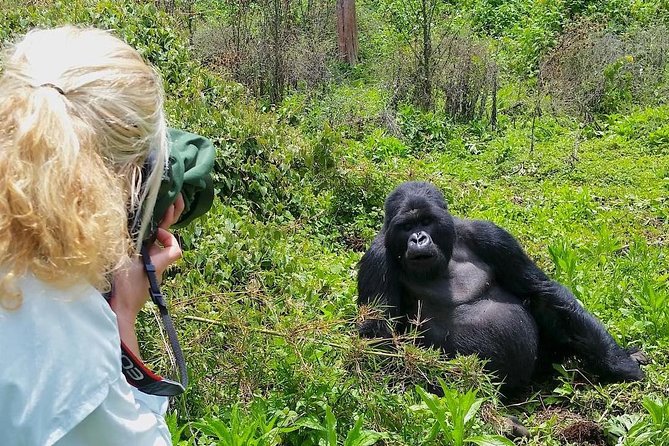
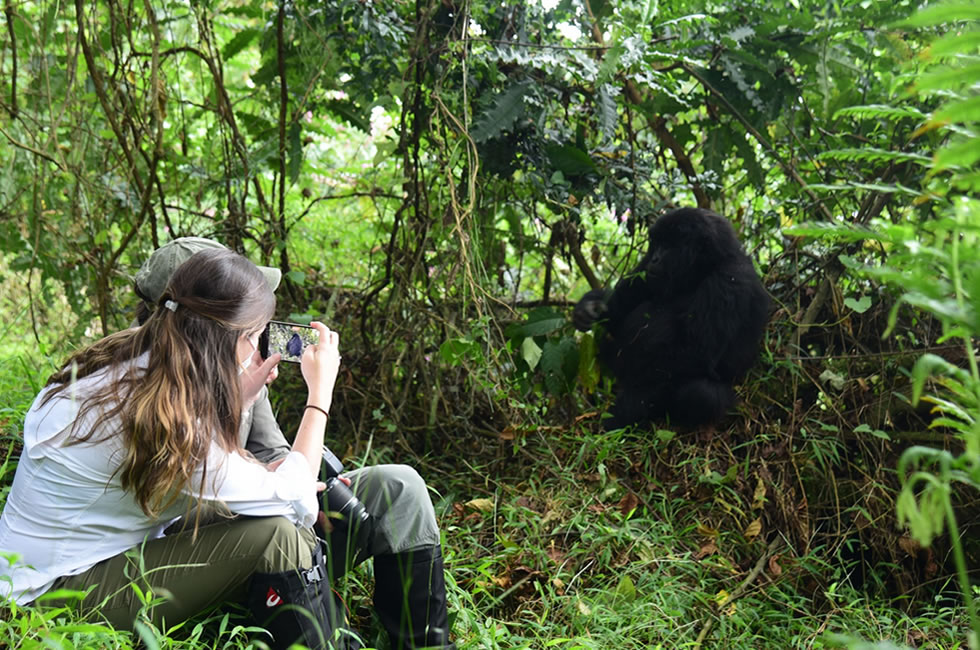
Gorilla trekking in Rwanda is one of the most powerful wildlife experiences in the world, centered in the lush rainforest of Volcanoes National Park. One of the key decisions travelers must make when planning this adventure is whether to choose a morning or afternoon trek. While both offer unforgettable encounters with mountain gorillas, the timing can significantly shape the overall experience in terms of weather, energy levels, photography, and crowd dynamics.
Morning treks are by far the most popular option, largely because they align with the natural rhythm of both the forest and the gorillas themselves. Treks typically begin early, with briefing sessions around 7:00 AM before groups set off into the forest. This early start allows visitors to track gorilla families when they are most active, often feeding or moving through the vegetation. The cool morning air makes the hike more comfortable, especially given the challenging terrain of steep slopes and dense vegetation.
Another advantage of morning treks is the lighting. Soft, diffused morning light filters through the forest canopy, creating ideal conditions for photography. The chances of capturing clear, well-lit images of gorillas are higher compared to the harsher midday or afternoon light. For wildlife photographers or even casual travelers hoping for memorable pictures, this can make a noticeable difference.
Weather is another important factor. Rwanda’s rainforest climate means rain is always a possibility, but mornings tend to be drier than afternoons. Afternoon showers are quite common, and trekking in muddy, slippery conditions can become more physically demanding. Choosing a morning trek often reduces the likelihood of heavy rainfall disrupting your experience.
Energy levels also play a role. Trekking to see gorillas can take anywhere from one to several hours depending on the location of the gorilla family. Starting early means you are fresher and more prepared for the hike. By contrast, an afternoon trek may find you already tired from earlier activities or travel, making the physical demands feel more intense.
However, afternoon treks have their own unique appeal. For travelers who are not morning people or who prefer a more relaxed start to the day, an afternoon trek can be a better fit. It allows time for a leisurely breakfast and avoids the rush of early departures, making the experience feel less hurried from the outset.
Afternoon treks can also feel more intimate. Because most visitors opt for morning slots, afternoon groups are often smaller or less crowded. This can translate into a quieter, more personal encounter with the gorillas and a deeper sense of immersion in the forest environment.
There is also something special about the atmosphere of the forest in the afternoon. The sounds of birds, insects, and distant wildlife create a different mood compared to the calm of the morning. The forest feels more alive in a different way, offering a sensory experience that some travelers find equally compelling.
In terms of gorilla behavior, afternoon treks can still be very rewarding. While gorillas may be less active than in the morning, they often settle into feeding or resting patterns that allow for longer, more stable observation. This can be particularly appealing for visitors who prefer a slower-paced, observational experience rather than tracking movement through the forest.
One potential downside of afternoon treks is lighting for photography. The sun can be harsher and create stronger contrasts, making it more challenging to capture clear images under the dense canopy. Shadows can be deeper, and sudden rain showers can further complicate visibility.
Another consideration is time pressure. Afternoon treks have a natural time limit due to daylight hours. If the gorillas are located far into the forest, guides may need to adjust the pace or limit exploration time to ensure a safe return before dark. Morning treks generally offer more flexibility in this regard.
For travelers combining gorilla trekking with other activities, timing can also influence itinerary planning. A morning trek leaves the afternoon free for relaxation or cultural visits, while an afternoon trek allows for morning activities such as visiting local communities or exploring nearby landscapes.
Physical fitness and personal preference are crucial factors. Those who prefer cooler temperatures and maximum stamina often lean toward morning treks, while those who prioritize comfort and a slower start may find afternoon treks more enjoyable. Neither option is inherently better; they simply cater to different travel styles.
Cost and permit availability can also play a role. Rwanda’s gorilla trekking permits are limited and in high demand. Sometimes, the choice between morning and afternoon is influenced more by availability than preference, especially during peak travel seasons.
Ultimately, both morning and afternoon treks offer the same core experience: a rare, humbling encounter with one of the world’s most endangered and fascinating species. Whether you meet the gorillas in the golden light of morning or the deeper tones of the afternoon forest, the emotional impact is equally profound.
Choosing between the two comes down to what kind of experience you value most—energy and optimal conditions, or a quieter, more relaxed pace. Either way, gorilla trekking in Rwanda remains a once-in-a-lifetime journey that leaves a lasting impression long after you leave the wild. With Unique Africa Ventures, You Explore Like Never Before!
For more Info, CONTACT US TODAY AND TALK WITH TOUR CONSULTANT:
Call or WhatsApp: +250 794 128 369
Related Posts